





Copper Enamel Snuff Box
A copper enamel snuff box is a pocket-sized Georgian container holding powdered tobacco, prized for its miniature painted scenes and vibrant vitreous surface.
Copper Enamel Snuff Box
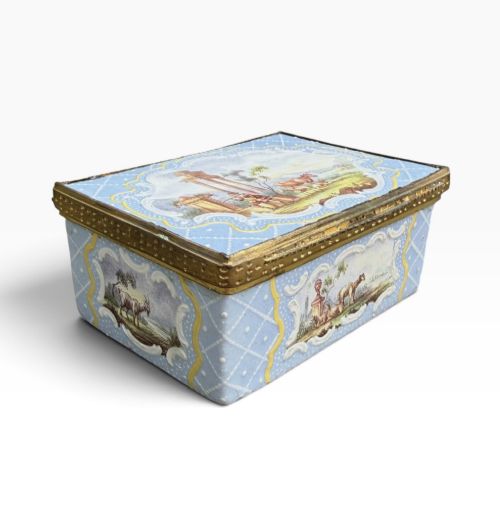
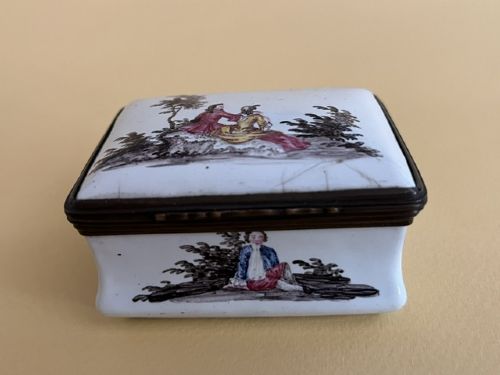
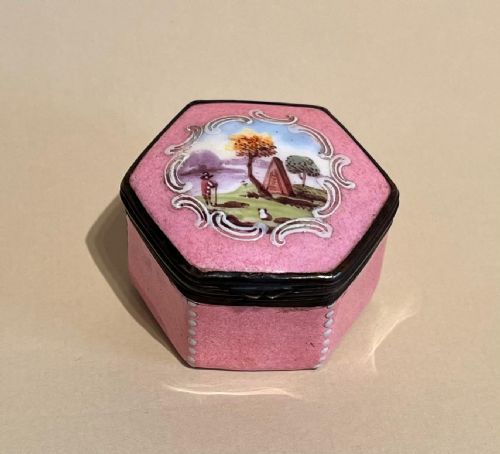
A copper enamel snuff box brings together small pocket containers made primarily during the eighteenth and nineteenth centuries. Collectors encounter Georgian pieces frequently, including specialised patch boxes and trinket boxes alongside standard snuff containers.
The English tradition dominates the selection, featuring notable regional works from Bilston and South Staffordshire centres. Alongside these domestic items, pieces originating from Qing Dynasty workshops occasionally appear in the record.
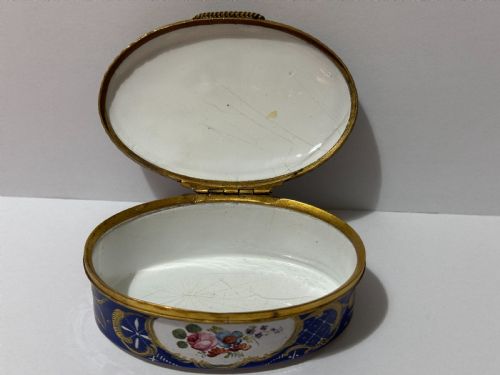
Makers often shaped these objects in oval or rectangular formats, while novelties take the form of animals such as the King Charles Cavalier Spaniel or beetles. Lidded designs frequently feature hand-painted vignettes depicting subjects like musicians in parkland or inscribed topographical views such as Cheltenham Wells.
Materials and construction
Artisans formed the core structure of each piece using beaten copper sheets, often combining brass or gilt metal mounts for hinges and rims. Vitreous enamel was then applied to the metal base and fired at high temperatures to create a smooth, glossy coating.
Painters decorated the fused enamel surface with mineral oxides, utilising delicate brushwork to render figurative scenes and floral motifs before a final fixing kiln fire. Gilded copper and gilded metal elements added decorative borders and secure closures to complete the miniature object.
Copper Enamel Snuff Box Retail Price Guide 2026
Typical asking prices for copper enamel snuff box among the pieces listed under this phrase on Sellingantiques today, from the lower quarter to the upper quarter. They describe what is for sale here now, not the wider market.
Factors determining quality
Structural integrity of the metal mounts and hinges plays a vital role, with top-tier pieces retaining tight alignment between the lid and base. The sophistication of the form itself elevates certain items, particularly intricately moulded novelty shapes like animal figures over standard geometric boxes.
The Copper Enamel Snuff Box Glossary
- Bilston enamel
- A term for decorated enamelware produced in the Staffordshire town of Bilston during the eighteenth century. These factories specialised in small luxury items like patch and snuff boxes.
- Patch box
- A small pocket container originally used to hold cosmetic fabric patches worn on the face. They share construction methods directly with snuff boxes of the same period.
- Vitreous enamel
- A material made by fusing powdered glass to a metallic substrate through firing. This process produces a durable, glossy coloured surface.
- Bonbonniere
- A small ornamental container designed to hold sweets or sugar plums. They often feature whimsical or novelty shapes.
- Rococo revival
- A nineteenth-century design style drawing on eighteenth-century asymmetrical scrollwork and ornate ornamentation. It influences the mounts and decorative borders of later boxes.
Copper Enamel Snuff Box: Frequently Asked Questions
What is a copper enamel snuff box?
These objects are small, hinged containers fashioned from sheet copper and coated with fused glass enamel. Artisans painted miniature scenes or portraits directly onto the lid.
Historically, owners carried them in pockets or waistcoats to store dry powdered tobacco known as snuff. The tight-fitting lids kept the contents dry and aromatic.
How do I date a Georgian enamel box?
Dating relies on examining the style of the copper mounts, the palette of the enamel colours, and the subject matter of the painted scenes. Eighteenth-century pieces frequently feature simpler pinch-beck or brass bezels.
Later nineteenth-century revivals often display heavier gilt metal mounts and brighter, more mechanically consistent enamel tones. Inscribed topographical titles or specific historical fashions can also narrow down the manufacturing decade.
Were these boxes used only for snuff?
While primarily designed for tobacco, many surviving examples served as patch boxes for cosmetic beauty spots. Others functioned as trinket boxes or bonbonnieres for holding small confectionery.
Their versatile miniature size made them ideal gifts for keeping small personal valuables secure. Wealthy owners kept them on dressing tables or carried them during social visits.
How should I care for an antique enamel box?
Protect the fragile glass surface by keeping the box away from direct sunlight, extreme temperature shifts, and high humidity. Avoid using chemical cleaners or abrasive cloths on the painted lid.
Display the item in a stable cabinet away from table edges where a fall could shatter the enamel. Gentle dusting with a dry, soft brush is sufficient for routine maintenance.
What distinguishes Bilston from Staffordshire boxes?
Bilston specifically references items produced within that single manufacturing town, whereas Staffordshire encompasses a broader regional pottery and enamel industry. Both terms often overlap in historical attribution due to shared stylistic traits.
Objects from these areas generally date to the eighteenth century and share comparable copper-shaping and painting techniques.