


18th Century Ceramic Plates
These 18th century ceramic plates bring hand-painted narrative, tin-glazed depth and Georgian form to a table or wall.
18th Century Ceramic Plates
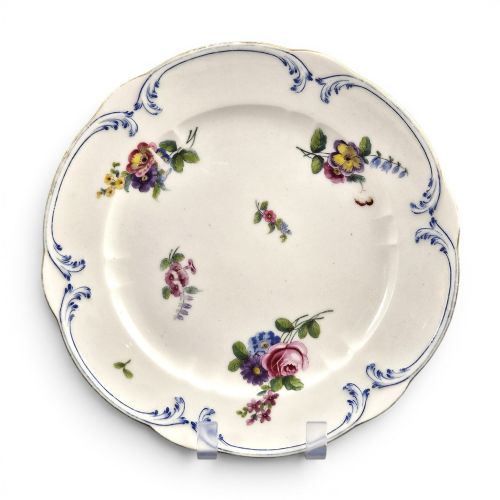
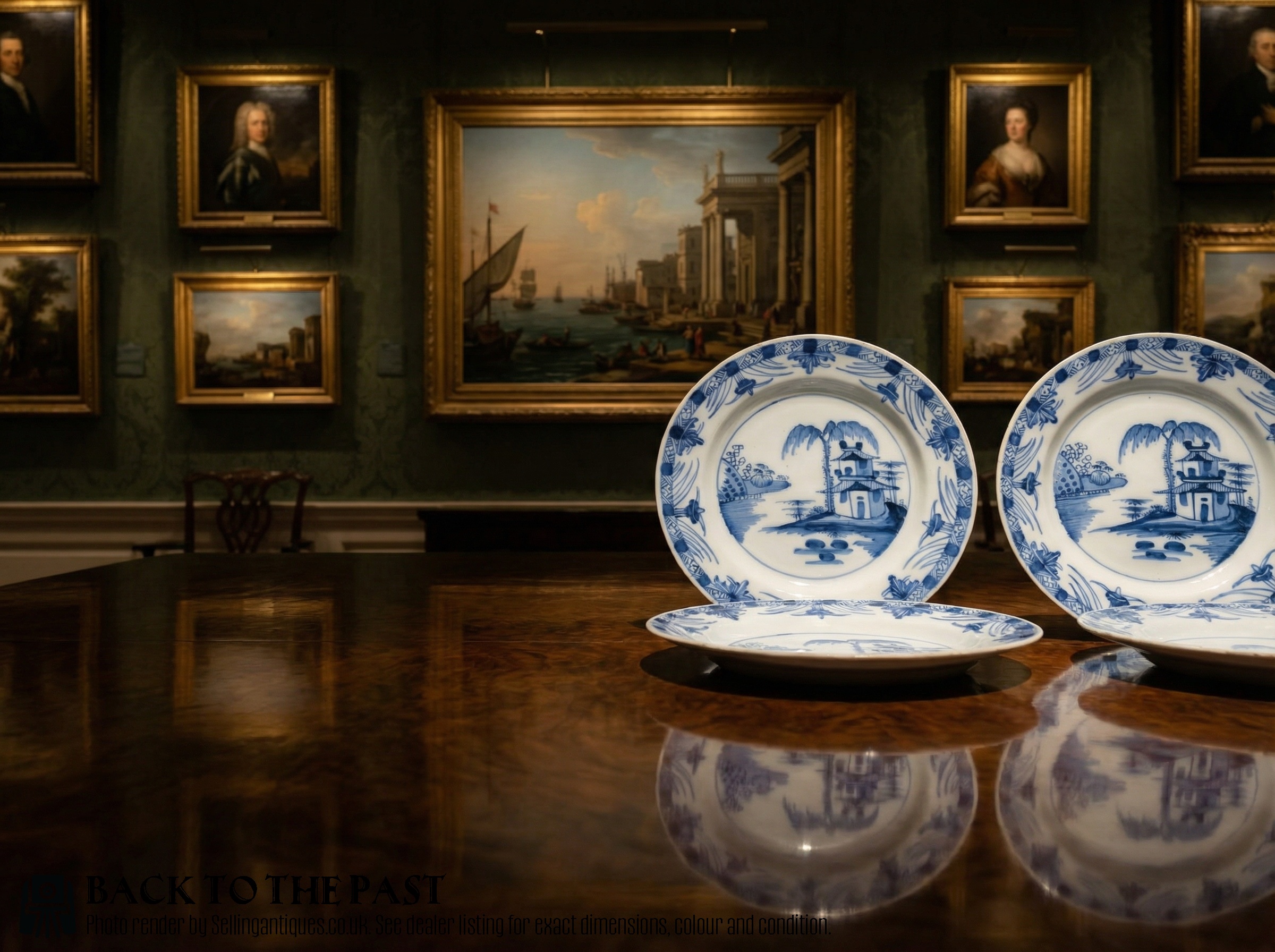
When you search for 18th century ceramic plates, you encounter chargers, serving dishes and tableware created across English, Dutch, French, German and Chinese kilns. The pieces meeting you here span tin-glazed earthenware, soft-paste porcelain, creamware and salt-glazed pottery.
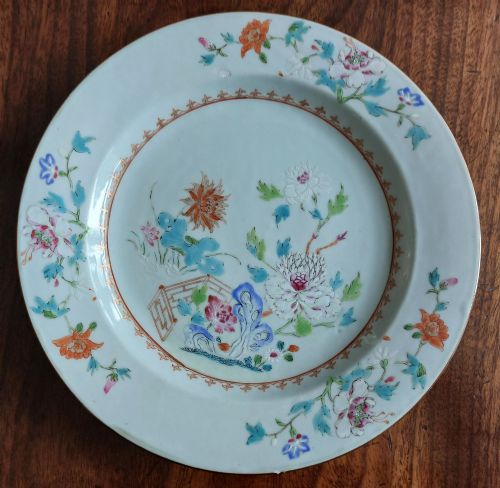
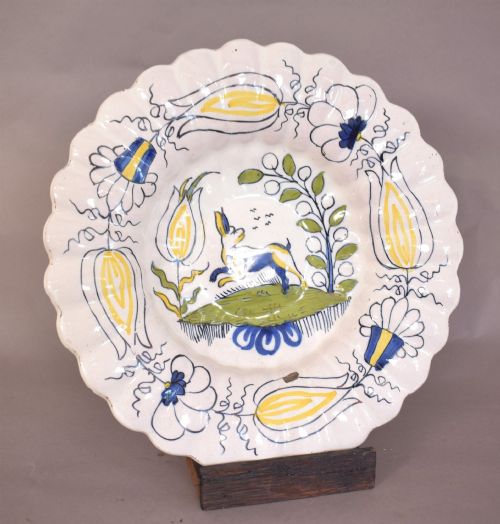
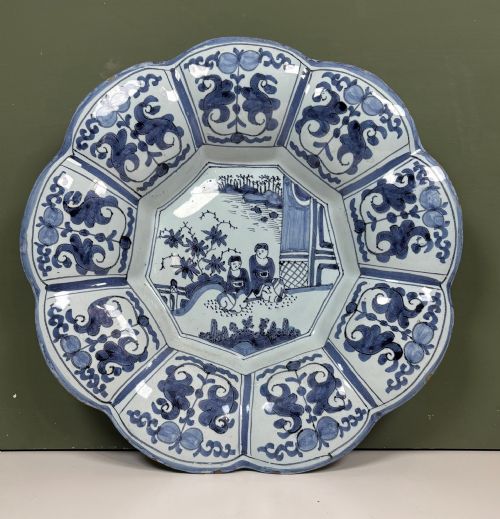
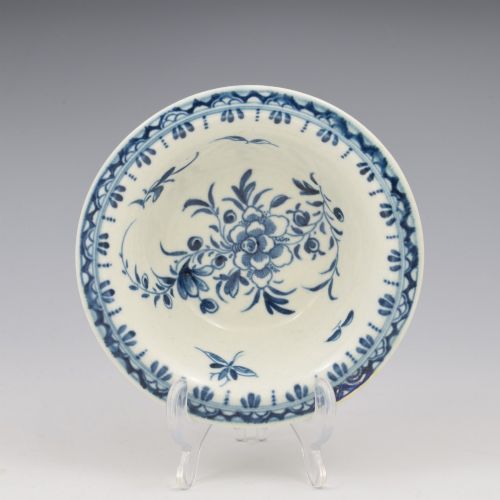
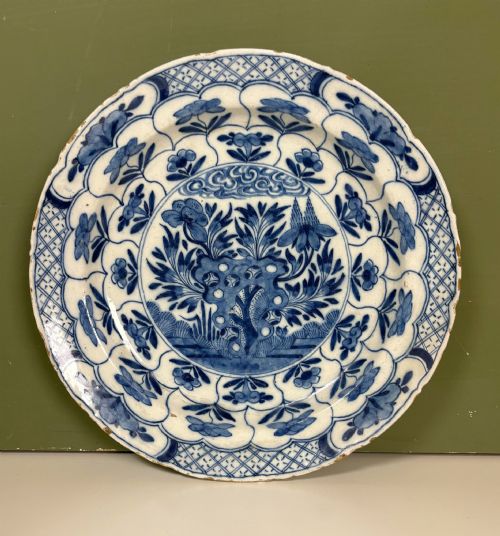
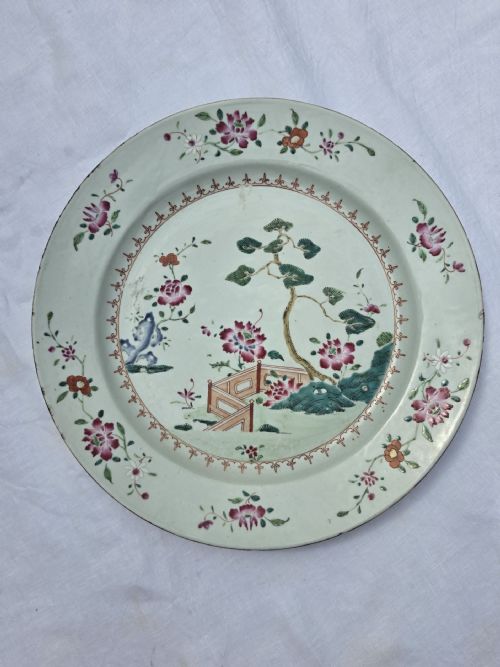
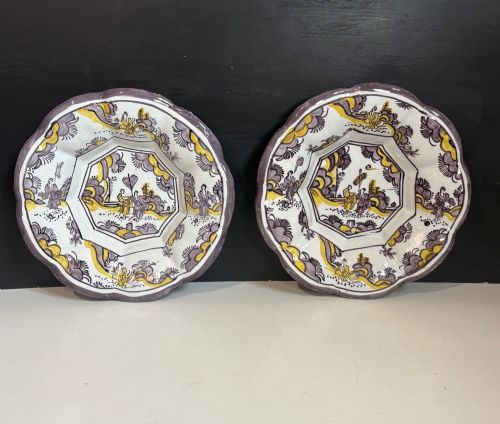
Large delftware chargers and blue-and-white plates dominate the earthenware selections, often bearing floral motifs, marriage themes or Chinoiserie scenes. Porcelain examples range from Chinese export wares to delicate Worcester, Sèvres and Meissen service items.
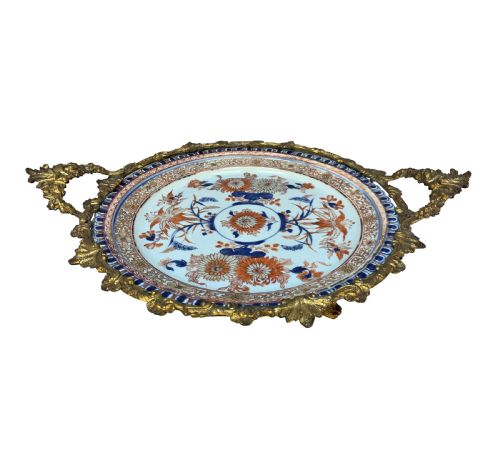
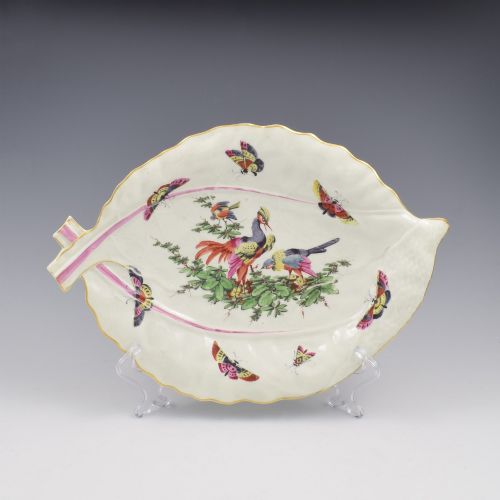
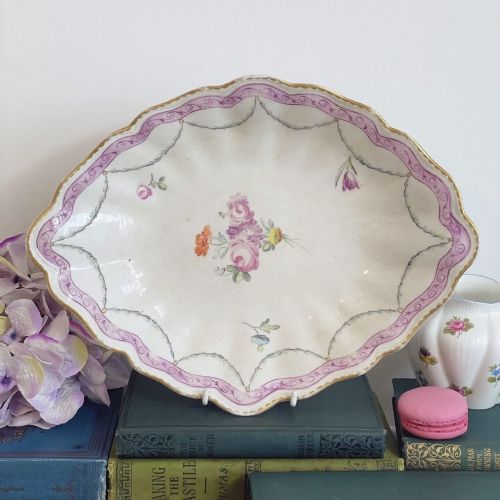
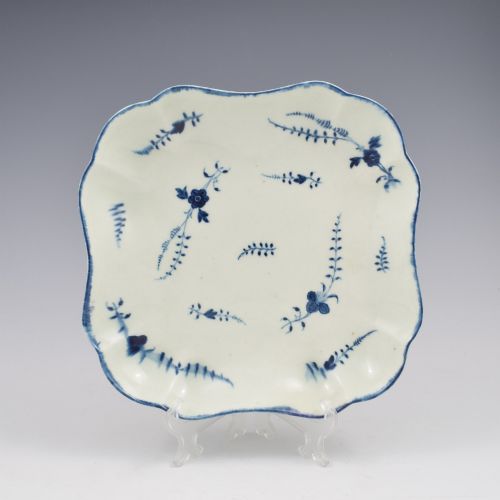
Forms vary from octagonal plates and lobed dessert dishes to deep soup bowls and armorial dinner sets. Most pieces reflect the stylistic shifts of the Georgian era, incorporating Rococo curves, Chinese Imari palettes and hand-painted polychrome details.
Materials and methods
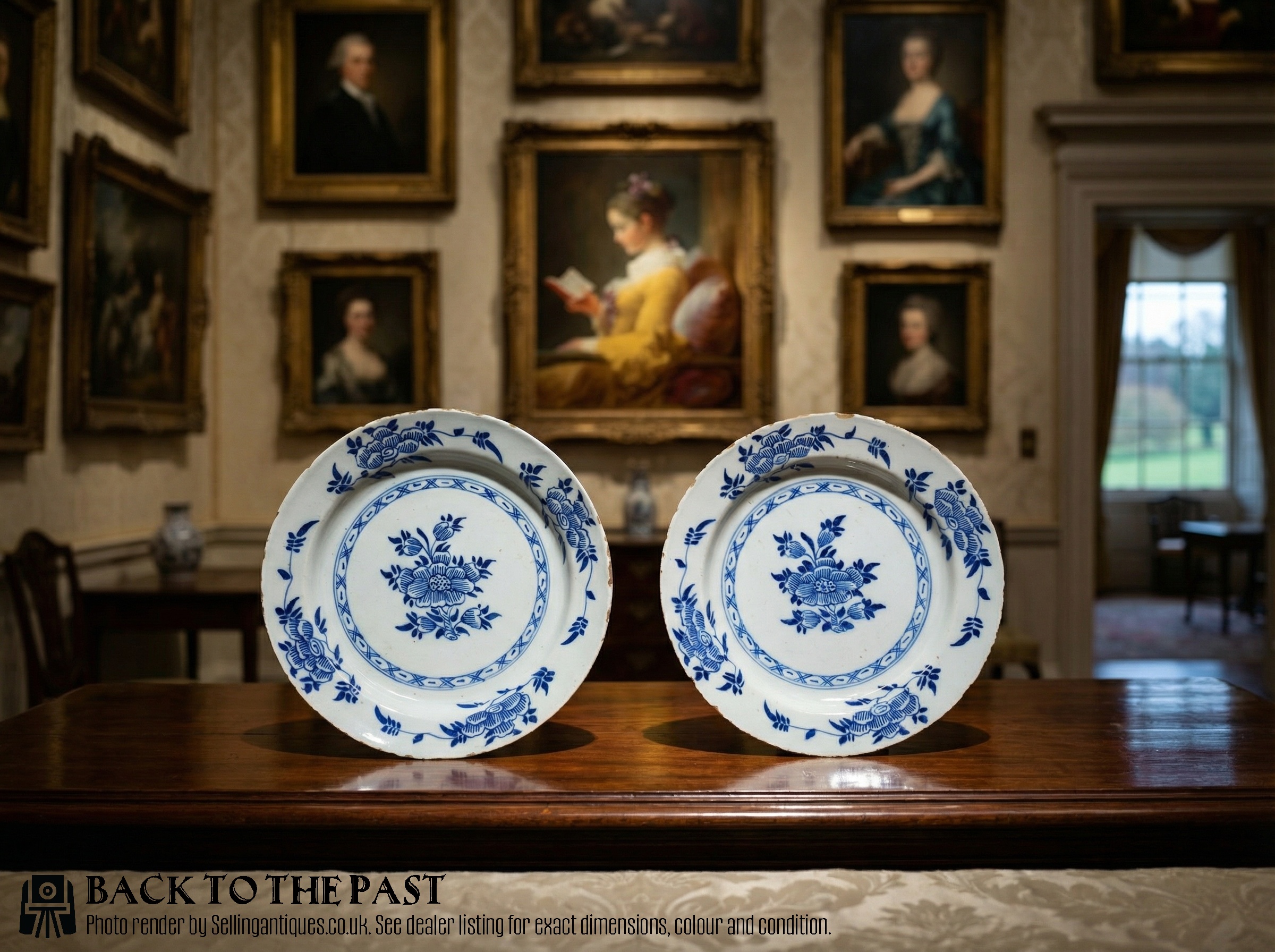
Potters built these pieces using earthenware, soft-paste porcelain or creamware bodies, often coated in tin glazes to create an opaque white surface for painting. Artisans applied cobalt blue, manganese, yellow and enamel pigments by hand directly onto the unfired or fired glaze.
Factories like Worcester and Sèvres formulated soft-paste porcelain mixtures requiring precise kiln temperatures, resulting in translucent bodies suited to intricate scale borders and gilded highlights. Earthenware chargers required dual firings to bond the tin glaze and lock in the polychrome pigments.
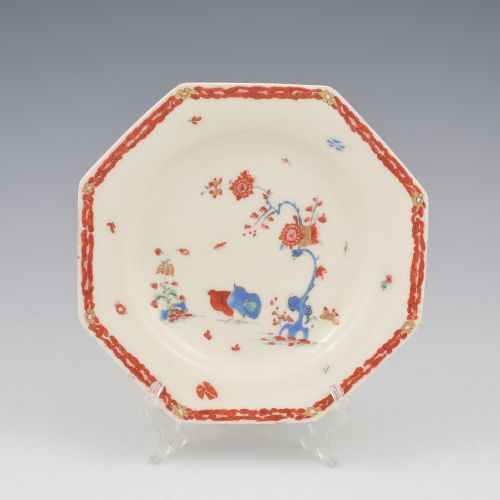
One cheerful plate depicts two quail birds sharing space on an octagonal surface, watching the dining room with steadfast avian calm.
Judging the pieces
Quality rests upon the crispness of the hand-painted brushwork and the stability of the glaze during firing. Superior examples display confident, fluent brushstrokes in botanical or figuro-Chinese designs rather than hesitant or muddied lines.
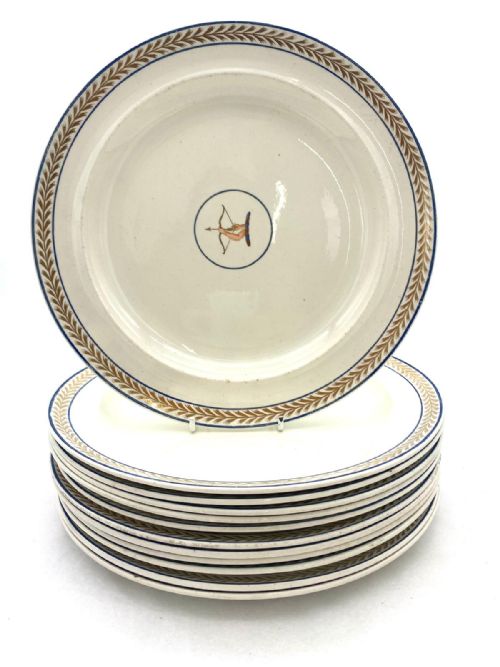
The sophistication of the ceramic body and the precision of the form distinguish fine porcelain and creamware from utilitarian vessels. Armorial crests, documented factory marks and intact ormolu mounts elevate specific service dishes within their group.
Wedgwood·French Sèvres·Meissen·Furstenberg
The 18th Century Ceramic Plates Glossary
- Charger
- A large decorative or serving plate, typically measuring over thirty centimetres in diameter, often displayed on walls or dresser backs during the period.
- Tin-Glazed Earthenware
- Pottery covered with a tin oxide glaze that turns white and opaque upon firing, providing an absorbent surface for painted decoration.
- Soft-Paste Porcelain
- An artificial porcelain composition made from white clay, glass frit and ground minerals, fired at lower temperatures than hard-paste porcelain.
- Creamware
- A refined earthenware developed in England during the eighteenth century, characterised by a warm cream-coloured lead glaze and lighter body.
- Chinoiserie
- European interpretations of Chinese artistic motifs and styles, frequently found on eighteenth-century delftware and porcelain plates.
18th Century Ceramic Plates: Frequently Asked Questions
Were these plates used for dining?
Many of these items served practical functions at elite dining tables, holding soups, meats, desserts and puddings.
Larger chargers often functioned as presentation pieces or base plates beneath smaller course vessels rather than direct contact surfaces for food.
How do I hang a charger safely?
Displaying chargers on walls requires specialised brass spring hangers that distribute weight evenly across the rim without causing stress fractures in the earthenware body.
Avoid wire clips that grip too tightly or adhesives that bond permanently to the historic tin glaze on the reverse.
What does armorial mean on plates?
Armorial plates feature hand-painted family crests, coats of arms or heraldic symbols commissioned by wealthy patrons for their private dining services.
These bespoke dinner sets were typically ordered from Chinese export workshops or European factories to display lineage and social status.