



18th Century Blue White Charger
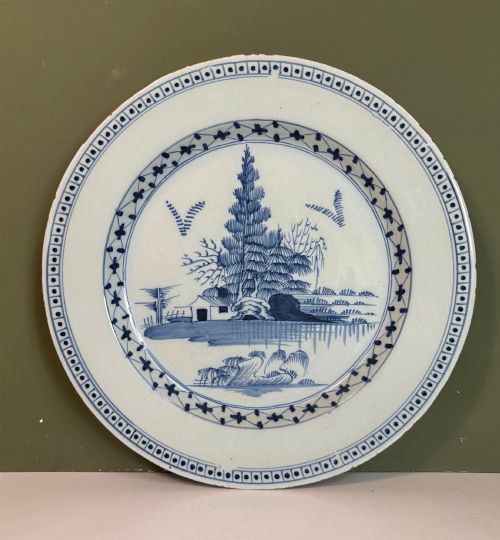
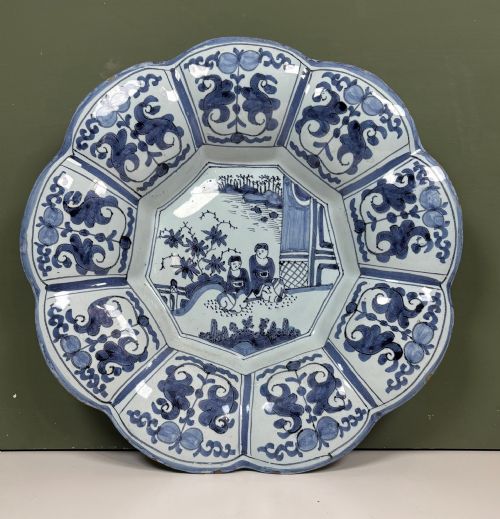
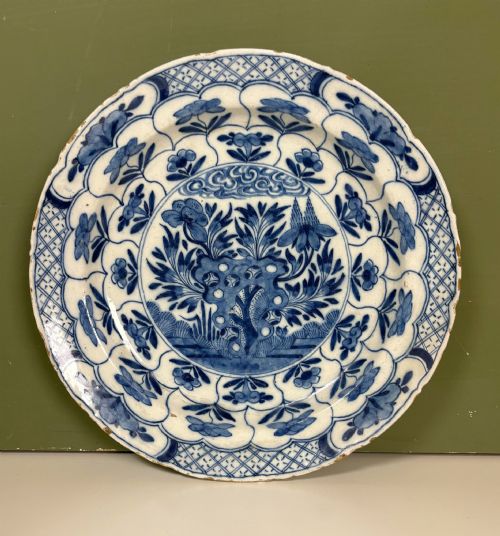
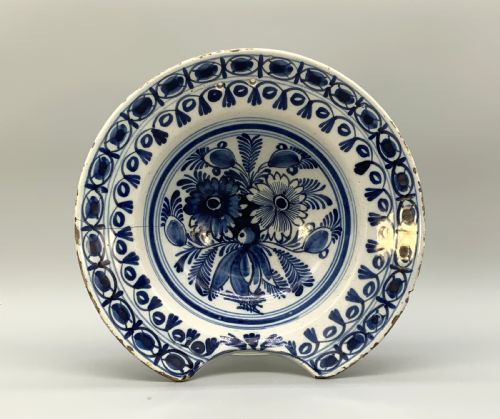
An 18th century blue white charger is a large tin-glazed earthenware or porcelain wall or table dish that brings striking cobalt pigment painting into a room.
18th Century Blue White Charger
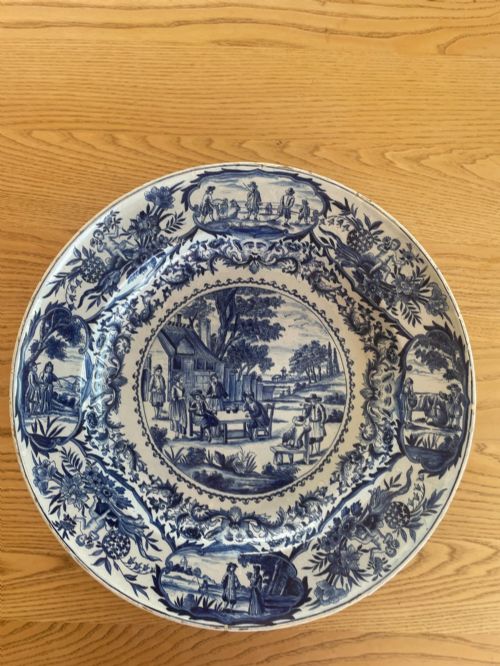
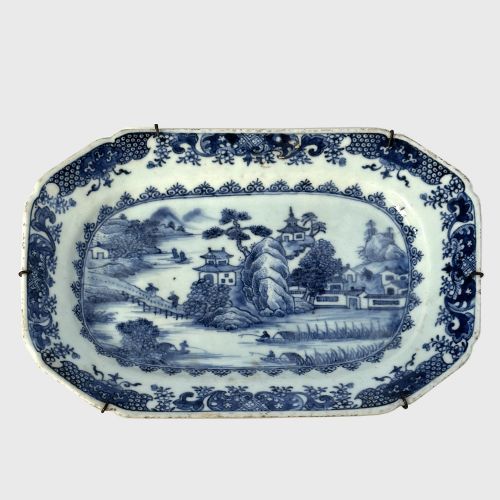
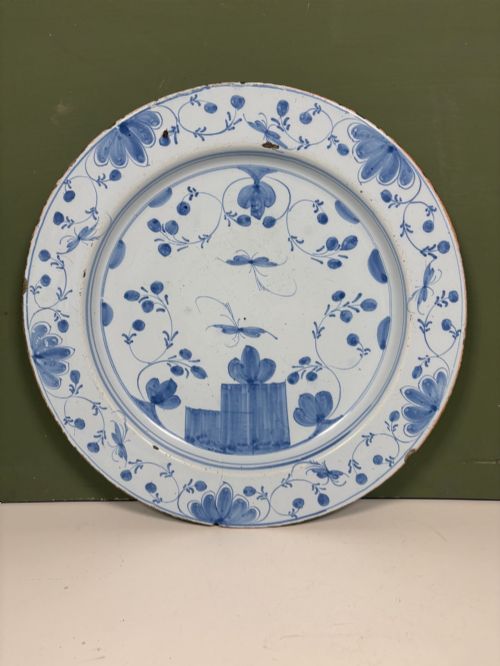
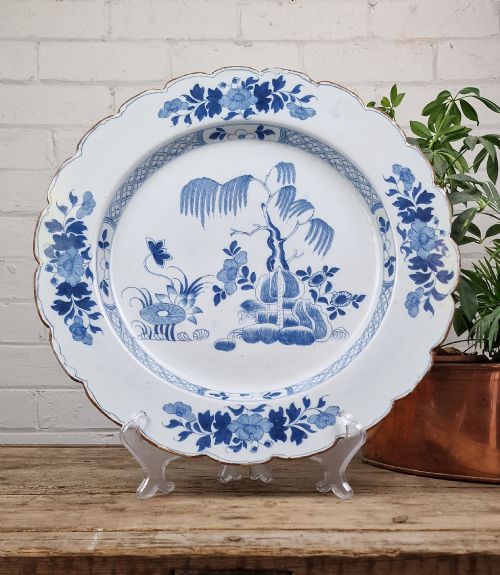
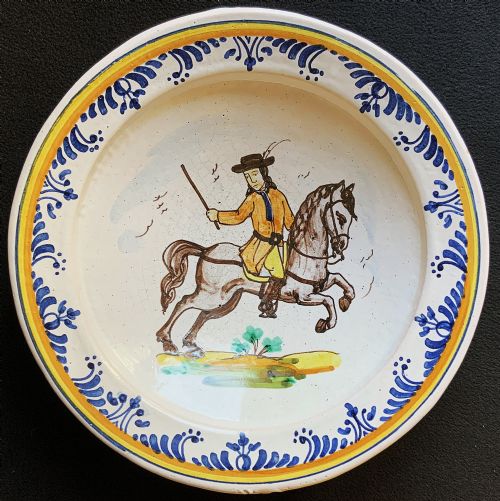
When searching for an 18th century blue white charger, a buyer encounters substantial round display vessels spanning English, Dutch, and Chinese export origins. The forms vary from broad decorative chargers and plates to specific serving dishes and shallow bowls originating across the eighteenth century.
The most common examples met on this page are Dutch and English delftware chargers finished in tin glaze and painted with cobalt blue motifs. These pieces range from early eighteenth century specimens to later Georgian examples featuring Chinoiserie scenes, floral arrangements, or birds.
How they were made
Makers shaped earthenware and porcelain bodies before applying an opaque tin glaze containing metallic oxides to create a smooth white canvas for painting. Artisans then brushed cobalt pigment directly onto the unfired or raw glaze, absorbing the mineral into the surface during high temperature kiln firings.
Porcelain variants from Chinese export and Japanese Arita production utilised fine-grained clays fired at intense heat to achieve vitrified, resonant bodies impervious to moisture. Earthenware delft production relied instead on softer paste bodies coated in tin glaze, which yielded a characteristic opaque finish prone to surface chipping along the rims.
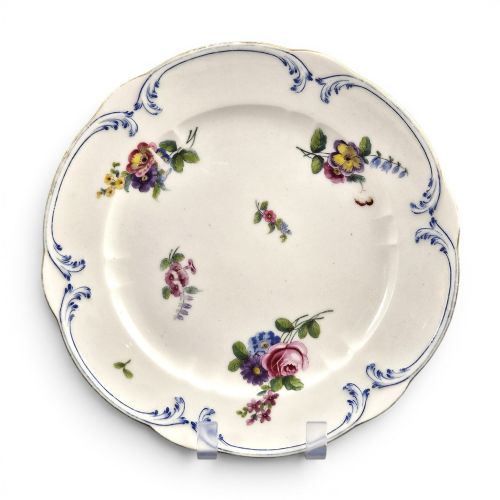
Listings feature eighteenth-century earthenware, tin-glazed ceramics, soft-paste porcelain, and hard-paste porcelain from English, Dutch, French, Chinese, and Japanese origins.
What varies in quality
The distinction between ordinary and superior pieces rests on the confidence and dexterity of the brushwork applied to the tin glaze. Controlled cobalt painting with sharp outlines and deep tonal variation separates master potter work from hasty, blurred workshop output.
Surface preservation and glaze stability dictate the standing of individual chargers. Examples retaining a lustrous, uncracked tin glaze without extensive modern restoration command greater regard among collectors than those marred by heavy glaze flaking or structural fractures.
De Porceleyne Claeuw·Ambroise Michel
The 18th Century Blue White Charger Glossary
- Tin glaze
- An opaque white glaze made by adding tin oxide to a lead glaze base. This formulation provides the absorbent white ground characteristic of European delftware and faience.
- Cobalt pigment
- A metallic oxide colorant that turns deep blue under high kiln temperatures. It remains the primary pigment used for underglaze painting on historical blue and white ceramics.
- Chinoiserie
- European artistic interpretations of Chinese and East Asian decorative motifs. These designs appear frequently on eighteenth-century delft chargers and export porcelain.
- Delftware
- Tin-glazed earthenware manufactured in the Netherlands and England during the seventeenth and eighteenth centuries. The body consists of buff or pinkish earthenware covered in a white tin enamel.
18th Century Blue White Charger: Frequently Asked Questions
What is an 18th century blue white charger?
An 18th century blue white charger is a large decorative ceramic plate or shallow dish produced during the seventeen-hundreds, painted in cobalt blue upon a white background.
These pieces were primarily intended for display on sideboards or walls rather than daily dining service, showcasing hand-painted landscapes, florals, or figurative scenes.
How were these chargers used originally?
Historical households utilised large chargers for formal table presentation of food or as decorative ornaments displayed on dresser plates and walls.
Wealthy interiors often mounted these blue and white dishes in rows to highlight imported Chinese porcelain or local delftware craftsmanship.
How should I care for an antique charger?
Antique chargers require gentle handling and stable indoor environments away from direct sunlight and excessive humidity fluctuations.
Display these tin-glazed earthenware pieces using secure wall hangers or padded plate stands to prevent rim damage and preserve the fragile glaze surface.