

18th Century Artwork Canvas
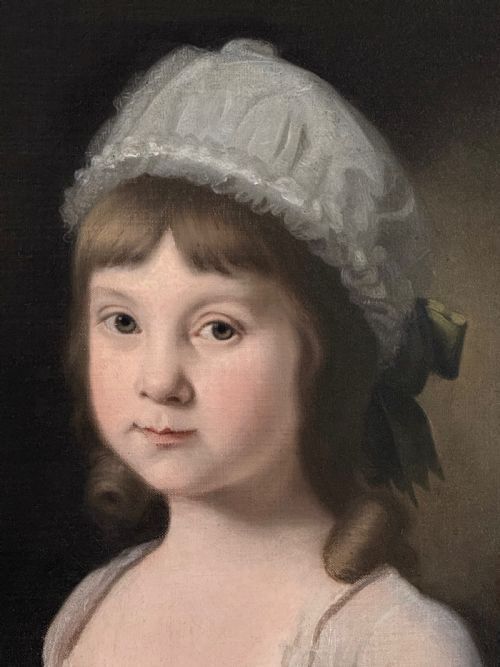
When you search for 18th century artwork canvas, you are looking at oil paintings stretched over canvas from the 18th century and related periods, prized for their historical portraiture and classical subjects.
18th Century Artwork Canvas
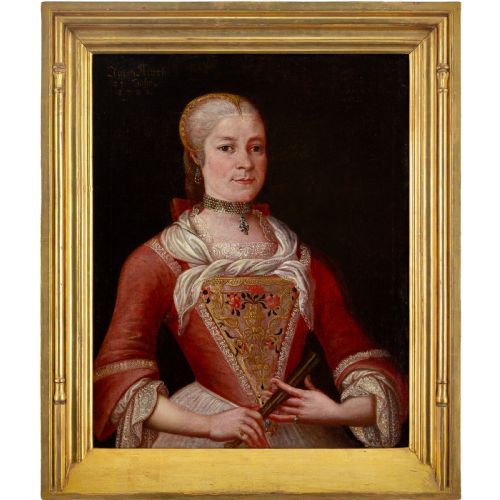
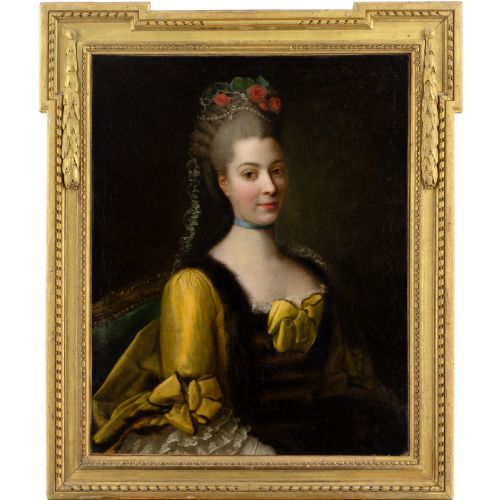
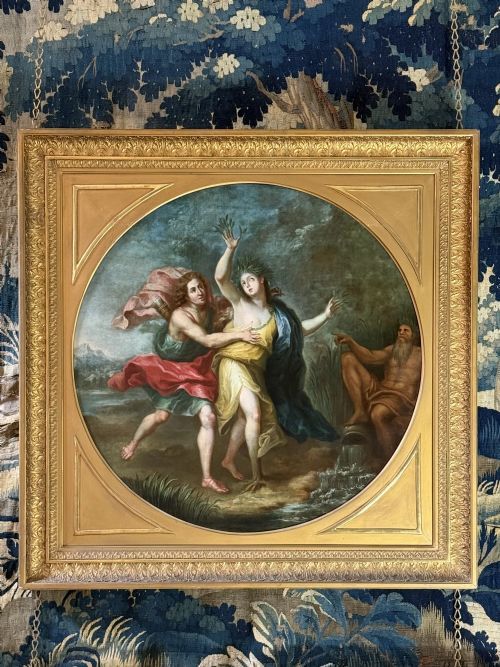
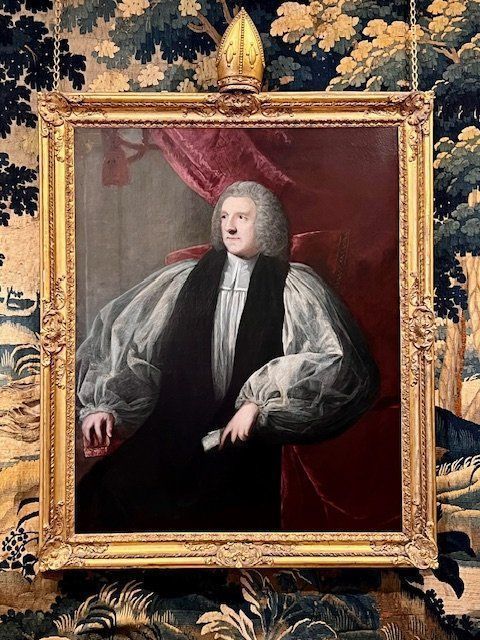
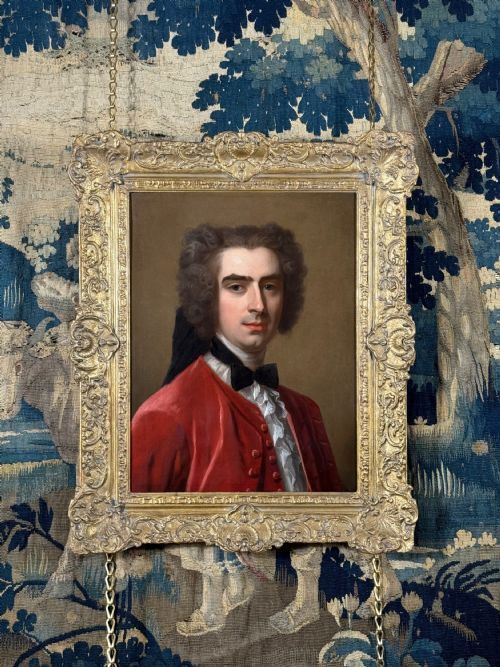
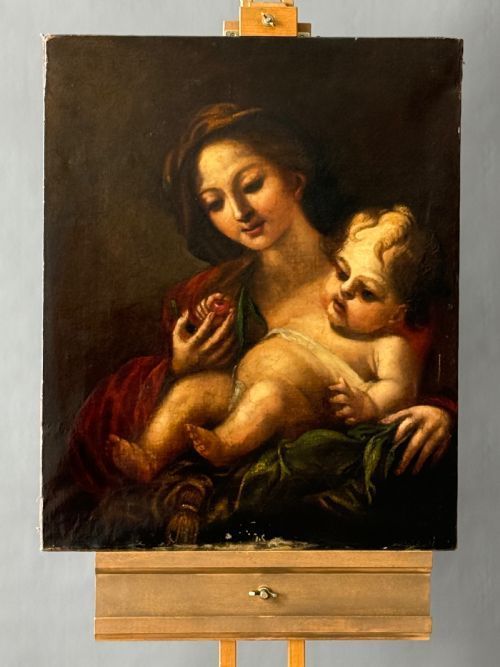
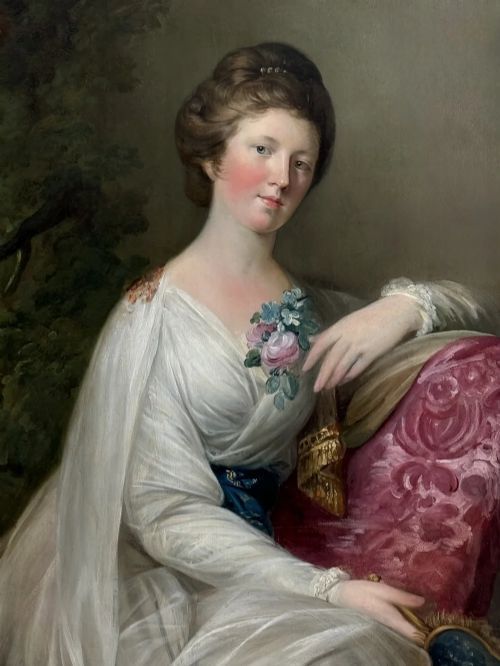
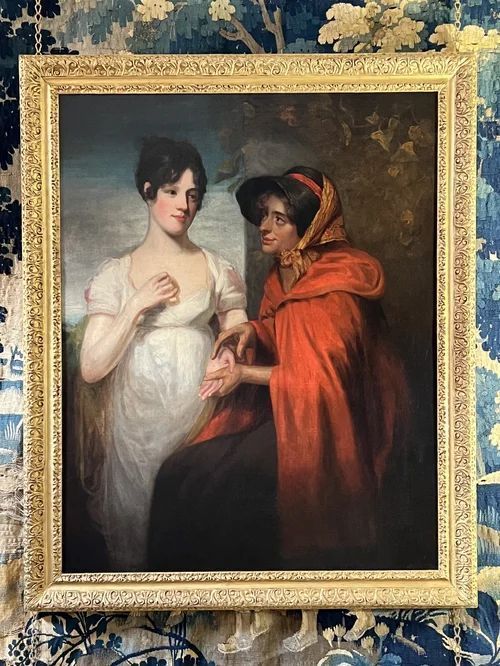
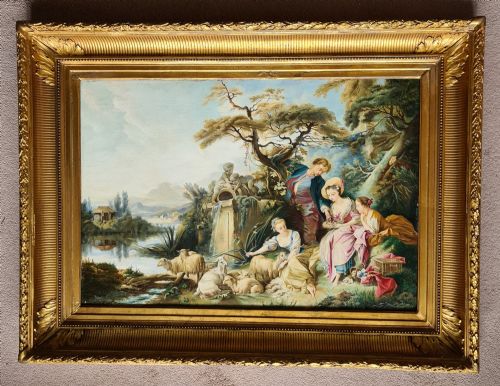
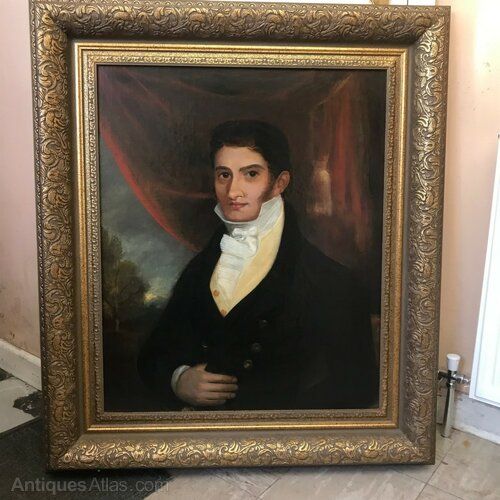
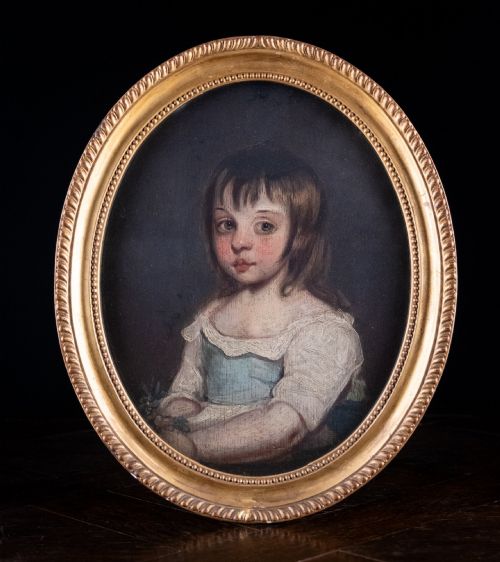
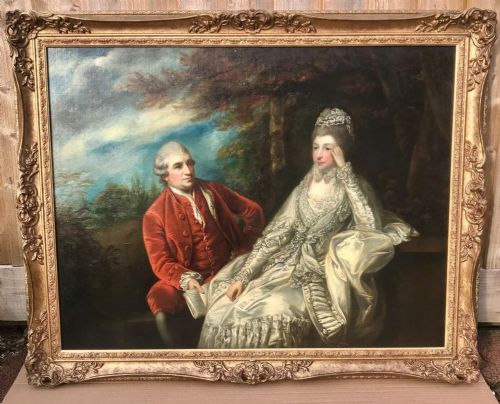
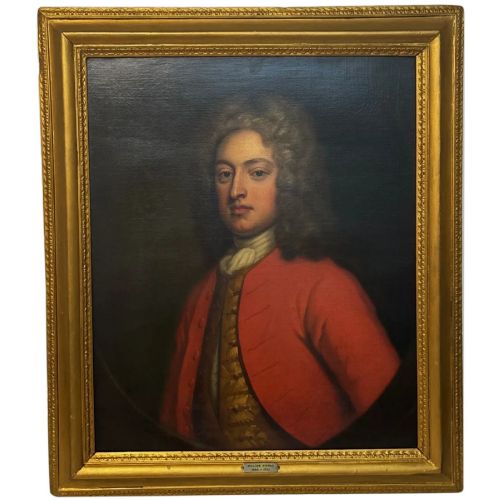
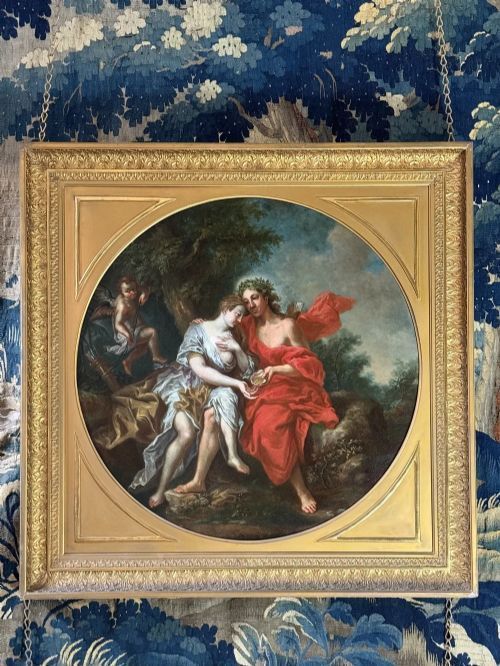
Buyers searching for 18th century artwork canvas encounter a diverse selection of oil paintings, fine art, and wall art spanning the 17th, 18th, and 19th centuries. These works include portraits of gentlemen and ladies, classical mythologies, landscapes, and genre scenes created by European schools.
The most common pieces met on this page are oil paintings on canvas, frequently housed in period frames such as giltwood or gilt wood. Subjects range from individual portraits by named artists to anonymous regional school depictions of landscapes and religious figures.
How They Were Made
These works utilise oil paint applied to stretched canvas supports, a method that allowed artists to build rich layers of colour and fine detail. Many canvases are paired with heavy wooden frames enhanced with gold leaf and giltwood finishes.
The creation process involved skilled brushwork characteristic of Baroque, Rococo, and classical stylistic traditions across British, French, Italian, and German schools.
Sir Robert Walpole makes an appearance as Britain's first Prime Minister, captured in paint by the studio of Jean Baptiste Van Loo.
What Varies in Quality
The degree of artistic execution separates pieces at different levels, distinguishing studio works and named masters from routine regional school output. Handling of light, fabric textures, and facial expression demonstrates the underlying skill of the painter.
Condition and originality also dictate the standard of a piece, including the preservation of the original oil paint layer and the compatibility of the period frame with the canvas.
Charles-Antoine Coypel·Sir Joshua Reynolds·Jean-Baptiste Van Loo·George Willison·John Opie·Francois Boucher·Benjamin Barker of Bath·Robert Byng·Sir William Beechey·Jacob Philipp Hackert·Charles Jervas·Francis Hayman·Joseph Vivienne·Jeremiah Davison
The 18th Century Artwork Canvas Glossary
- Oil on Canvas
- A painting medium where pigments are suspended in a drying oil, applied to a woven fabric support stretched across a wooden frame. This technique became the standard for fine art portraits and landscapes.
- Giltwood
- Wood carved and coated with a thin layer of gold leaf or gilt paint used for picture frames. It provides a reflective, decorative border that complements historical paintings.
- Old Master
- A term for a European artist of high skill working before about eighteen hundred. These painters produced the historical and religious canvases often seen in classical collections.
- Grand Tour
- A traditional trip through Europe undertaken by upper-class young men for educational and cultural purposes. Paintings from this context typically record Italian landscapes and classical antiquities.
- Genre Painting
- The pictorial representation of scenes from everyday life involving ordinary people. These works depict activities like riverside conversations or market scenes rather than formal portraits.
18th Century Artwork Canvas: Frequently Asked Questions
What is an 18th century artwork canvas?
An 18th century artwork canvas is an oil painting created on a fabric support during the 1700s or associated artistic periods. These pieces include formal portraits, landscapes, and classical scenes.
They reflect the aesthetic values and painting techniques of European schools from that era, preserved on their original woven supports.
How were these oil paintings framed?
Many of these historical paintings are housed in period frames constructed from wood and finished with gold leaf or giltwood. These ornate borders were designed to complement the artwork and display it properly.
Frames often feature carved details that correspond to the decorative style of the painting's period.
How do I live with an antique canvas?
Living with an antique canvas involves hanging the piece away from direct sunlight and maintaining stable indoor humidity levels to protect the oil paint and canvas. Proper placement prevents the organic materials from drying out or cracking.
Pairing the artwork with a compatible interior setting allows the historical character of the piece to anchor a room.
How can I tell periods apart?
Distinguishing periods relies on observing stylistic markers such as clothing fashions in portraits, the treatment of landscape backgrounds, and the application of pigment. Baroque and Rococo works show different compositional dynamics compared to later classical examples.
Frame construction and canvas preparation techniques also offer physical clues to the age of the item.