

Antique Child Portrait Artwork
Antique child portrait artwork brings centuries of youthful character into a room through oil, pastel, print, and silhouette.
Antique Child Portrait Artwork
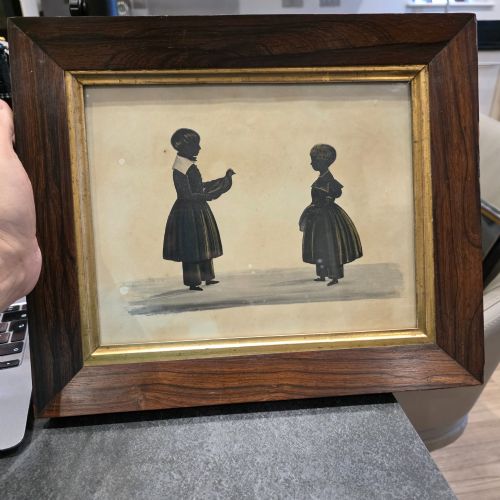
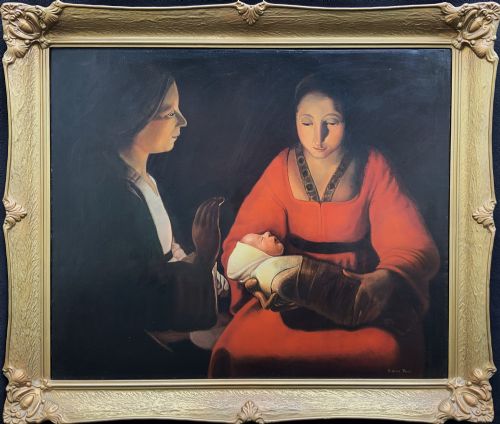
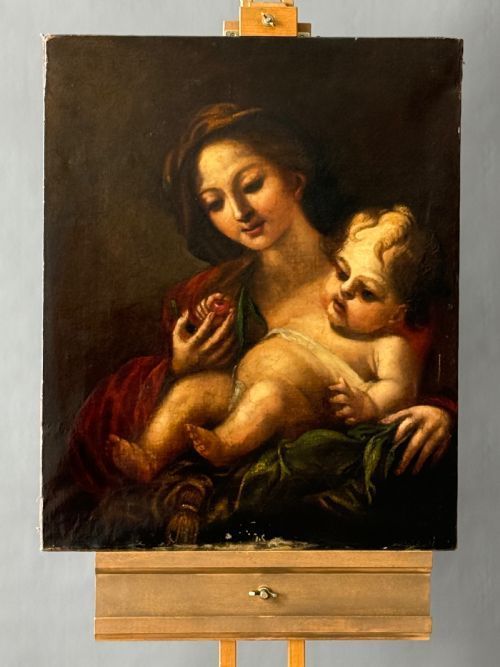
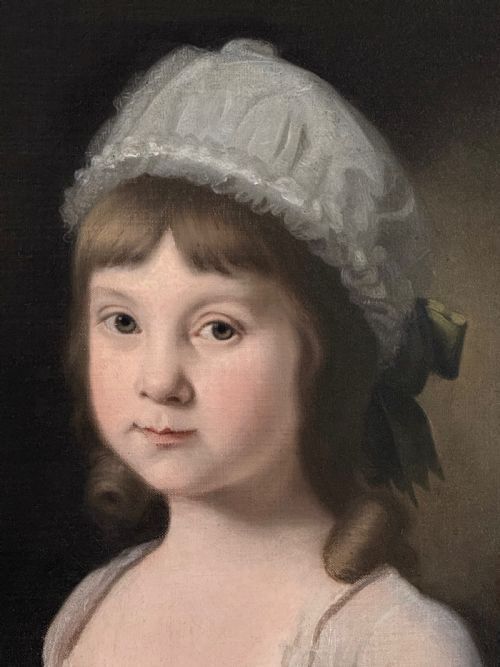
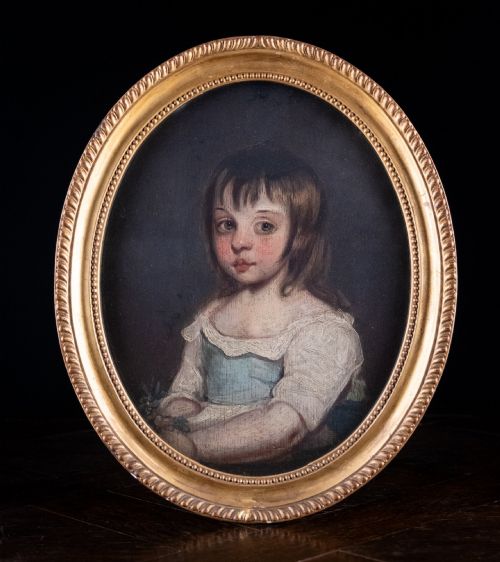
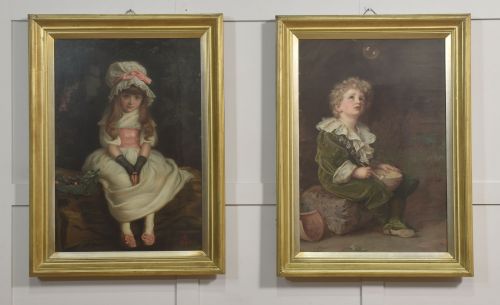
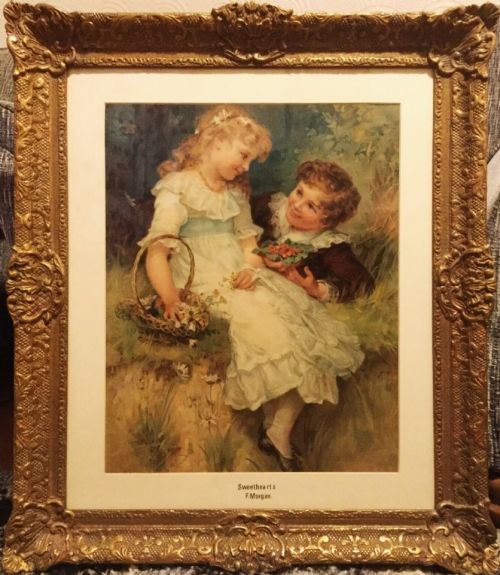
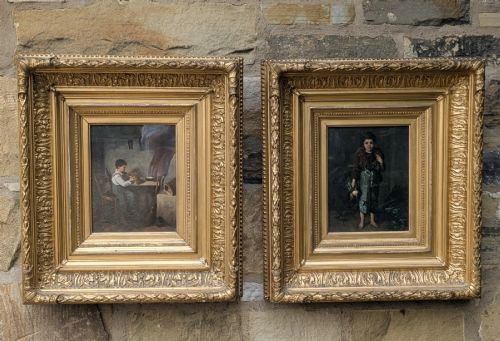
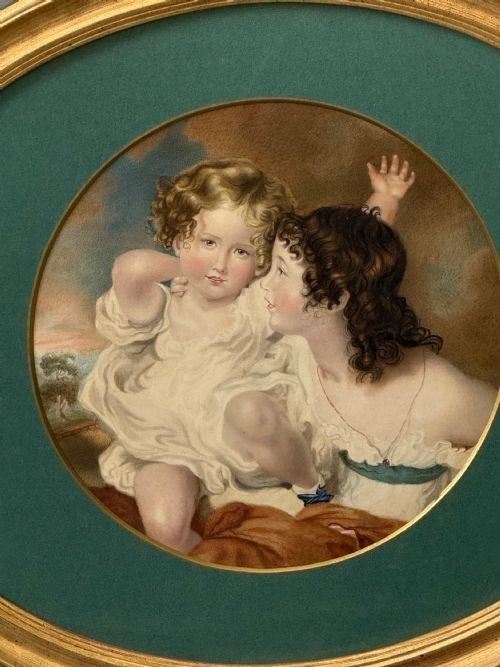
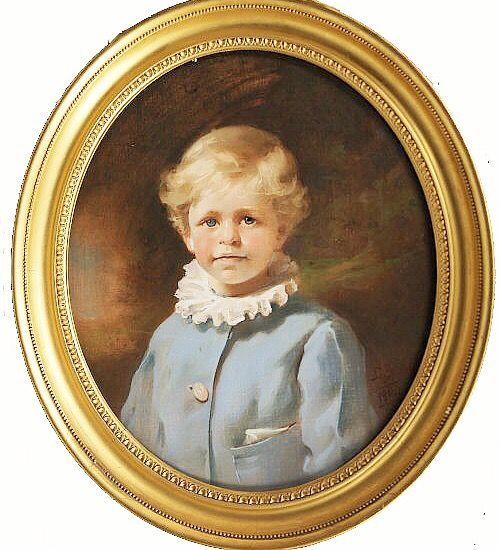
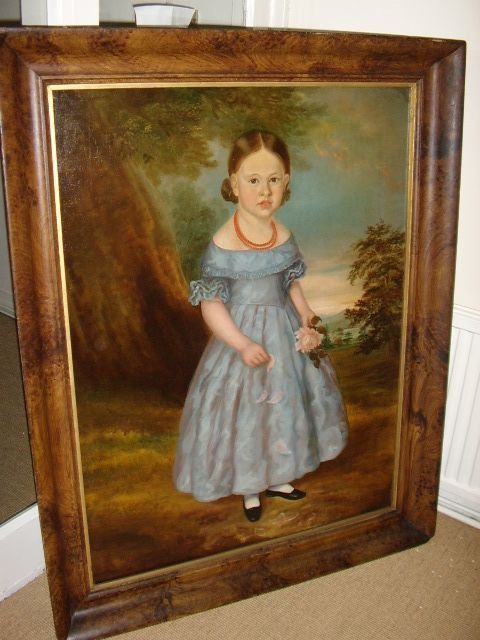
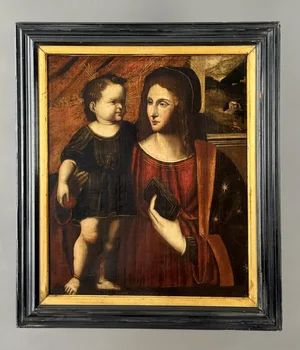
When you search for antique child portrait artwork, you encounter depictions ranging from 16th century religious representations of the Virgin and Child to 19th century depictions of young boys and girls in oils, watercolours, and pastels.
The pieces on this page span several eras including Georgian, Regency, Victorian, and Edwardian periods, featuring both formal studio paintings and folk art representations.
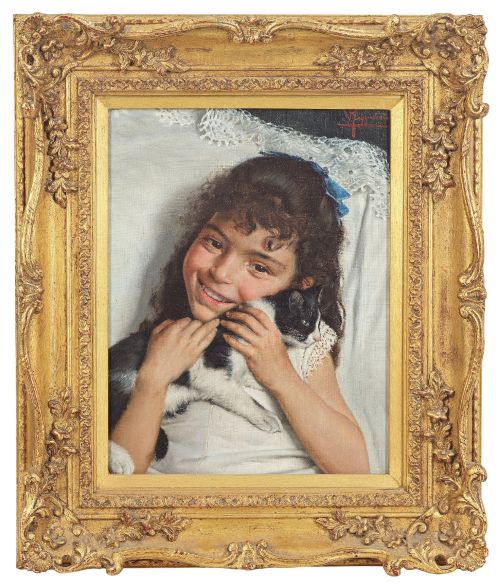
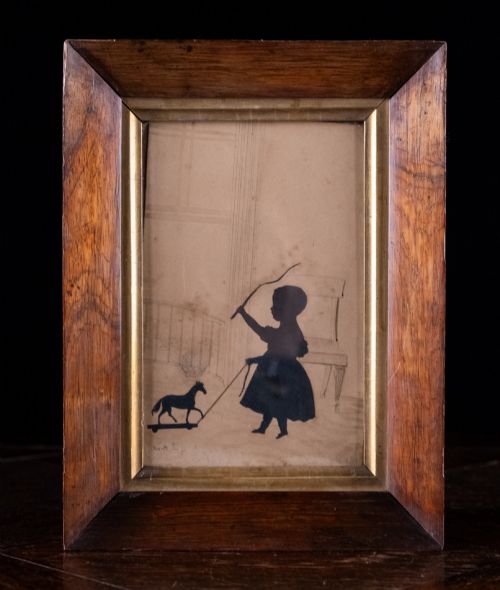
You are most likely to meet 19th century oil paintings, framed prints, and silhouette studies that capture children alongside pets, toys, or siblings.
Materials and Techniques
Artists relied primarily on oil on canvas, delicate pastel and gouache, watercolour on paper, and graphite, often housing the finished pieces in period wood, giltwood, or rosewood frames.
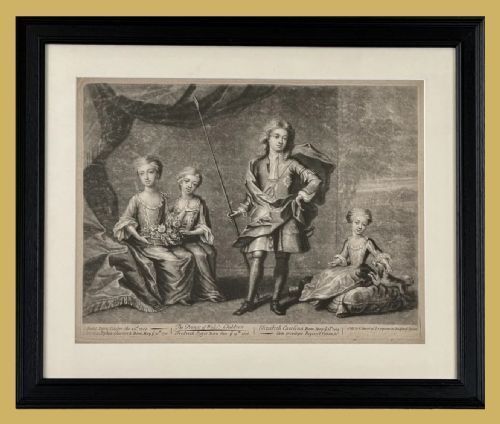
Printmakers utilised mezzotint and engraving techniques to reproduce famous works, while silhouette artists cut paper profiles enhanced with ink or wash details.
Listings span from the 16th century through the Edwardian era, incorporating canvas, paper, glass, and wood.
Evaluating Quality in Child Portraits
Quality rests upon the artist's ability to render the natural expression and anatomy of a child rather than treating the subject as a stiff adult in miniature.
The handling of light, particularly in oil paintings and pastels, separates standard decorative works from pieces demonstrating accomplished draftsmanship and atmospheric depth.
Joshua Reynolds·Emily Eyres·Vittorio Reggianini·Augustin Edouart·Adelaïde Salles-Wagner·Adam Buck·John Hoppner·Frederick Tatham
The Antique Child Portrait Artwork Glossary
- Mezzotint
- A printmaking process of the intaglio family where the plate is roughened to achieve rich tonal gradations. This technique allowed printmakers to translate painted portraits of children into velvety monochrome prints.
- Silhouette
- A solid shape of a person's profile cut from black paper or painted onto a pale ground. These shadow portraits gained immense popularity during the Georgian and Regency periods.
- Pastel
- A medium consisting of powdered pigment and a binder rolled into sticks. Artists valued it for the soft skin tones and immediate textures it lent to youth portraiture.
- Giltwood
- Wood that has been coated with a thin layer of gold leaf or gilt powder. Antique frames treated this way frequently accompany formal oil portraits from the 18th and 19th centuries.
Antique Child Portrait Artwork: Frequently Asked Questions
How were antique child portraits used?
Families commissioned these artworks to record the likenesses of their offspring during specific stages of growth, often displaying them in drawing rooms as statements of lineage and affection.
Printers also produced popular engravings and mezzotints of children for domestic display, allowing wider households to enjoy sentimental and moralistic scenes.
How do I live with antique child art?
These works suit traditional and modern interiors alike, bringing a sense of history and quiet narrative to a hallway, study, or living room wall.
Protect works on paper, pastels, and watercolours from direct sunlight to prevent fading, and ensure oil paintings hang away from excessive temperature fluctuations.
How do I tell periods apart?
Georgian and Regency portraits often feature subjects in neoclassical attire with restrained palettes, whereas Victorian pieces lean toward narrative scenes involving toys, pets, or outdoor play.
Early works from the 16th and 18th centuries frequently carry formal religious iconography or stiffly posed aristocratic children before the rise of more naturalistic romanticism.
What is folk art child portraiture?
Folk art child portraits were produced by itinerant or self-taught painters working outside academy traditions, resulting in charmingly direct and unpretentious representations.
These American and British provincial pieces focus heavily on flat perspective and bold linework rather than academic proportion.