



18th Century Armorial
These pieces carrying an 18th century armorial bring personal heraldry into domestic interiors through painted porcelain, carved wood, and silver.
18th Century Armorial
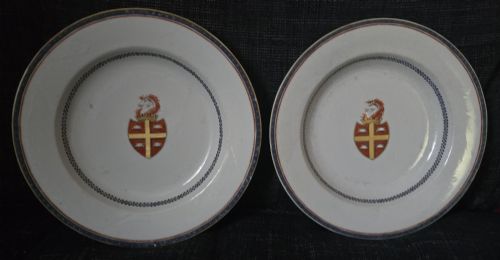
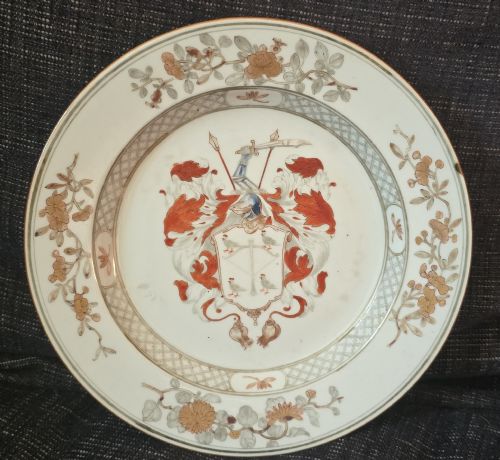
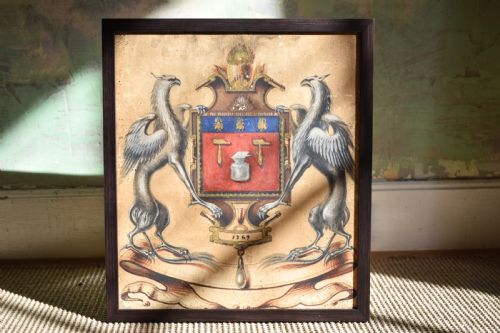
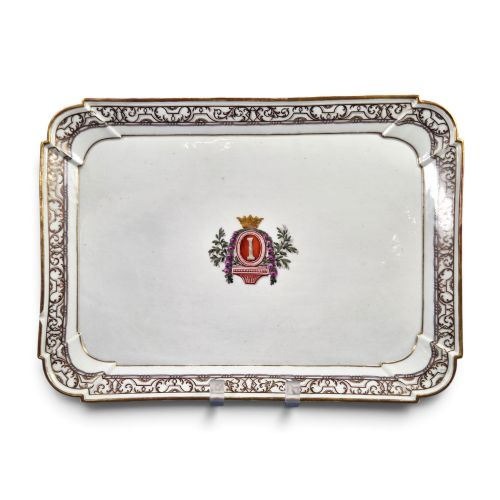
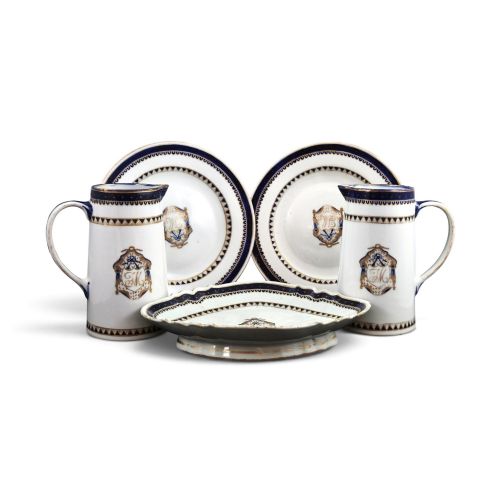
When you search for an 18th century armorial, you encounter items commissioned by families and institutions to display their specific coats of arms, crests, or monograms. These heraldic designs appear across various forms, though Chinese export porcelain plates, dishes, and tea wares dominate the selection.
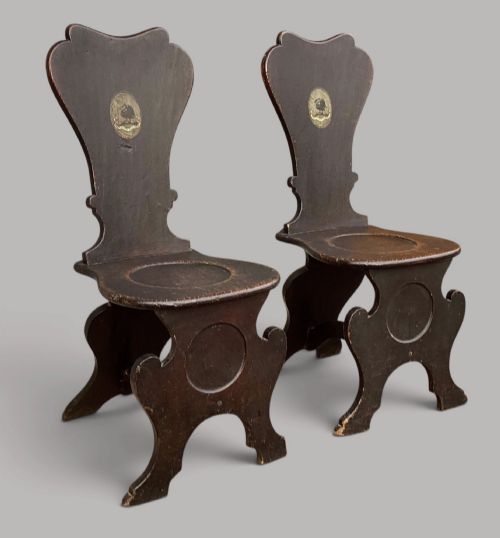
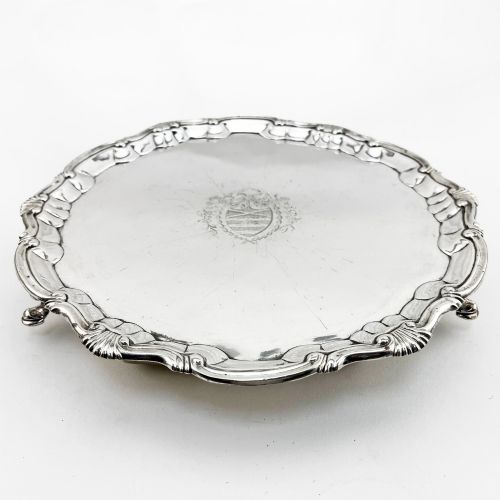
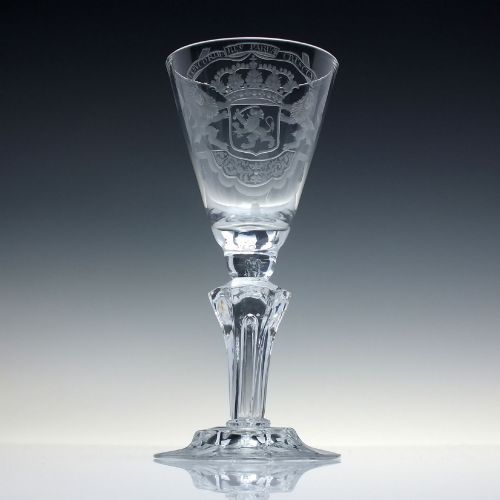
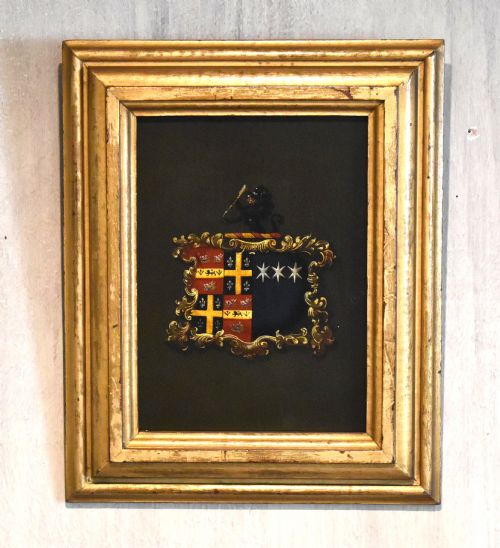
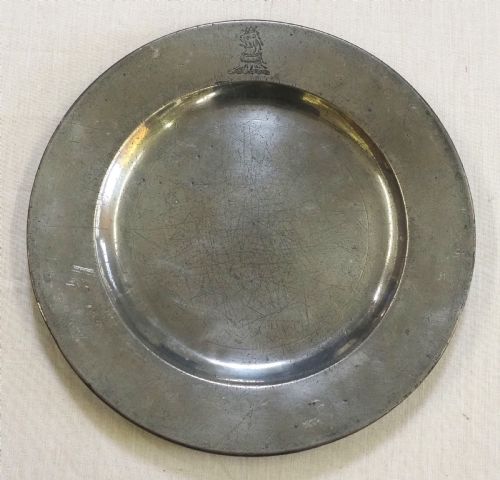
Beyond ceramics, the surviving objects include sterling silver salvers, painted coach panels, carved wooden crests, and desk seals. Each piece records the lineage and identity of its original owner through precise heraldic painting or engraving.
The porcelain examples typically originate from Chinese kilns fulfilling European orders, combining traditional Oriental manufacturing with Western armorial specifications. These pieces span the reigns of the 18th century, reflecting shifting tastes in decoration alongside strict rules of heraldry.
Materials and methods of production
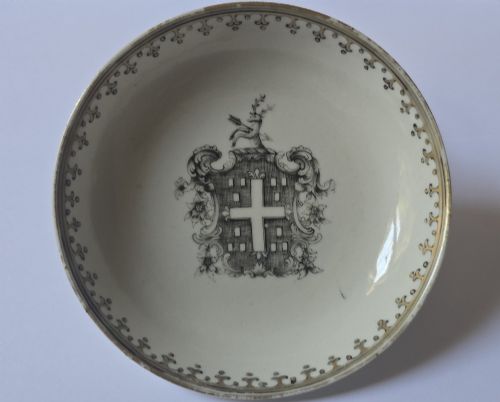
Hard-paste porcelain and enamel form the basis of the ceramic pieces, painted by hand with iron-red, gold leaf, and polychrome pigments. Artisans in Chinese export kilns and European factories applied these coats of arms using detailed brushwork, often incorporating grisaille decoration or famille rose palettes.
Metal items utilise sterling silver, old Sheffield plate, and pewter, shaped through casting, hammering, and engraving. Silversmiths rendered heraldic crests onto salvers and castors with sharp gravers, cutting deep lines into the metal surface.
Organic materials such as wood and leather appear in carved armorial panels and hand-painted fire buckets. Carvers utilised polychrome paint and gilding over timber to create dimensional coats of arms for architectural display.
18th Century Armorial Retail Price Guide 2026
Typical asking prices for 18th century armorial among the pieces listed under this phrase on Sellingantiques today, from the lower quarter to the upper quarter. They describe what is for sale here now, not the wider market.
The documented periods range from the early 1700s through the Regency era, covering Chinese export porcelain alongside British silver and ceramics.
Distinctions in execution and heritage
The standard of an armorial piece rests upon the precision of the heraldic painting and the crispness of the surrounding decoration. Finer ceramic examples display sharply defined coats of arms with accurate tincture representations, whereas simpler items show looser brushwork.
Provenance and documentation dictate the significance of individual pieces within this category. Items linked to identifiable families, such as the Norris or Redman families, carry stronger historical context than those bearing generic monograms.
The material integrity and survival of the original surface finish influence the standing of each object. Silver salvers with unpolished, crisp engraving and porcelain with intact enamel and gilding retain their original decorative intent more completely.
James Spackman·Thomas Pritchard·John Hillery MacNamara·Matthew Boulton·Duesbury Derby
The 18th Century Armorial Glossary
- Armorial
- A design consisting of a coat of arms or heraldic bearings. These symbols identified specific families, noble houses, or corporate bodies.
- Crest
- The specific component of a coat of arms positioned above the helm or shield. It frequently appears alone on smaller items like silver plate or intaglio seals.
- Famille rose
- A palette of opaque enamel colours dominated by pink or rose, introduced to Chinese porcelain during the Qing dynasty. This technique allowed for nuanced shading in armorial renderings.
- Grisaille
- A method of painting executed entirely in shades of grey or neutral monochrome. It appears on porcelain services where colour was restricted or omitted for stylistic effect.
- Salver
- A flat metal plate with a foot, used for serving drinks or presenting items. Georgian silversmiths frequently engraved these trays with central armorial bearings.
- Intaglio
- A gem or seal carved into the surface so that the impression appears in relief. These were pressed into hot wax to seal documents with a family crest.
18th Century Armorial: Frequently Asked Questions
How do you identify the family on an armorial piece?
The heraldic design painted or engraved on the object corresponds to the registered coat of arms of a specific family. Reference books on British and European heraldry match these specific charges, tinctures, and crests to historical lineages.
Matching the arms to a family often reveals the date of the marriage or commission recorded by the heralds.
Were armorial items made only in China?
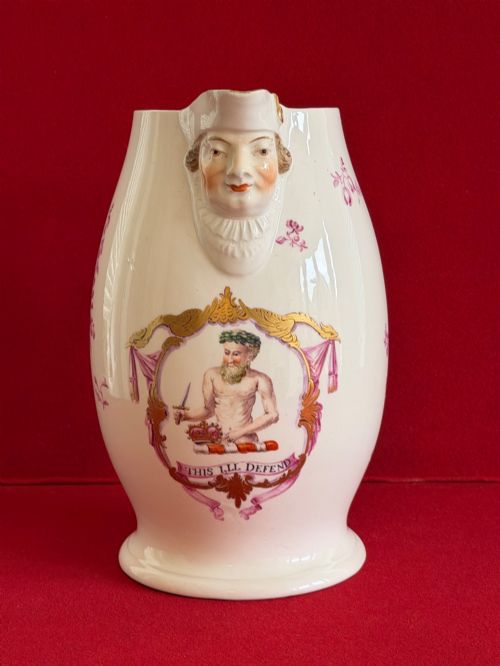
While the majority of 18th-century armorial porcelain was manufactured in China for the European market, domestic factories also produced heraldic items. English and European potteries such as Derby, Ludwigsburg, and various faience workshops painted crests on local earthenware and porcelain.
Silversmiths and pewterers working in Britain and Ireland also produced metalware bearing engraved coats of arms.
How were coach panels used?
Coach panels were wooden boards painted with a family coat of arms and attached to the doors of private horse-drawn carriages. They served as mobile displays of status and identity as the carriage travelled.
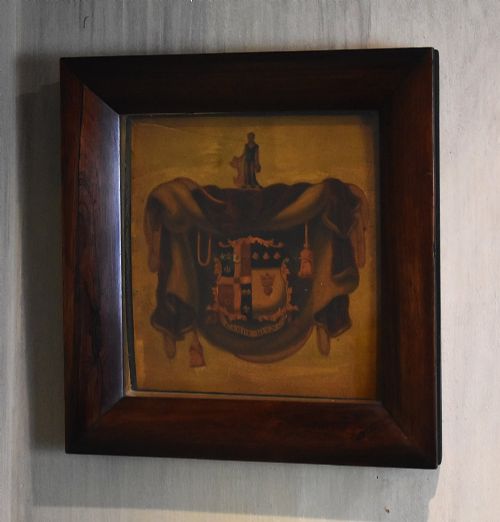
When vehicles were updated or retired, these painted panels were frequently removed and preserved as wall art.