

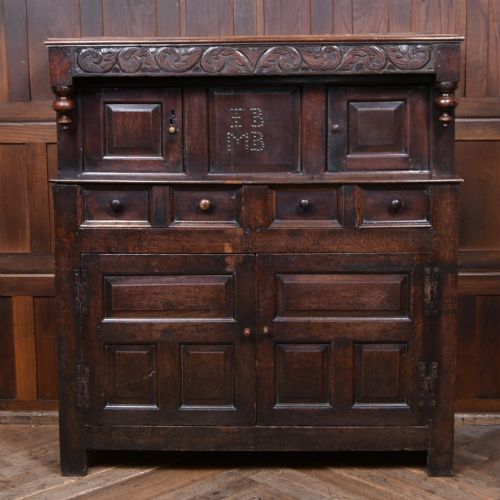

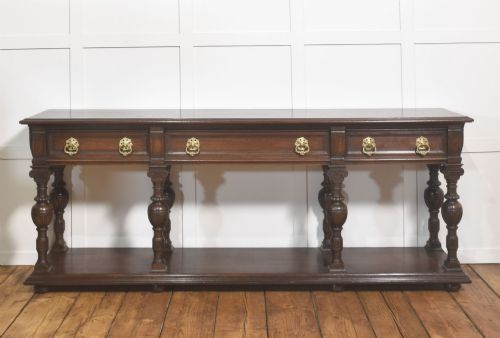


17th Century Oak Sideboard
A 17th century oak sideboard represents the apex of early English cabinet-making, offering robust storage and historic presence to any interior.
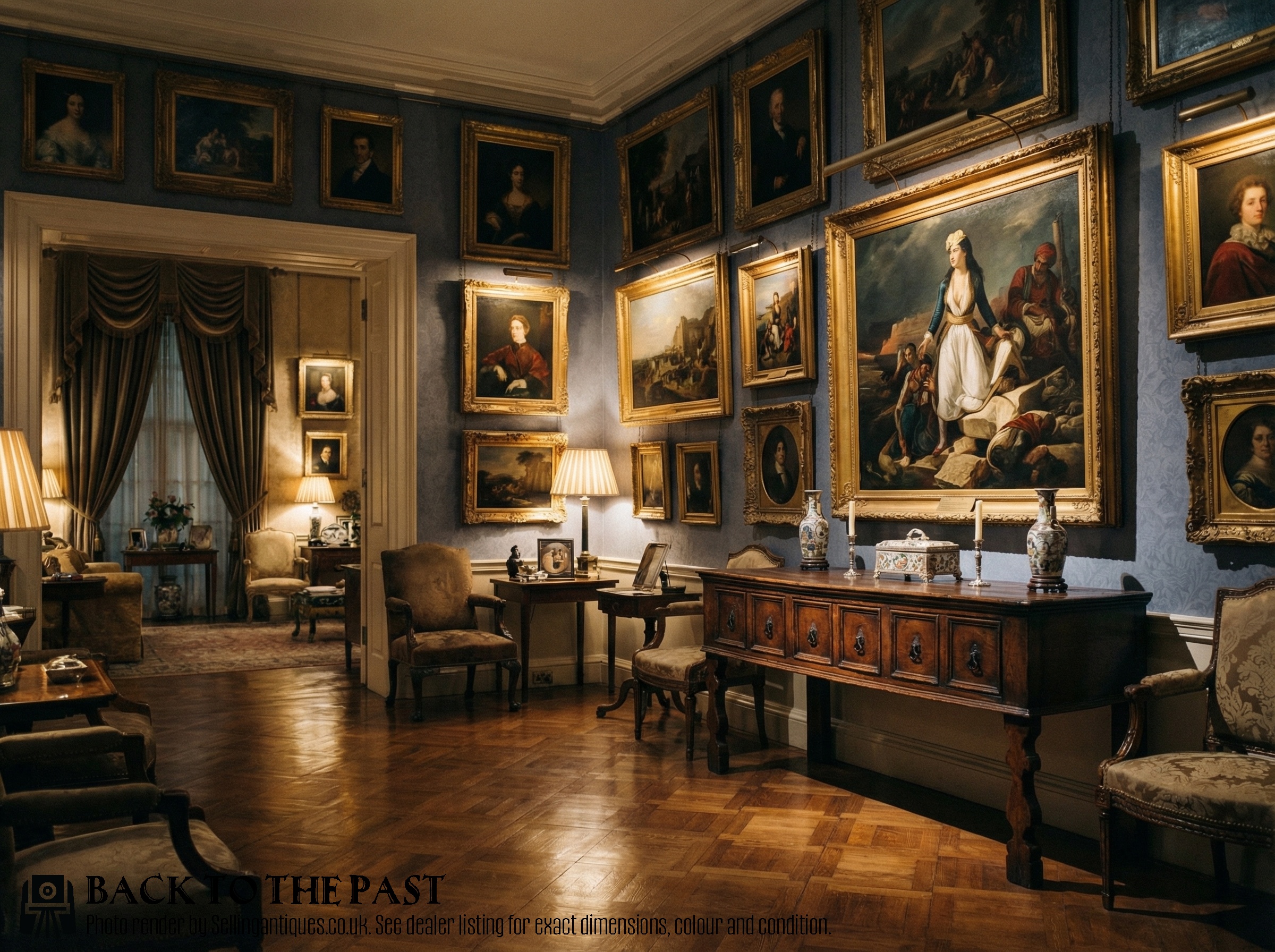
17th Century Oak Sideboard
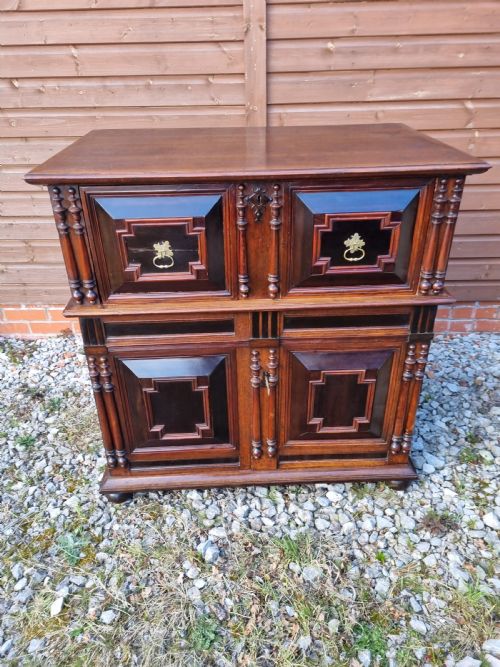
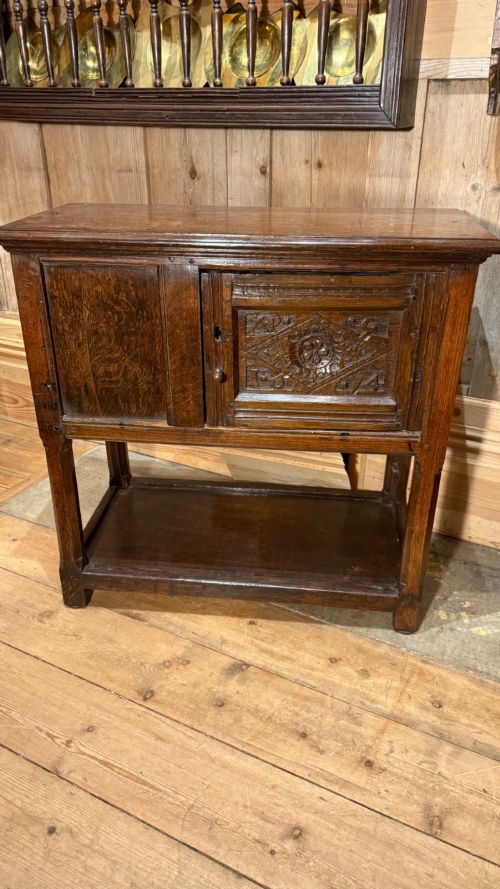
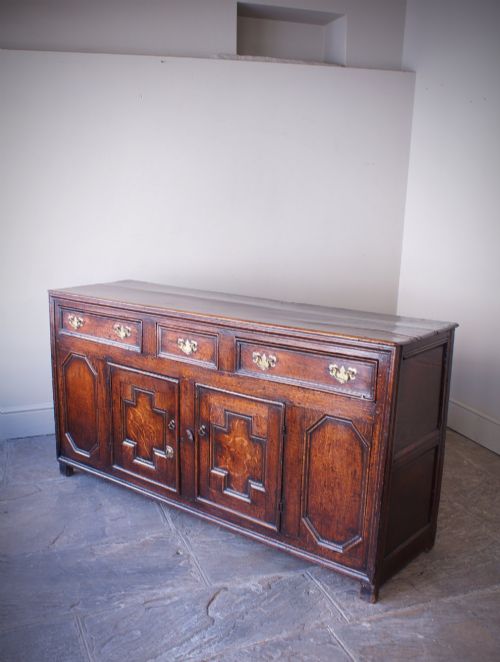
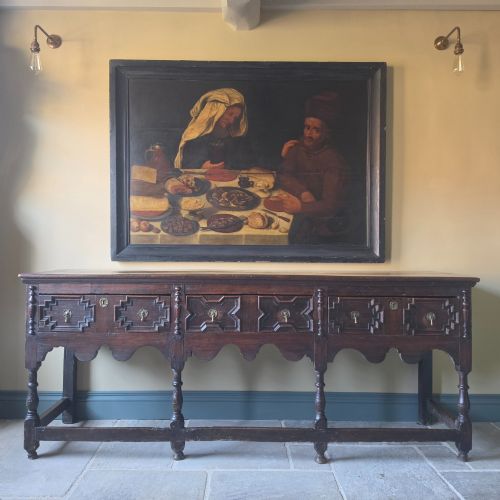
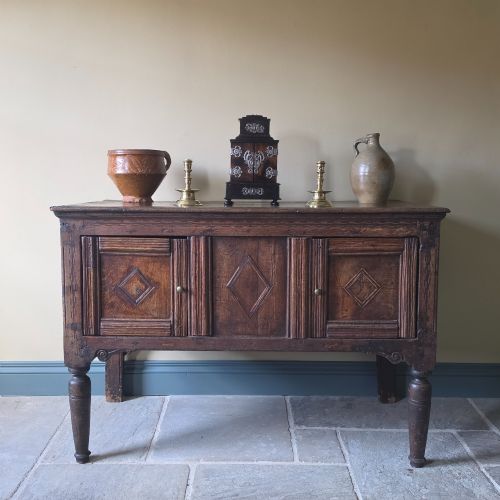
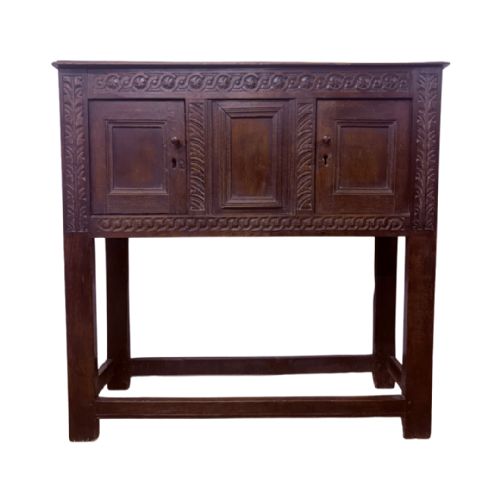
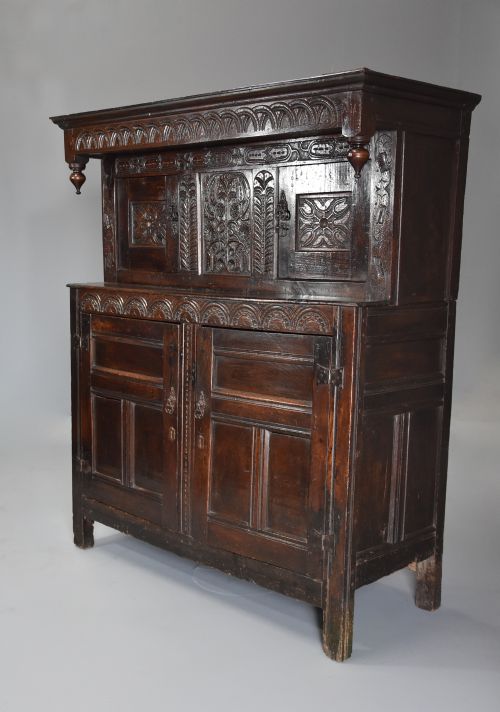
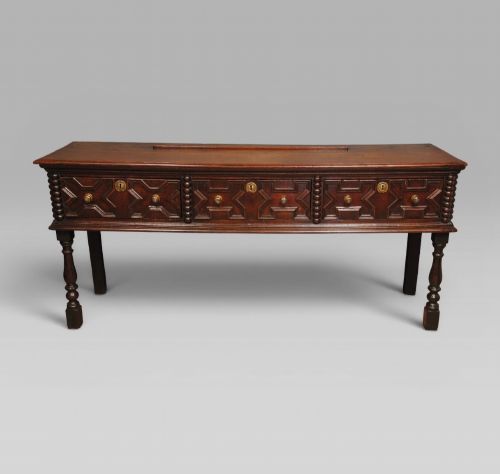
A 17th century oak sideboard encompasses a variety of early storage forms, including dresser bases, court cupboards, press cupboards, and livery cupboards. These heavy timber items served utilitarian functions in domestic spaces before evolving into display and serving furniture.
Buyers encounter both authentic period pieces dating directly from the 1600s and revival pieces produced during the Victorian and Edwardian eras. The surviving inventory balances genuine seventeenth-century examples with later Jacobean style interpretations from the nineteenth and twentieth centuries.
Geographical origins vary across English regions such as Yorkshire and the West Country, alongside continental examples including Spanish and Flemish interpretations. Regional cabinet-makers utilised local hardwoods and traditional framing methods to construct these robust items.
Quality and survival
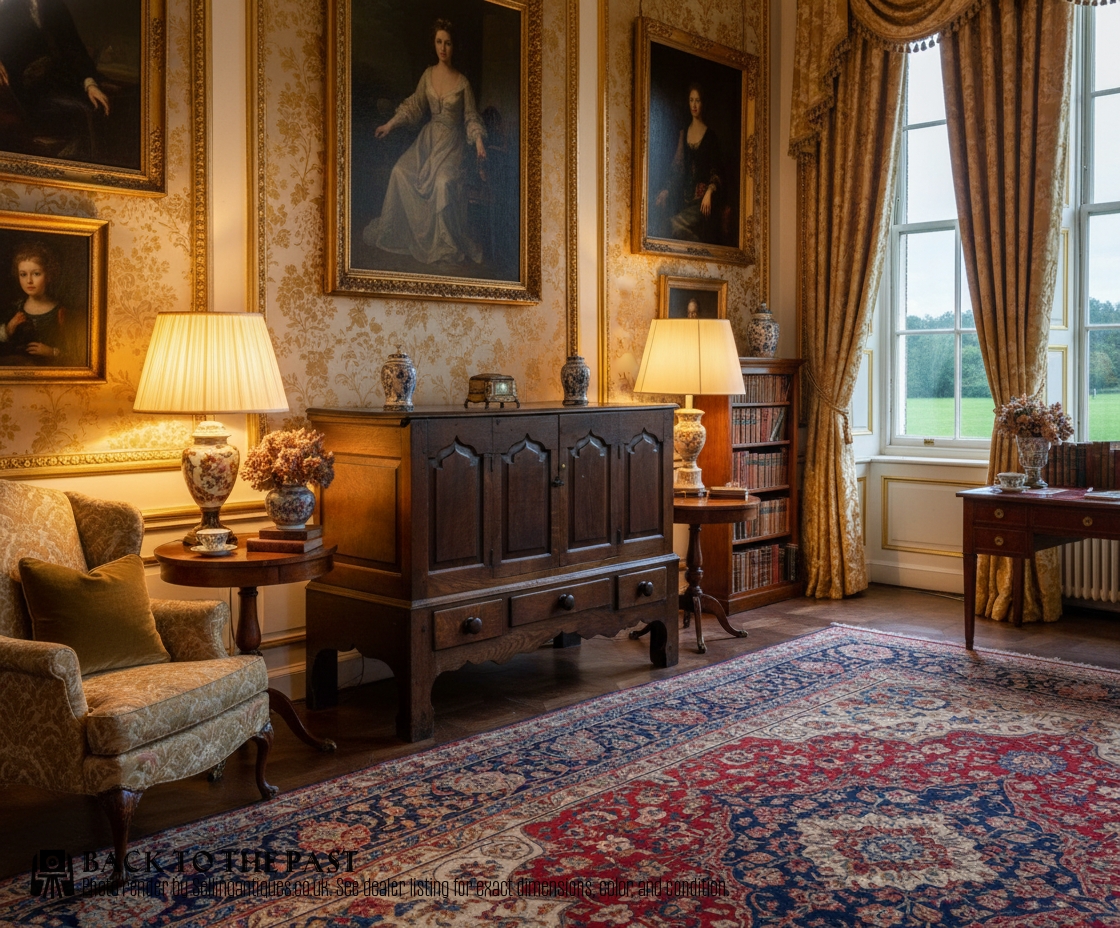
The degree of original survival dictates the standing of an individual piece, separating examples retaining untouched surfaces from those subjected to extensive modern timber replacement. Intact hardware and undisturbed patination elevate the standing of early furniture significantly.
Carving depth and sculptural crispness distinguish standard regional work from exceptional metropolitan or commissioned pieces. Finely executed geometric mouldings and complex joinery reflect the superior competence of the original workshop.
17th Century Oak Sideboard Retail Price Guide 2026
Typical asking prices for 17th century oak sideboard among the pieces listed under this phrase on Sellingantiques today, from the lower quarter to the upper quarter. They describe what is for sale here now, not the wider market.
Materials span native English oak and painted surfaces alongside decorative highlights in fruitwood and snakewood.
The 17th Century Oak Sideboard Glossary
- Court cupboard
- A heavy two-tier storage piece used for displaying plate and storing provisions. The upper section is typically recessed behind carved pillars.
- Dresser base
- A low wooden sideboard fitted with rows of drawers beneath a flat top. These forms functioned primarily for food preparation and serving.
- Joined construction
- A framework technique utilising pegged mortise and tenon joints. This method provides structural stability without relying on iron nails.
- Patina
- The deep surface sheen and coloration developed through age, light exposure, and polishing. It serves as an indicator of genuine antiquity.
- Livery cupboard
- A ventilated cabinet designed for storing rations and food supplies. The doors frequently feature turned spindles to allow air circulation.
17th Century Oak Sideboard: Frequently Asked Questions
What is a court cupboard?
A court cupboard is a two-tiered cabinet designed for displaying plate and storing household items. The upper section is usually recessed and supported by carved columns.
These pieces formed the centrepiece of wealthy seventeenth-century dining halls before evolving into the sideboards collected today.
How do I tell a revival piece apart from a seventeenth-century original?
Distinguishing period work from later revival pieces requires examining tool marks, timber shrinkage, and construction wear. Seventeenth-century examples display hand-split oak and irregular peg placements.
Revival furniture made in the Victorian or Edwardian periods often exhibits machine-sawn timber uniformity and different interior construction methods.
How were these sideboards used originally?
These cabinets served multiple domestic functions including food storage, linen keeping, and the display of valuable pewter and silver plate. In great houses, court cupboards held rations distributed to retainers.
Dresser bases functioned primarily for meal preparation and serving dishes in the great hall or kitchen.
How do I live with an antique oak sideboard?
Living with heavy oak furniture requires stable indoor humidity and protection from direct heat sources to prevent timber splitting. Regular waxing maintains the moisture balance and preserves the surface patina.
These robust pieces anchor modern dining rooms and hallways effectively while providing substantial concealed storage space.