


17th Century English Art
When you handle 17th century english art, you hold quiet oil portraits, framed maps, and early textiles that record the faces and lands of the Stuart age.
17th Century English Art
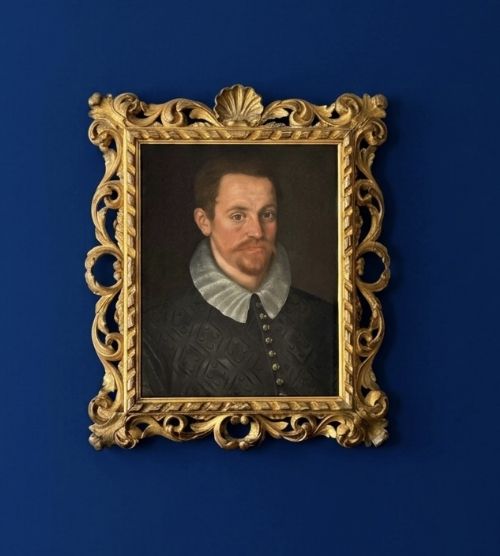
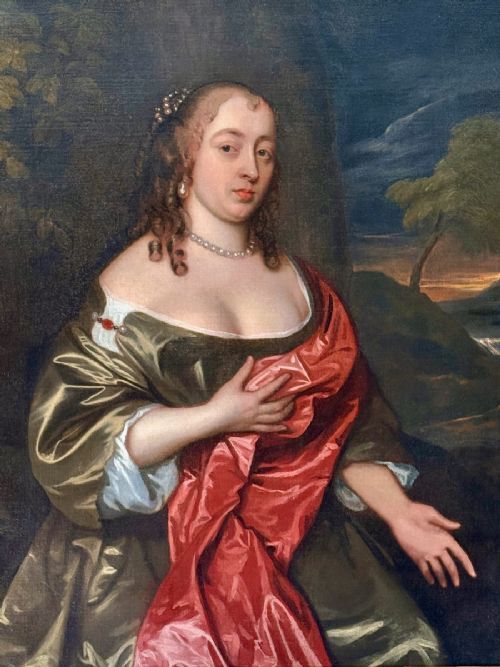
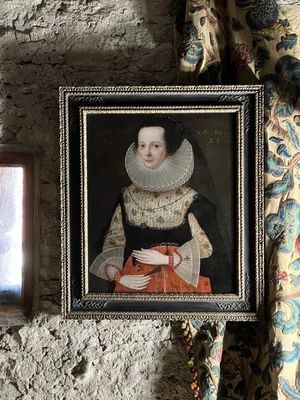
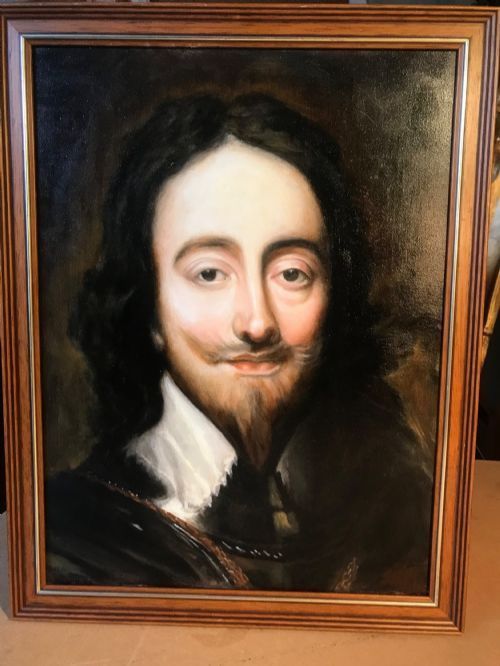
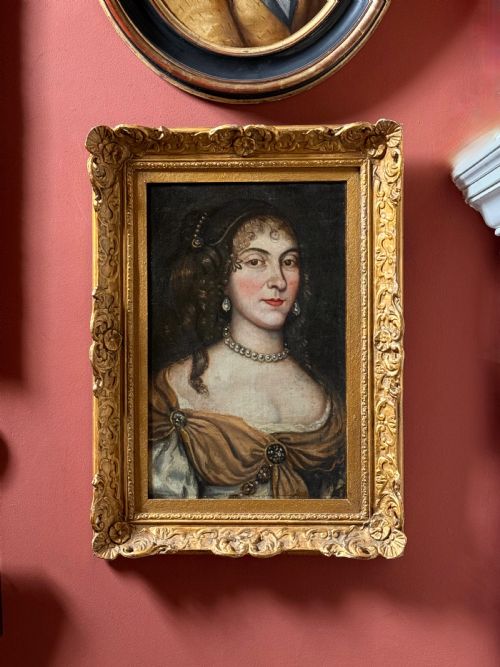
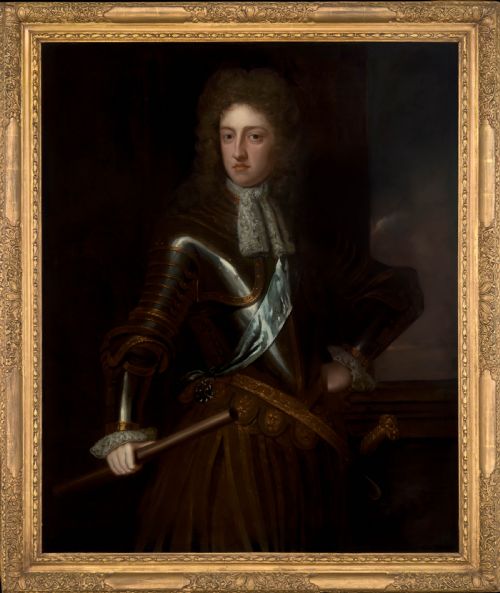
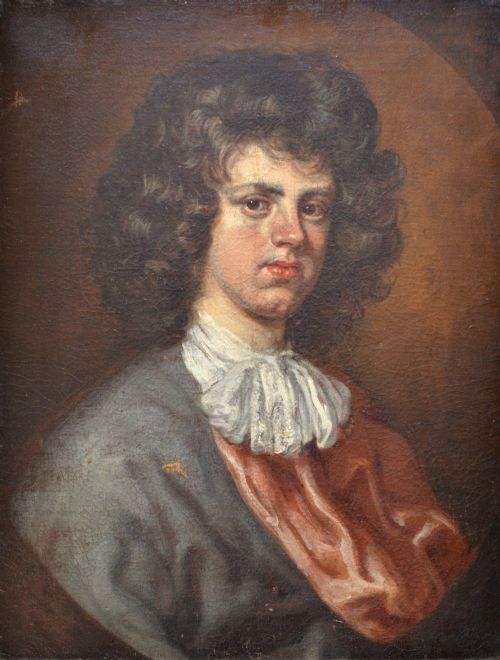
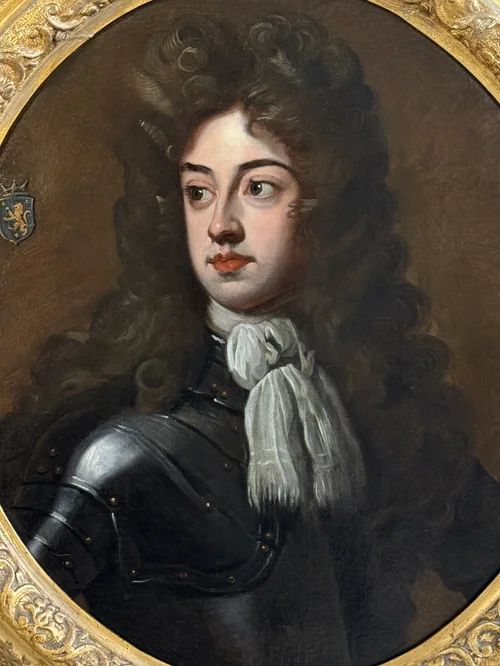
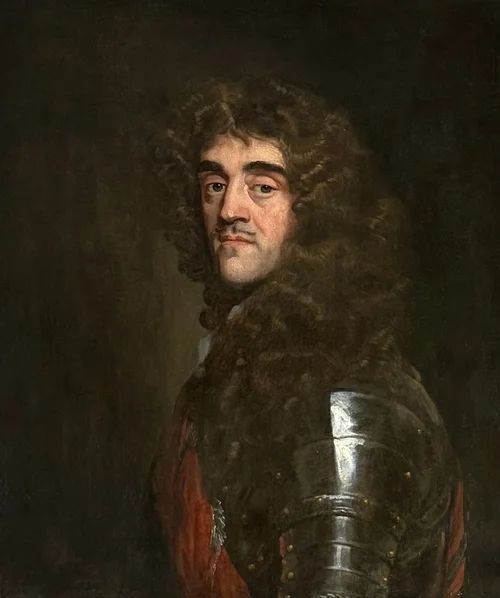
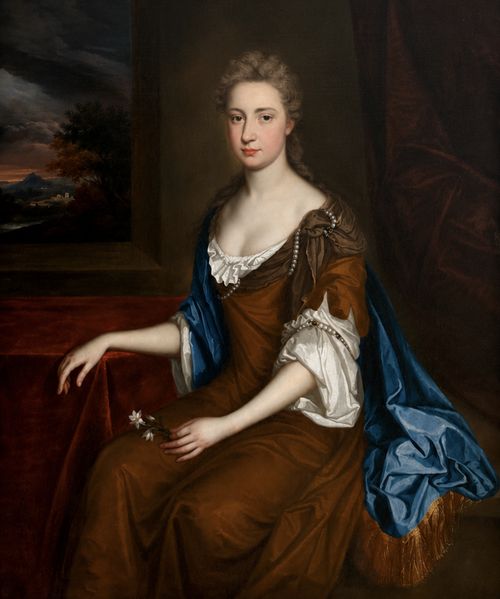
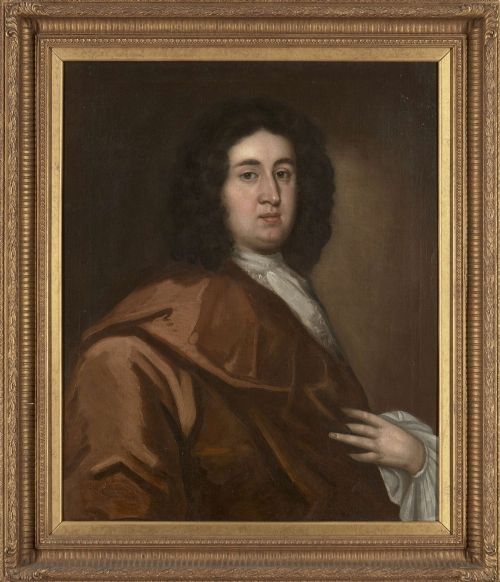
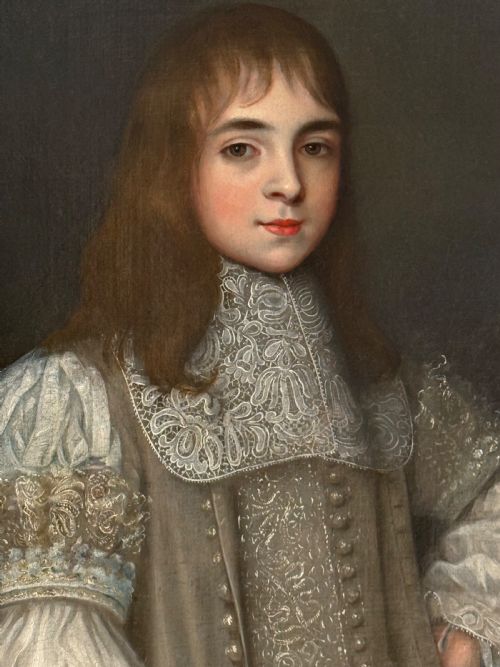
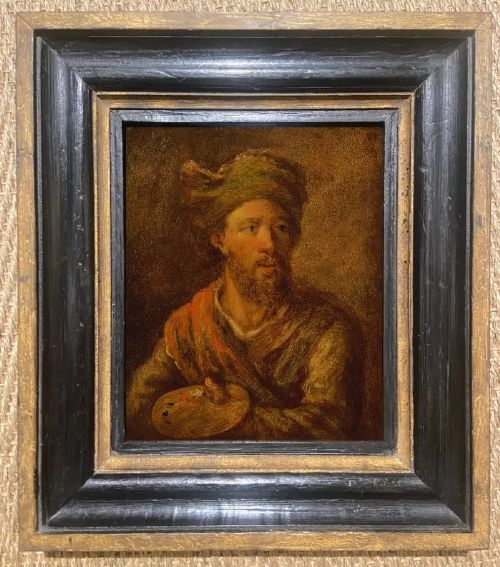
This selection of 17th century english art spans oil on canvas portraits of noblemen, ladies, and children, alongside framed county maps and early needlework. Most items you meet here are oil paintings depicting sitters in elaborate costume, ruffs, or armour from the Jacobean and Carolean periods.
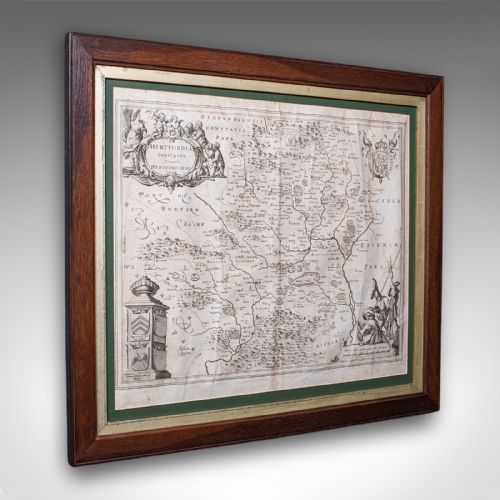
Beyond painted canvases, the category encompasses framed cartography by makers such as Blaeu, Speed, and Morden, as well as samplers and coifs worked in silk and thread. These domestic and formal pieces document the visual culture of Britain across a turbulent century of change.
Materials and Construction
Painters of this era applied oil paint onto woven canvas or occasionally wood panels, building up deep tones for dark doublets, velvet gowns, and shadowed backgrounds. Canvases were often stretched and framed in carved wood and giltwood mouldings that match the period of the artwork.
Textile works rely on fine linen, silk, and wool threads stitched into samplers, needlework pictures, and garments like coifs. Cartography and documents utilise engraved paper or vellum, frequently set within period frames alongside glass.
Listings feature 17th-century oil paintings on canvas, framed county maps, and needlework samplers.
Markers of Quality
The distinction between ordinary workshop output and the work of a master painter rests in the rendering of facial expression, hands, and textiles. Superior canvases display subtle modelling in flesh tones and careful detailing in lace, embroidery, and armour highlights.
Condition and survival dictate much of the standing for these survivals, particularly in oil paintings that retain their original unlined canvas and stable craquelure. For maps and textiles, clarity of print, vibrancy of remaining thread colours, and minimal loss determine the overall integrity.
John Hayls·Sir Godfrey Kneller·Mary Beale·John Closterman·John Michael Wright·Cornelius Johnson·Sir Anthony van Dyck·John Greenhill·Michael Dahl·Jacob Huysmans
The 17th Century English Art Glossary
- Doublet
- A close-fitting man's jacket worn during the Renaissance and 17th century. It frequently featured elaborate embroidery, padded panels, and matching hose.
- Cartography
- The science or practice of drawing maps. In this context, it refers to engraved county maps decorated with cartouches and heraldry.
- Sampler
- A piece of needlework produced by a person to demonstrate or test their skill in embroidery. They often included alphabets, motifs, and the maker's name.
- Coif
- A close-fitting cap worn by men, women, or children in the 16th and 17th centuries. Surviving examples are often worked in monochrome or polychrome silk thread on linen.
- Giltwood
- Wood that has been treated with gold leaf or a gold-coloured finish. It is commonly found on the frames housing 17th-century portraits.
17th Century English Art: Frequently Asked Questions
How do I identify a 17th century portrait?
Look closely at the clothing, hairstyles, and ruffs worn by the sitter, which follow strict fashions of the Jacobean, Commonwealth, or Restoration eras. Sitters often appear in dark doublets, lace collars, or military armour specific to the 1600s.
Brushwork on canvas and the presence of contemporary inscriptions or heraldic cartouches also help confirm the period. Many works are documented through studio circles or known portrait painters of the British school.
What is a cartouche on an old map?
A cartouche is an ornamental frame or tablet enclosing the map's title, scale, or publisher details. In 17th-century cartography, these designs often feature strapwork, figures, and coats of arms.
Cartouches serve as key stylistic indicators for dating works by makers such as Blaeu or Speed. Their artistic detail reflects the decorative priorities of mapmakers in that century.
How should I hang early oil paintings?
Keep oil paintings away from direct sunlight and sudden temperature shifts that can cause canvas tension and paint cracking. Stable indoor humidity protects both the canvas and the original wood frame.
Ensure the wall can support the weight of heavy giltwood frames and use secure picture hooks. Professional framing brackets help distribute the load evenly across the structure.
What subjects appear in 17th century needlework?
Needlework pieces commonly display biblical scenes, floral motifs, animals, and personal alphabets worked by hand. Needlework pictures and samplers served as decorative household items or educational exercises.
These textiles utilise coloured silk and wool threads on linen grounds. Their imagery mirrors the moral and domestic concerns of the period.