



16th Century Wooden Sculptures
These 16th century wooden sculptures are enduring works of sacred and secular art that bring tangible history and tactile depth into a modern interior.
16th Century Wooden Sculptures
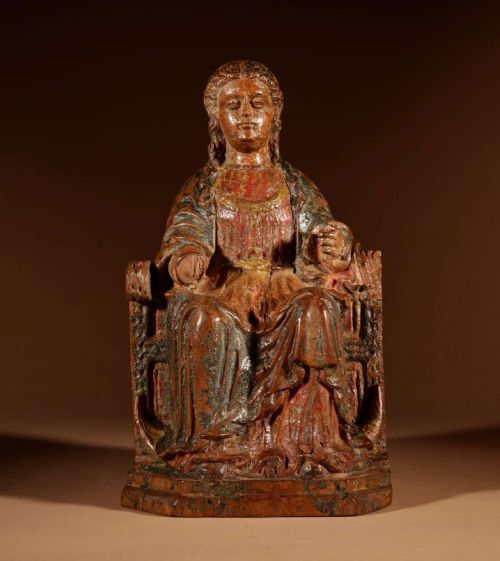
Collectors seeking 16th century wooden sculptures encounter devotional figures, architectural fragments, and relief panels created during a transformative era of European artistry. These works span the late Gothic transition into the Renaissance across regional traditions including French, Flemish, and Italian workshops.
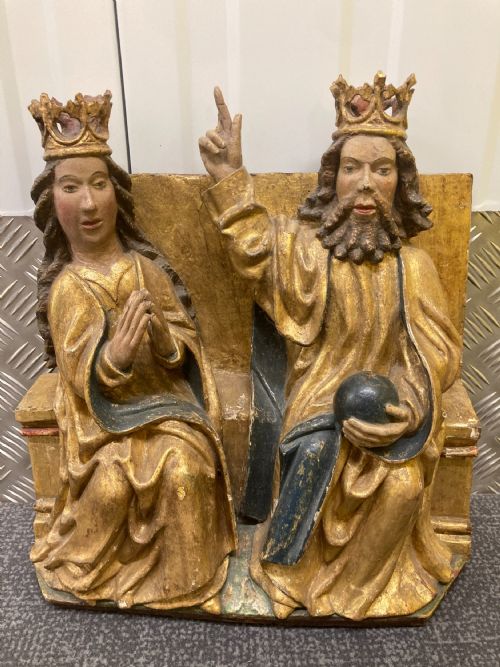
Subjects range from full-length figures of saints and Madonnas to narrative reliefs depicting biblical scenes like Christ carrying the cross. Most pieces are carved from solid timbers such as oak, walnut, and limewood, occasionally retaining traces of their original polychrome paint or gold leaf.
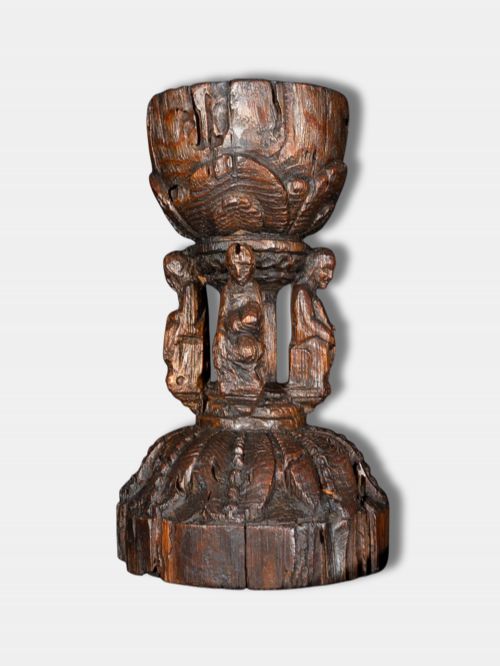
The selection on this page demonstrates the wide variety of forms produced during the period, from monumental saintly figures to intimate devotional busts. Architectural fragments and donor figures also appear, representing the surviving elements of larger ecclesiastical and domestic schemes.
How they were made
Many surfaces received a thin layer of gesso before painters applied polychrome pigments and gold leaf to heighten the visual drama. This combination of carved wood and applied colour created lifelike sacred imagery intended for both public altarpieces and private contemplation.
Current listings feature materials including oak, walnut, limewood, gesso, polychrome paint, and gold leaf across the 16th century period.
What varies in quality
The distinction between standard workshop production and master craftsmanship lies in the fluidity of the carving and the anatomical understanding of the human form. Superior pieces display dynamic movement in drapery and expressive restraint in the faces, whereas lesser examples remain stiff and formulaic.
Survival of original surface treatments also influences desirability, particularly where remnants of polychrome paint or parcel gilt survive intact beneath centuries of patination. The depth of relief and the ambition of the original composition further separate everyday fragments from exceptional sculptural groups.
The 16th Century Wooden Sculptures Glossary
- Polychrome paint
- Pigments applied to the surface of wood sculpture, often layered over gesso to add colour and realism to the carved figure.
- Gesso
- A plaster-like preparation mixture used as a smooth base for painting and gilding on wooden panels and sculptures.
- Relief sculpture
- Carving where the figures project from a flat background surface, commonly used for narrative scenes and architectural panels.
- Parcel gilt
- The practice of gilding only specific portions of a wooden sculpture, such as halos or drapery borders, with gold leaf.
- Architectural fragment
- A surviving portion of a larger decorative scheme, often removed from church interiors or domestic woodwork.
- Donor figure
- A portrait of the person who commissioned a work of art, typically shown kneeling or attending a sacred scene.
16th Century Wooden Sculptures: Frequently Asked Questions
How should I clean 16th century wood sculpture?
Dust these pieces gently with a soft, dry brush to prevent accumulation without disturbing fragile surfaces or remaining paint.
Avoid using water, liquid cleaners, or modern polishes, which can permanently damage historic timber and historic pigment layers.
Where were these sculptures originally displayed?
Most of these carved works originated in churches and cathedrals, forming parts of elaborate altarpieces, rood screens, or choir stalls.
Smaller reliefs and devotional busts were also commissioned by wealthy patrons for private domestic chapels and personal prayer.
How do I identify regional carving styles?
Northern Renaissance and Flemish works often feature angular drapery and expressive, emotive faces rooted in late Gothic traditions.
Italian Renaissance pieces typically exhibit a greater emphasis on classical human proportions, balanced composition, and softer, more naturalistic contours.
Can I display these sculptures near a radiator?
Wood is highly sensitive to changes in temperature and humidity, which can cause ancient timbers to warp, crack, or split.
Keep pieces away from direct heat sources, air conditioning vents, and strong sunlight to preserve the structural stability of the carving.