




16th Century Carved Wood
These pieces of 16th century carved wood bring architectural presence and centuries of tactile history directly into a modern room.

16th Century Carved Wood
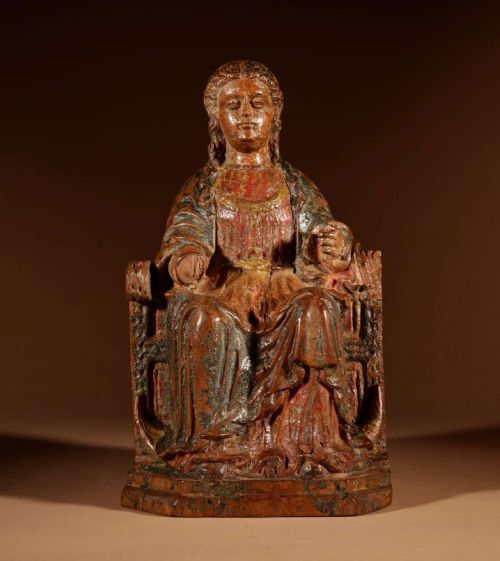
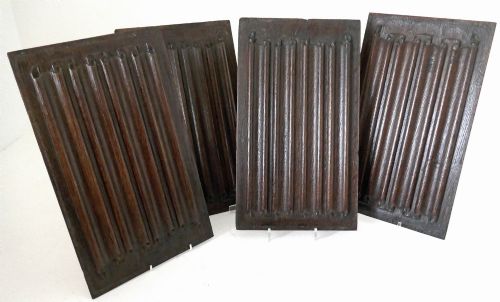
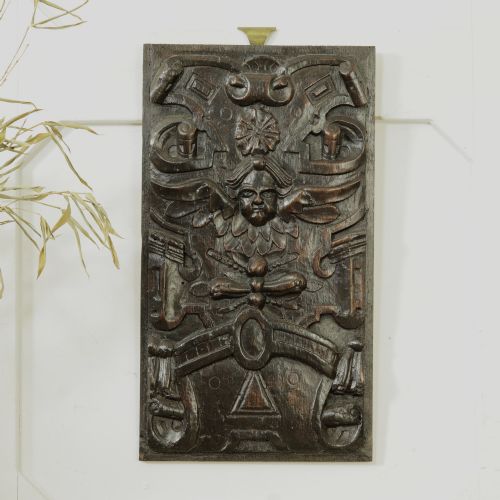
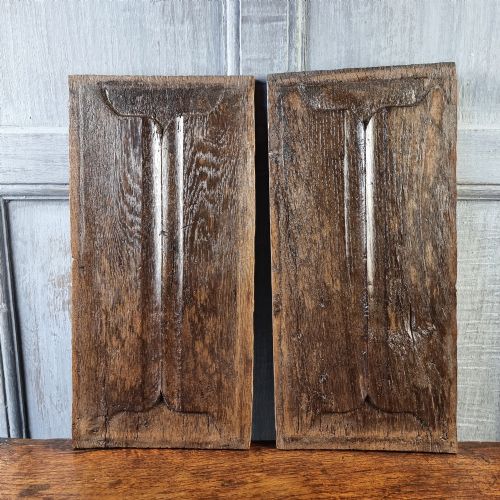
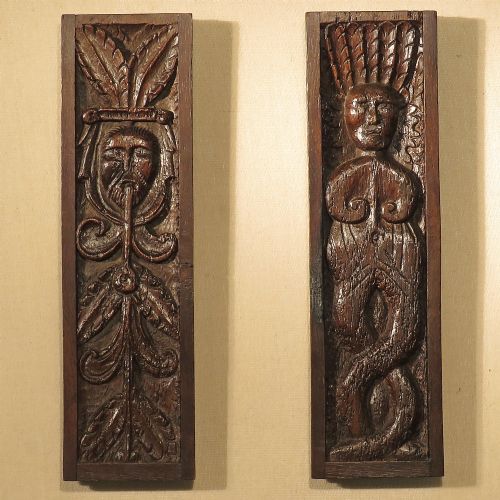
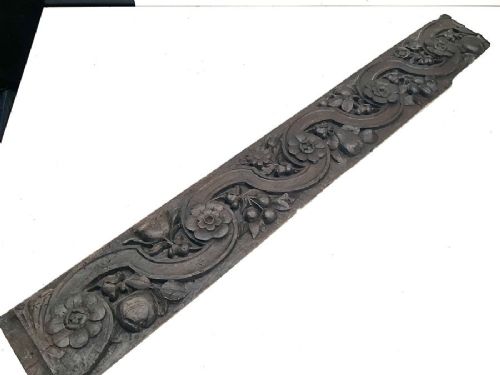
When you search for 16th century carved wood, you encounter fragments of history shaped by hands long gone, from architectural salvage and wall panels to devotional sculptures. The most common form you will meet on this page is the oak or walnut panel, often bearing linenfold patterns, figural reliefs, or secular motifs like the Green Man.
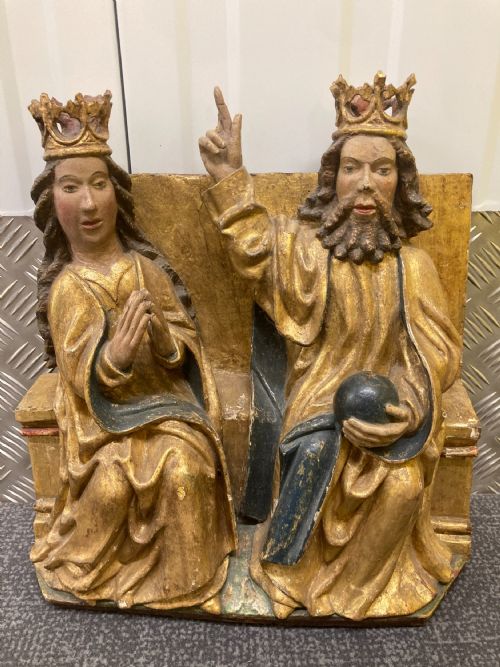
The selection ranges across European workshops, taking in English Tudor items, French and Italian Renaissance pieces, and Flemish carvings. Alongside these panels sit figures of saints and fragments of church architecture, reflecting the deep religious and domestic shifts of the period.
How they were made
Carvers worked primarily with native hardwoods like oak and walnut, shaping timber using gouges, chisels, and mallets to achieve deep relief. Some surfaces received additional treatment through polychrome paint, gold leaf, or parcel gilding to enhance sacred imagery.
Joinery techniques matched the carpentry of the era, utilising pegged mortise and tenon joints for panels and chests. The physical marks of hand tools remain visible across the wood grain, mapping out the progression of sixteenth-century workshop methods.
What varies in quality
Proportion and the preservation of the original surface patination also define the upper tier. Pieces that retain traces of their early polychromy or untouched timber surfaces hold greater visual strength than those smoothed down by aggressive later restoration.
Hugues Sambin
The 16th Century Carved Wood Glossary
- Linenfold
- A style of relief carving used on wooden panels to imitate folded linen fabric. It became immensely popular in Tudor and Flemish interiors.
- Polychrome
- Decoration consisting of several colours applied to wood or stone sculpture. It was widely utilised in religious art to bring figures to life.
- Architectural fragment
- A surviving portion of a larger building or altarpiece removed from its original context. These pieces demonstrate the decorative stone and wood vocabulary of the Renaissance.
- Terme
- A pillar or pedestal tapering towards the base, surmounted by a carved human bust or upper torso. They frequently appear in sixteenth-century furniture and architectural woodwork.
- High-relief
- A sculptural technique where figures project significantly from the background plane. This method creates strong shadows and a sense of three-dimensional depth.
16th Century Carved Wood: Frequently Asked Questions
How were these carved wood panels originally used?
Sixteenth-century panels served primarily as wall panelling within wealthy domestic interiors and ecclesiastical spaces, insulating rooms and displaying social status.
Craftsmen also integrated them into coffer fronts, furniture doors, and church screens where narrative biblical scenes or decorative motifs instructed and impressed viewers.
How do I care for antique carved wood?
Keep wooden pieces away from direct heat sources and dramatic humidity fluctuations to prevent the timber from splitting or warping.
Apply a light microcrystalline wax occasionally to feed the dry grain, avoiding modern liquid polishes that build up and dull the historic patination.
How can I tell Tudor oak from later copies?
Examine the rear of the wood for tool marks, such as pit marks left by adzes or irregular sawing patterns characteristic of early conversion methods.
Genuine sixteenth-century timber displays shrinkage, oxidized colour shifts, and dry grain structure that modern reproduction techniques struggle to replicate accurately.
What is the difference between Flemish and English carvings?
Flemish carvers often leaned towards busier compositions and deeper relief work, influenced heavily by Northern Renaissance trade and artistic exchange.
English pieces from the same era, particularly Tudor work, tended towards more restrained geometric repetitions like linenfold and simpler figurative representations.