
Dark Oak Wood Carving
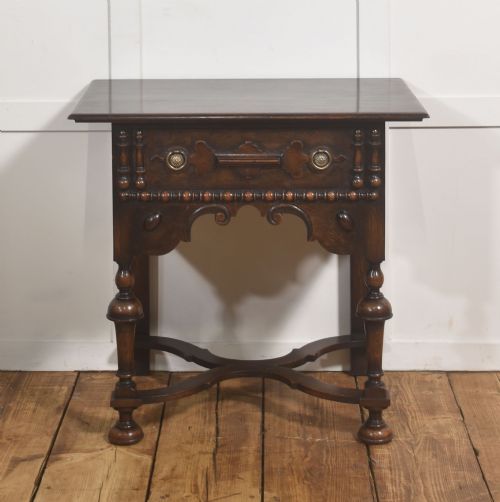
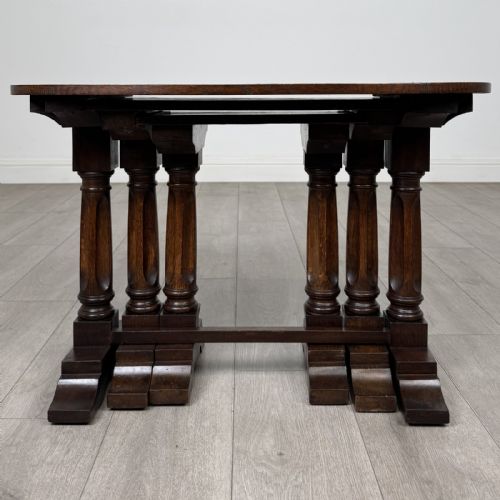
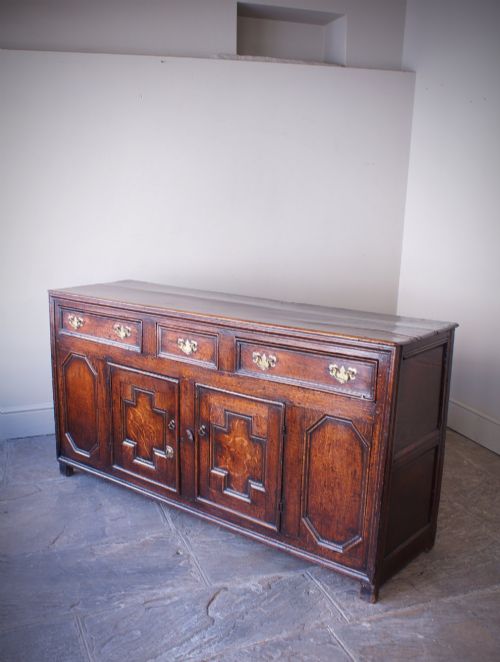
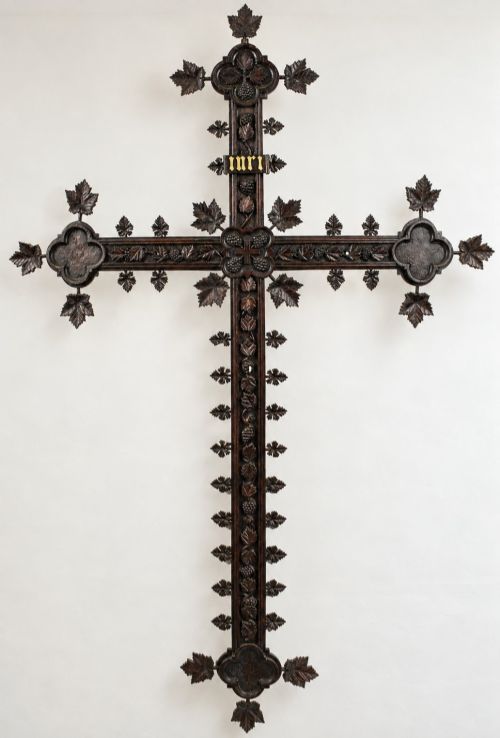
Dark oak wood carving brings substance and architectural weight to a room, showing deep relief work in sturdy timber.
Dark Oak Wood Carving
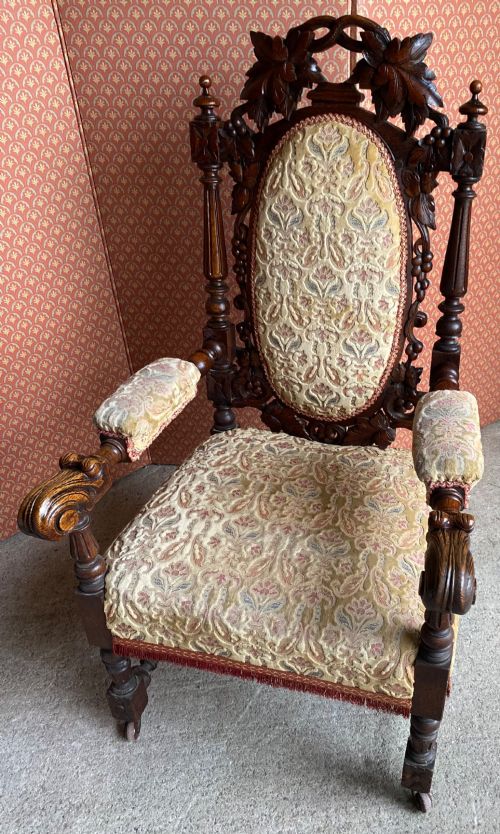
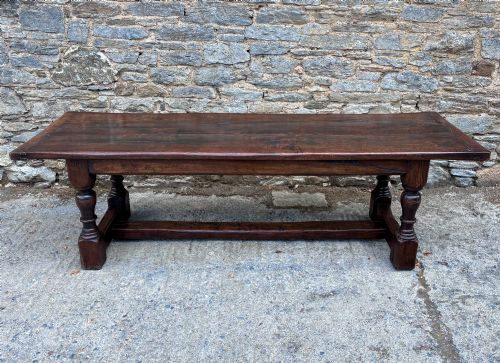
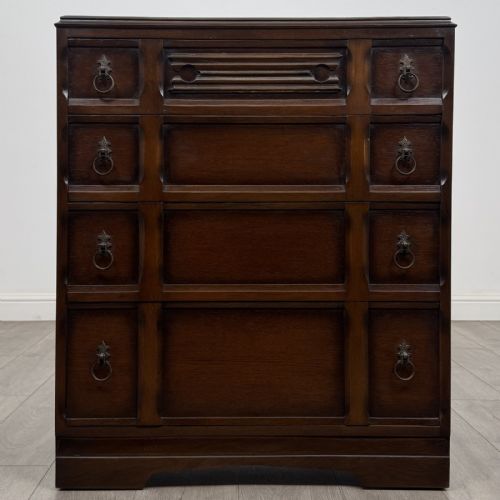
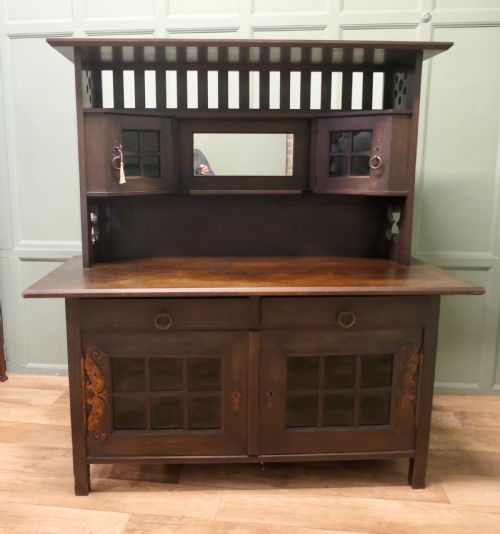
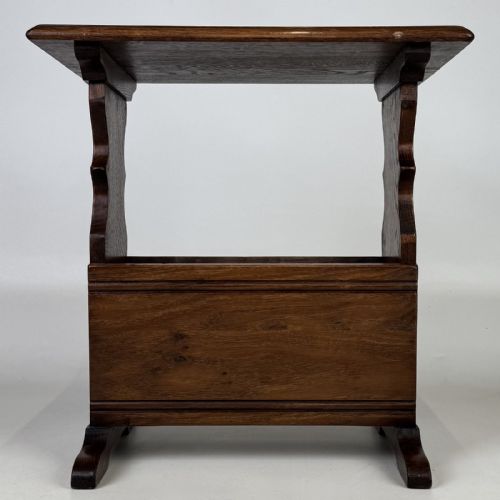
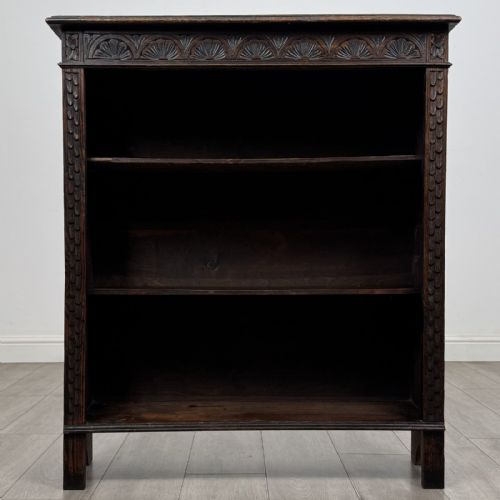
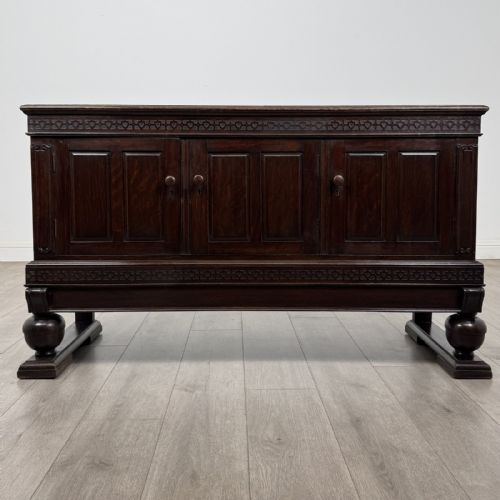
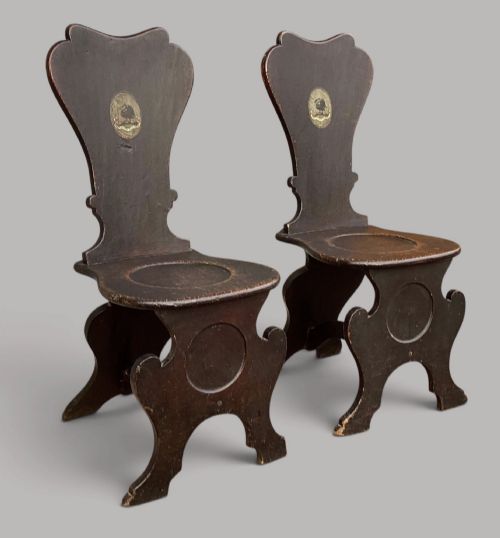
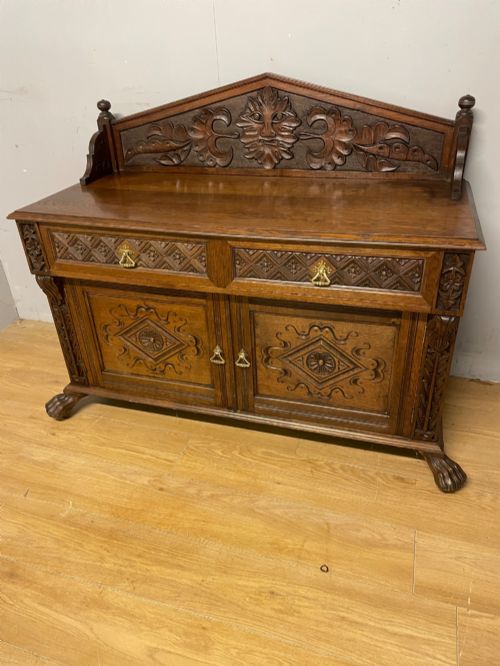
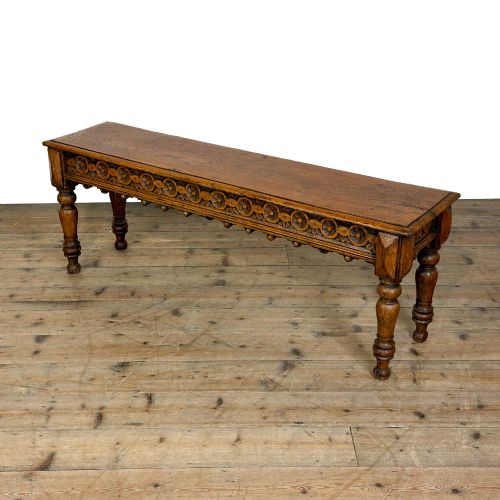
Dark oak wood carving encompasses solid timber furniture and architectural elements spanning from the sixteenth century through the Edwardian period, with revivals playing a major role in the selection. Buyers searching for dark oak wood carving will encounter substantial items built for utility, such as sideboards, bookcases, coffers, wall mirrors, and display cabinets.
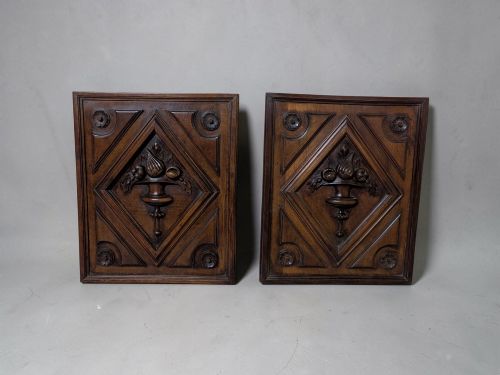
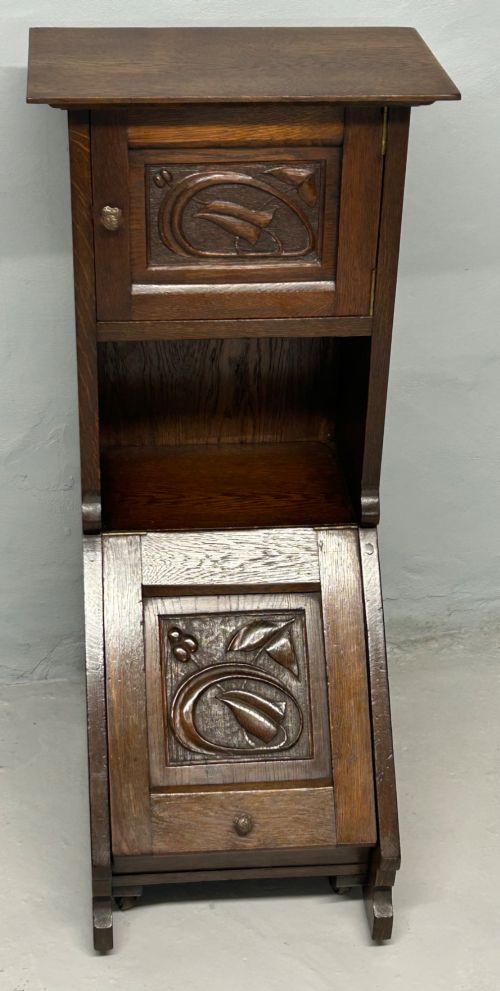
The material bears the marks of distinct historical movements, including Gothic Revival, Jacobean Revival, Arts and Crafts, and French Renaissance Revival. Pieces range from early panels featuring traditional linenfold motifs to heavily ornamented Victorian sideboards and Edwardian display furniture.
Materials and construction methods
Makers utilised solid oak alongside occasional hardwood for structural stability and deep relief work, often incorporating brass, iron, or glass fittings into functional forms like cabinets and wall mirrors.
Construction relied on traditional joinery methods suited to heavy timber, allowing artisans to execute intricate panel work, barley twist turnings, and figurative carvings that survived centuries of daily use.
Assessing quality in carved oak
Quality rests in the crispness and depth of the chisel work, distinguishing fluid, hand-executed botanical or figurative motifs from flatter, mechanical stamping found in lesser production pieces.
Proportion and the integration of the carving into the architectural form determine the success of a piece, separating harmonious revival items from unbalanced assemblies.
George Wadham
The Dark Oak Wood Carving Glossary
- Linenfold
- A style of wood carving that mimics the appearance of folded vertical parchment or linen, frequently seen on sixteenth-century panels and later revival coffers.
- Coffer
- A large wooden chest used historically for storage, often heavily carved on the front panels with geometric or figural designs.
- Barley twist
- A type of turned wooden column resembling the spiral shape of barley sugar, popular in seventeenth-century furniture and later Edwardian revivals.
- Gothic Revival
- An architectural and design movement drawing inspiration from medieval forms, characterised by pointed arches, tracery, and robust dark oak construction.
Dark Oak Wood Carving: Frequently Asked Questions
How do I date dark oak carvings?
Dating relies on identifying the underlying construction methods, tool marks, and stylistic motifs associated with specific centuries or revival periods.
Examining secondary woods and hardware provides further clues to whether a piece originates from the seventeenth century or a later Victorian revival.
How should I care for dark oak furniture?
Maintain dark oak by keeping it away from direct heat sources and sudden humidity changes to prevent the timber from splitting.
Apply a suitable wax polish sparingly to nourish the grain and protect the surface finish without building up excessive residue.
Where were these carved oak panels used originally?
Early carved oak panels frequently formed part of architectural wall panelling, screenwork, or fitted furniture within substantial European homes and institutions.
Many survived by being incorporated into later coffers, cabinets, or decorative wall displays during subsequent centuries.