



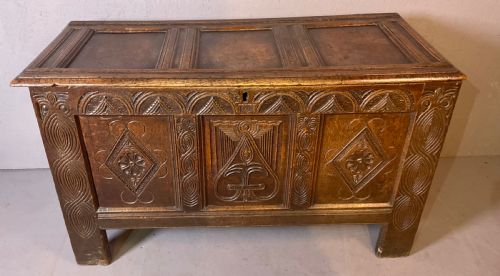


Early English Oak Panel
When you seek an early english oak panel, you look for tangible pieces of historic architecture and furniture that bring substantial character to a room.
Early English Oak Panel
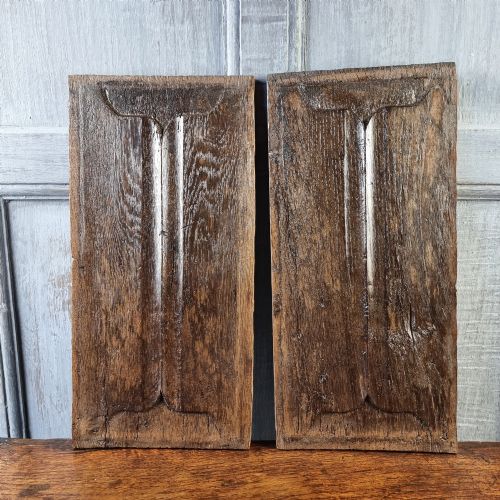
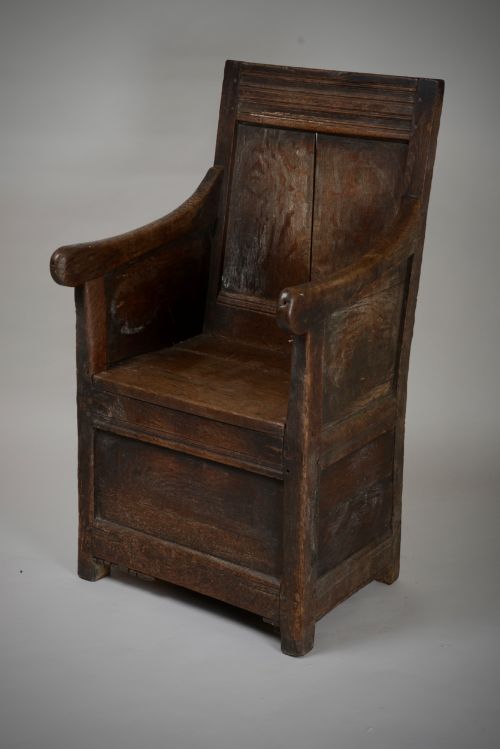
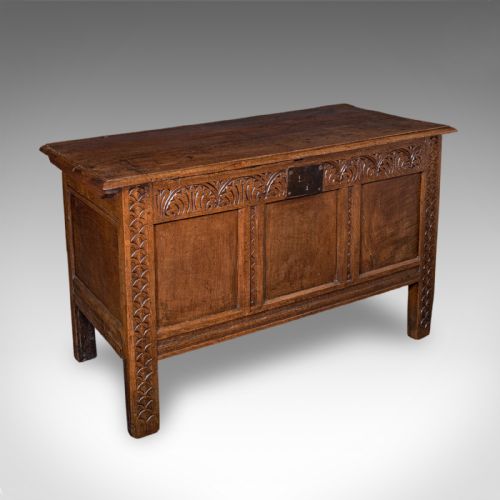
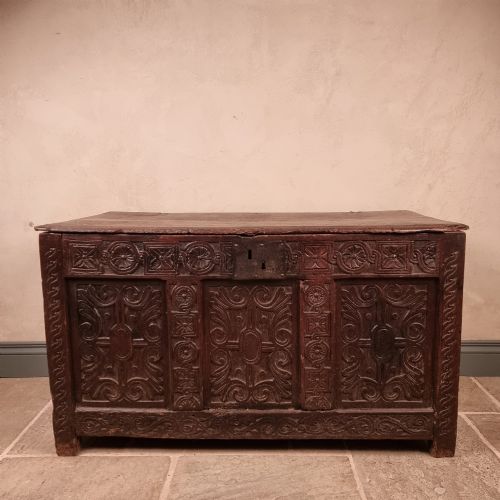
An early english oak panel brings architectural timber and fitted joinery from sixteenth, seventeenth, and eighteenth-century buildings into domestic spaces. These elements appear frequently as wall panels, linenfold panels, and structural components extracted from period coffers, armchairs, and court cupboards.
The selection ranges from pre-sixteenth century fragments to Georgian storage chests and settles, with seventeenth-century joinery forming the largest group of surviving pieces. Buyers encounter both individual carved sections and intact furniture items retaining their original panel construction.
How they were made
Joiners constructed these panels predominantly from solid oak, supplemented occasionally by fruitwood for inlay and wrought iron or brass for hinges and hardware. Timber was typically cleft or quarter-sawn along the grain rather than flat-sawn, yielding boards with high structural stability and distinct medullary rays.
Craftsmen utilised traditional mortise and tenon joints secured with wooden pegs to hold frames together while allowing panels to expand and contract with humidity. Surface enrichment relied on hand-chiselled carving, arcading, and linenfold motifs executed with gouges and chisels directly into the native wood.
Early English Oak Panel Retail Price Guide 2026
Typical asking prices for early english oak panel among the pieces listed under this phrase on Sellingantiques today, from the lower quarter to the upper quarter. They describe what is for sale here now, not the wider market.
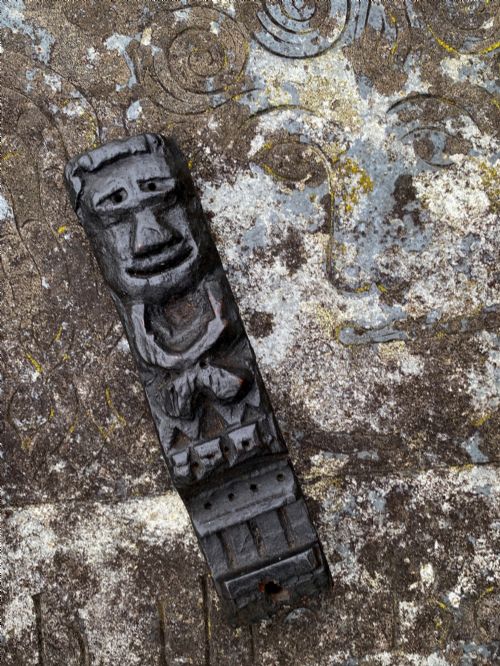
Some sixteenth-century panels carry charmingly naive folk art carvings born from regional workshops where the local carver interpreted classical architecture through memory alone.
What varies in quality
Quality rests primarily on the crispness and depth of the hand-carved ornament, where confident, sharp detailing distinguishes superior workshops from more rudimentary folk art output. The integrity of the original timber and the survival of uncompromised surface patination also dictate the standing of a piece.
Proportion and structural honesty separate better examples from heavily altered items that incorporate later timber or reconstructed frames. Pieces retaining their original joinery, pegged joints, and untouched surfaces command greater regard among collectors of early woodwork.
The Early English Oak Panel Glossary
- Linenfold
- A carved wooden panel motif popular in the Tudor period that imitates tightly folded vertical folds of fabric. It is executed with specialised gouges to create a three-dimensional textile effect on flat timber.
- Wainscot
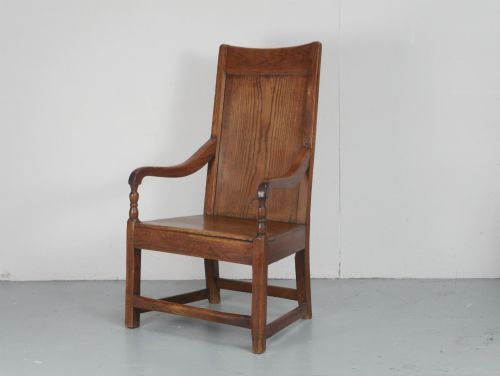
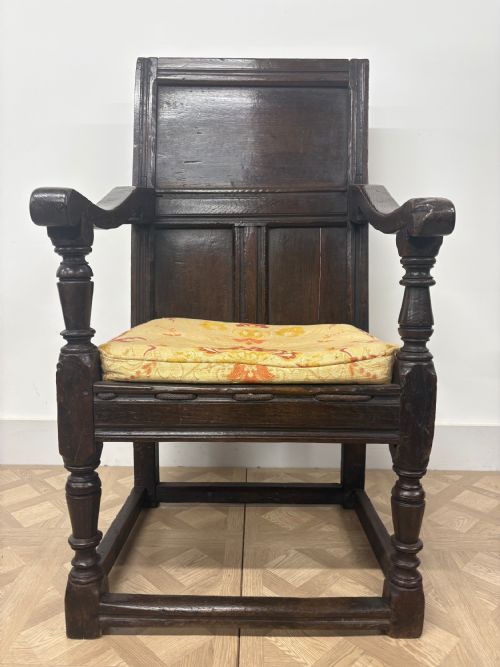
- A type of heavy wooden chair or panelled interior wall construction characteristic of sixteenth and seventeenth-century English joinery. The term denotes sturdy frame-and-panel building methods using solid oak.
- Coffer
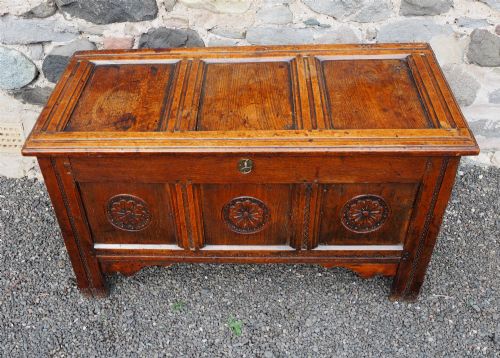
- A large heavy storage chest with a hinged lid, frequently constructed with framed panels during the sixteenth and seventeenth centuries. These boxes served multiple domestic functions including seating and the storage of valuables.
- Arcaded
- A decorative carving style featuring a series of rounded arches supported by stylized columns, commonly found on seventeenth-century oak furniture. This Renaissance-influenced motif added architectural depth to flat panel surfaces.
- Court Cupboard
- A formal standing cupboard or sideboard from the Tudor and Stuart periods used for displaying plate and storing household goods. They are typically built from solid oak with carved friezes and tiered shelving.
Early English Oak Panel: Frequently Asked Questions
What is an early english oak panel?
An early english oak panel is a carved or moulded section of solid timber dating from the sixteenth to the eighteenth century. These pieces originate from historic wall panelling, furniture doors, or structural chest fronts.
They display traditional joinery techniques and decorative motifs such as linenfold and arcading, reflecting the interior aesthetics of Tudor and Stuart England.
How were these panels integrated into homes?
Historic panels were originally fitted into wall framing to insulate rooms and decorate the interiors of substantial dwellings. Furniture makers also incorporated them into the construction of heavy storage chests, wainscot chairs, and court cupboards.
Today, collectors mount individual panels onto walls as decorative art or acquire them as integral components of period oak furniture.
How do I care for antique oak?
Maintain antique oak in rooms with stable humidity and temperature levels to prevent the timber from splitting or warping. Avoid placing pieces near direct heat sources or in strong sunlight.
Apply traditional beeswax occasionally to nourish the wood surface and preserve the historic patina without using modern chemical polishes.
How can I tell the period of oak furniture?
Dating early oak relies on examining the construction methods, tool marks, and wood characteristics visible on the piece. Hand-riven timber, pegged mortise and tenon joints, and regional carving styles provide key indicators of sixteenth and seventeenth-century origin.
Comparing the hardware, proportions, and decorative vocabulary such as Jacobean strapwork or Tudor linenfold helps differentiate between centuries of production.