
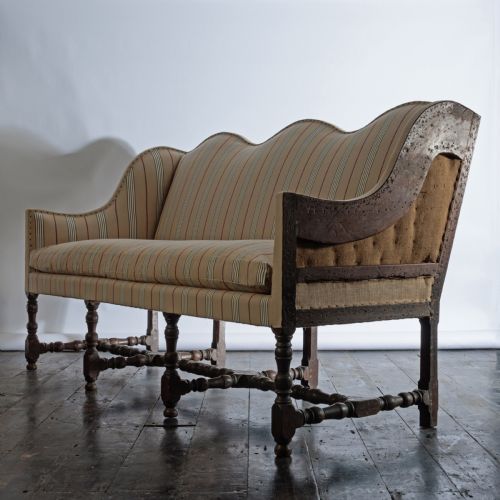

A 2026 Guide by Sellingantiques

Swedish Original Painted Settle Bench, 18th Century
Priced at £2,950 from Arcadia Antiques
Originating in the medieval period. These long seats provided essential warmth before homes had proper heating.
Country inns relied on an antique settle heavily. Placed near the main fire to keep patrons comfortable during winter months.
Look at the evolution over time. By the eighteenth century they often moved from the main hall into farmhouse kitchens.
Box settles developed later. Creating useful storage space beneath the seat for blankets or household tools.
Finding a documented maker for an antique settle is rare. Most came from anonymous local carpenters rather than famous city workshops.
Welsh craftsmen produced distinct variations during the eighteenth and nineteenth centuries. Often incorporating flat shaped arms and raised fielded panels.
Village wheelwrights sometimes built these robust forms. Using whatever seasoned local timber lay around their yard.
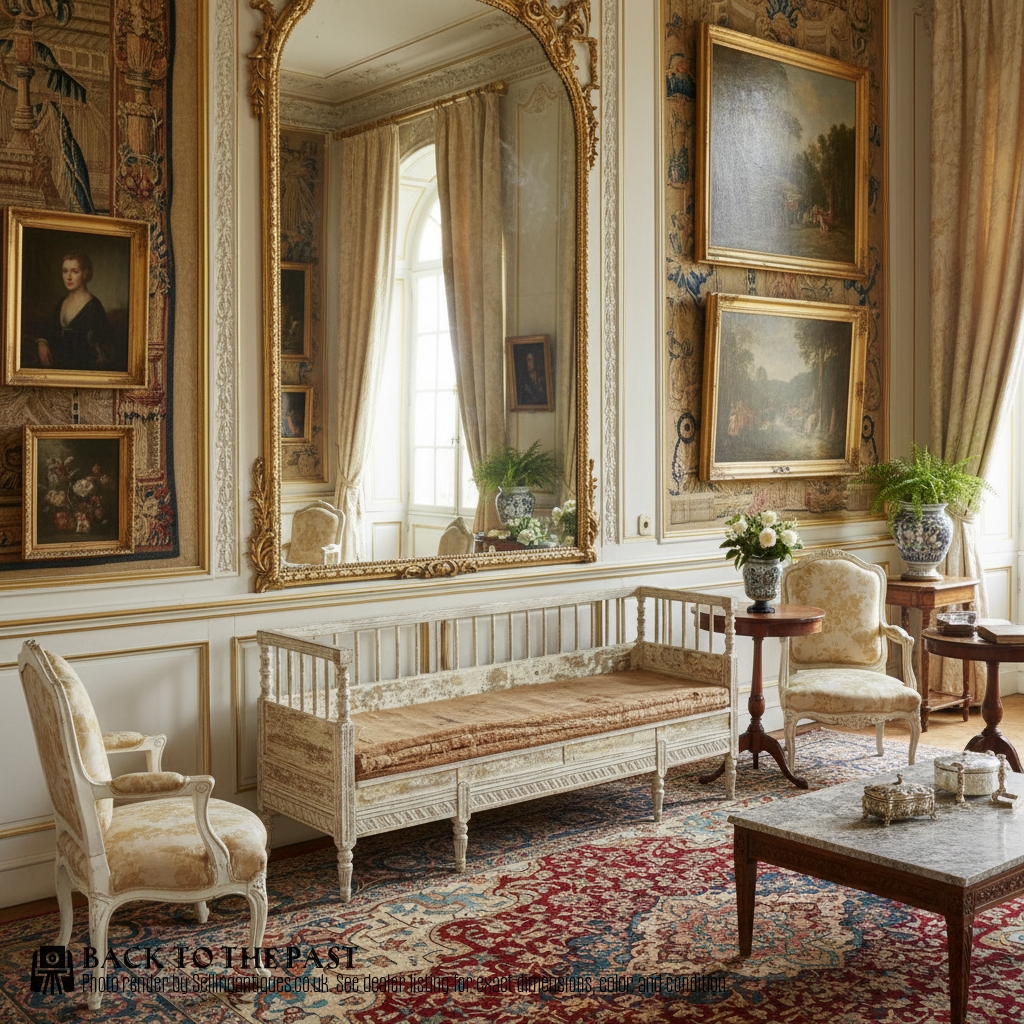
Swedish Original Painted Settle Bench, 18th Century
Priced at £2,950 from Arcadia Antiques
The 2026 retail price guide for Antique Settles is drawn from a proprietary archive of over 1.1 million retail prices indexed by Sellingantiques since 2003. This guide relies exclusively on their own internal data; no external sources or auction records are used.
Analysing nearly 25 years of UK antique market history alongside current retail values, the data indicates that typical UK retail prices for Antique Settles range between £600 and £2,500. Entry-level prices generally fall under £600 and premium examples upwards of £2,500.
High panelled backs define the classic form. Sometimes reaching nearly to the ceiling in older farmhouse types.
Check the armrests. Many have curved or scrolled profiles resting on turned supports.
The base often drops straight to the floor. Enclosed panels below the seat kept the cold air off feet.
Early joined construction relied mostly on wooden pegs. Shrinkage over time often leaves these pegs slightly proud of the surface.
Later painted examples used simple nailed boards. Moving away from heavy joined frames to lighter carcase work.
Notice the panel layout on a good antique settle. Seventeenth-century types tend to have smaller, squarer panels than nineteenth-century versions.
"Some backed directly onto another seat. These double-sided forms sat in the centre of tavern rooms to increase seating."
"A folding top occasionally features on provincial models. Allowing the tall back to swing down and form a large table."
"Meat hooks sometimes hang from the top rail. Used for curing bacon near the heat of the fire."
Based on almost 25 years of Sellingantiques UK antique market data, Antique Settles appeared 3100 times (out of 1,100,000 antiques) which gives it a rarity score of 54/100.
This score measures scarcity within the Sellingantiques archive only and is not a survey of the entire antiques market, so these statistics may not be indicative of the general availability of Antique Settles elsewhere.
Most antique settles were built for indoor use near a hearth. Animal glues and pegged joints will fail quickly if exposed to rain or heavy morning dew.
Damp ground will rot the stiles from the bottom up. Keep them inside a hallway or kitchen where the humidity remains relatively stable.
Variations in back height are common. While many farmhouse types reach high to block draughts, smaller examples do survive.
Low-back versions turn up often from the nineteenth century. Measure your ceiling and check the dimensions before buying, as altering the stiles damages the proportions.
The storage capacity under a box settle is substantial. Lift the seat boards and you'll find a deep cavity stretching the full length of the bench. It often reaches down to the floor level.
They were designed to hold bulky items like blankets or heavy cloaks. Modern buyers frequently use them for storing boots and shoes in a hallway.
Some early forms feature bare wooden seats. They provided a basic resting place rather than deep comfort.
Adding a long loose cushion is the standard approach to softening an antique settle.
Please note: This Antique Settles guide and its associated pricing data are provided for general informational purposes only. It does not constitute formal financial, investment, or appraisal advice and should not be relied upon as the sole basis for any commercial activity, purchasing, or sales decisions. Sellingantiques.co.uk accepts no liability for any actions taken in reliance on this information. Always consult with a qualified professional or independent appraiser.
