




A 2026 Guide by Sellingantiques

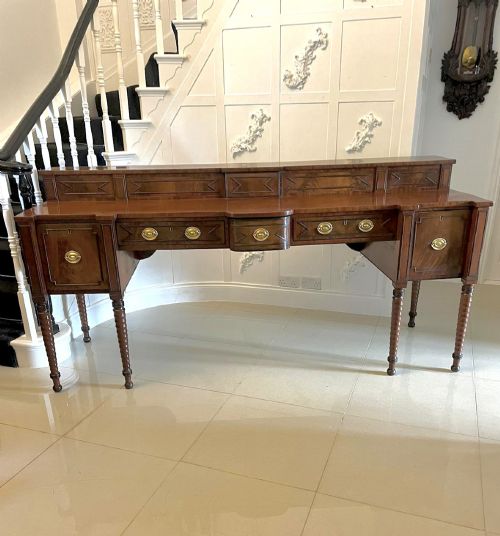
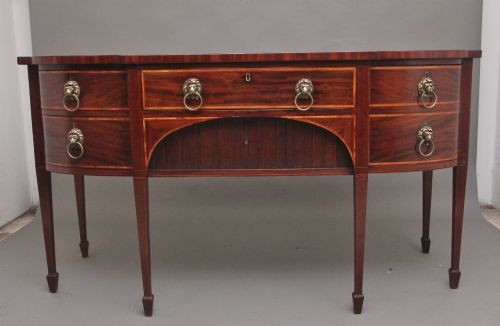
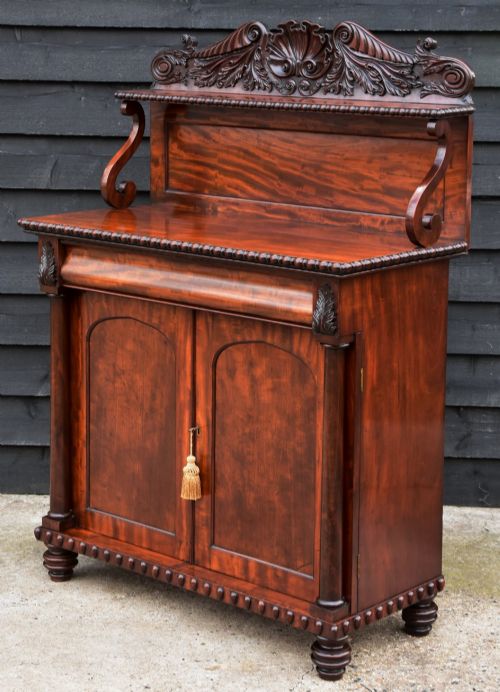
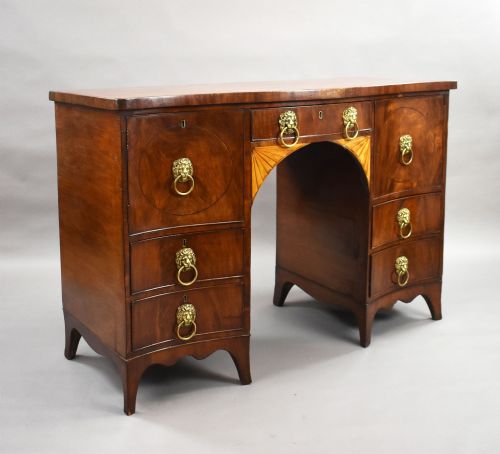
A Sheraton Revival Mahogany Sideboard, 1880
Priced at £895 from Pear Tree Antiques
They emerged in the late eighteenth century. Dining rooms became dedicated spaces requiring specialised serving furniture.
Before these, households used simple side tables. Adding pedestals and flanking urns eventually evolved into a single unified piece.
Look at nineteenth-century dining habits. Middle-class homes expanded, making the antique mahogany sideboard a standard fixture for entertaining.
Regency examples often feature a brass gallery at the back. This stopped plates falling off and supported a curtain to protect the wall.
Gillows of Lancaster produced hundreds of these. Their stamping appears on the top edge of a drawer from the late eighteenth century onwards.
Thomas Sheraton published influential designs. He didn't build them, but regional makers copied his bowed and serpentine fronts.
Scottish makers like William Trotter developed distinct local styles. Edinburgh sideboards often feature robust turning and reeded details.
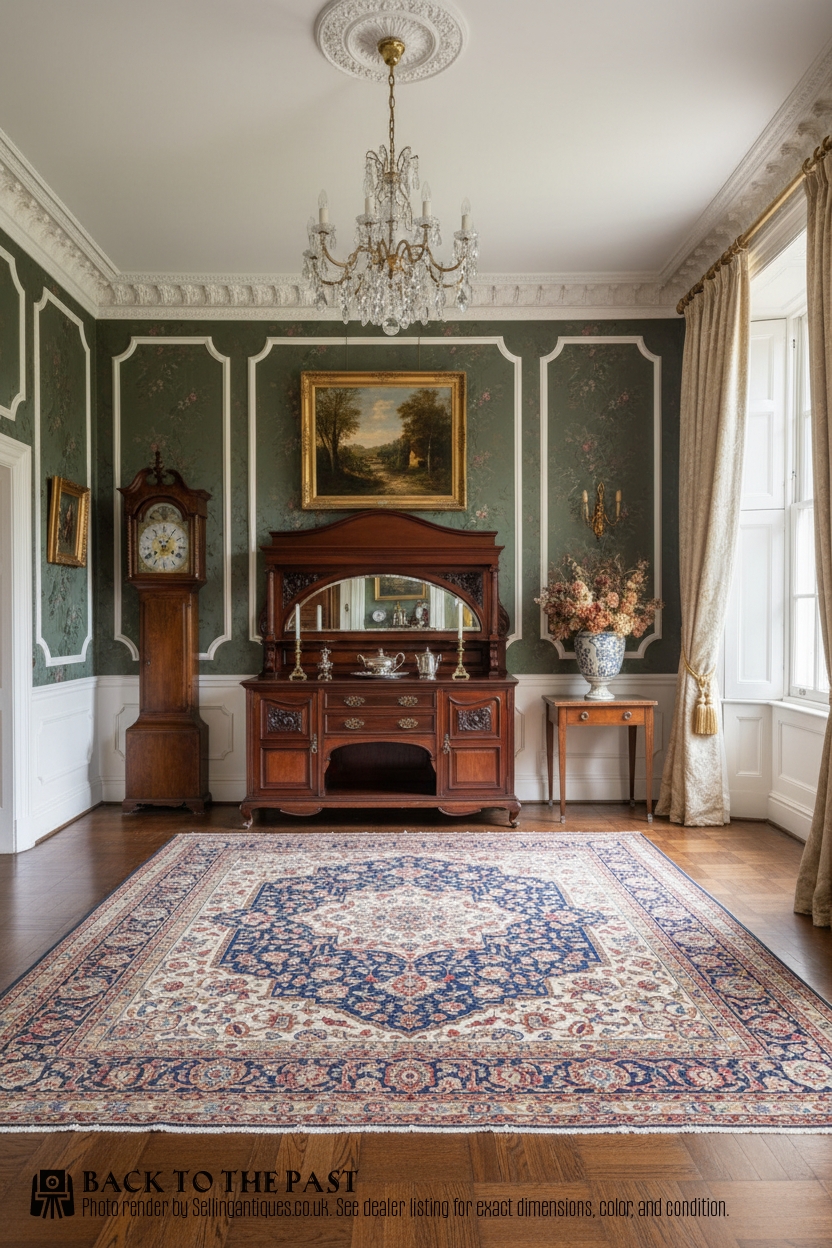
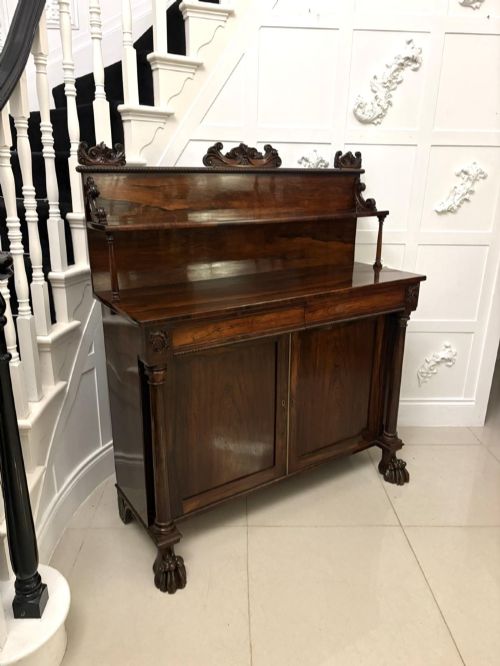
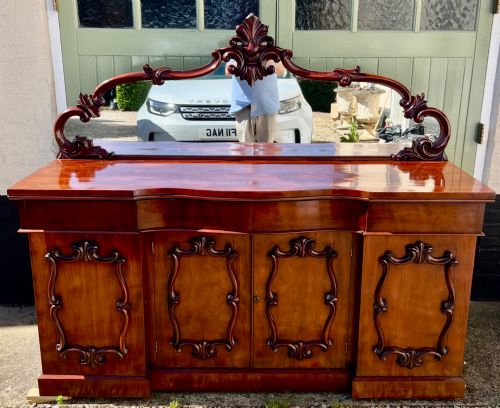
Large Quality Antique Carved Mahogany Sideboard by Maple & Co, 19th Century
Priced at £1,895 from London City Antiques
The 2026 retail price guide for Antique Mahogany Sideboards is drawn from a proprietary archive of over 1.1 million retail prices indexed by Sellingantiques since 2003. This guide relies exclusively on their own internal data; no external sources or auction records are used.
Analysing nearly 25 years of UK antique market history alongside current retail values, the data indicates that typical UK retail prices for Antique Mahogany Sideboards range between £500 and £3,000. Entry-level prices generally fall under £500 and premium examples upwards of £3,000.
A deep cellaret drawer sits on one side. This tall compartment held wine bottles upright.
The central drawer usually runs shallow. Napkins and tablecloths lay flat inside.
Many sit on turned or tapered legs. Spade feet frequently finish the base of George III examples.
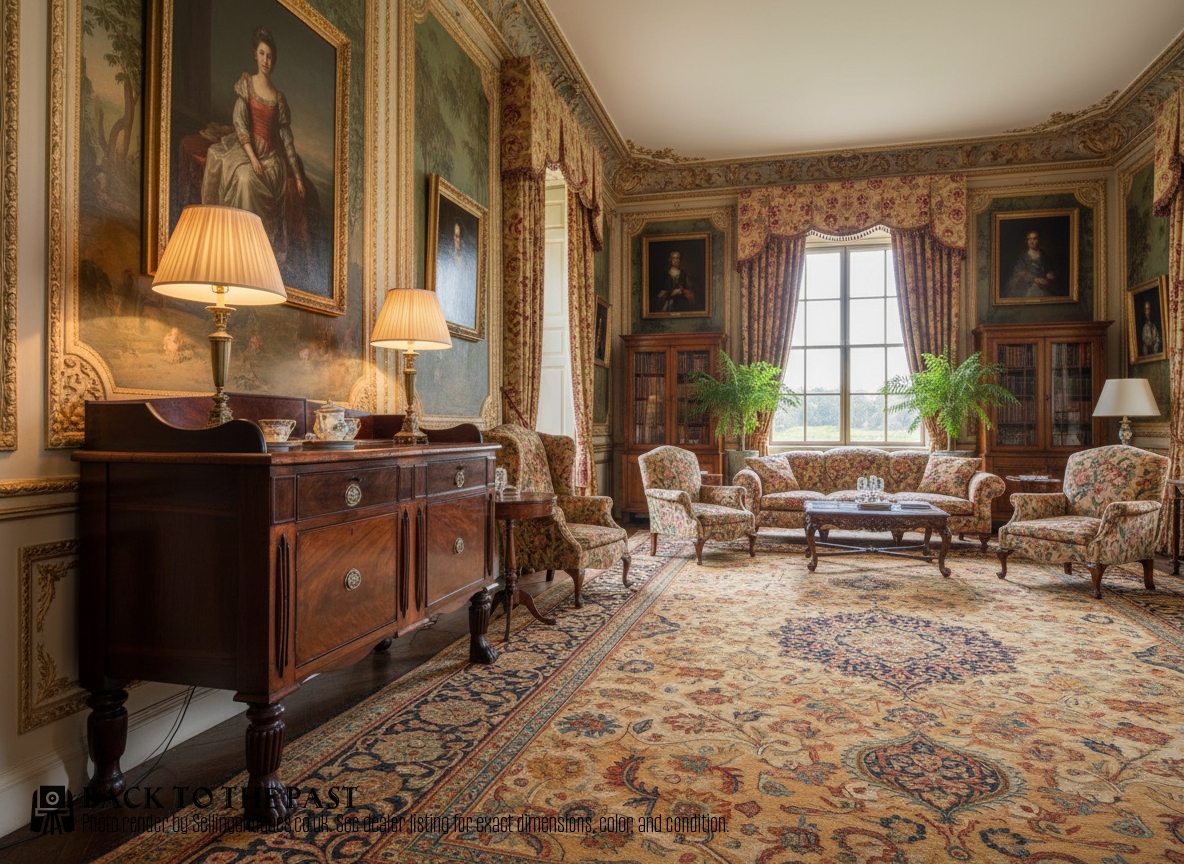
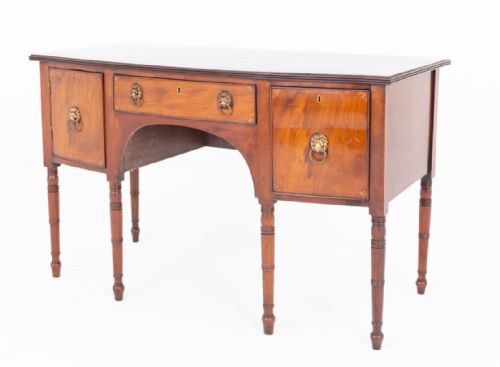
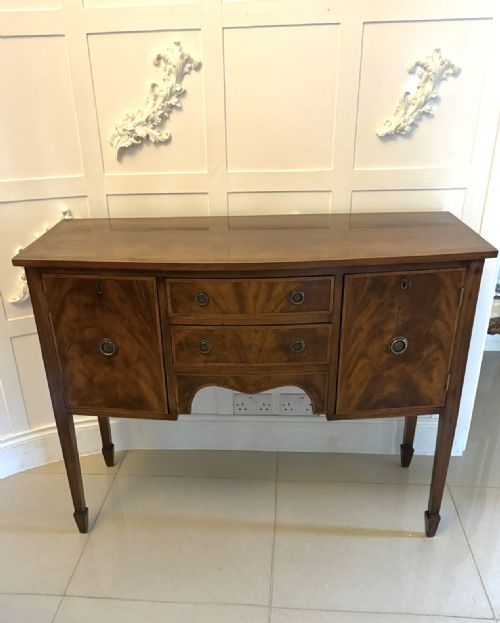
A Splendid Medium Sized Flame Mahogany Buffet or Serving Sideboard, 19th Century
Priced at £895 from Marlborough Antiques & Interiors
Early joints rely on animal hide glue. This holds the wood tightly but remains reversible with steam.
Thick saw-cut veneers characterise the older pieces. Craftsmen laid these over a solid pine carcase to prevent warping.
Inspect the brass handles. Lion mask ring pulls and stamped backplates were pinned on after the polishing stage.
"Some hold a hidden pot cupboard. Diners used these discreet compartments before indoor plumbing existed."
"The brass gallery rails sometimes served another purpose. Servants rested silver trays against them to reflect candlelight into the room."
"Secret drawers sit behind false panels. Makers built narrow slides into the mouldings for storing documents."
Based on almost 25 years of Sellingantiques UK antique market data, Antique Mahogany Sideboards appeared 165752 times (out of 1,100,000 antiques) which gives it a rarity score of 1/100.
This score measures scarcity within the Sellingantiques archive only and is not a survey of the entire antiques market, so these statistics may not be indicative of the general availability of Antique Mahogany Sideboards elsewhere.
That deep compartment is the cellaret drawer. It was built specifically to hold wine bottles upright during a meal.
Most of them still have their lead lining inside. The lead caught any drips and helped keep the bottles cool before serving.
Castor cups work well for this. You slip them under the feet and add thin timber shims inside the cup until the piece sits level.
Don't cut the legs to match an uneven floor. You alter the proportions of the antique mahogany sideboard and damage the original timber.
Gravity pulls heavily on a loaded carcase. Getting it level stops the doors binding and prevents the joints from twisting over time.
You leave them alone mostly. A quick wipe with a dry cloth removes everyday dust and oils left by hands.
Liquid brass cleaners often seep behind the backplate. The chemicals sit against the wood and leave a white residue that eats into the polish.
If they look dull, that tarnish is a natural patina. Most dealers prefer to keep the aged surface rather than polishing it back to bright metal.
You are looking at bow-fronted or serpentine sideboards. These curved shapes dominated the late eighteenth century because they softened the mass of a large piece.
Straight-fronted examples exist. They turn up more often in earlier Georgian designs or heavier Victorian pieces.
Check the legs on a straight-fronted model before buying. Block feet or heavy plinths take up more floor space than slender tapered legs.
Please note: This Antique Mahogany Sideboards guide and its associated pricing data are provided for general informational purposes only. It does not constitute formal financial, investment, or appraisal advice and should not be relied upon as the sole basis for any commercial activity, purchasing, or sales decisions. Sellingantiques.co.uk accepts no liability for any actions taken in reliance on this information. Always consult with a qualified professional or independent appraiser.
