
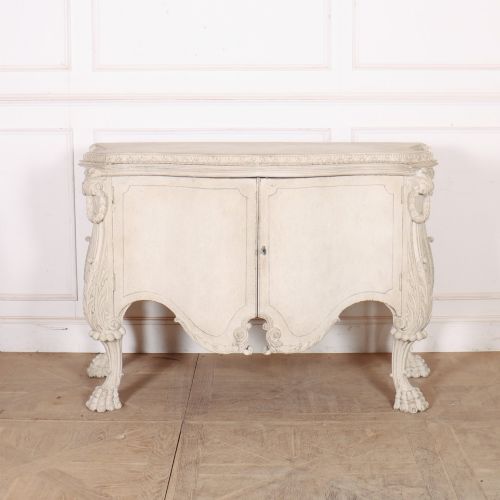


A 2026 Guide by Sellingantiques
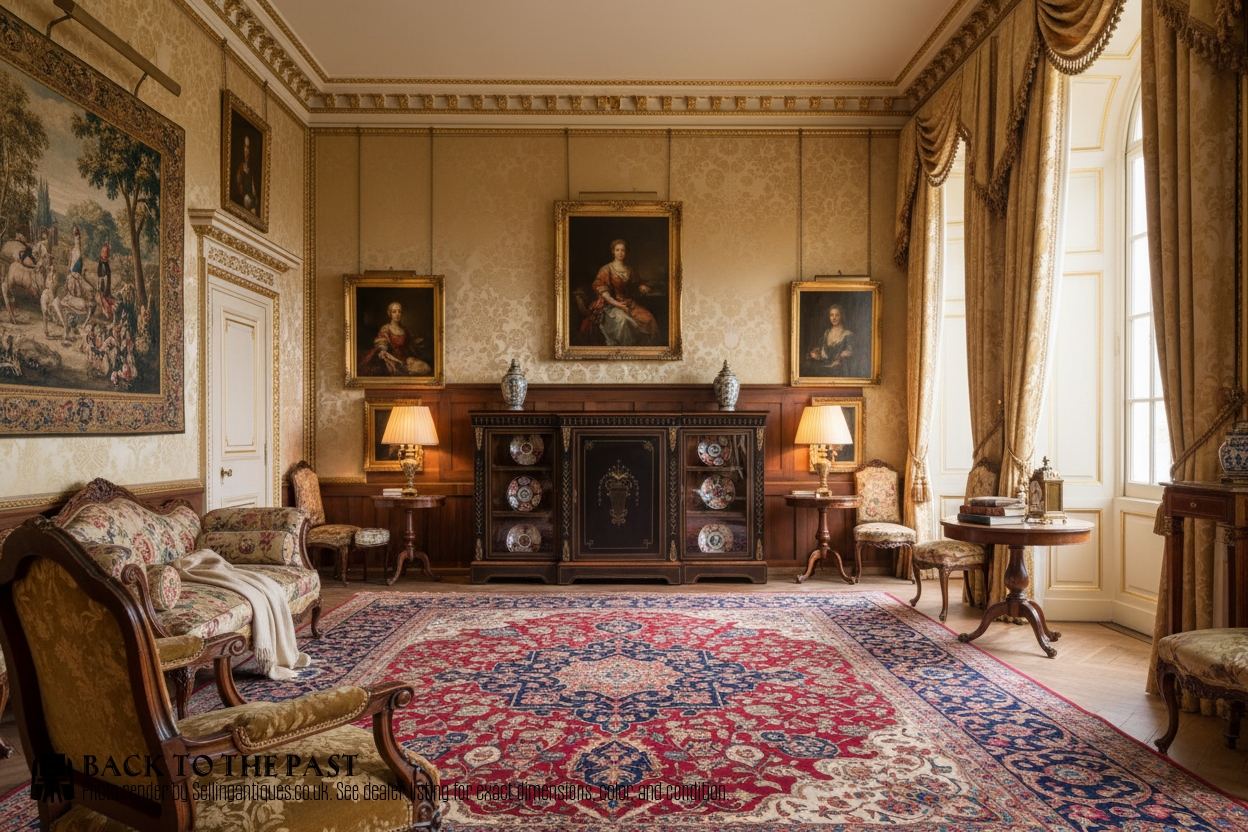
Victorian Ebonized Breakfront Credenza / Display Cabinet, Victorian
Priced at £1,250 from Sinclairs Antiques and Interiors
The earliest Italian forms started out simply as flat surfaces for laying out food before serving.
Watch how they change by the nineteenth century. The Victorian dining room demanded something altogether larger for showing silver.
English cabinet makers adapted the shape into a low, wide cupboard.
French iterations of the antique credenza often incorporated rounded open display shelves at the ends.
Gillows of Lancaster produced mahogany antique credenzas during the early nineteenth century.
Stamped locks might point to specific hardware suppliers rather than the furniture workshop itself.
Keep an eye out for printed paper trade labels. Regional English firms occasionally pasted these directly onto the inside faces of the drawer linings.
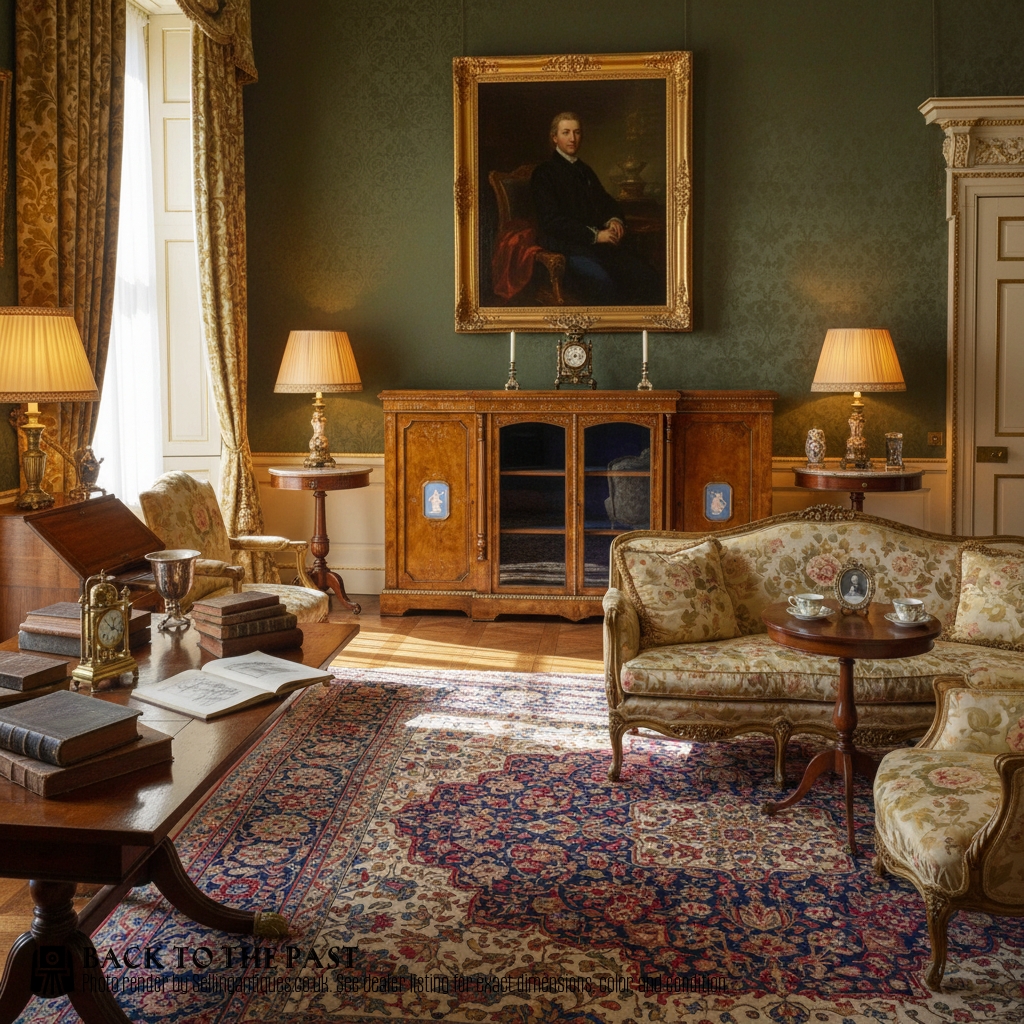
Victorian Walnut Credenza, 1860
Priced at £1,950 from witchantiques.com
The 2026 retail price guide for Antique Credenzas is drawn from a proprietary archive of over 1.1 million retail prices indexed by Sellingantiques since 2003. This guide relies exclusively on their own internal data; no external sources or auction records are used.
Analysing nearly 25 years of UK antique market history alongside current retail values, the data indicates that typical UK retail prices for Antique Credenzas range between £1,300 and £6,500. Entry-level prices generally fall under £1,300 and premium examples upwards of £6,500.
Central enclosed cupboards hide wide internal shelves. Families kept their folded table linens and large serving platters inside.
Check the flanking quadrant ends. These outer sections usually hold open tiers designed for presenting decorative objects.
A low mirrored backboard sometimes runs along the top edge. It caught candlelight and reflected it back into the dining room.
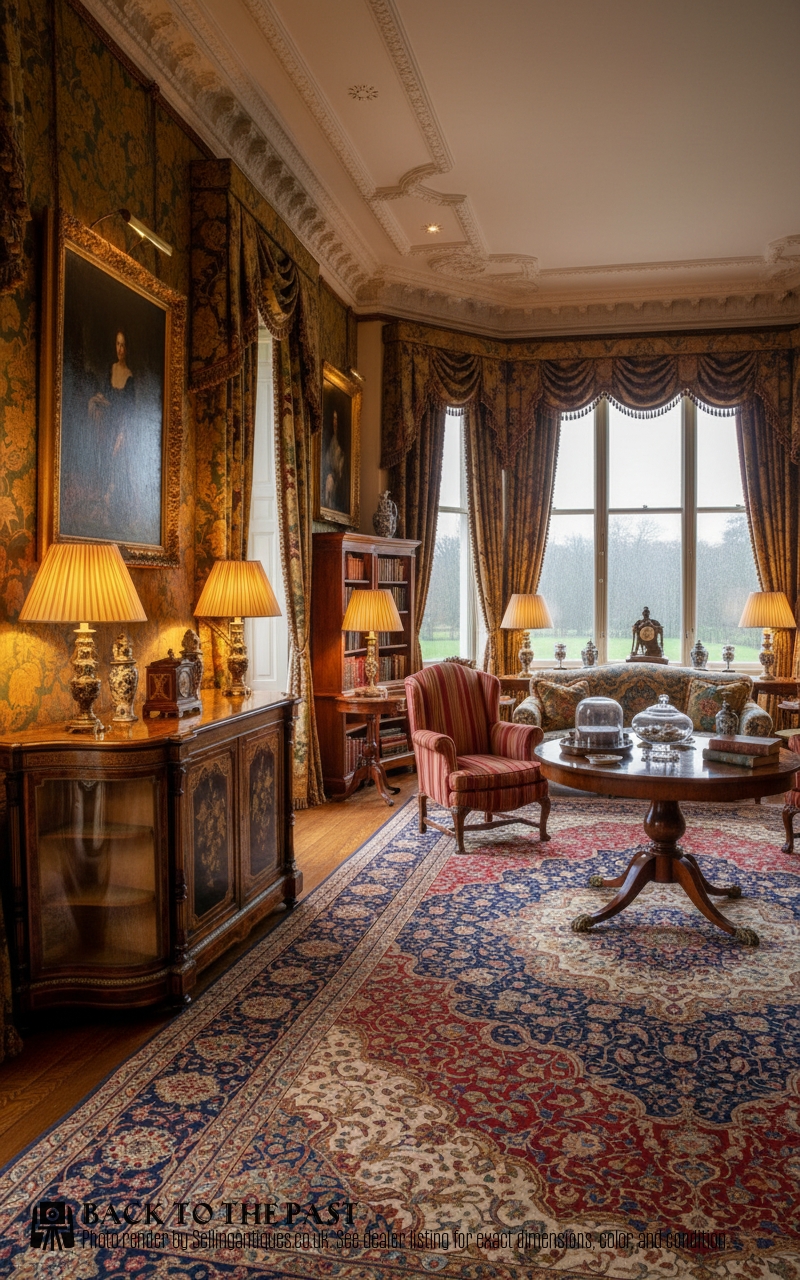
Victorian Burr Walnut and Marquetry Credenza by Gillow, Victorian
Priced at £13,500 from FB Antiques
Hand-cut dovetails join the drawer sides to the fronts in earlier antique credenzas.
Veneering allowed makers to build a stable pine carcase and then cover the rough timber with decorative burr walnut.
Look closely at the door frames. Cabinet makers shaped them by hand to follow the sweep of the curved glass panels.
"The word translates to belief or trust in Italian. This relates to the early court practice of tasting food for poison before a meal."
"Hidden compartments exist in certain models. Makers tucked these secret drawers neatly behind the carved central pillars."
"Notice the rounded side shelves. They allowed standing guests to admire porcelain services from multiple angles during crowded gatherings."
Based on almost 25 years of Sellingantiques UK antique market data, Antique Credenzas appeared 4041 times (out of 1,100,000 antiques) which gives it a rarity score of 45/100.
This score measures scarcity within the Sellingantiques archive only and is not a survey of the entire antiques market, so these statistics may not be indicative of the general availability of Antique Credenzas elsewhere.
They require at least two strong people to lift. The marble slabs alone weigh a considerable amount before you even factor in the solid wooden carcase.
Always remove the marble before attempting to move the base. Trying to lift the whole unit together risks snapping the wooden dowels.
Most standard pieces form one single solid unit. You cannot dismantle the main carcase for transport.
Larger models sometimes feature a removable mirrored backboard.
Antique credenzas usually measure much shallower than a standard chest of drawers. Their original role as dining room serving tables meant they needed to sit flat against a wall without taking up floor space.
The D-shaped variants with curved ends work especially well in tight spaces. The rounded sides soften the profile and stop people catching their hips on corners as they walk past.
A solid timber top will support a heavy television without any trouble. The thick pine carcase construction provides a sturdy base.
You will struggle with the cables. Antique credenzas feature solid wooden back panels that do not have any pre-cut holes for plugs.
Altering the back panel involves cutting away original timber. Many buyers prefer to run wires down the sides rather than drill through century-old wood.
Please note: This Antique Credenzas guide and its associated pricing data are provided for general informational purposes only. It does not constitute formal financial, investment, or appraisal advice and should not be relied upon as the sole basis for any commercial activity, purchasing, or sales decisions. Sellingantiques.co.uk accepts no liability for any actions taken in reliance on this information. Always consult with a qualified professional or independent appraiser.
