



Antique Alabaster Sculptures
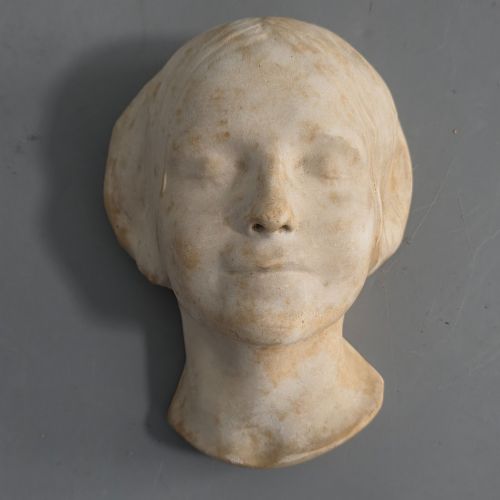
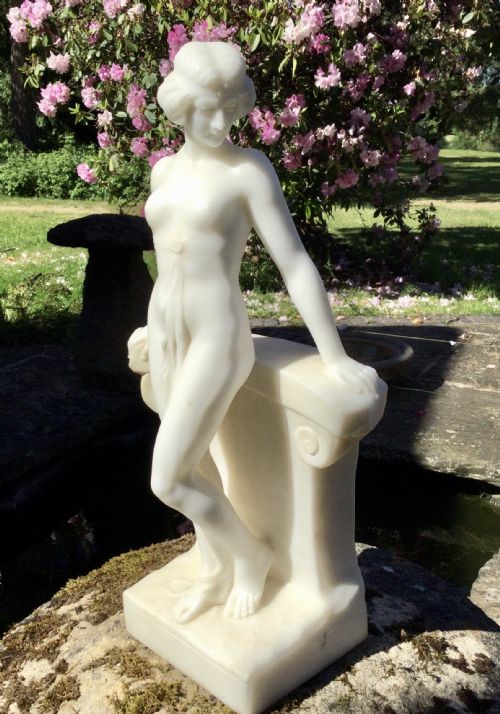
Figures carved by hand in alabaster, a soft, faintly translucent stone, made for the drawing room and the export trade: female busts and standing figures above all, alongside souvenir reductions of famous statues and monuments.
Antique Alabaster Sculptures
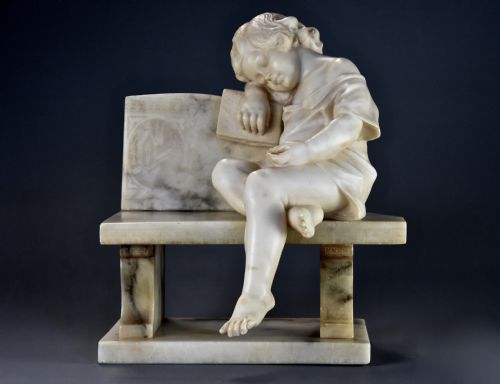
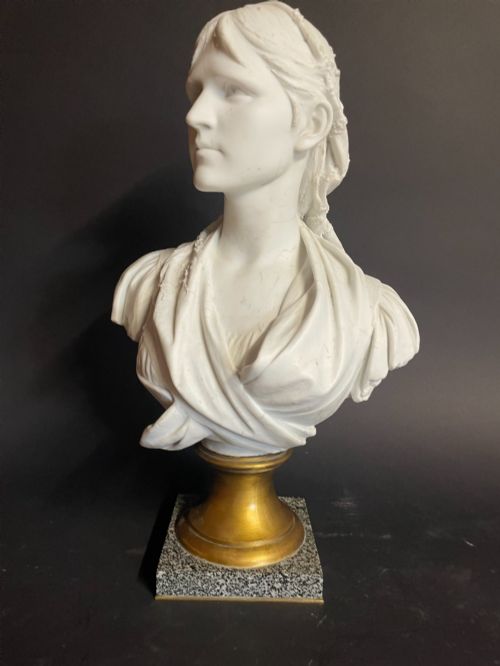
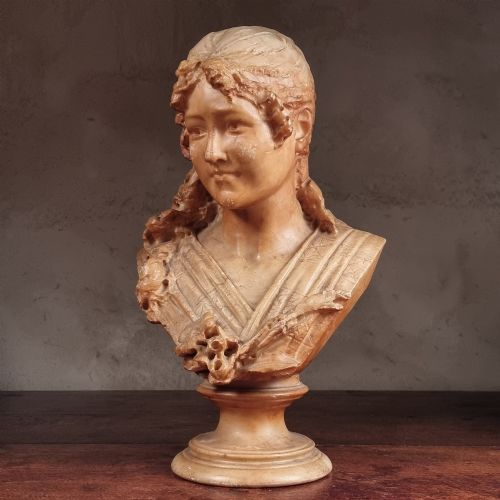
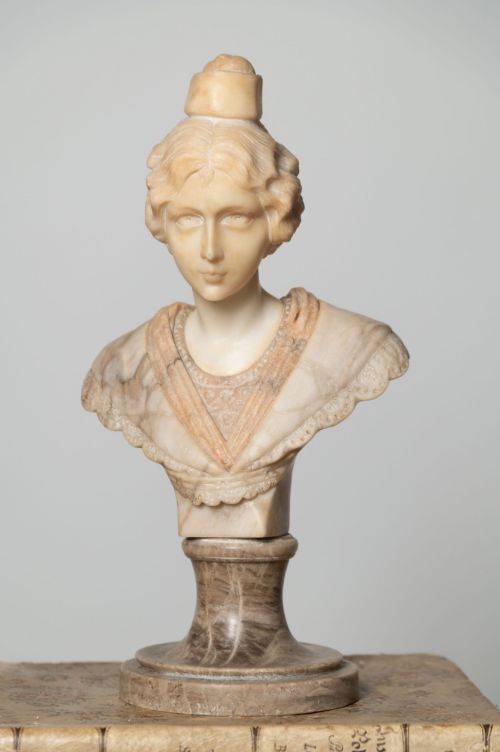
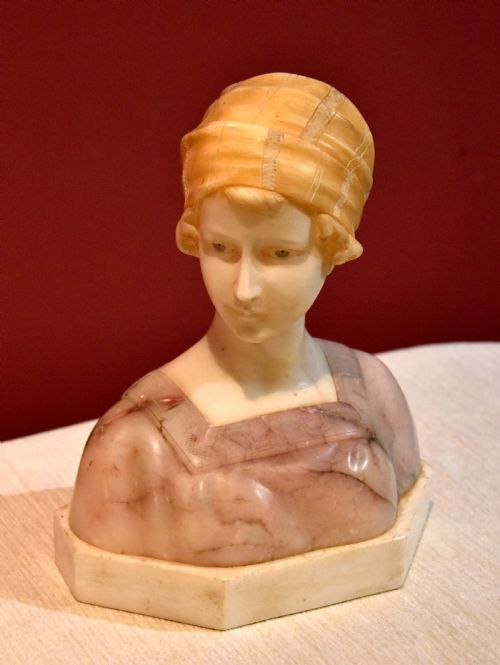
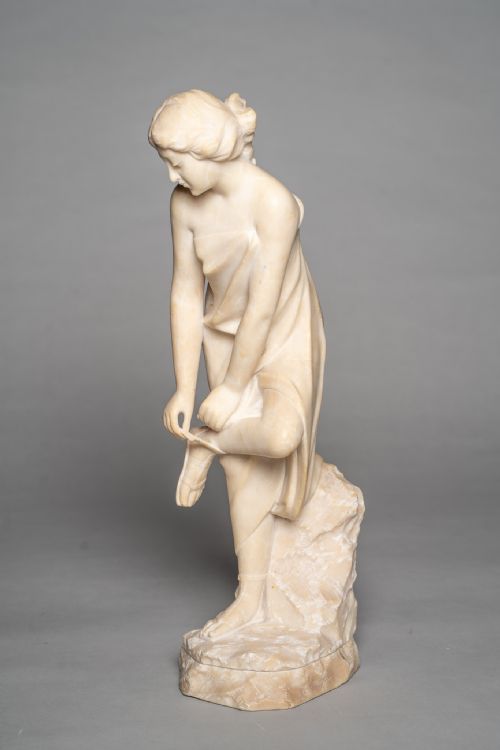
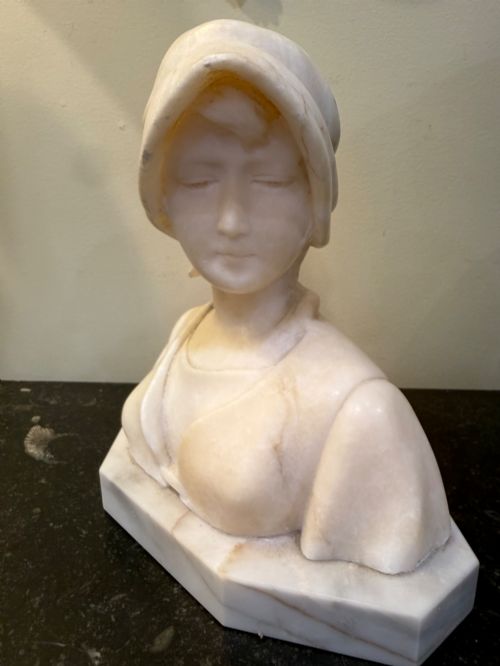
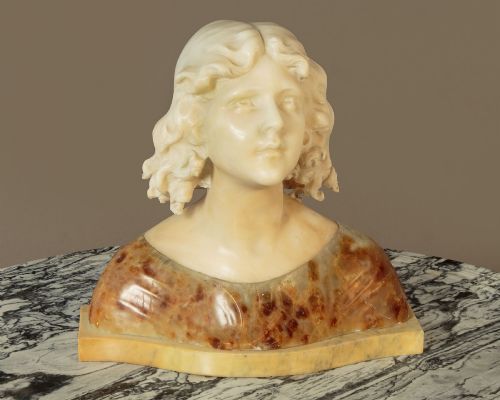
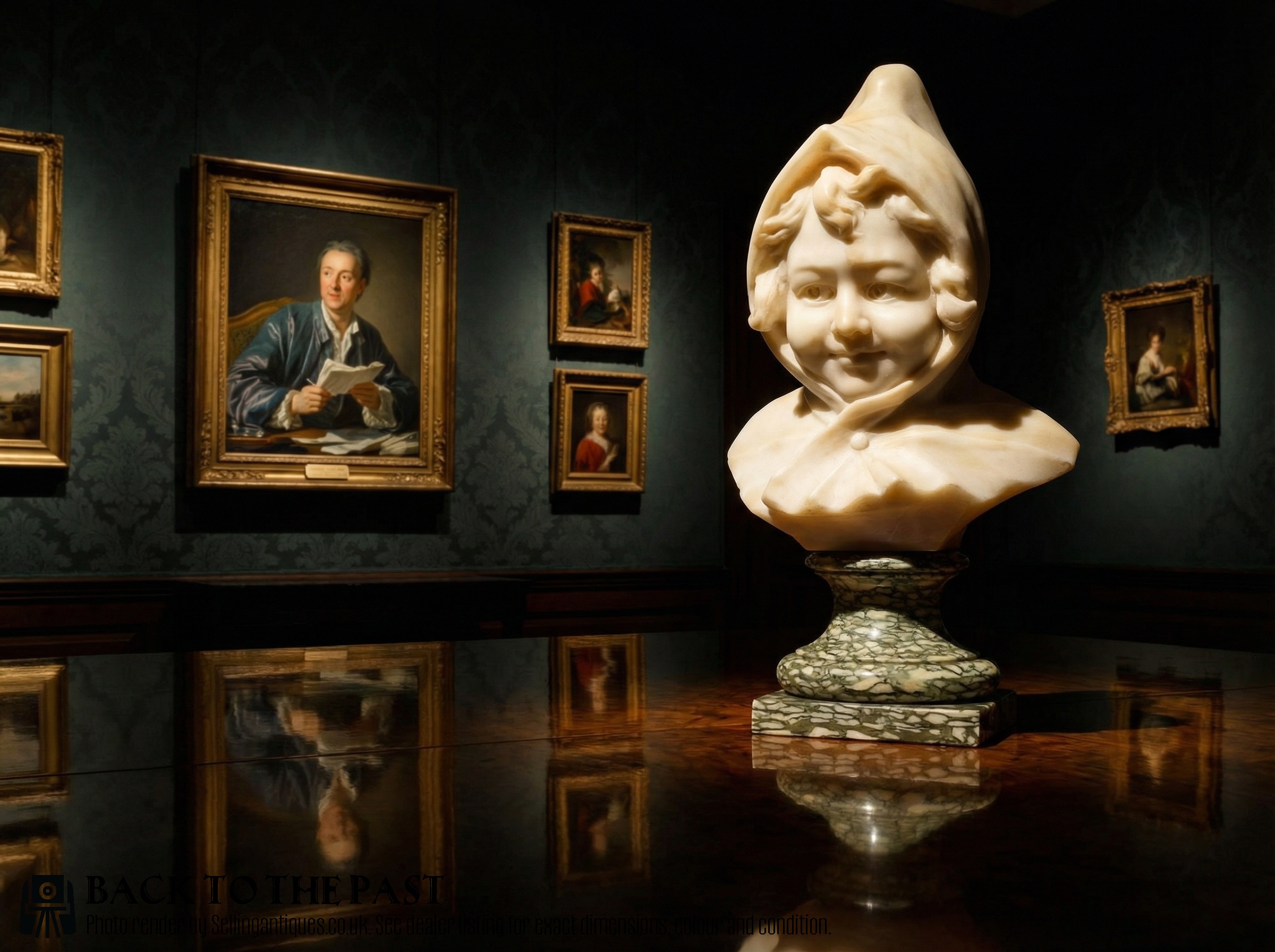
The form you'll meet most often is a carved female subject. "Sculpture" appears in 85 of 207 listing titles and "carved" in 74, with "bust" in 57 and "female" in 32. Italy leads origin at 60 titles, France follows at 26, and the repeated formula is an Italian or French carved alabaster figure of a woman or girl, often two-tone, sometimes signed. Marble turns up constantly as a socle or base.
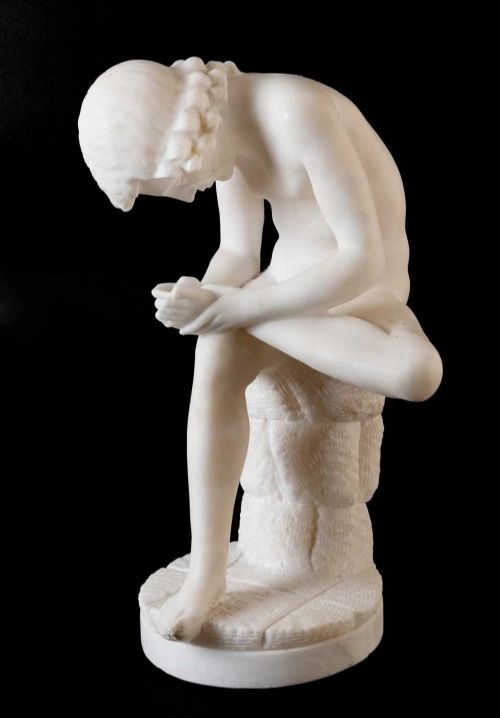
The second strand is Grand Tour work, in 34 titles. These are souvenir reductions carved for travellers on the Continent, and the subjects repeat: Medici lions, the Lion of Lucerne, Spinario, the Dying Gaul, the Farnese Hercules, the Colosseum, the Leaning Tower and the Baptistery at Pisa. Alabaster supported a large workshop trade in Italy, Tuscany especially, turning out figures, busts and reduced copies of famous statues.
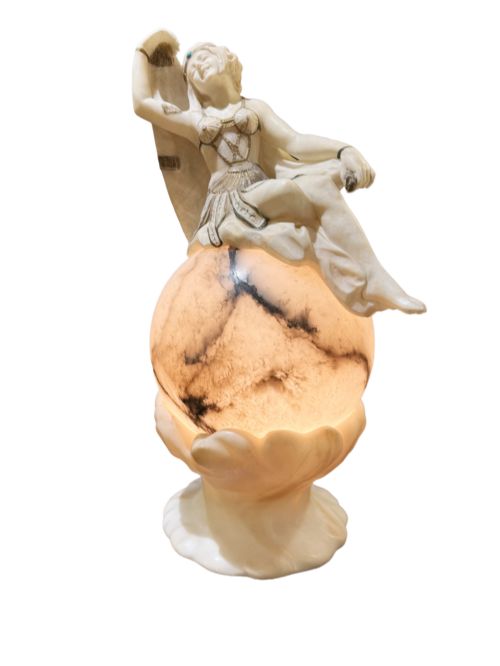
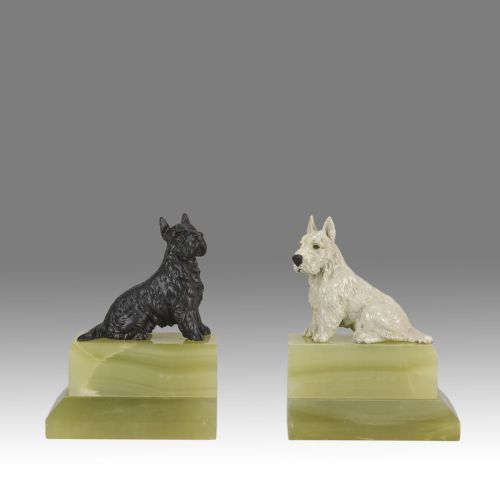
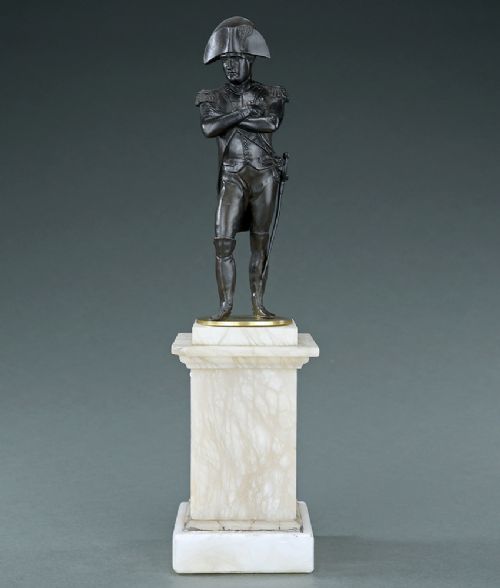
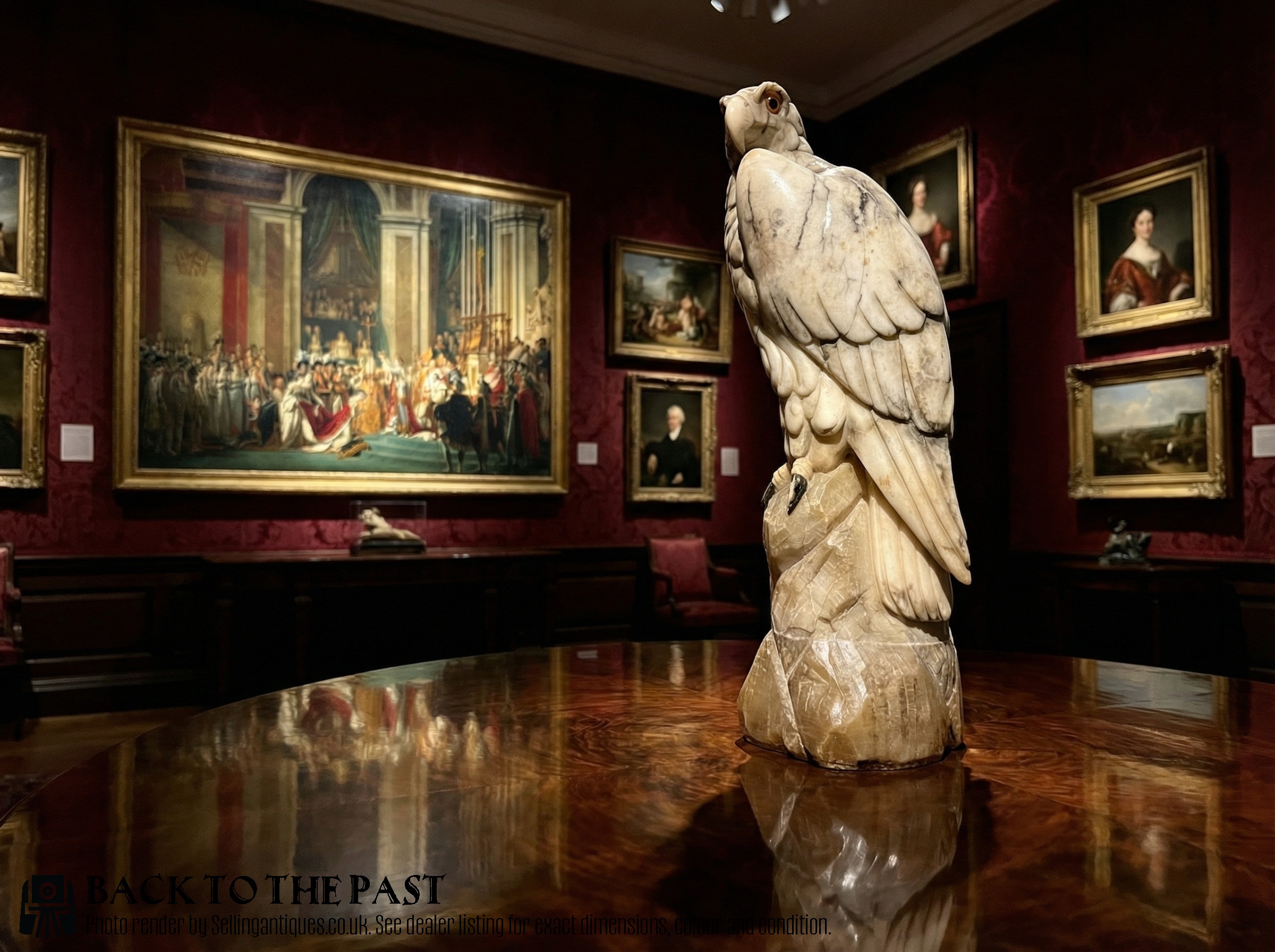
Marble appears in 38 titles, and some of those carry no alabaster at all: library busts, portrait busts, a marble eagle, bronze and spelter figures standing on alabaster bases. Smaller seams run alongside. Art Nouveau and Art Deco figures and lamp bases dated 1900 to 1930, animals from goats and recumbent dogs to a parrot, a tiger and a pair of lionesses, and architectural models such as a Taj Mahal in a glazed case.
Dating sits between 1800 and 1940, with 138 listings carrying a clean year. The single biggest entry isn't a decade but "19th Century", used on 52 listings, so a great many pieces are placed only to the century. After that the weight falls in the 1900s, 1910s and 1920s. English-quarried stone is the rarest origin, with two titles naming Derbyshire alabaster.
What Lifts A Piece
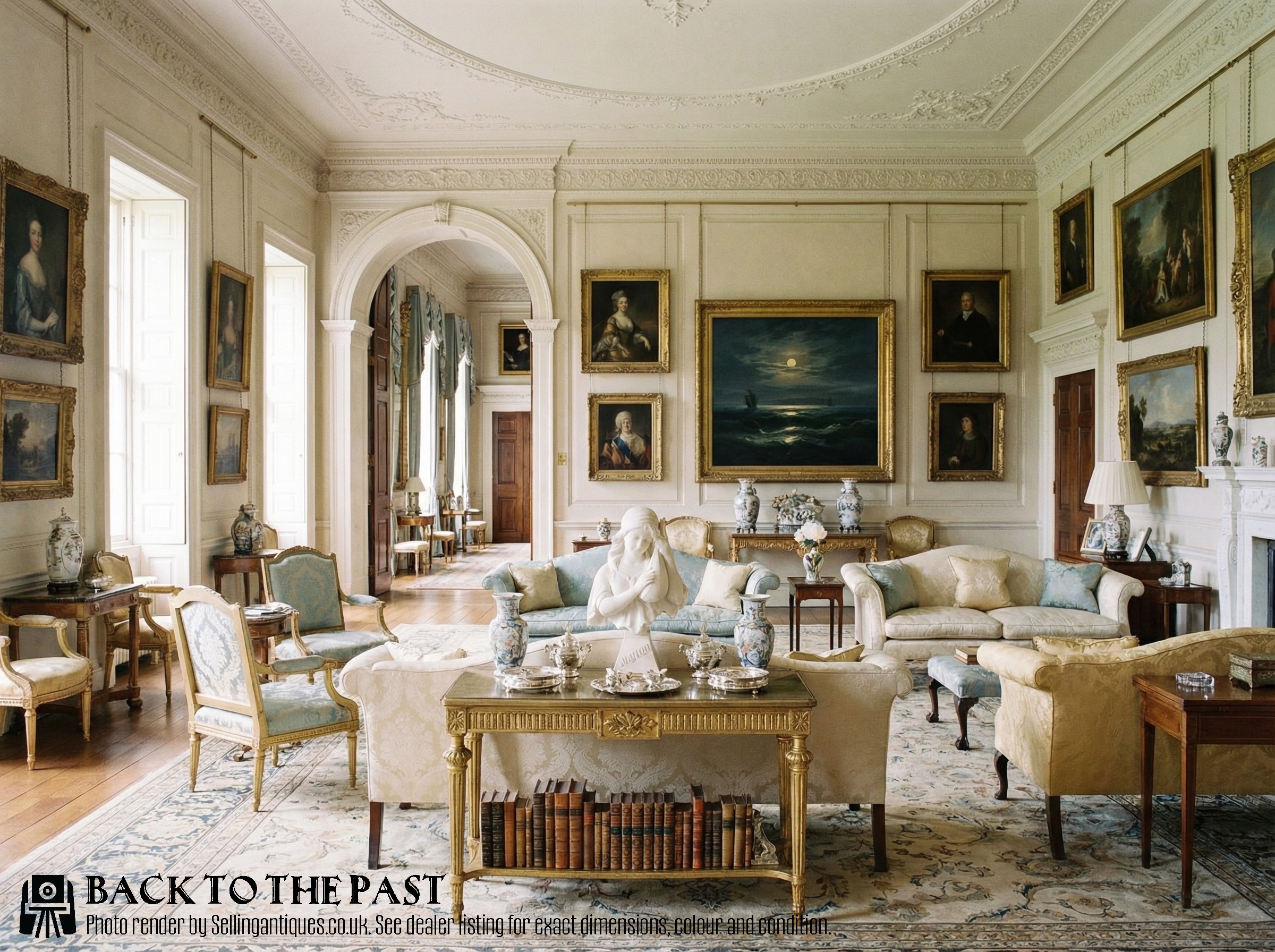
A name does most of the work. Few titles say "signed", and those that do sit in the upper part of the range, while an unsigned "Carved Alabaster Sculpture" sits at the bottom. Scale pulls the same way: "large" appears in 20 titles, and the biggest size stated in a title stands 83cm tall.
Subject matters as much as stone. Multi-figure groups cluster well above single busts, and the samples show children pushing a cart, Cupid and Psyche, a couple on a camel, the Sabine Women and a pair of wrestlers. A group asks more of the carver, and the carving is what's being bought.
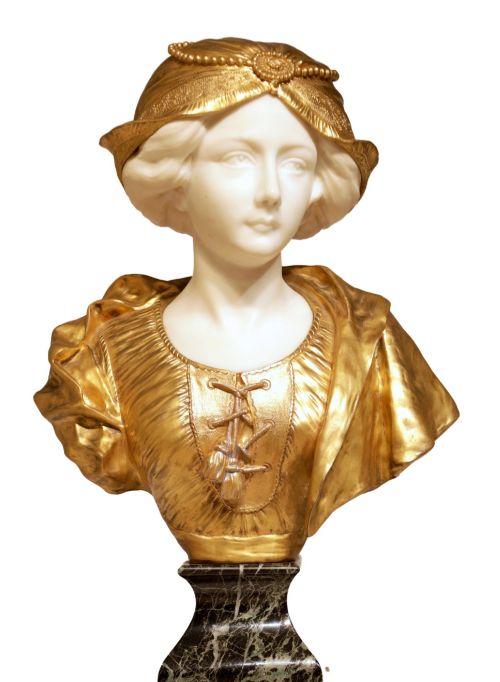
Materials mix into the reckoning too. Alabaster combined with bronze, ormolu or gilt reads higher than plain alabaster, and two-tone carving, always on Italian female figures in these samples, runs through the upper half. Spelter figures on an alabaster base sit at the lower end.
Antique Alabaster Sculptures Retail Price Guide 2026
Typical UK retail prices for alabaster sculptures, calculated from the Sellingantiques database of over a million retail prices indexed since 2003. This retail price guide relies exclusively on Sellingantiques data; no external sources or auction records are used, so the figures do not describe the wider market.
Pugi is the name that turns up from the most dealers on Sellingantiques, carried by four of them across sixteen signed pieces.
Pugi
The Antique Alabaster Sculptures Glossary
- Alabaster
- Soft gypsum or calcite stone, faintly translucent when worked thin. It's carved by hand rather than cast, which is why no two workshop figures match exactly.
- Bust
- Head and upper chest only, cut off above the waist. It's in 57 titles in this category, commonly a woman or a girl, and often set on a marble socle.
- Grand Tour
- Souvenir sculpture made for travellers on the Continent, usually a scaled-down copy of a famous monument or antique statue.
- After the antique
- A copy or reduction of a classical original, as in "after the antique, The Dying Gaul". "After [artist]", in 17 titles, means a copy of another sculptor's composition rather than that sculptor's own hand.
- Two-tone
- A figure worked from stone of two colours, or combining pale and darker alabaster. The phrase turns up again and again on Italian female figures.
- Near pair
- Two matching but not identical pieces sold together. "Pair" appears in 14 titles, and lions and lionesses account for several of them.
Antique Alabaster Sculptures: Frequently Asked Questions
How old are alabaster sculptures usually?
The dated field runs from 1800 to 1940, and 138 of the 207 listings carry a clean year.
The largest single entry is the vague "19th Century", used on 52 listings, more than any precise decade. After that the weight sits in the 1900s, 1910s, 1920s and 1890s. A framed relief panel dated 1940 is the latest year in the archive.
Where were they made?
Italy dominates, named in 60 titles, with "Italian carved" alone accounting for 28. France follows at 26.
Alabaster supported a large workshop trade in Italy from the 19th century, Tuscany in particular, producing figures, busts and reduced copies of famous statues for the tourist and export market. Only two titles name Derbyshire alabaster.
What is a Grand Tour alabaster?
A souvenir carved for travellers on the Continent, generally a reduction of a well-known monument or antique statue. The strand runs to 34 titles, about a sixth of the category.
The subjects repeat rather than surprise: Medici lions, the Lion of Lucerne, Spinario, the Dying Gaul, the Farnese Hercules, the Colosseum, the Leaning Tower and the Baptistery at Pisa.
Why do marble pieces appear alongside?
Marble is named in 38 titles. Some are alabaster figures on marble socles or bases, which is a standard combination.
Others carry no alabaster in the title at all: library busts, portrait busts, a marble eagle, and bronze or spelter figures mounted on an alabaster base. Dealers file them together because of the mount or the base.
Are these sculptures signed?
Not often. Signatures are named in a small minority of titles.
One name, Pugi, accounts for 16 of them across four dealers and is the only maker in the archive carried by more than a couple of sellers. Signed work sits in the upper part of the range.
How many come up for sale?
Around 20 reach the market in a year on Sellingantiques.
Sixty-seven different dealers have listed one, which makes this a wide, shallow trade rather than the preserve of a few specialists.