
There are no results to show on this page for that combination of filters:
Antique Inlaid Dressing Tables in Northern Ireland
A 2026 Guide by Sellingantiques
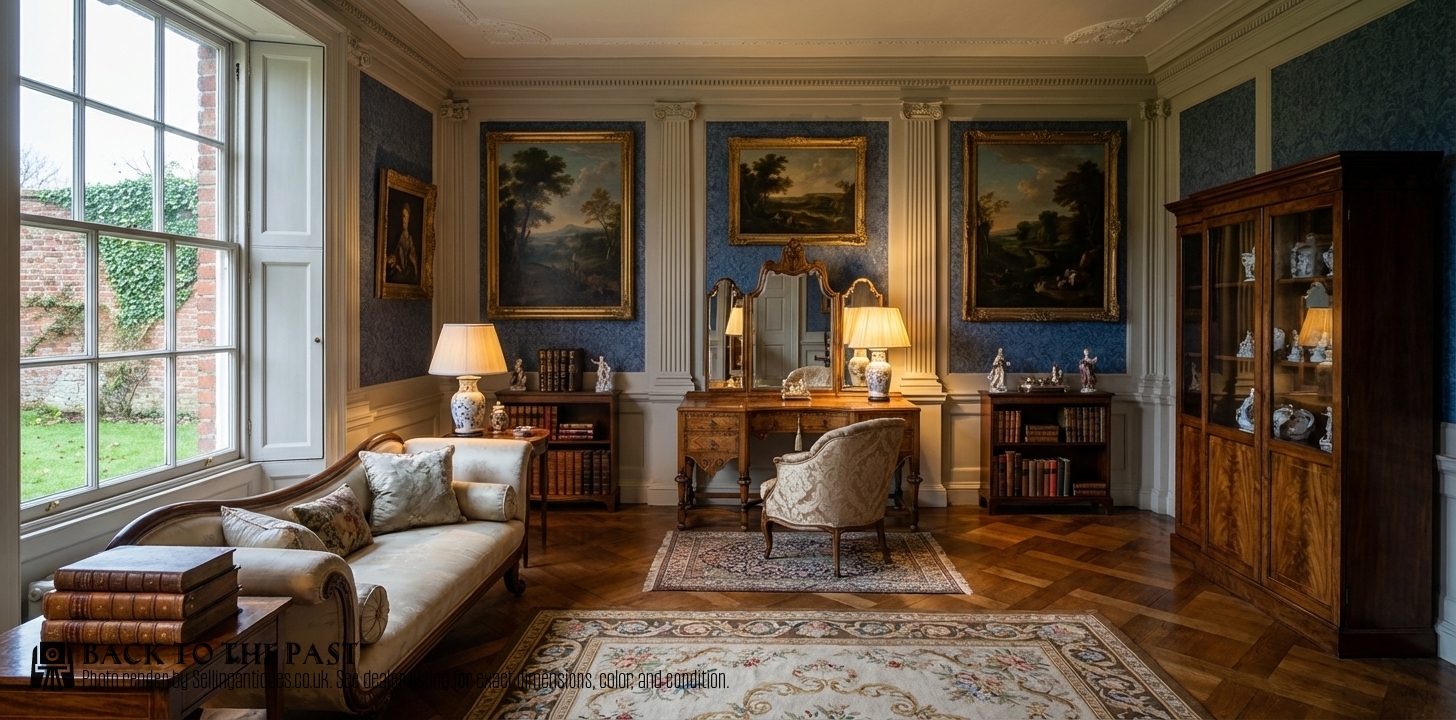
Amazing Beautiful Dressing Table by Maples, 1900
Priced at £2,750 from Fernyhough Antiques Ltd
These first appeared as dedicated bedroom furniture in the late seventeenth century. Before that, wealthy households just draped a standard side table with fabric.
Antique inlaid dressing tables reached their peak during the Georgian period.
Look at Victorian examples. They often became much heavier and incorporated full-length swinging mirrors.
Continental designs influenced British cabinetmakers. French court styles introduced elaborate marquetry panels depicting floral sprays or musical instruments.
The shift from portable toilet boxes to freestanding furniture changed bedroom layouts across the country.
Thomas Chippendale produced several refined designs for these. His documented commissions occasionally feature brass hardware and subtle crossbanding.
Look for Gillows of Lancaster pieces. They stamped their names on drawer edges from the late eighteenth century onwards.
George Hepplewhite published popular patterns in his 1788 guide. The trade widely copied his shield-shaped mirrors and tapered legs.
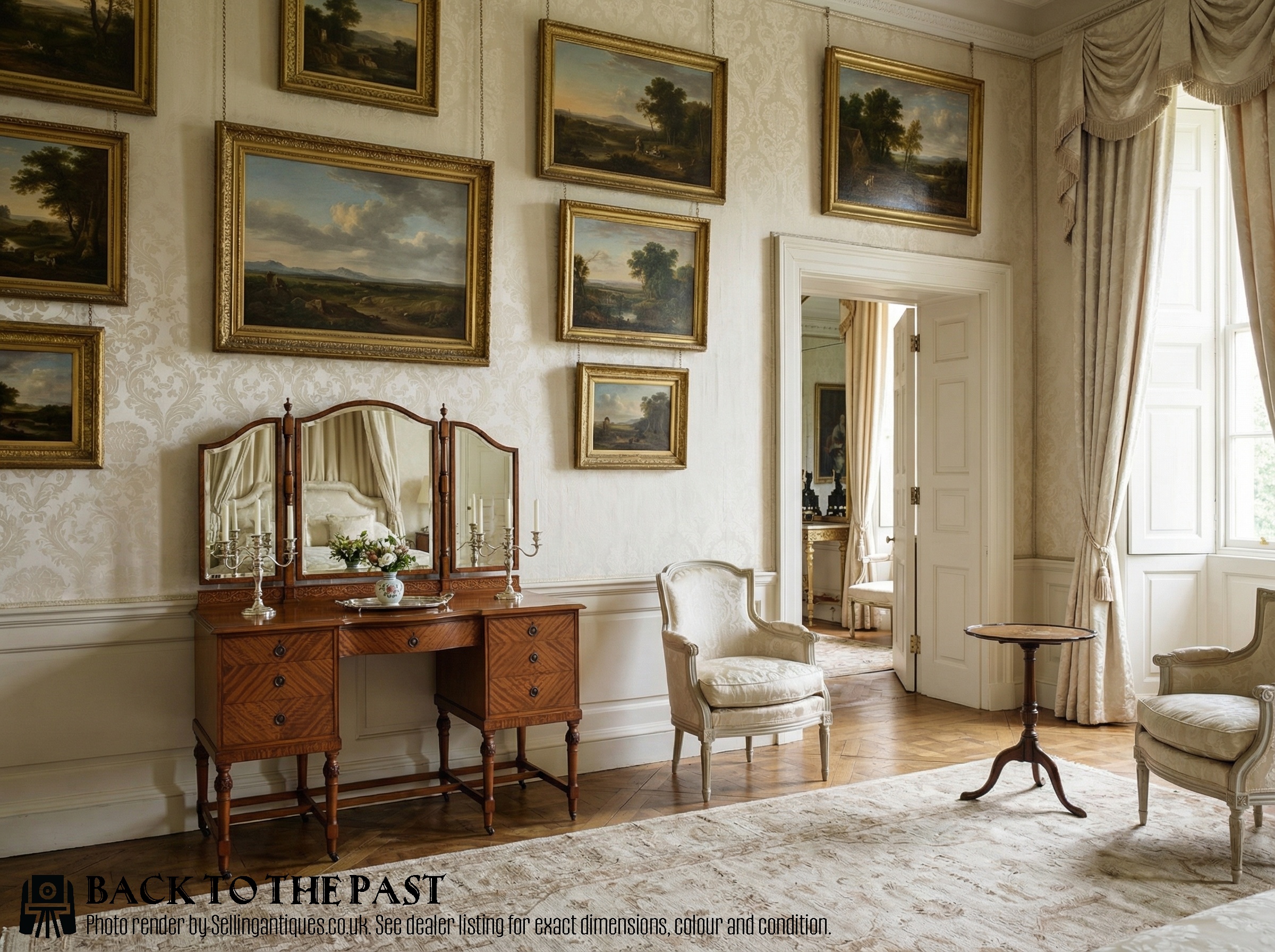
Satinwood Inlaid Dressing Table, 1910
Priced at £1,495 from Shackladys Antiques
The 2026 retail price guide for Antique Inlaid Dressing Tables is drawn from a proprietary archive of over 1.1 million retail prices indexed by Sellingantiques since 2003. This guide relies exclusively on their own internal data; no external sources or auction records are used.
Analysing nearly 25 years of UK antique market history alongside current retail values, the data indicates that typical UK retail prices for Antique Inlaid Dressing Tables range between £500 and £3,300. Entry-level prices generally fall under £500 and premium examples upwards of £3,300.
A central kneehole. This allows someone to sit comfortably close to the mirror while preparing for the day.
Swing mirrors are mounted on vertical supports called horns. They tilt to show different angles.
Examine the storage layout. Banks of small, shallow drawers flank the central void to keep brushes and powders separated.
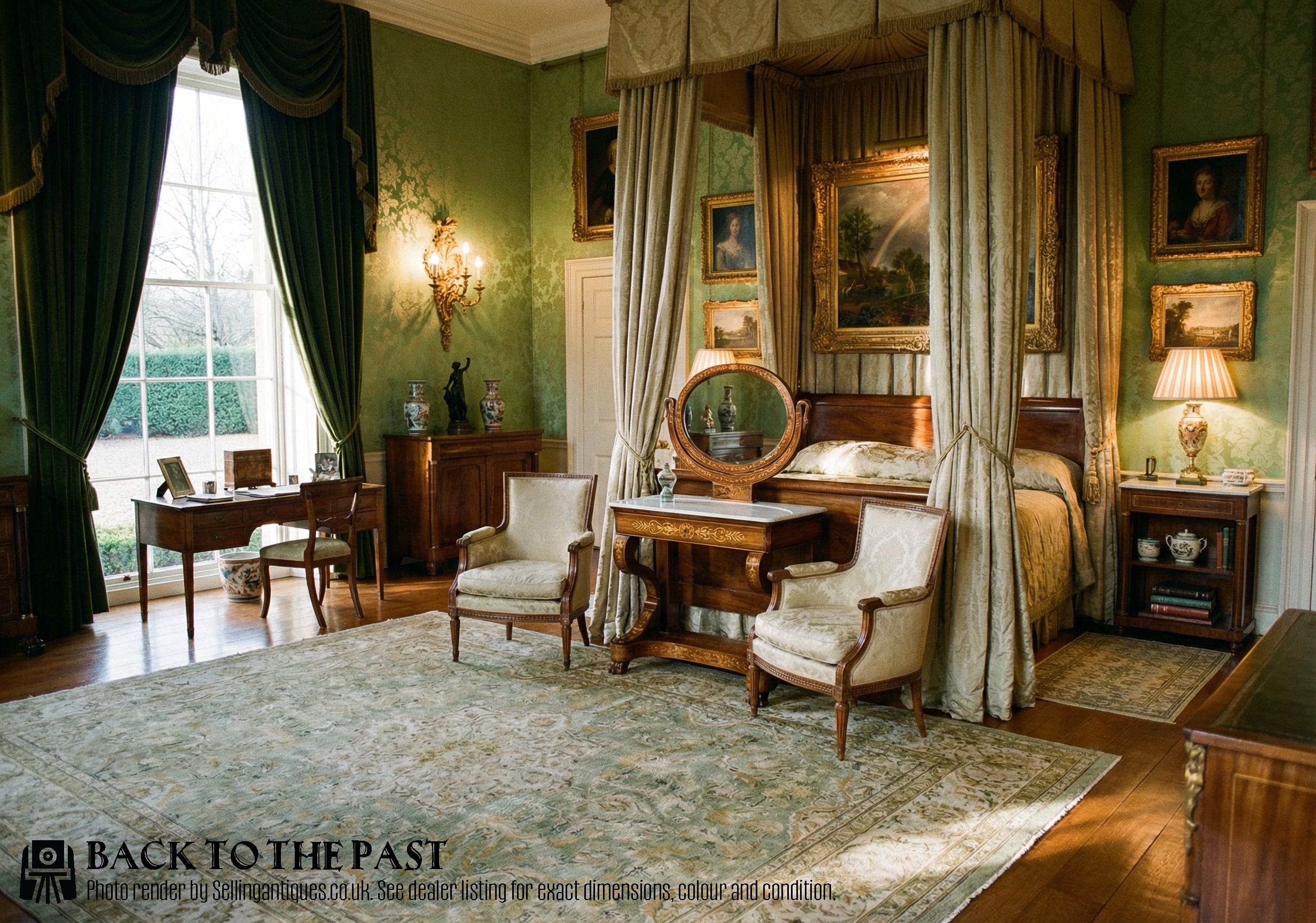
19th Century Rosewood Inlaid Dressing Table, 19th Century
Priced at £4,975 from Shackladys Antiques
Early examples feature thick, hand-sawn veneers. The cabinetmaker had to flatten these with a toothing plane before gluing them down.
Notice the drawer joints. Hand-cut dovetails hold the fronts to the sides, securing the structure against years of pulling.
Craftsmen cut the inlay using a marquetry donkey. They clamped layers of different woods together to saw identical interlocking shapes at once.
"Many incorporated clever folding mechanisms. Some tops slide back to reveal hidden writing surfaces and segmented compartments."
"The intricate floral marquetry actually served as a sign of education. The designs often copied exact botanical drawings from contemporary science books."
"Small side drawers are tailored to fit specific bottles. Sometimes they still contain the original glass pots for ointments."
Based on almost 25 years of Sellingantiques UK antique market data, Antique Inlaid Dressing Tables appeared 40058 times (out of 1,100,000 antiques) which gives it a rarity score of 1/100.
This score measures scarcity within the Sellingantiques archive only and is not a survey of the entire antiques market, so these statistics may not be indicative of the general availability of Antique Inlaid Dressing Tables elsewhere.
It depends on the period and the core timber. Early Victorian pieces built from solid mahogany are difficult for one person to lift. The mirror framework alone adds significant top weight.
Georgian examples tend to be lighter. They often rely on thinner pine carcases covered in veneer, standing on delicate tapered legs. Two people can usually move these up a flight of stairs without much trouble.
This is a common issue with older properties. The easiest fix is placing small cork pads or shaped wooden wedges under the feet. You just trim them until the piece sits flush.
Some later antique models have original brass castors. If the floor dips severely, the castors will roll. In that case, rest the wheels inside small castor cups to keep the piece anchored during use.
Yes. A glazier can cut new mirror glass to fit the existing wooden frame. They remove the backboard and secure the replacement in the rebate.
Many buyers prefer keeping the original glass. The grey spotting is part of the history.
Most antique inlaid dressing tables sit quite low. They were designed for use with a small bedroom stool rather than a gas-lift desk chair.
If she plans to type for hours, the ergonomics might not work out. A standard dining chair usually offers a better height match than modern office seating, but the legroom underneath will always be tight.
Please note: This Antique Inlaid Dressing Tables guide and its associated pricing data are provided for general informational purposes only. It does not constitute formal financial, investment, or appraisal advice and should not be relied upon as the sole basis for any commercial activity, purchasing, or sales decisions. Sellingantiques.co.uk accepts no liability for any actions taken in reliance on this information. Always consult with a qualified professional or independent appraiser.
