





A 2026 Guide by Sellingantiques
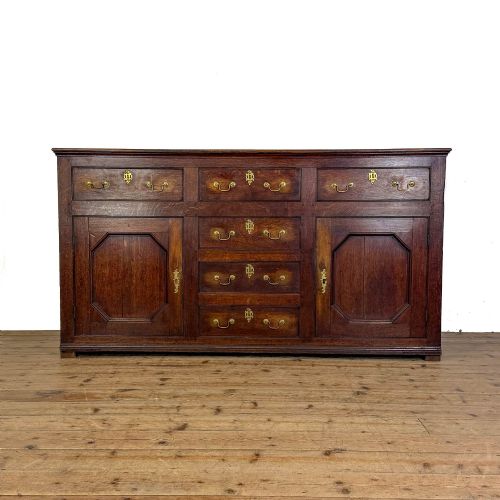
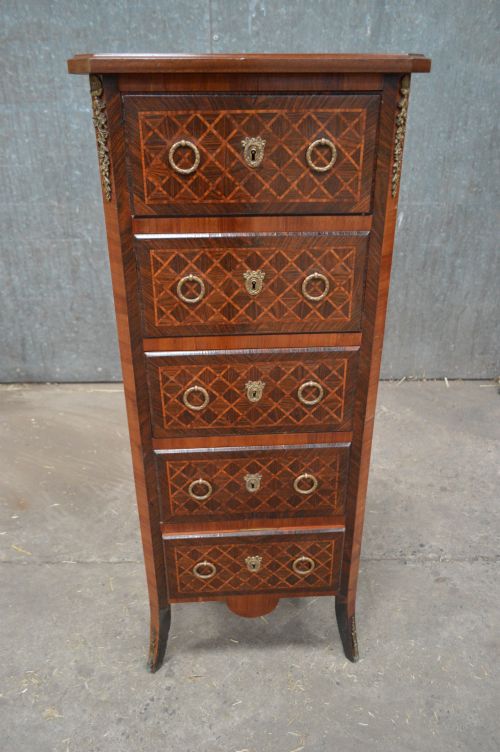
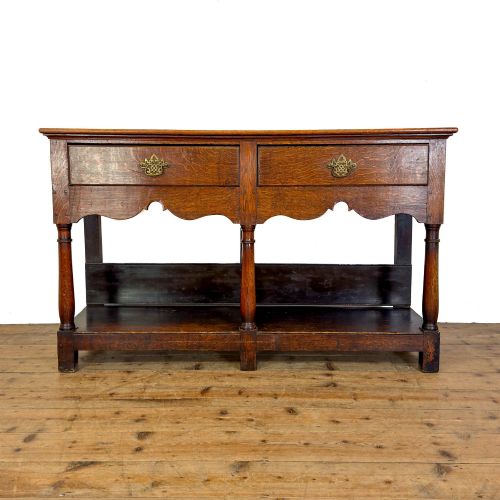
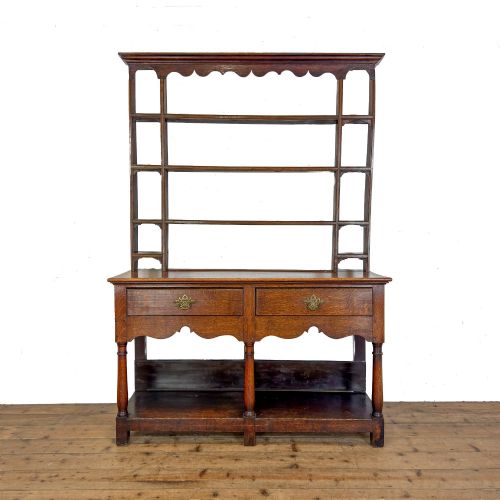
Unusual Slim Arts and Crafts Oak Cottage Dresser ., 1910
Priced at £340 from Rupert Hitchcox Antiques
Evolved from simple side tables. Early examples were just base units with deep drawers for linens.
Racks appeared later in the eighteenth century. A neat way for households to display imported ceramics.
Regional differences span the British Isles. Welsh variants feature pot boards, while Yorkshire examples favour cupboards.
Victorian homes pushed these down to the kitchen. Servants used them daily for meal prep.
Designers appreciated the honest, traditional forms. The antique oak dresser saw a major revival during the Arts and Crafts movement.
Documented makers rarely signed domestic furniture. Production fell to anonymous rural joiners rather than fashionable London cabinet-makers.
Local traditions dictated the design. A craftsman in Montgomeryshire built something quite different to a joiner in Lancashire.
Guild rules shaped construction methods in provincial towns. Apprentices learned specific local ways of cutting joints.

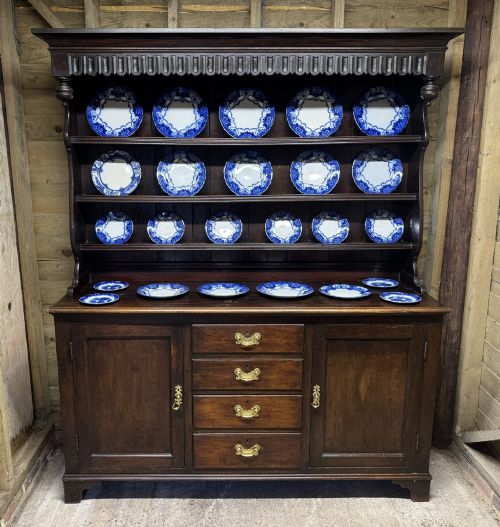
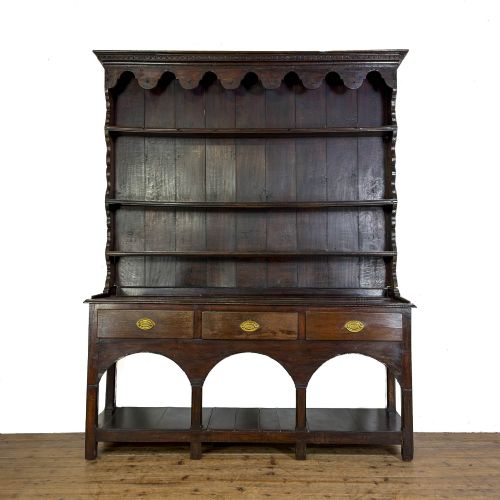
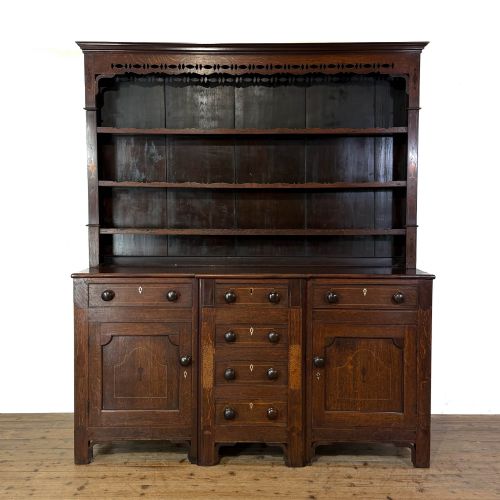
Fine Georgian Country Oak Dresser, 19th Century
Priced at £1,740 from Elmgarden
The 2026 retail price guide for Antique Oak Dressers is drawn from a proprietary archive of over 1.1 million retail prices indexed by Sellingantiques since 2003. This guide relies exclusively on their own internal data; no external sources or auction records are used.
Analysing nearly 25 years of UK antique market history alongside current retail values, the data indicates that typical UK retail prices for Antique Oak Dressers range between £1,100 and £3,900. Entry-level prices generally fall under £1,100 and premium examples upwards of £3,900.
Open shelves dominate the upper section. Racks with shaped friezes or small built-in spice cupboards.
Base sections offer a mix of storage. Usually a row of three deep drawers above enclosed doors.
Always check the feet. Bracket forms on enclosed bases, turned legs on open pot-board designs.
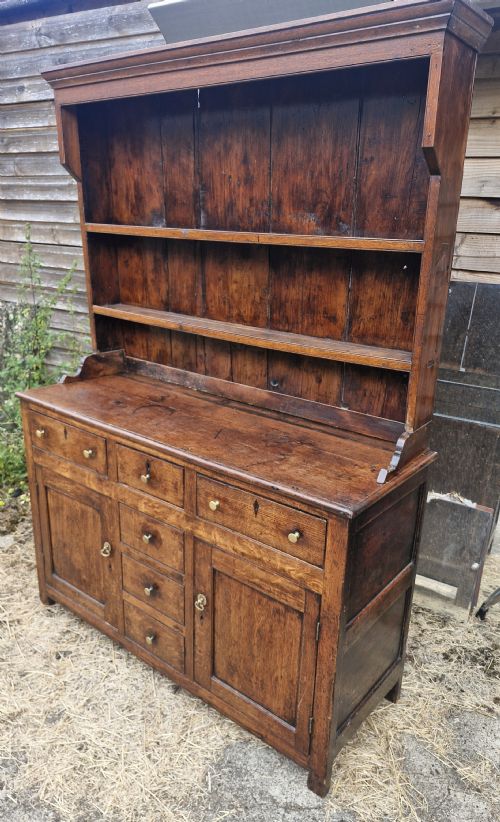
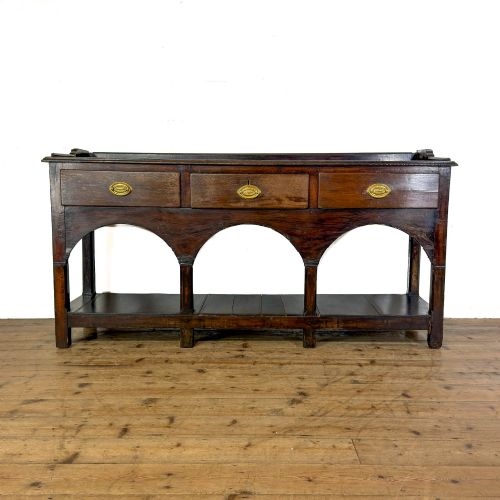
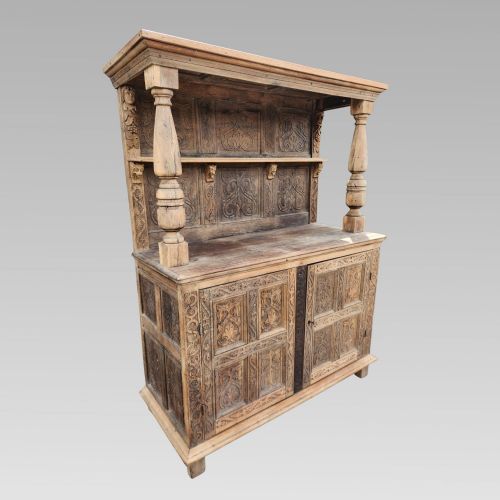
Rare and Early Welsh Potboard Dresser of Small Proportions, Circa 1730, Georgian
Priced at £6,200 from WelshAntiques
Pegged mortise and tenon joints hold the main frame together. You can usually feel the raised wooden dowels.
Hand-cut dovetails secure the drawers. Early examples show a few thick pins, becoming finer as time progressed.
Frame and panel construction prevents solid sides from splitting. The central board floats loosely inside grooved housings.
"Meat hooks were frequently screwed to the top frieze. They provided handy hanging space for jugs and cured goods."
"Removable racks made moving house easier. The top section simply lifts away from the base without needing tools."
"Secret drawers hide behind the central framing on some models. Cleverly concealed behind dummy panels."
Based on almost 25 years of Sellingantiques UK antique market data, Antique Oak Dressers appeared 6754 times (out of 1,100,000 antiques) which gives it a rarity score of 26/100.
This score measures scarcity within the Sellingantiques archive only and is not a survey of the entire antiques market, so these statistics may not be indicative of the general availability of Antique Oak Dressers elsewhere.
Dusting with a dry cloth keeps the surface clear. You can use a damp cloth for sticky marks, but dry it immediately afterwards to prevent water sitting on the finish.
Apply a good quality beeswax polish once or twice a year. Feed it into the grain sparingly and buff it off after a few minutes.
Avoid spray polishes entirely. They leave a silicone residue that eventually turns cloudy and ruins the traditional patination.
Most large bases sit fine on uneven floors if you pack the feet with small wooden wedges. The sheer weight of an antique oak dresser keeps it fairly planted.
The rack is a different matter. Older properties rarely have plumb walls, meaning the top section might lean forward slightly once loaded with heavy plates.
You should secure the upper section to the masonry behind it. A simple brass mirror plate screwed out of sight does the job.
Usually, yes. The rack just rests on the base in most eighteenth-century designs.
Some later Victorian models screw the two halves together through the backboards. You just back the screws out before lifting.
The base can handle copper pans without any trouble. Solid boards over a sturdy carcase will support heavy metalware for centuries.
Upper shelves are better suited to lighter display pieces. Copper relies heavily on iron handles, which often project too far out to sit safely on narrow rack grooves.
Display your heavy copper on a pot board if your dresser has one. Reserve the upper rack for plates and small jugs.
Please note: This Antique Oak Dressers guide and its associated pricing data are provided for general informational purposes only. It does not constitute formal financial, investment, or appraisal advice and should not be relied upon as the sole basis for any commercial activity, purchasing, or sales decisions. Sellingantiques.co.uk accepts no liability for any actions taken in reliance on this information. Always consult with a qualified professional or independent appraiser.
