
A 2026 Guide by Sellingantiques
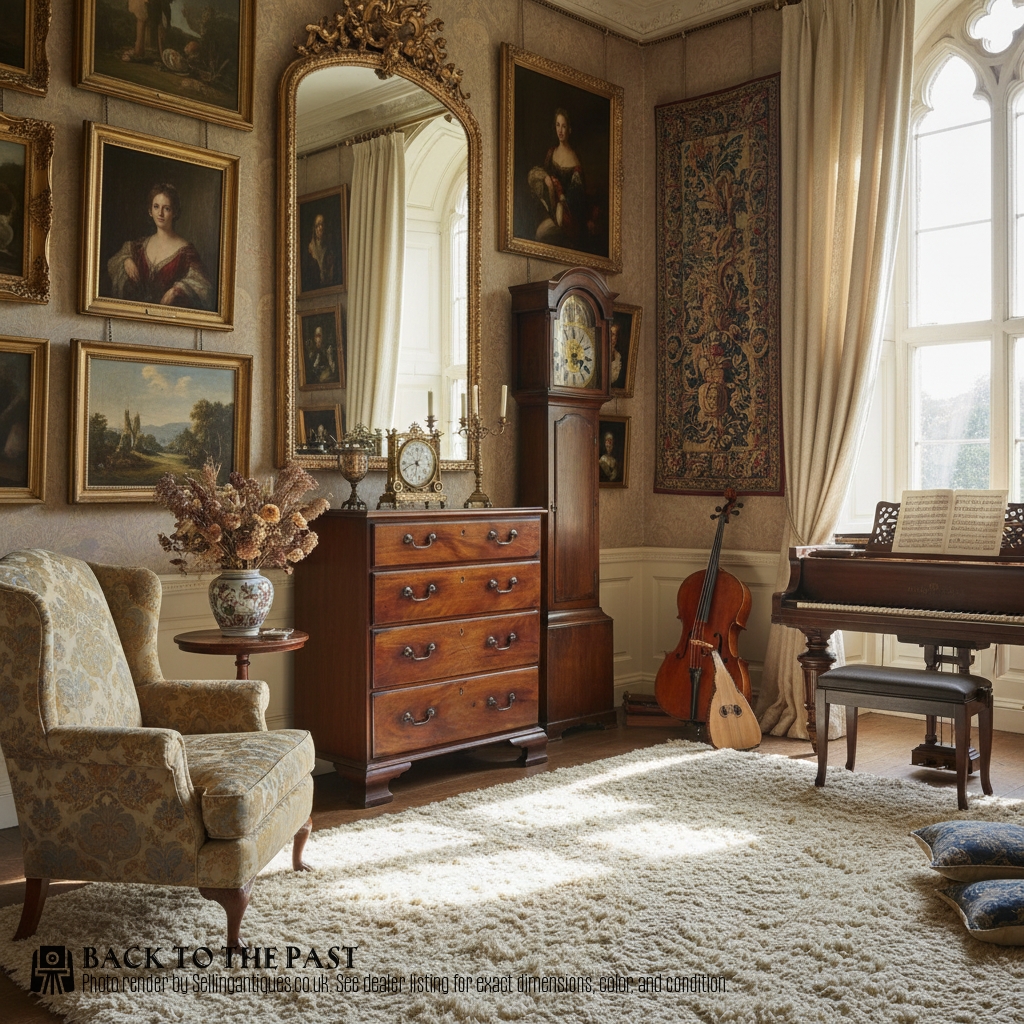
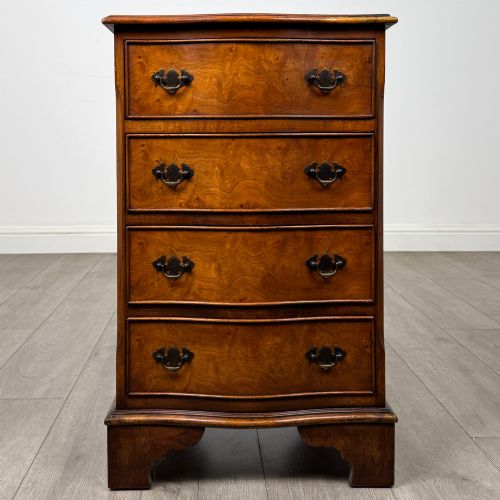
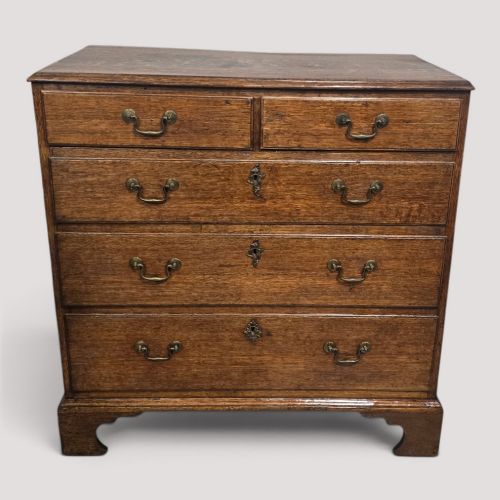
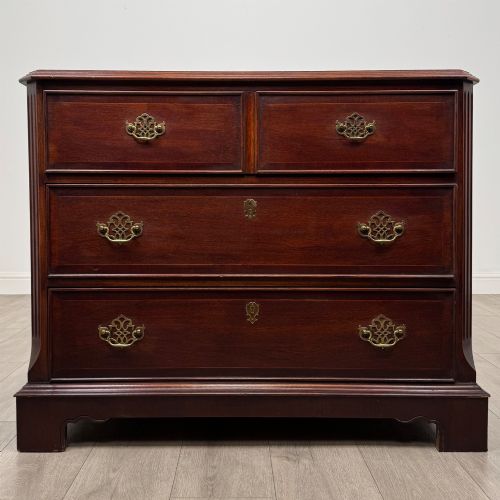
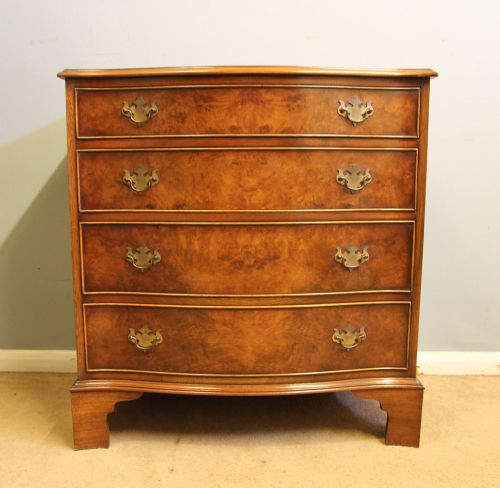
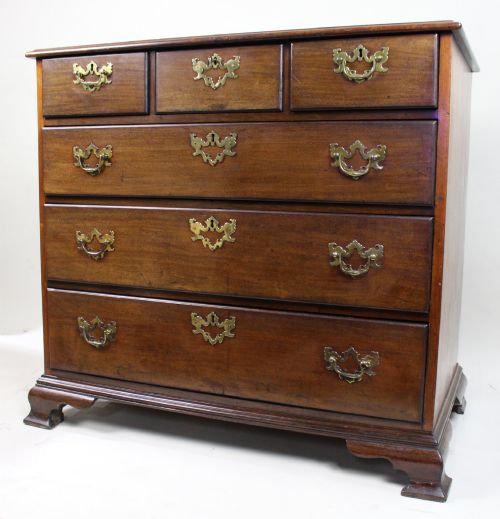
Small Georgian Mahogany Chest of Drawers, 1750
Priced at £850 from Athey Antiques
The classic Georgian chest of drawers evolved from earlier coffer designs. They became standard bedroom furniture as people accumulated more washable textiles.
Watch how the proportions change over the decades. Early ones stand wide and squat, while later pieces grow taller and narrower.
Storage demands shifted throughout the eighteenth century. You see drawer configurations adapt, moving from deep cavities to shallower graduated tiers.
Regional variations tell a story. Country craftsmen interpreted metropolitan fashions using local timbers and simpler hardware arrangements.
Thomas Chippendale produced exceptional veneered examples for his wealthy clients. His documented commissions show precise matching of figured grain.
Gillows of Lancaster built solid mahogany pieces. They relied on good proportions and crisp mouldings rather than elaborate surface decoration.
Most ordinary Georgian chests carry no maker mark. The vast majority were built by anonymous provincial joiners working to pattern books.
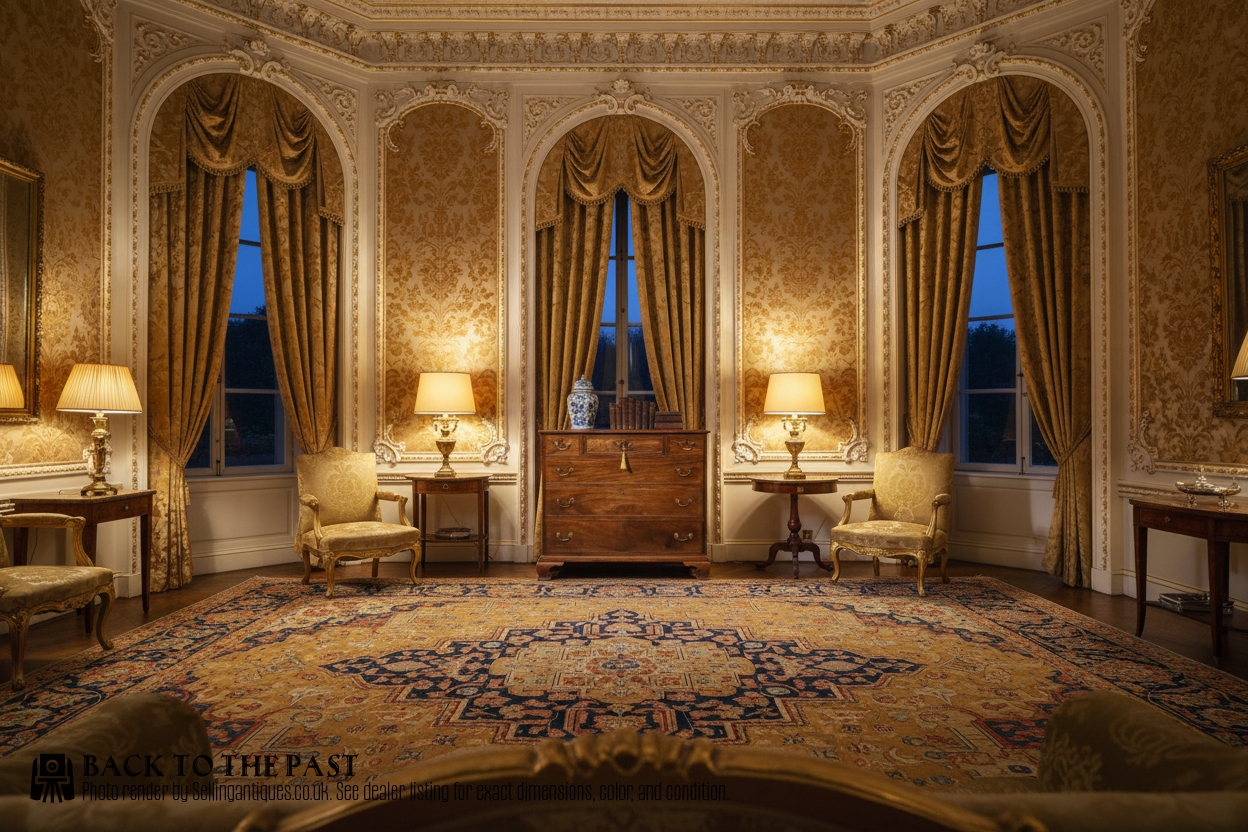
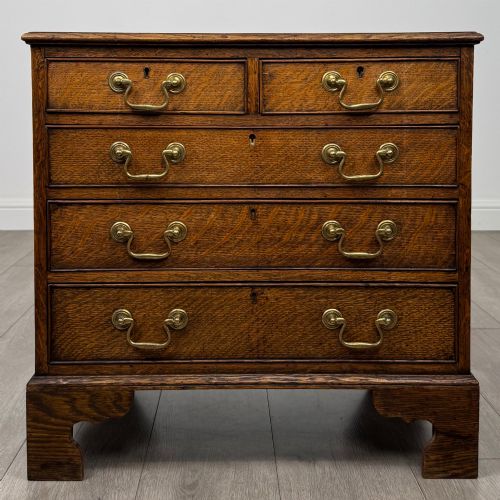
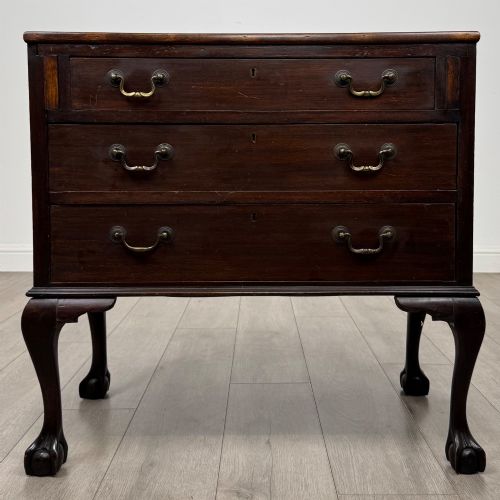
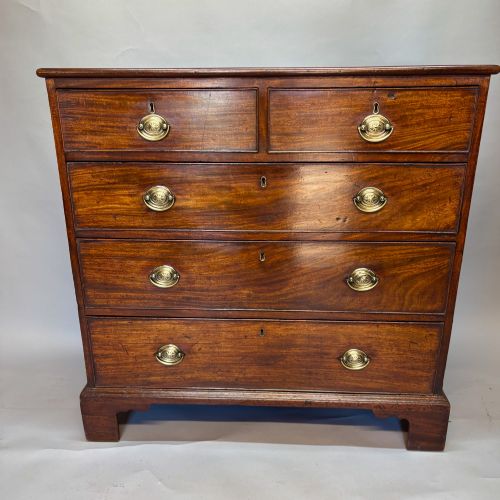
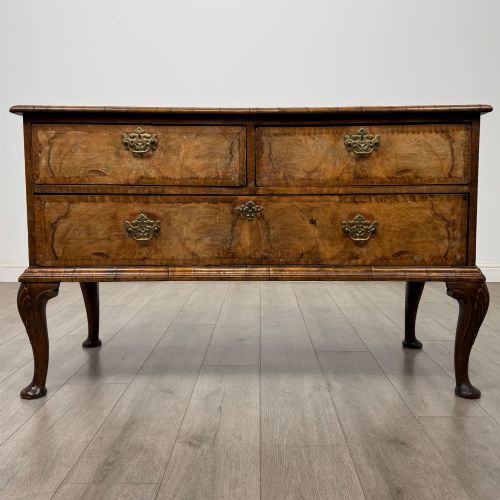
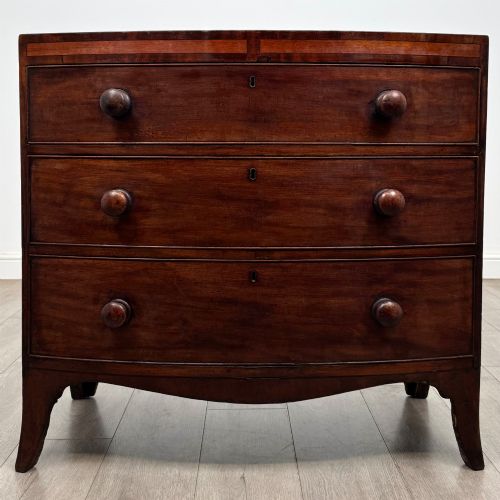
An Unusual Georgian Mahogany Chest of Drawers, 18th Century
Priced at £2,250 from W.J. Gravener Antiques Ltd.
The 2026 retail price guide for Georgian Chest Of Drawers is drawn from a proprietary archive of over 1.1 million retail prices indexed by Sellingantiques since 2003. This guide relies exclusively on their own internal data; no external sources or auction records are used.
Analysing nearly 25 years of UK antique market history alongside current retail values, the data indicates that typical UK retail prices for Georgian Chest Of Drawers range between £700 and £2,900. Entry-level prices generally fall under £700 and premium examples upwards of £2,900.
Graduated drawers define the typical Georgian chest of drawers. The deepest sit at the bottom, getting progressively shallower towards the top line.
Look at the feet. Bracket forms support most plain examples. Ogee shapes and splayed French feet turn up on later variations.
Brass hardware changes with the calendar. Solid backplates give way to open swan-neck handles. Stamped oval plates appear near the turn of the century.
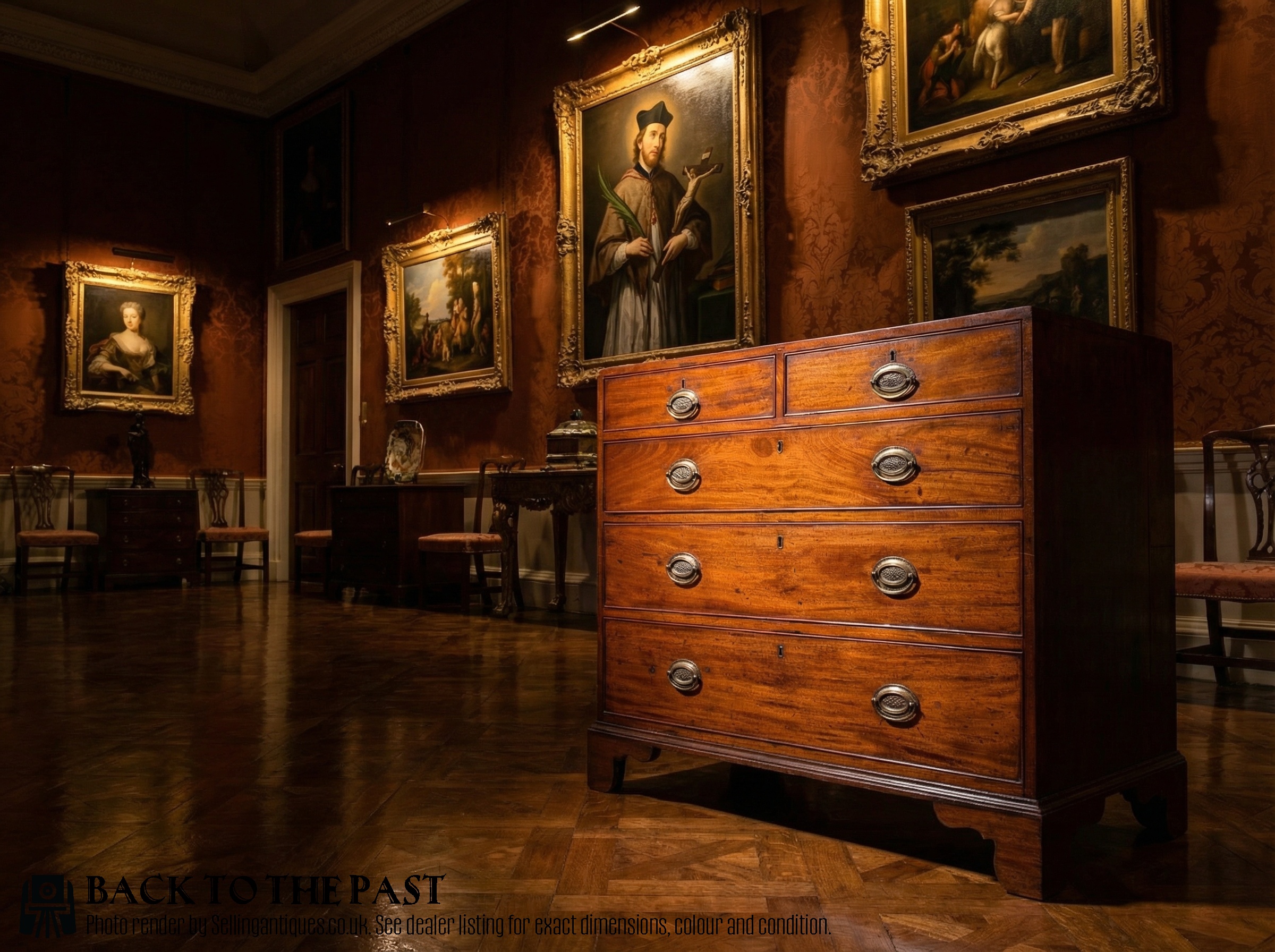
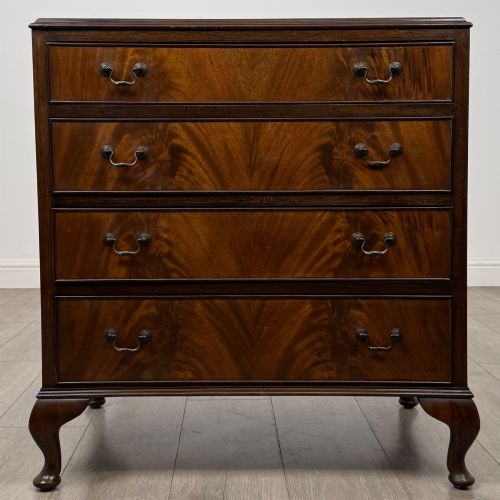
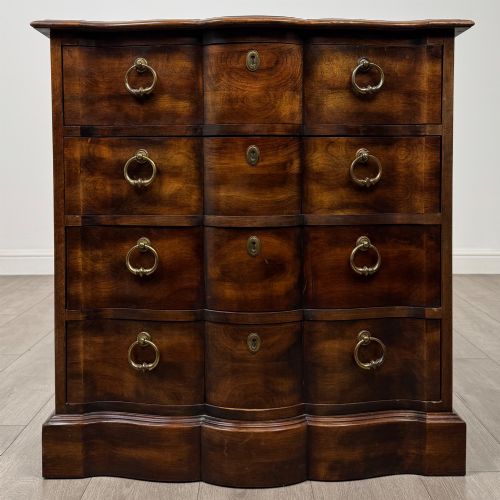
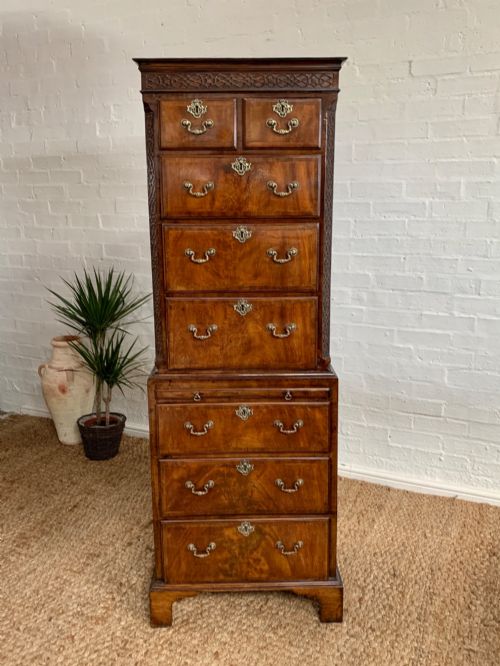
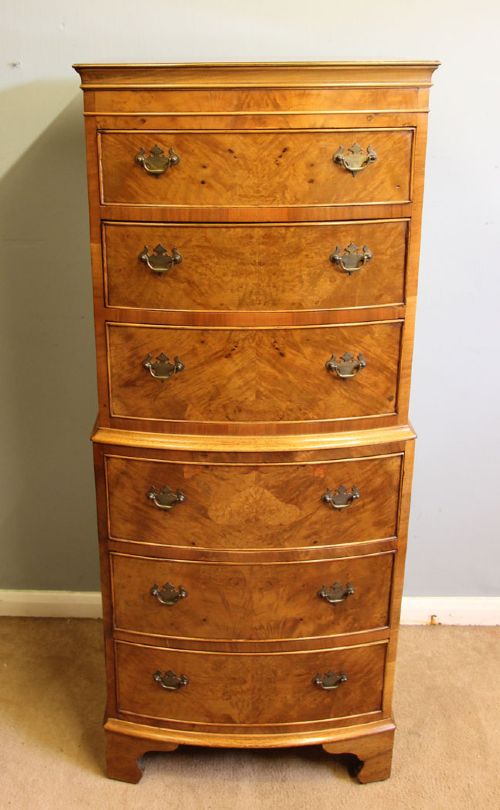
Antique Gentleman’s Tallboy, Chest of Drawers, Country House, Georgian, C.1790, Georgian
Priced at £2,750 from London Fine Antiques
Cabinet makers moved from solid plank construction to complex veneering techniques. This allowed them to display mirrored grain patterns on the drawer fronts.
Grain direction dictates the build. Craftsmen arranged the underlying carcase woods to allow movement without splitting the expensive surface veneers.
Inspect the backboards. Rough-hewn planks arranged vertically or horizontally overlap slightly to allow for seasonal shrinkage.
"Lock mechanisms varied widely. Many regional makers ordered batches of brass locks with individual key patterns to ensure household privacy."
"Secret compartments sometimes exist in plain sight. False bottoms or hidden sliders occasionally occupy the void behind a top frieze drawer."
"Escutcheons often drove the layout. These brass keyhole covers act as a central visual anchor for the handles on a Georgian chest of drawers."
Based on almost 25 years of Sellingantiques UK antique market data, Georgian Chest Of Drawers appeared 8428 times (out of 1,100,000 antiques) which gives it a rarity score of 19/100.
This score measures scarcity within the Sellingantiques archive only and is not a survey of the entire antiques market, so these statistics may not be indicative of the general availability of Georgian Chest Of Drawers elsewhere.
Wide pine boards shrink across the grain as they age. They were pinned firmly to the sides, so the tension eventually caused the weakest point to give way.
Most restorers leave this alone unless clothes are catching on the edges. You can slip a thin fillet of matching timber into the gap if it needs sealing.
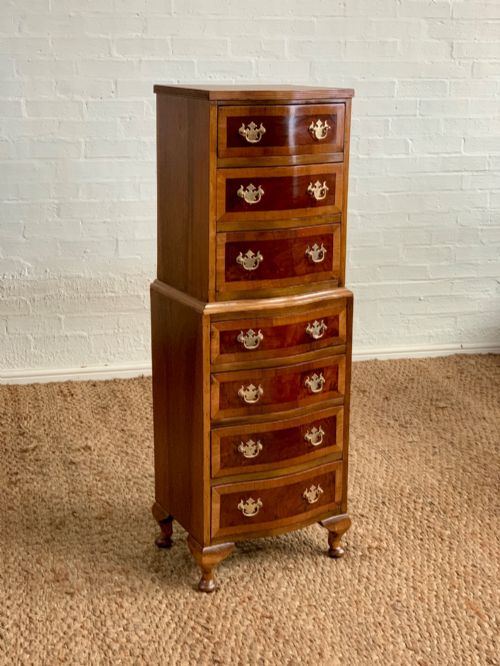
Some do. A chest-on-chest is built in two distinct halves that lift apart at the waist moulding, making them much easier to negotiate up narrow staircases.
Standard single-piece chests rely on taking the drawers out first. The empty carcase is usually light enough for two people to manage comfortably. Never try to move one while it is full.
You can, provided the replacements match the existing holes. Drilling fresh holes through figured veneer damages the drawer front.
Many chests had their handles swapped during the Victorian era anyway. Fitting sympathetic period hardware often improves the overall appearance.
Wood shrinks and swells with changes in household humidity. Central heating dries the carcase out in winter, while humid summers cause the drawer sides to expand and bind against the internal framework.
Worn runners also throw the alignment out. If the drawer drops down at the back, the front edge strikes the dividing rail above it.
Rubbing a dry candle along the contact surfaces provides temporary relief. A cabinet maker can glue fresh timber strips onto the runners for a permanent fix.
Please note: This Georgian Chest Of Drawers guide and its associated pricing data are provided for general informational purposes only. It does not constitute formal financial, investment, or appraisal advice and should not be relied upon as the sole basis for any commercial activity, purchasing, or sales decisions. Sellingantiques.co.uk accepts no liability for any actions taken in reliance on this information. Always consult with a qualified professional or independent appraiser.
