


A 2026 Guide by Sellingantiques
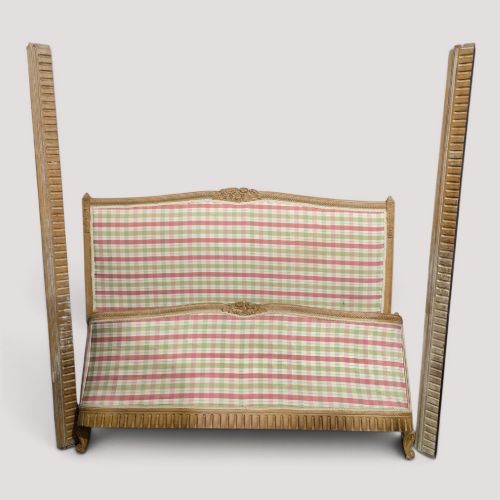
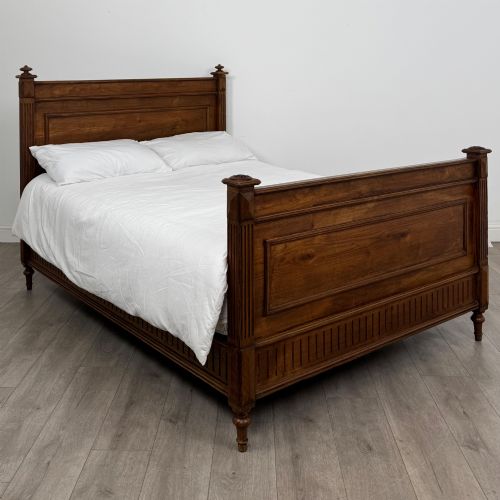
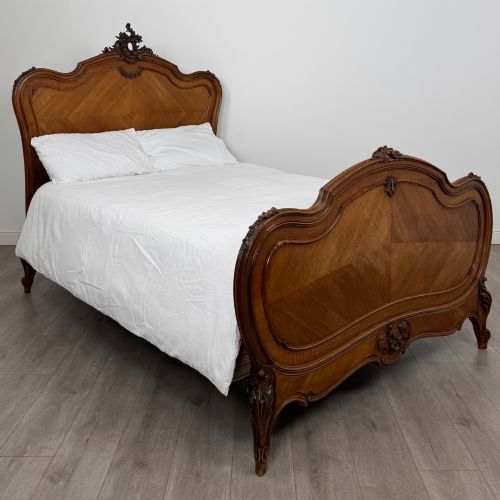
Victorian High Back Mahogany & Upholstered Double Bed, Victorian
Priced at £1,950 from The Antique Furniture Company
Before the nineteenth century, sharing sleep space was standard practice for whole families across all social levels.
The concept of a dedicated antique double bed for just two people emerged as privacy became a middle-class priority.
Look at early Victorian examples to see the shift towards lighter frames that replaced massive four-poster structures.
Edwardian homes often featured these beds in guest rooms to impress visiting relatives.
Driven largely by changing domestic architecture and smaller room sizes.
Heal & Son dominated the London bedding trade during the nineteenth century with documented iron and wooden frames.
Often the work of anonymous provincial cabinet makers who produced antique double beds lacking any maker's mark.
Maple & Co supplied comprehensive bedroom suites to wealthy clients. They often integrated heavy brass bedsteads into their catalogues.

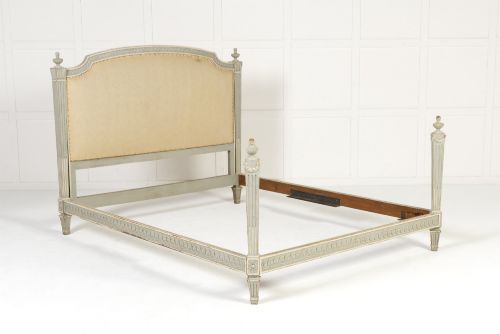
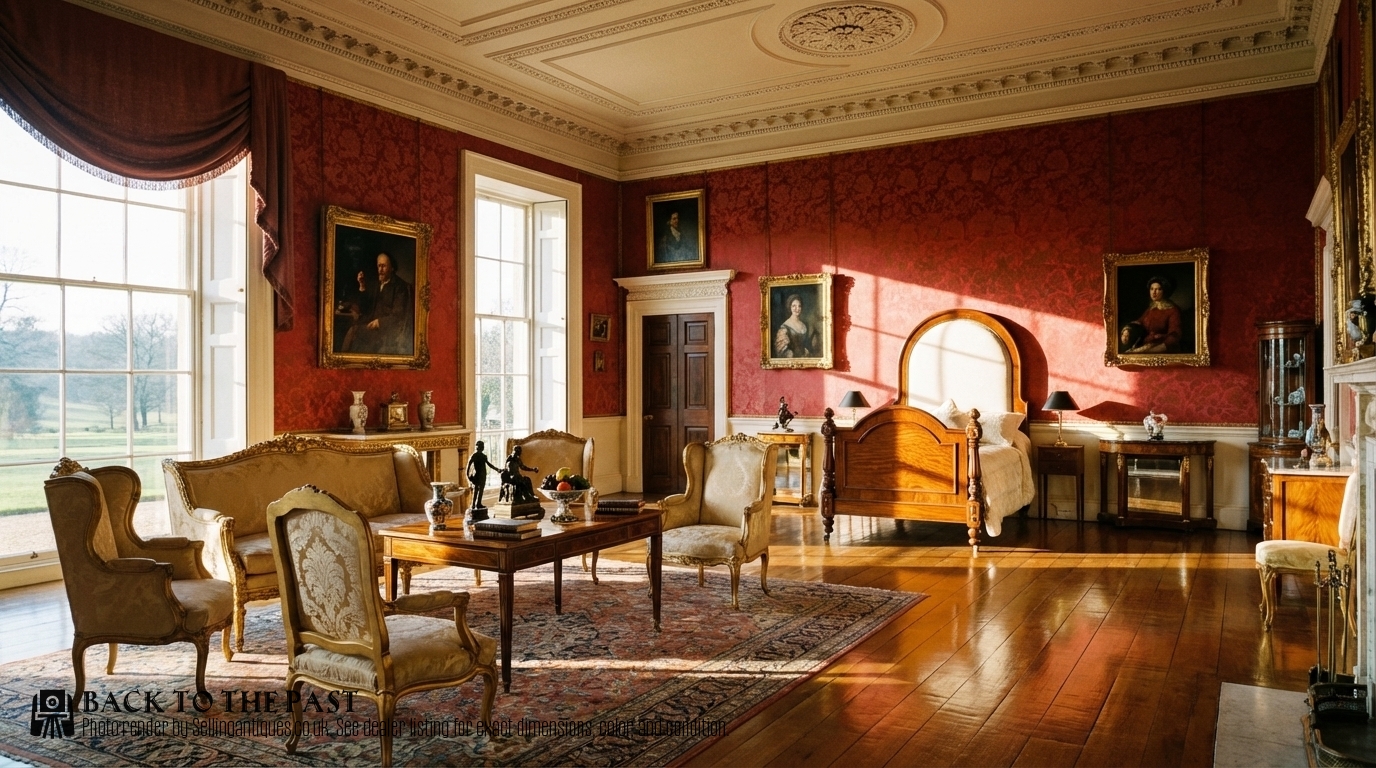
Art Deco Beautiful Maple Odeon Double Bed by H.l. Epstein Brothers, 1930s, 1930
Priced at £2,850 from Art Deco World
The 2026 retail price guide for Antique Double Beds is drawn from a proprietary archive of over 1.1 million retail prices indexed by Sellingantiques since 2003. This guide relies exclusively on their own internal data; no external sources or auction records are used.
Analysing nearly 25 years of UK antique market history alongside current retail values, the data indicates that typical UK retail prices for Antique Double Beds range between £500 and £1,800. Entry-level prices generally fall under £500 and premium examples upwards of £1,800.
Tall wooden headboards dictate the overall visual weight and silhouette of most antique double beds.
Side rails need robust connections. Usually heavy iron bolts or wedged mortise and tenon joints dropping into the bedposts.
Notice how the footboard sits noticeably lower than the head end to allow an unobstructed view across the room.
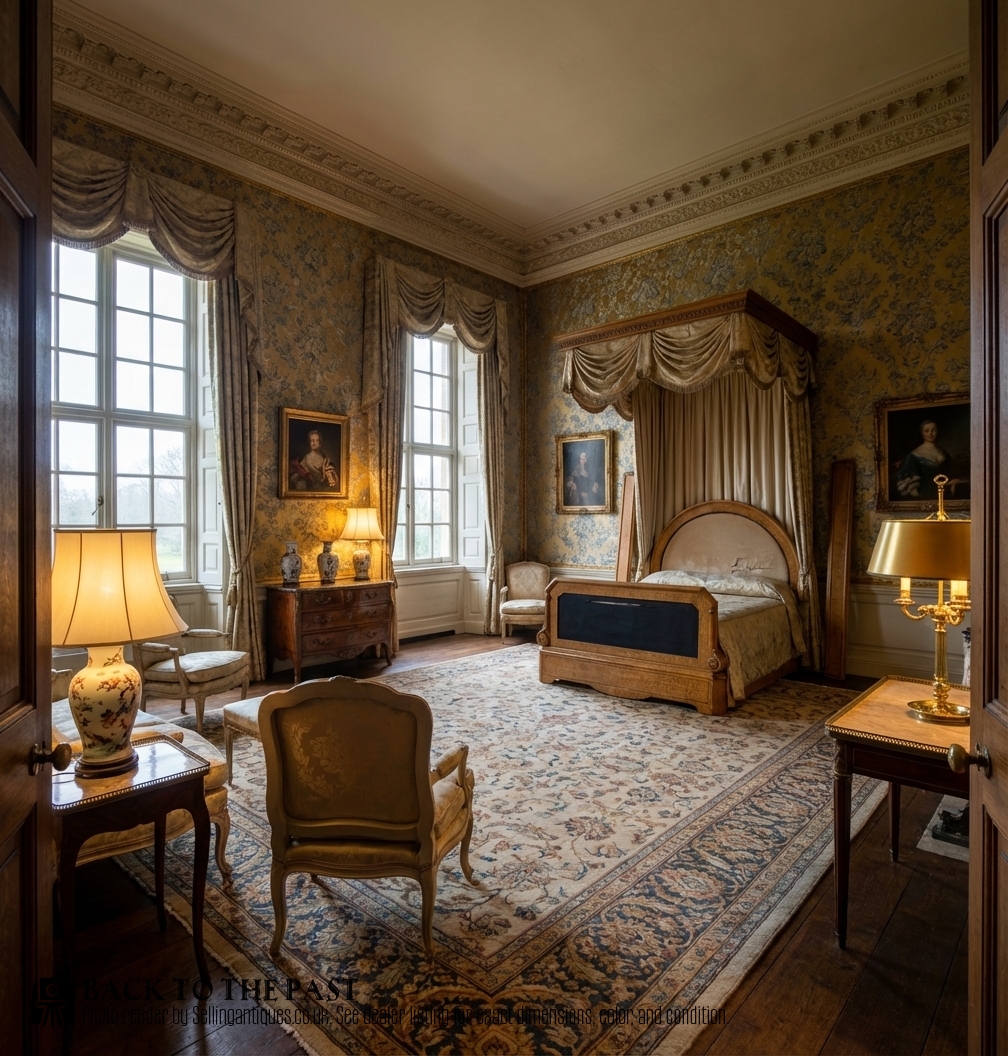
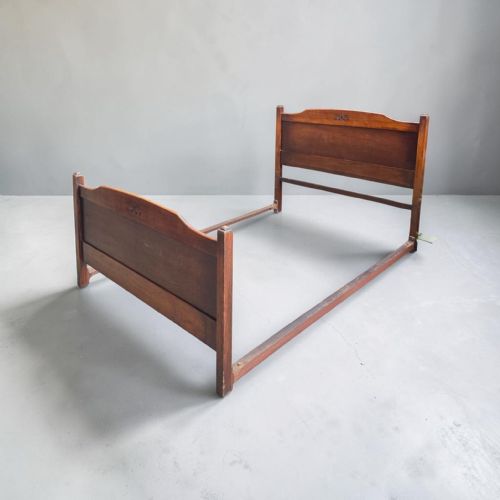
Hungarian Ash Double Bed with Side Rails., Victorian
Priced at £295 from Rupert Hitchcox Antiques
Hand-cut dovetails secure the bracket supports behind the main fascia on quality wooden frames.
Metal casting advanced rapidly. Foundries poured molten iron directly over brass tubes to fuse the joints permanently.
Look for thick veneers laid over solid mahogany carcase wood in mid-Victorian pieces to create continuous flowing grain patterns.
"Standardisation of mattress sizes only occurred much later. Early frames often boast highly individual dimensions tailored to the original owner."
"Cast iron examples were heavily promoted by Victorian doctors as a sanitary improvement over wooden frames."
"Remember that many modular frames pack down flat for transport and safe storage."
Based on almost 25 years of Sellingantiques UK antique market data, Antique Double Beds appeared 2755 times (out of 1,100,000 antiques) which gives it a rarity score of 58/100.
This score measures scarcity within the Sellingantiques archive only and is not a survey of the entire antiques market, so these statistics may not be indicative of the general availability of Antique Double Beds elsewhere.
Most require a custom slatted base or a firm box spring resting on the original side rails.
Once secure, your standard mattress sits directly on top.
Sagging usually means the side rails have bowed under weight over the decades. You resolve this by fitting a discrete central beam running from head to foot, supported by its own block feet to take the strain.
Alternatively, check the corner joints. If the tenons sit loose in their mortises, the whole frame will drop towards the centre. Shimming these joints with thin hardwood wedges often restores the original tension.
Sometimes the runner ledges are loose. Reattaching them with fresh screws pulls everything back into line.
Yes, you can have a metal fabricator cut and weld extensions into iron rails. Wooden rails require a competent cabinet maker to splice in matching timber.
Many dealers simply replace the original short rails with newly made longer ones. You keep the original head and footboards while gaining modern sleeping length.
People were generally shorter on average, meaning standard bedding requirements differed from today. Comfort expectations have shifted towards wider and longer sleeping surfaces over the last century.
Many Victorian bedrooms were also smaller or shared space with prominent fireplaces and washstands. A more compact bed simply made better use of the available floor plan.
Please note: This Antique Double Beds guide and its associated pricing data are provided for general informational purposes only. It does not constitute formal financial, investment, or appraisal advice and should not be relied upon as the sole basis for any commercial activity, purchasing, or sales decisions. Sellingantiques.co.uk accepts no liability for any actions taken in reliance on this information. Always consult with a qualified professional or independent appraiser.
