

A 2026 Guide by Sellingantiques
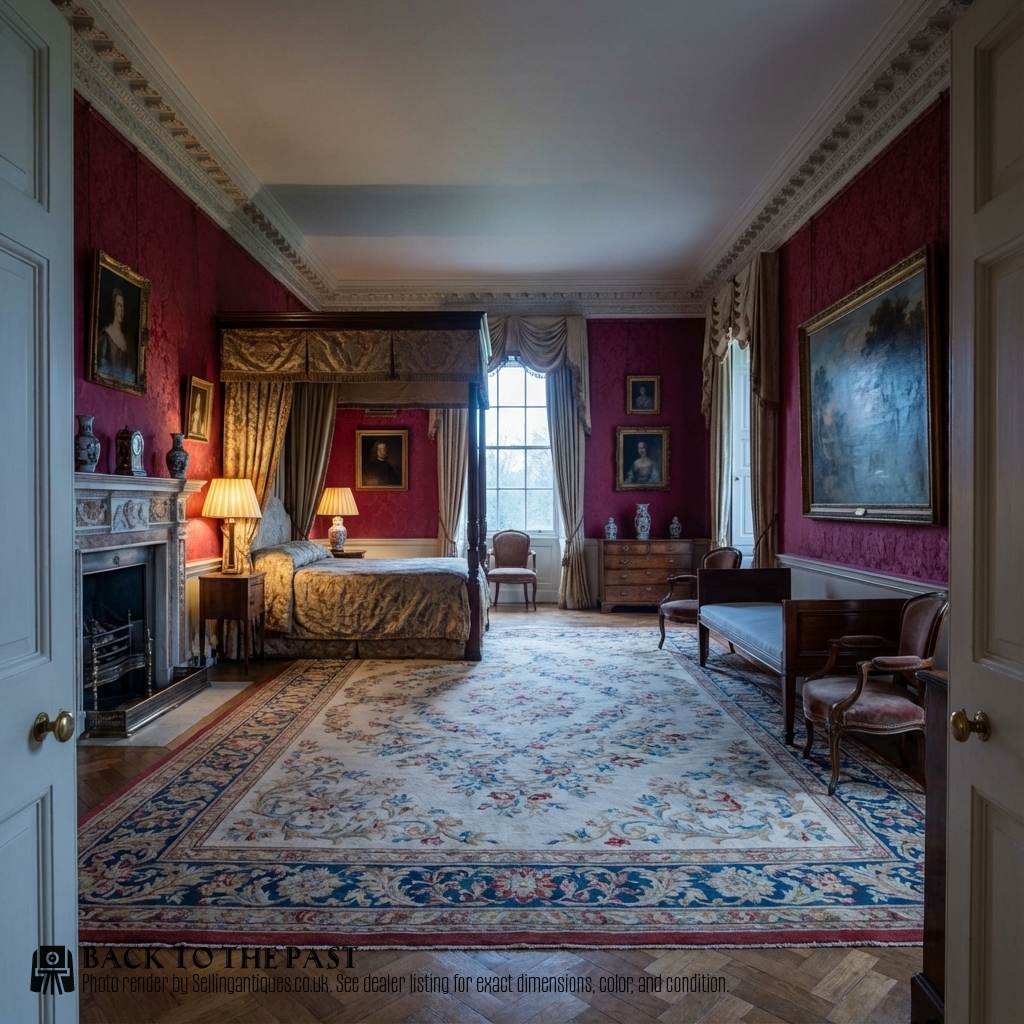
Mahogany Day Bed, 19th Century
Priced at £2,250 from Baggott & Co.
Early forms appeared in the seventeenth century. They offered a place to rest fully dressed during the day.
Restoration period examples often matched sets of dining chairs for use in the same room.
Look at the backrest. Sometimes it adjusts on chains or wooden ratchets to change the angle.
French variants like the chaise longue took over fashionable interiors by the mid-eighteenth century.
A lot of Georgian antique day beds served double duty in libraries or dressing rooms.
Gillow of Lancaster produced robust mahogany examples throughout the late eighteenth and early nineteenth centuries.
Thomas Chippendale supplied carved variants to his wealthy clients, well documented in his surviving workshop bills.
Regional makers left most of these unsigned. You mostly rely on construction methods to place them geographically.
The 2026 retail price guide for Antique Day Beds is drawn from a proprietary archive of over 1.1 million retail prices indexed by Sellingantiques since 2003. This guide relies exclusively on their own internal data; no external sources or auction records are used.
Analysing nearly 25 years of UK antique market history alongside current retail values, the data indicates that typical UK retail prices for Antique Day Beds range between £600 and £2,300. Entry-level prices generally fall under £600 and premium examples upwards of £2,300.
Most have a raised headrest at one end. Some feature identical rests at both ends to form a symmetrical profile.
Six or eight legs are common to support the extended frame across its full length without sagging.
Squab cushions lie flat across the base. These loose pads tie to the frame to prevent slipping.
Early joints rely on heavy mortise and tenon construction pegged through with wooden dowels.
Cane weaving required a series of small holes drilled right through the seat rails to anchor the strands.
Later Victorian frames use robust corner blocks glued and screwed inside the seat rail to handle the weight.
"They allowed heavy silk and velvet court clothes to stay uncreased while the wearer rested."
"Some eighteenth-century designs were explicitly built to catch the better light by tall sash windows."
"The length varies quite a bit. Many early ones are surprisingly long to fit tall cushions."
Based on almost 25 years of Sellingantiques UK antique market data, Antique Day Beds appeared 550 times (out of 1,100,000 antiques) which gives it a rarity score of 90/100.
This score measures scarcity within the Sellingantiques archive only and is not a survey of the entire antiques market, so these statistics may not be indicative of the general availability of Antique Day Beds elsewhere.
Dust it lightly with a soft cloth. Don't use modern spray polishes because they build up a sticky silicone residue over time.
For dirty frames, a cloth barely dampened with mild soapy water works. Dry it immediately. Apply a good beeswax polish once a year.
Repairing broken functional parts is standard practice. A day bed needs to support weight safely. Leaving a ratchet broken puts undue stress on the remaining joints.
Find a good restorer to splice in matching timber or repair the metalwork. Honest repairs keep these items in use and rarely detract from the object.
Linen and wool damasks work well for earlier frames. They breathe naturally and sit right with the old timber.
Radiators dry out old animal glue and shrink the timber. You will likely see veneers lift and joints open up if it sits too close to a heat source.
Direct sunlight through a large window fades textiles fast. It also bleaches mahogany and walnut. You are better off finding an interior wall with stable temperature and softer light.
Please note: This Antique Day Beds guide and its associated pricing data are provided for general informational purposes only. It does not constitute formal financial, investment, or appraisal advice and should not be relied upon as the sole basis for any commercial activity, purchasing, or sales decisions. Sellingantiques.co.uk accepts no liability for any actions taken in reliance on this information. Always consult with a qualified professional or independent appraiser.
