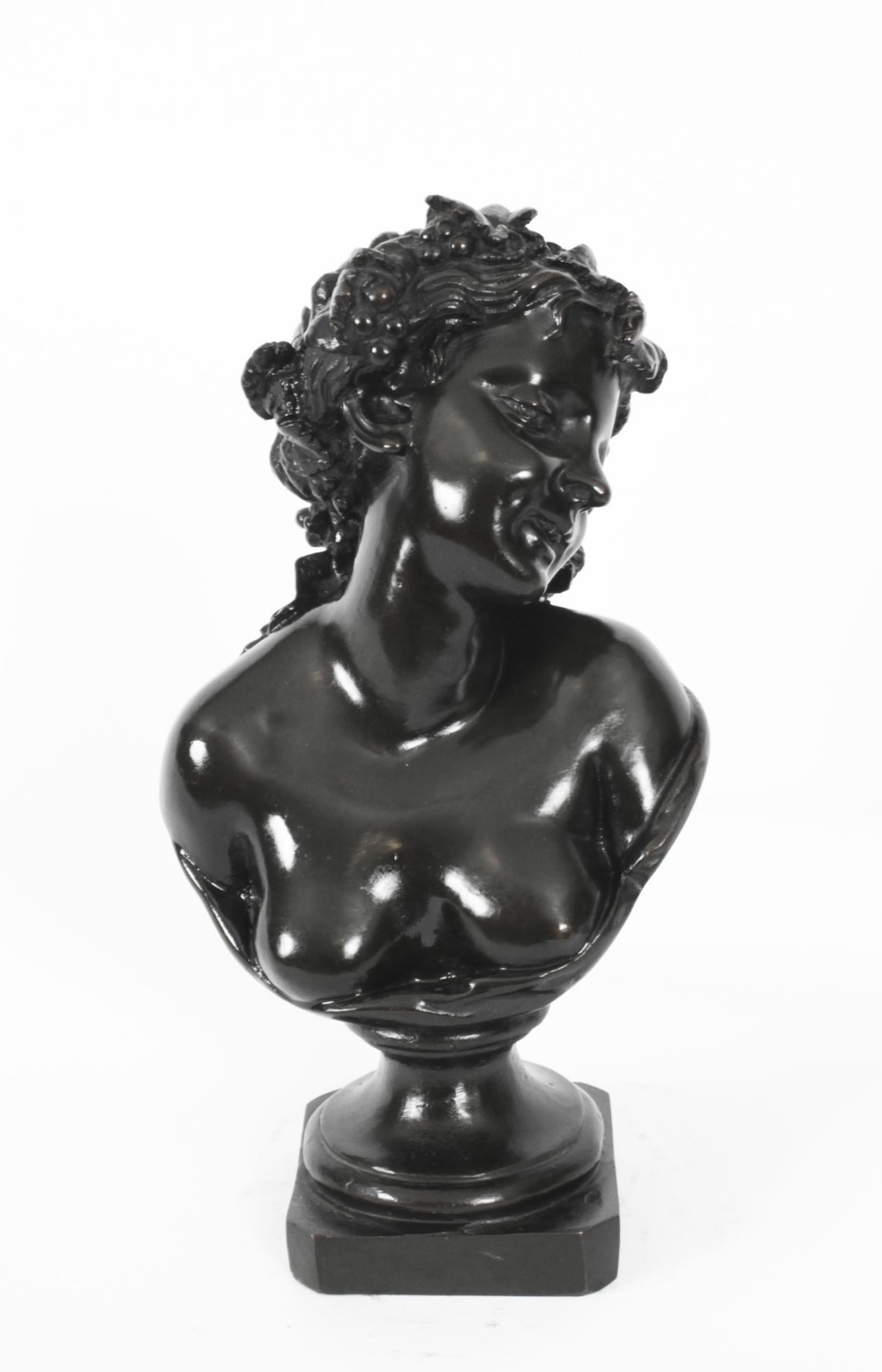
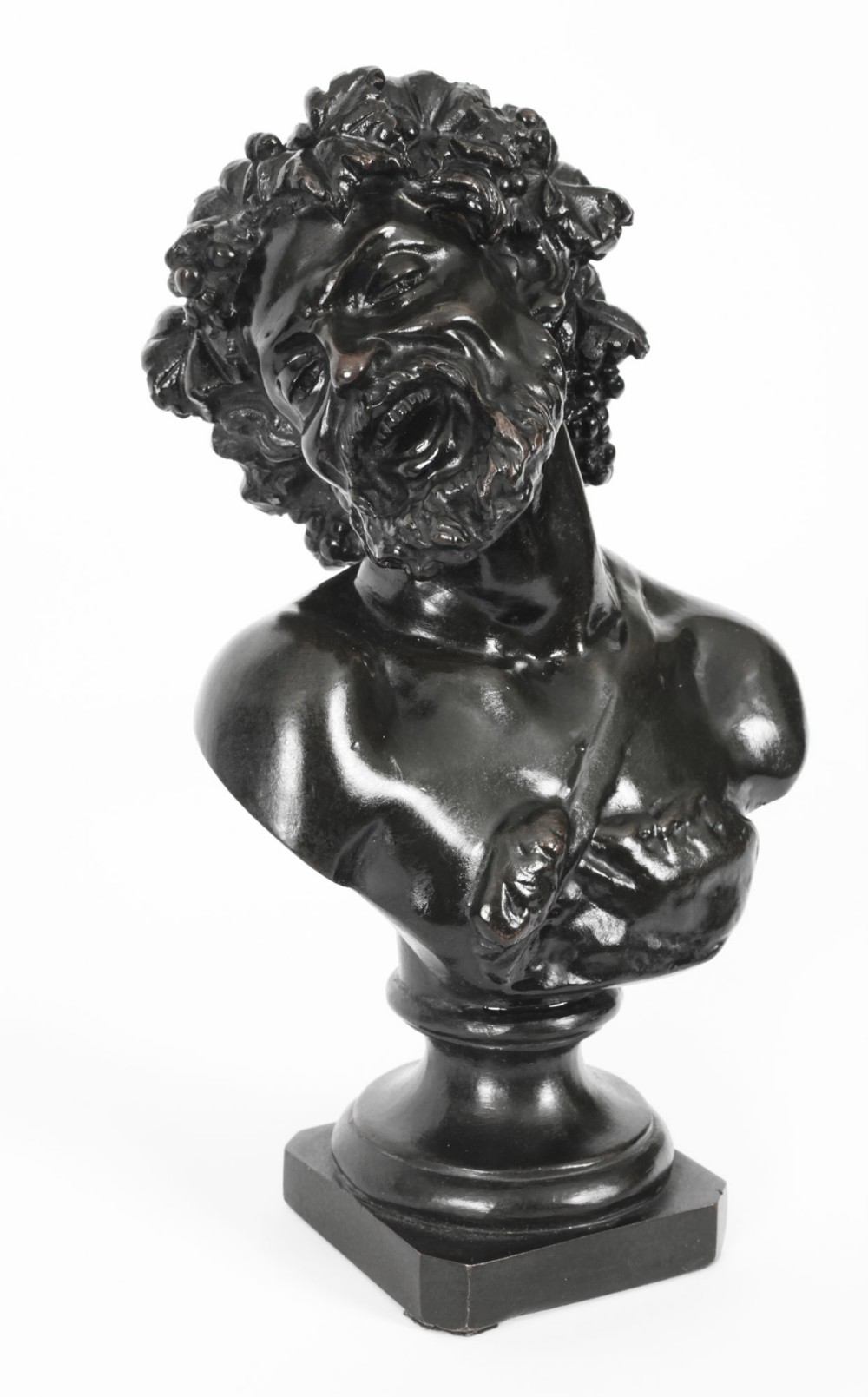
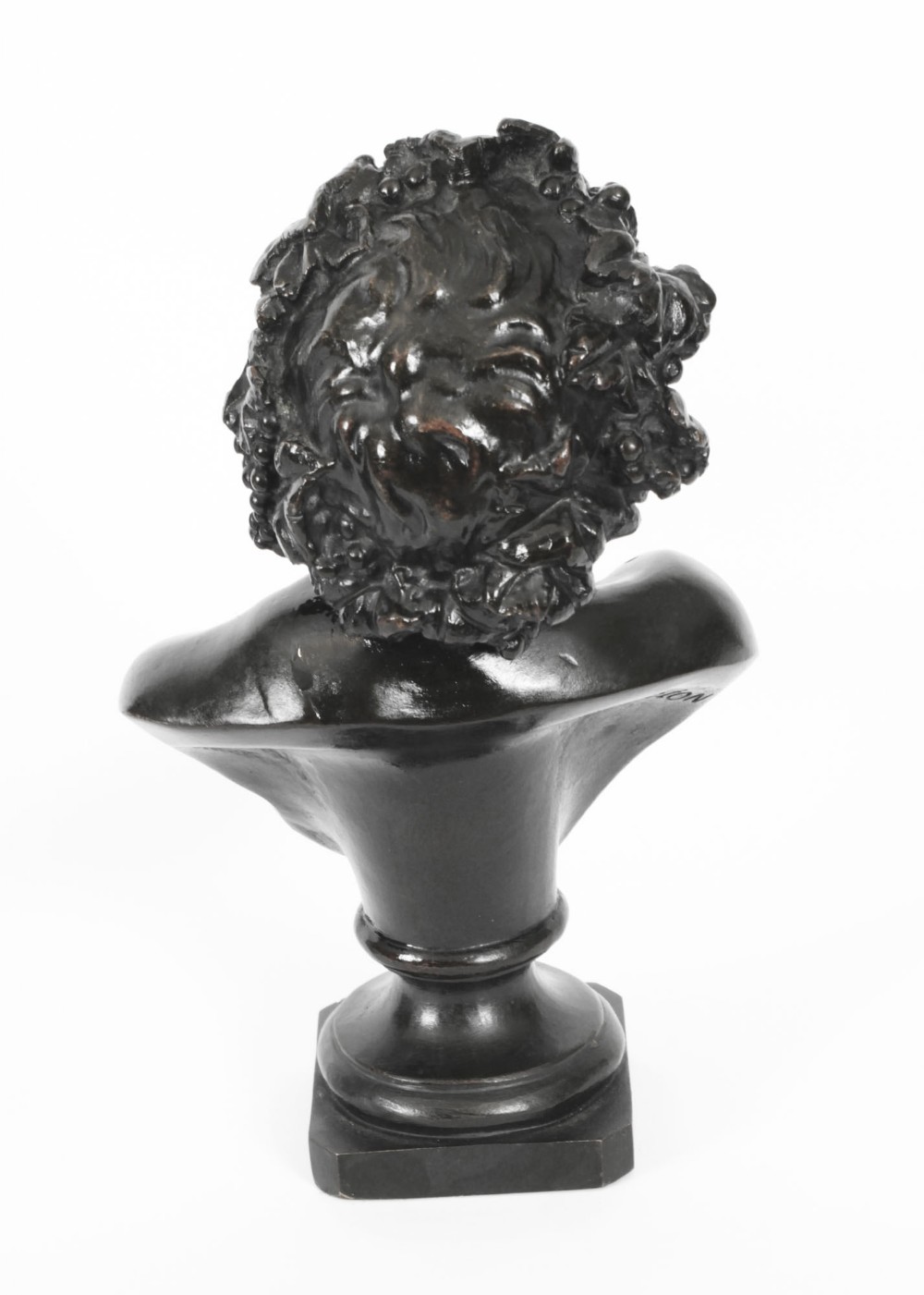
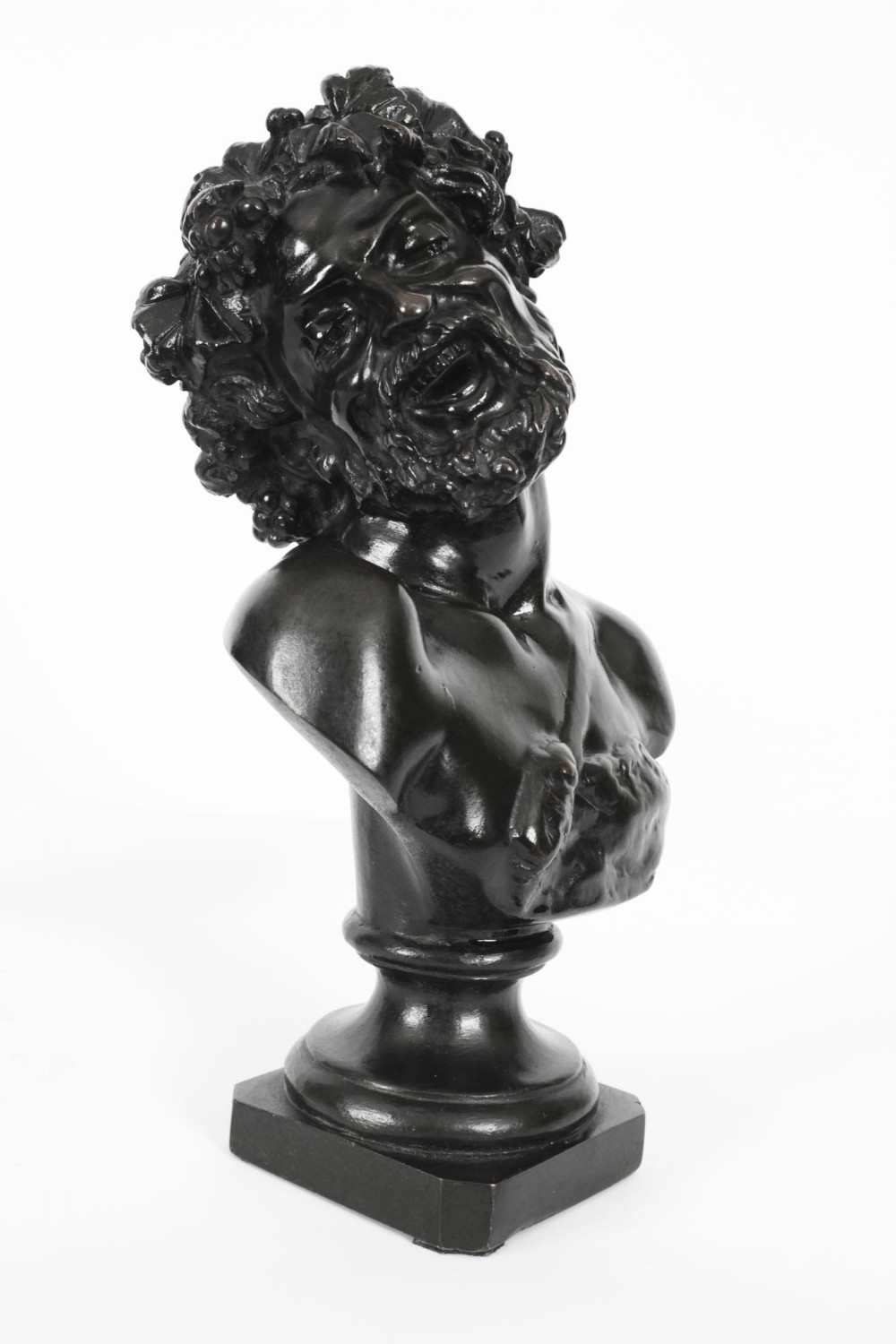
Regent Antiques has dated this piece to the 18th Century.
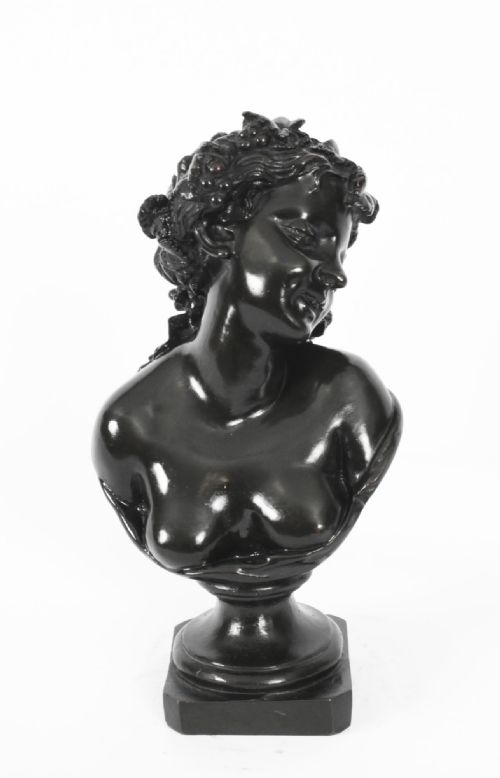
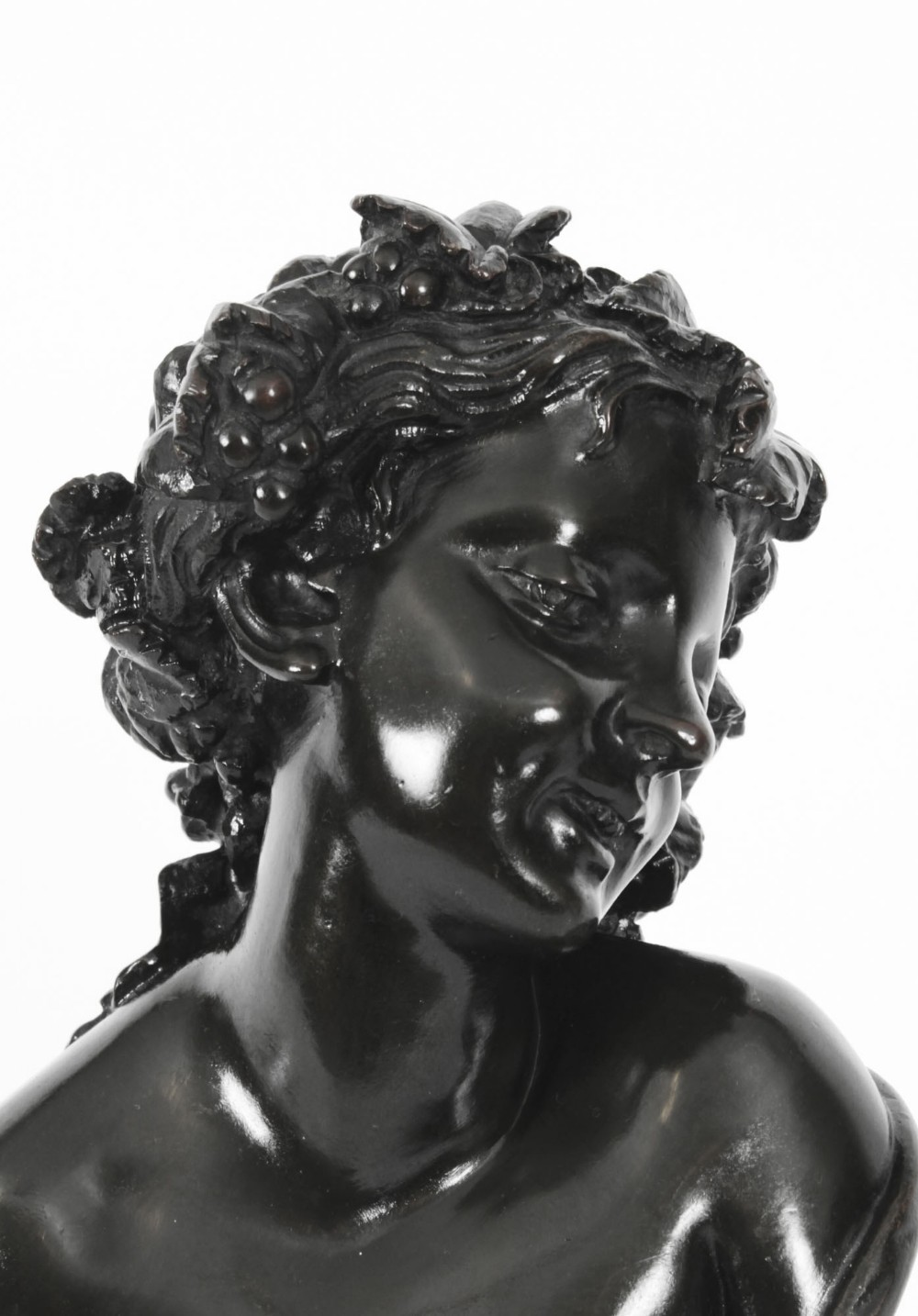
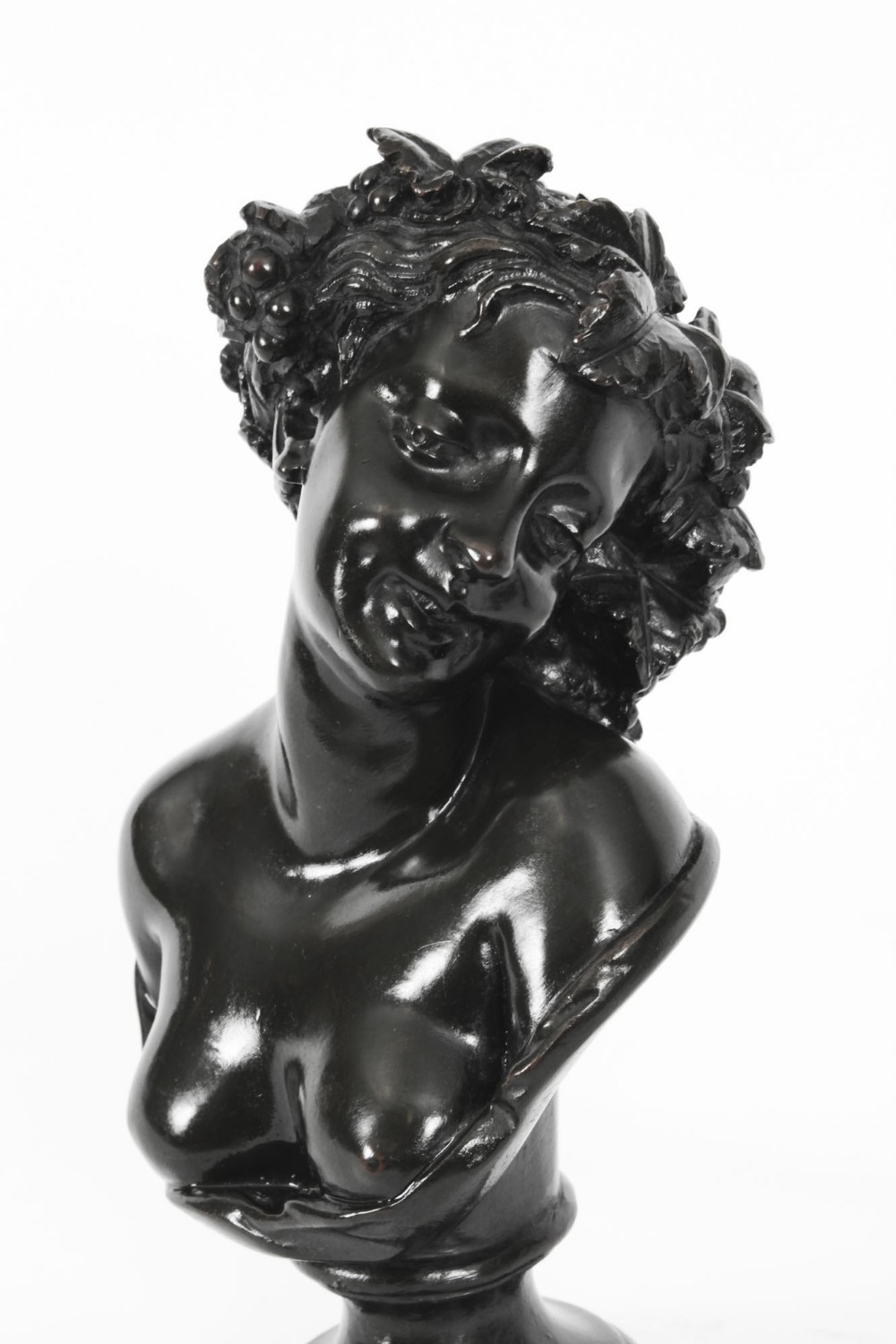
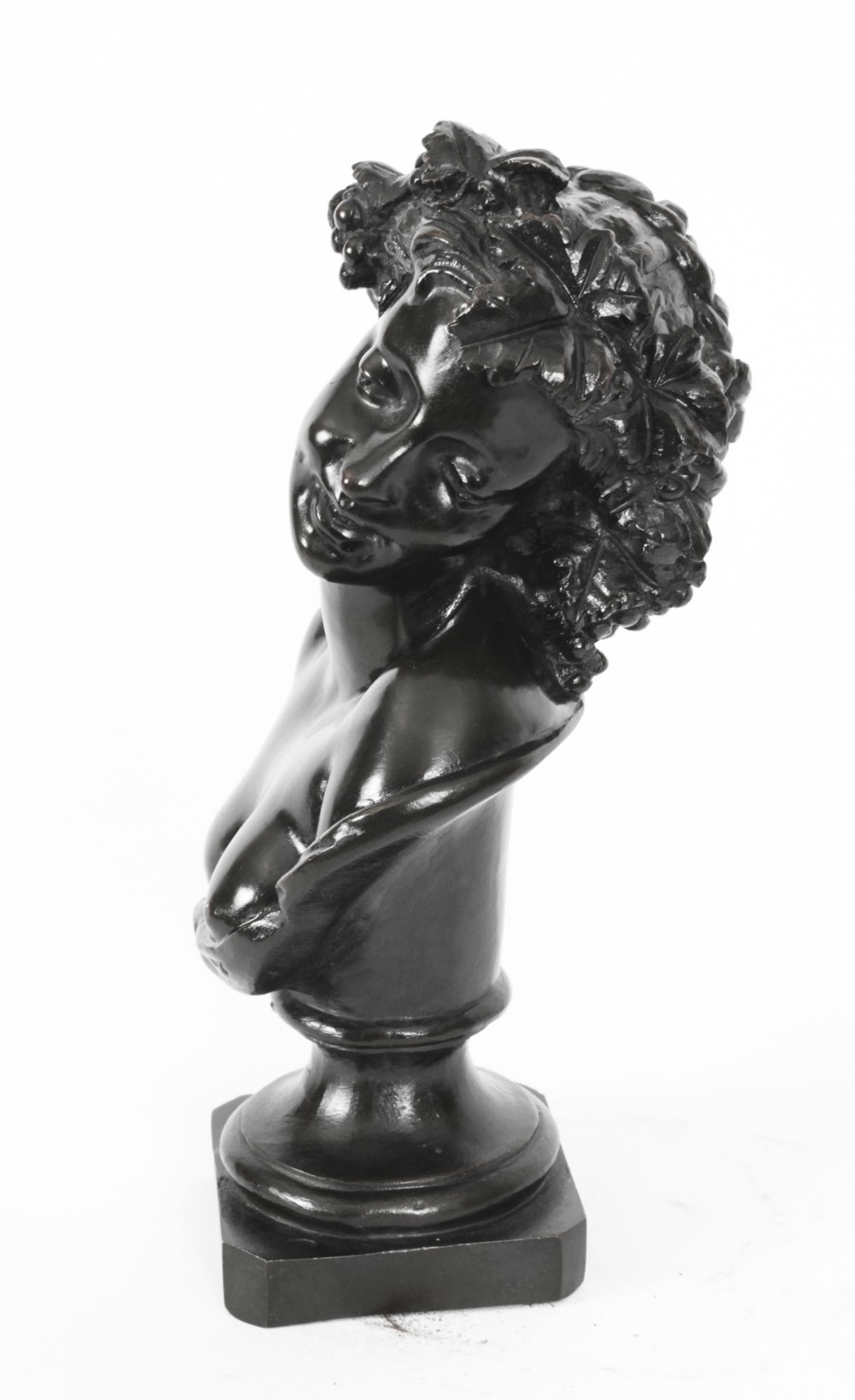
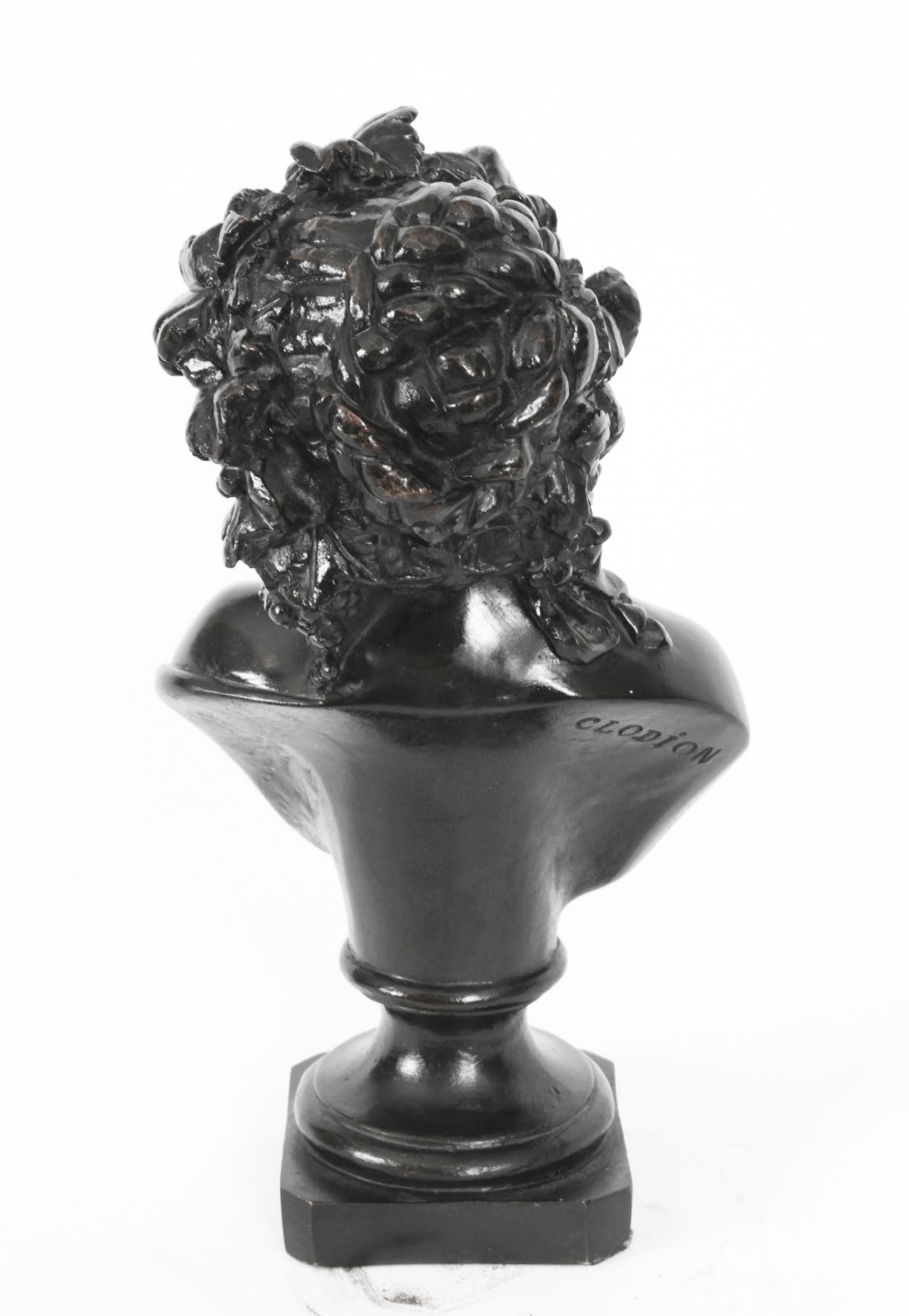
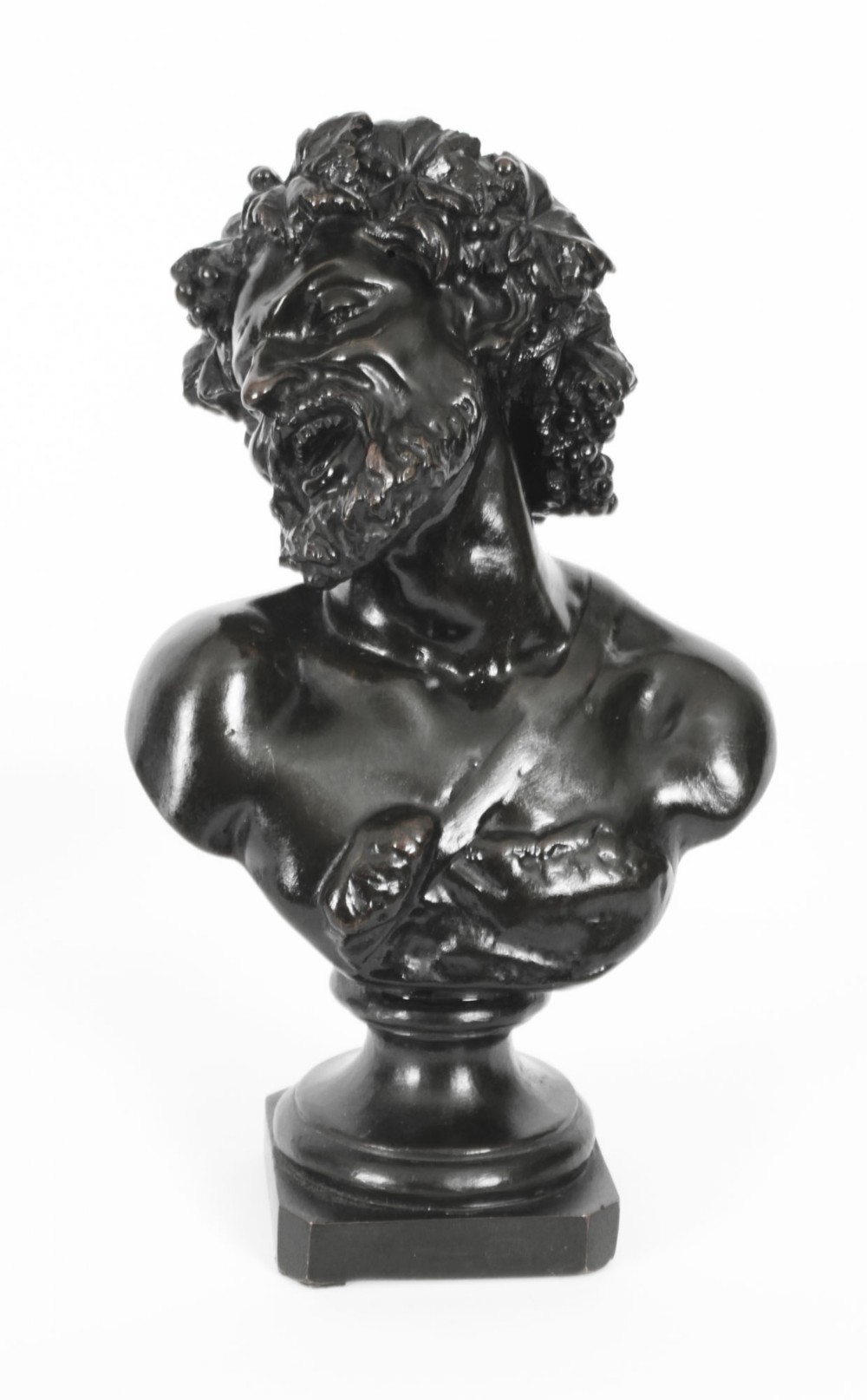
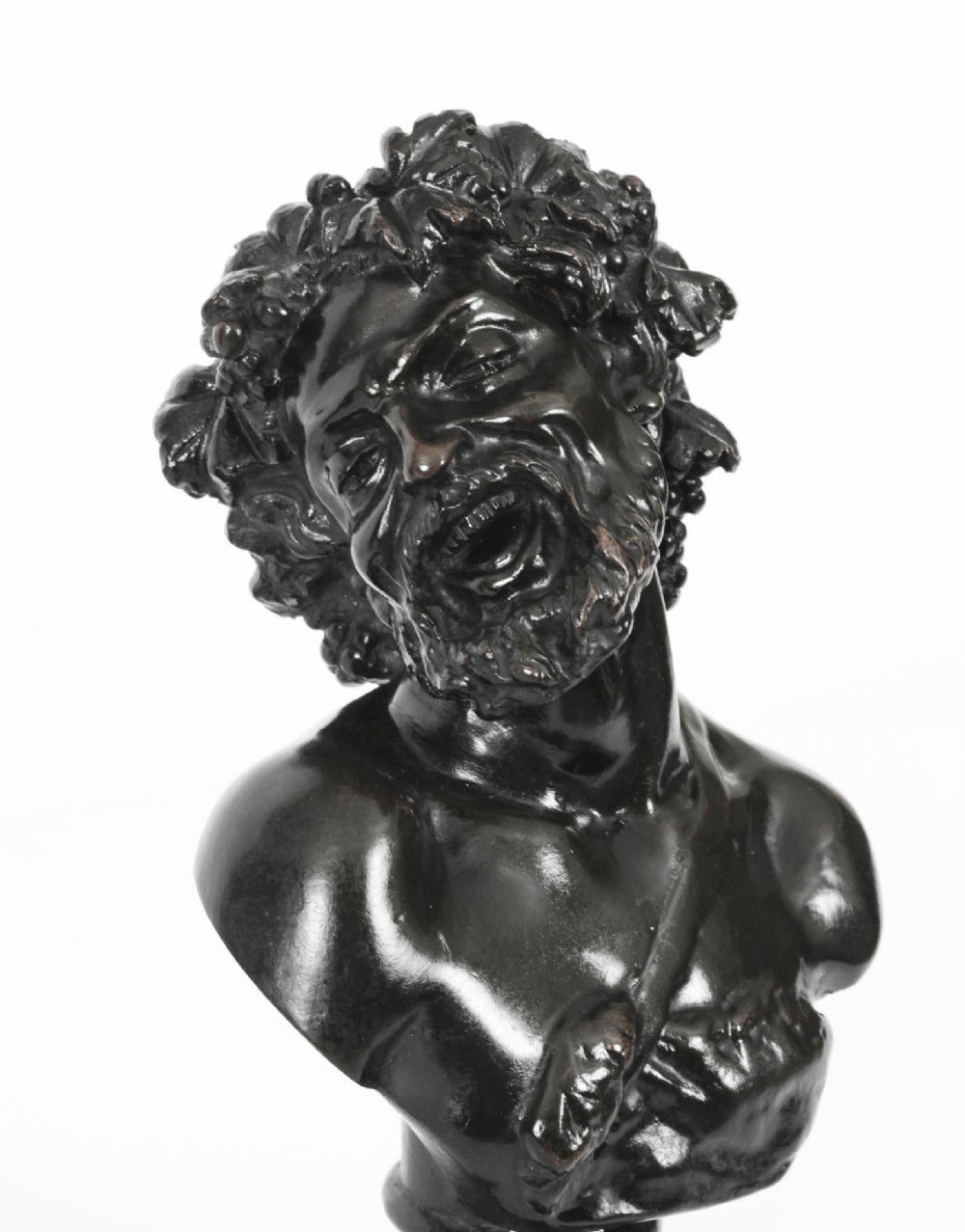
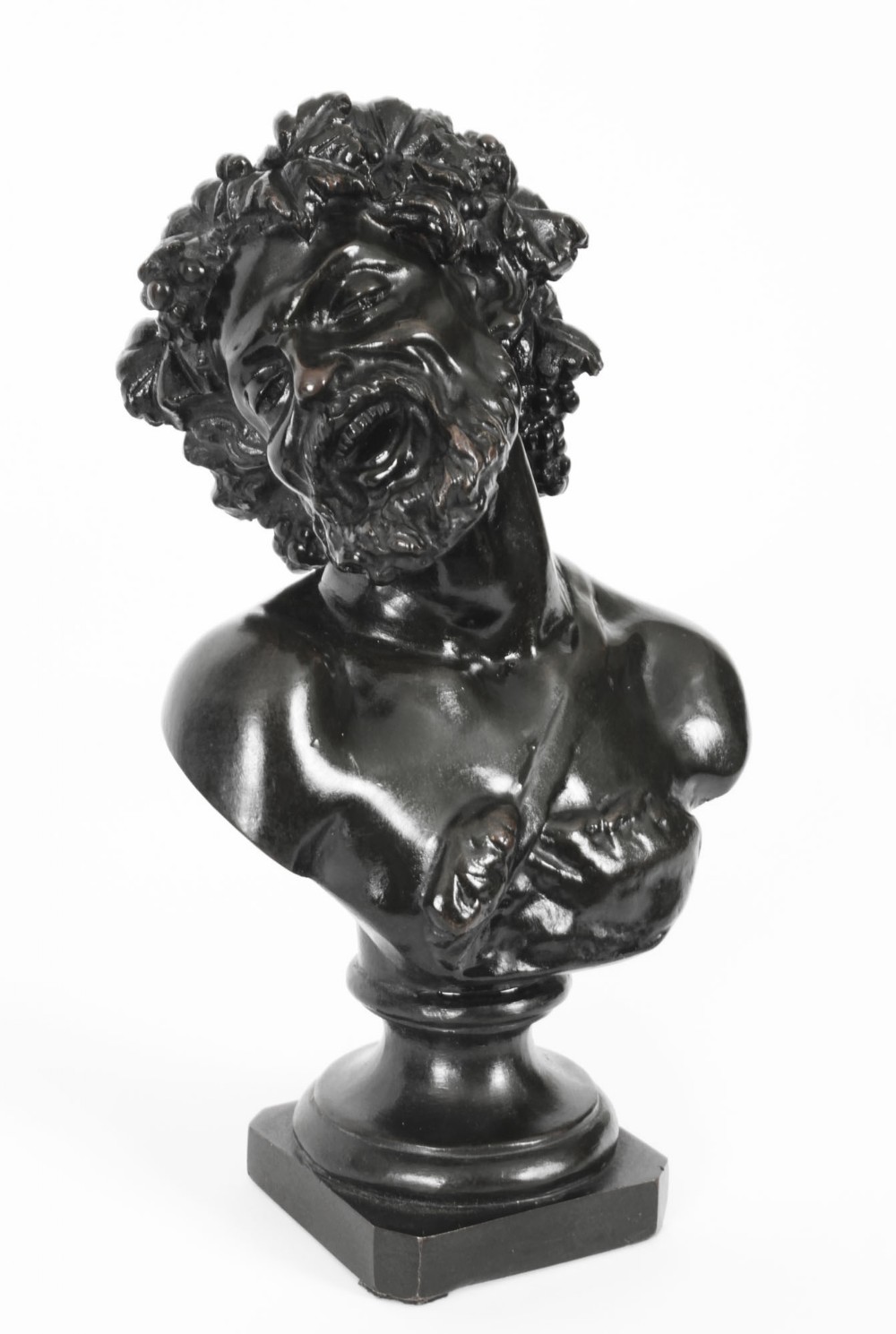
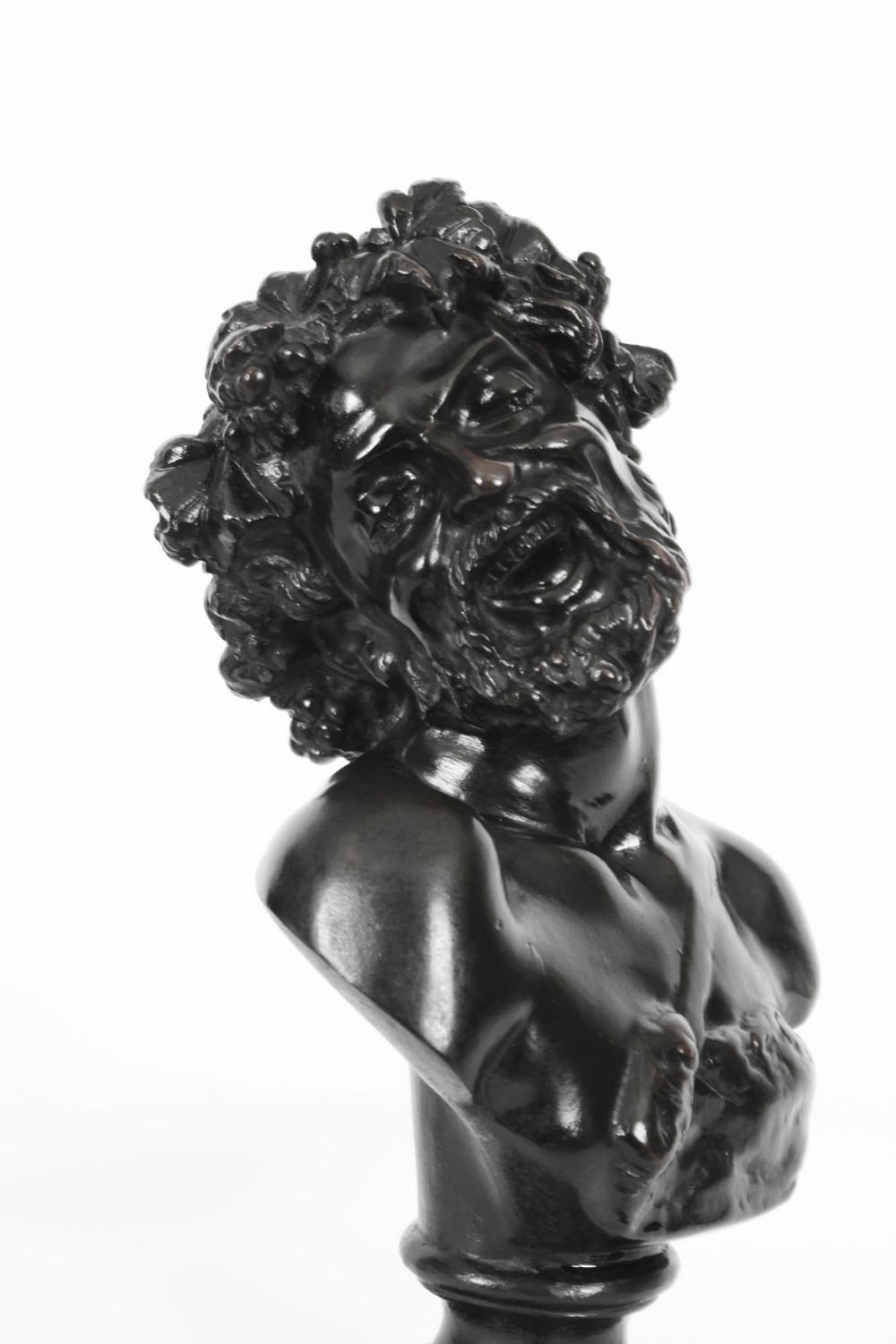
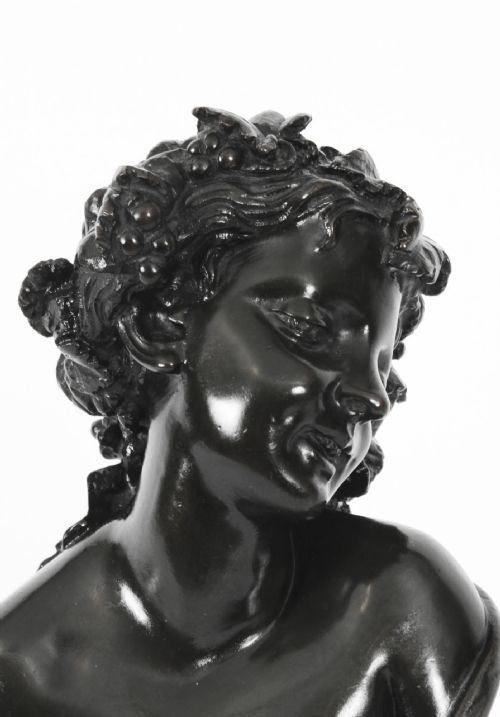
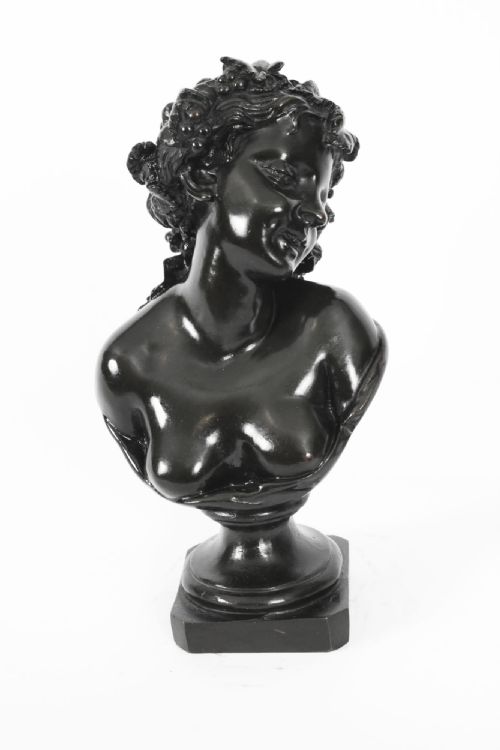
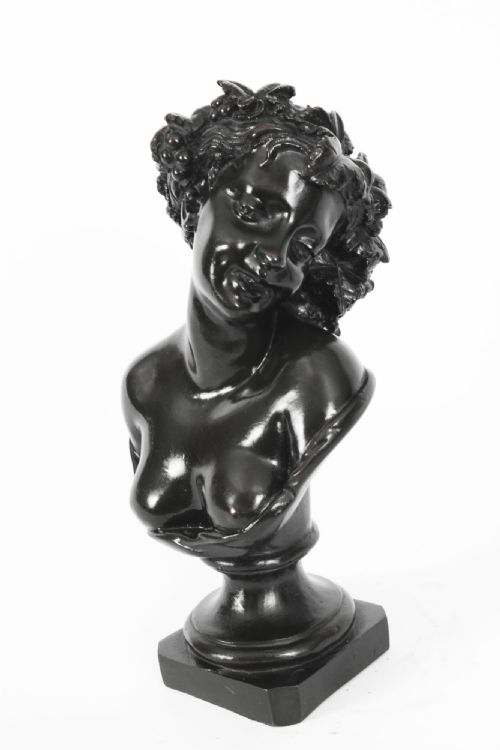
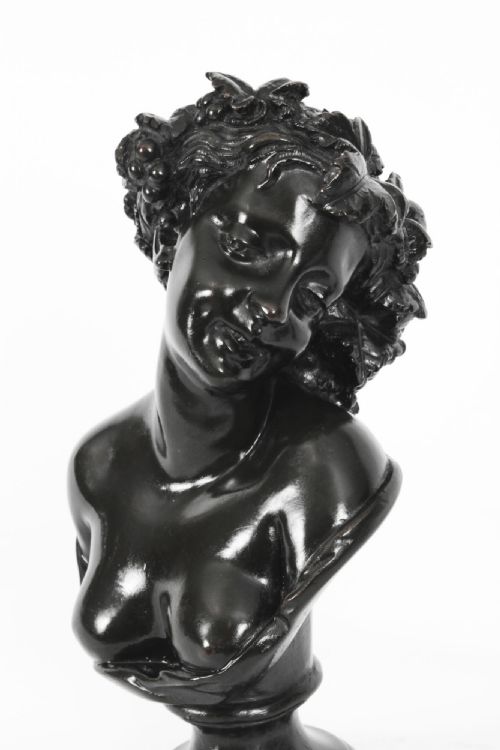
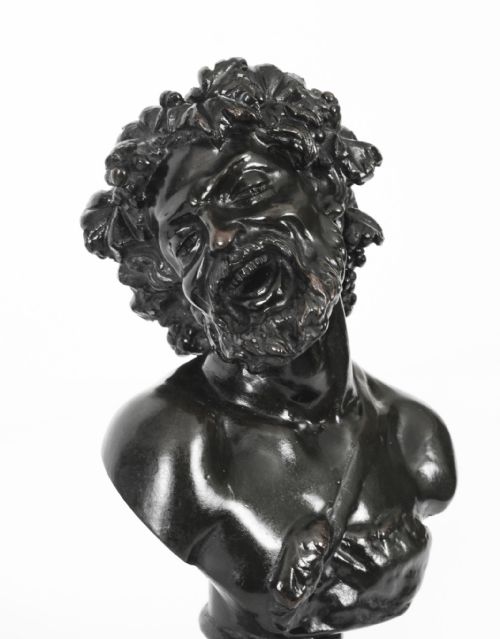
These high-quality hot cast solid bronze statues were produced using the traditional "lost wax" process, otherwise known as the "cire perdue" method.
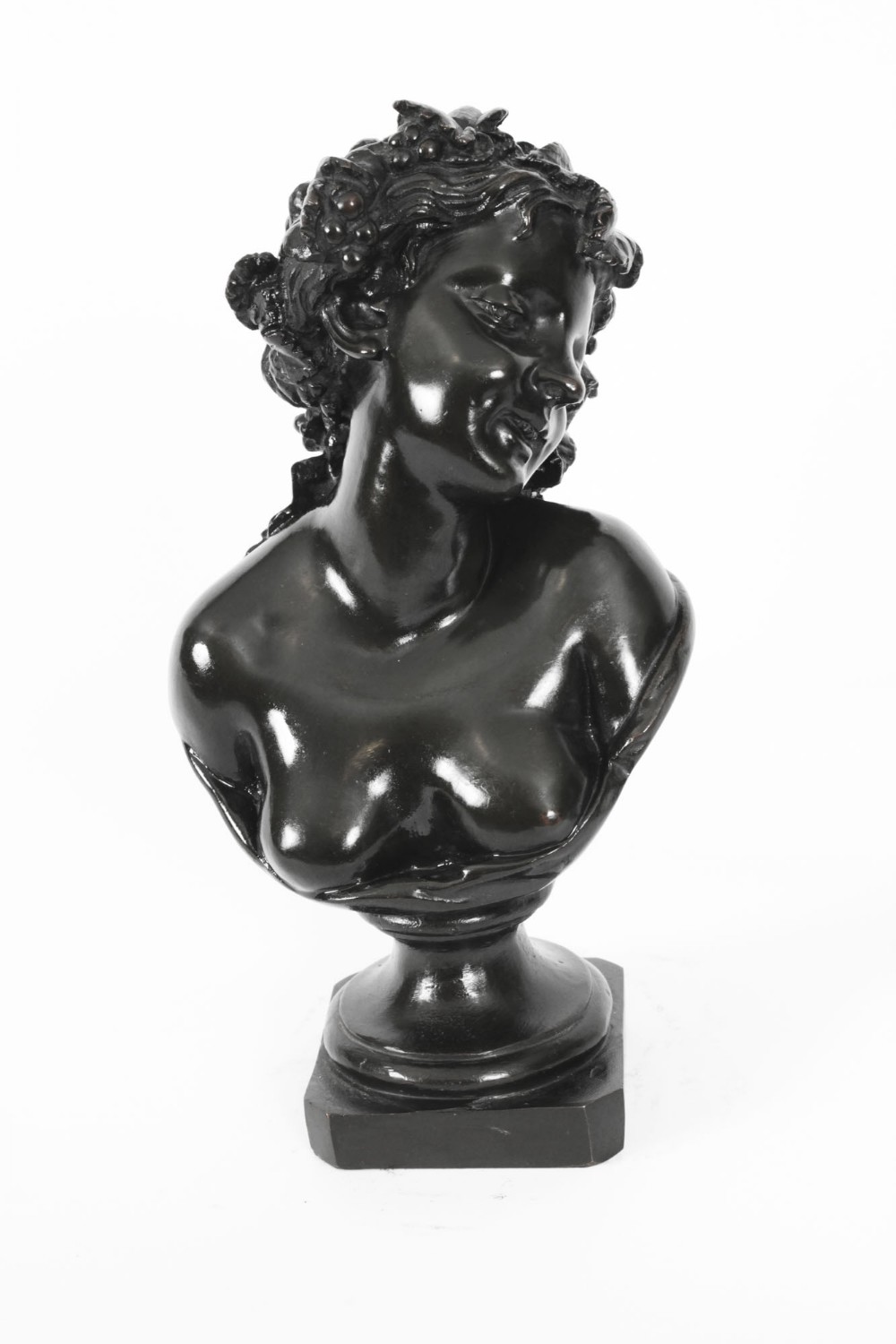
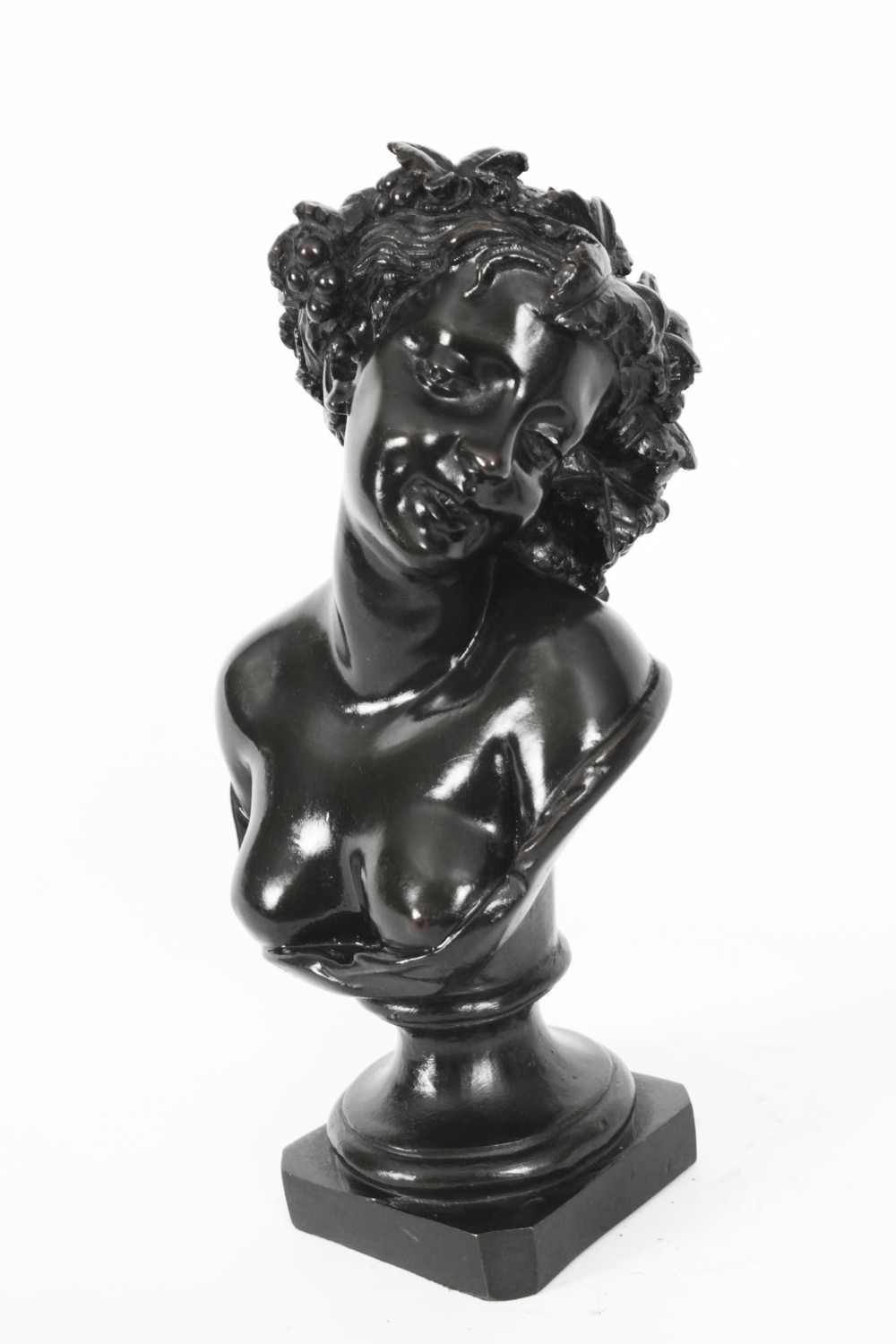
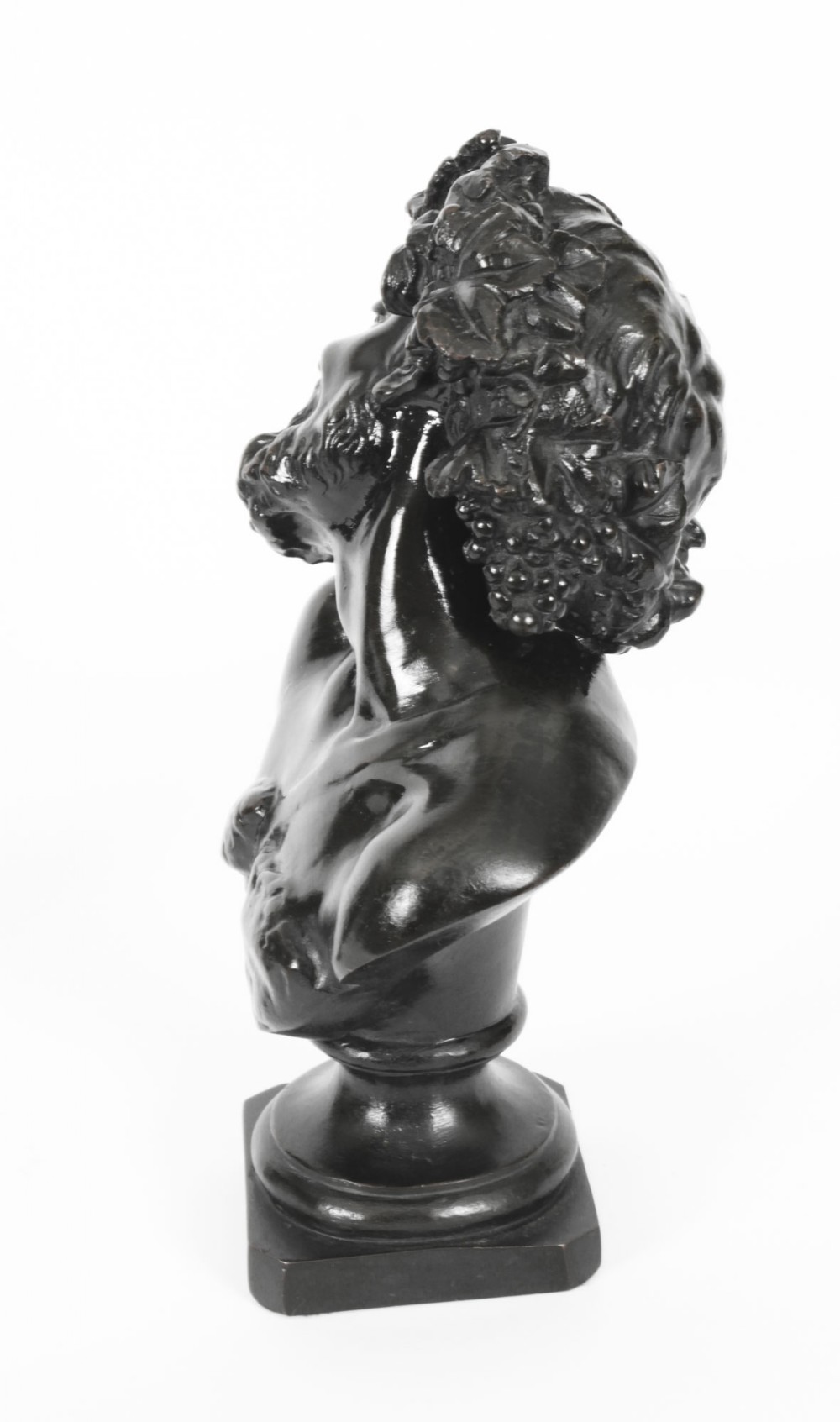
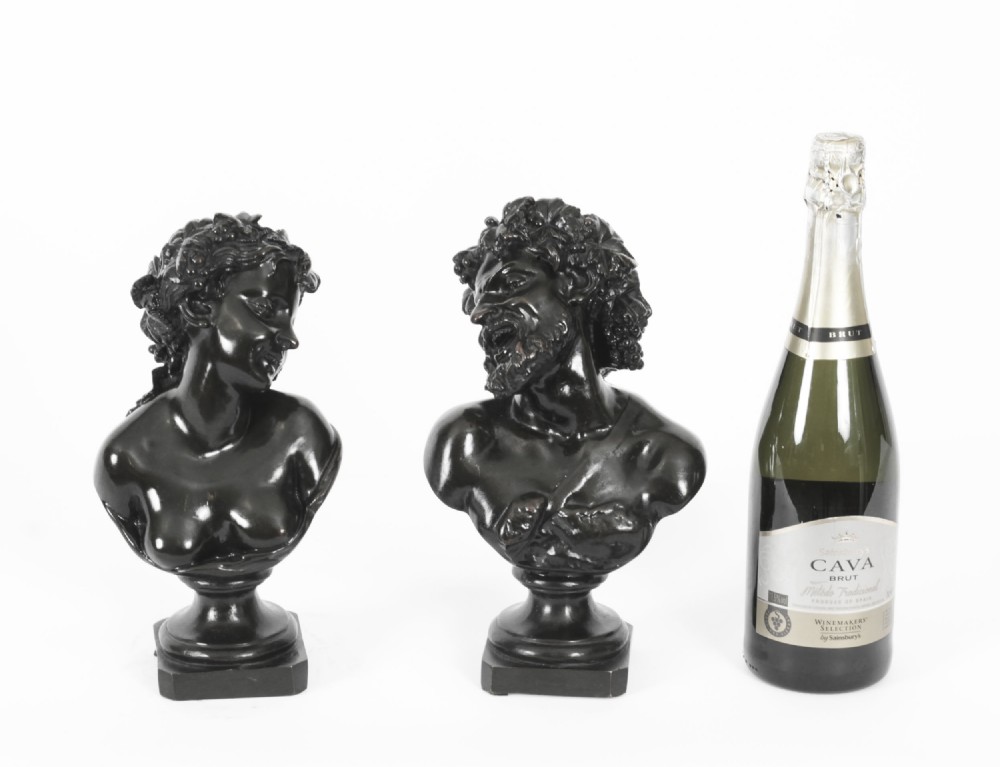
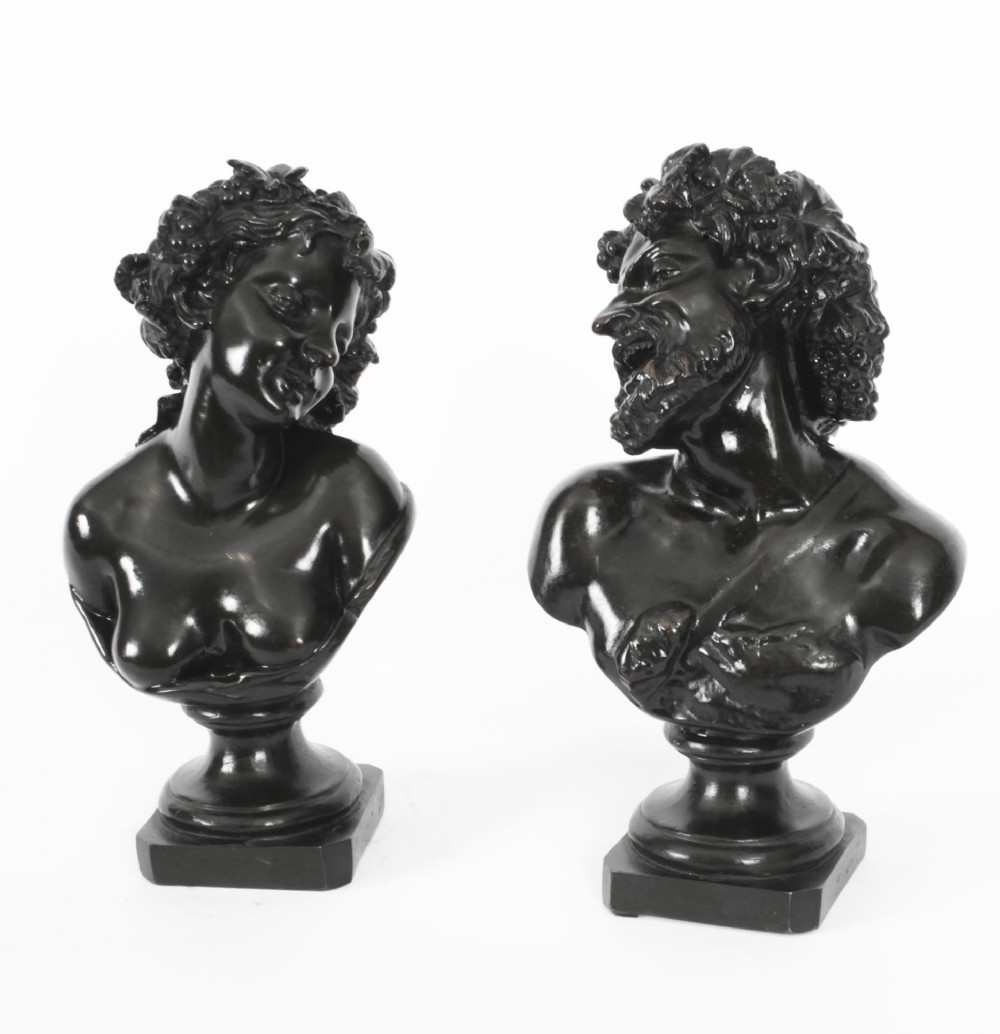
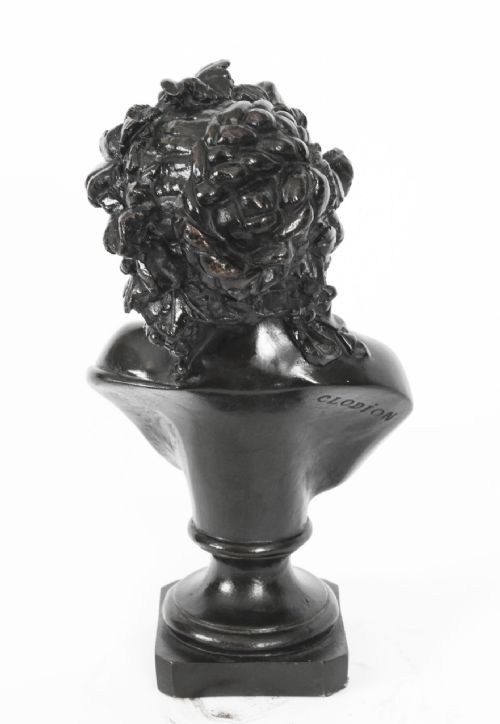
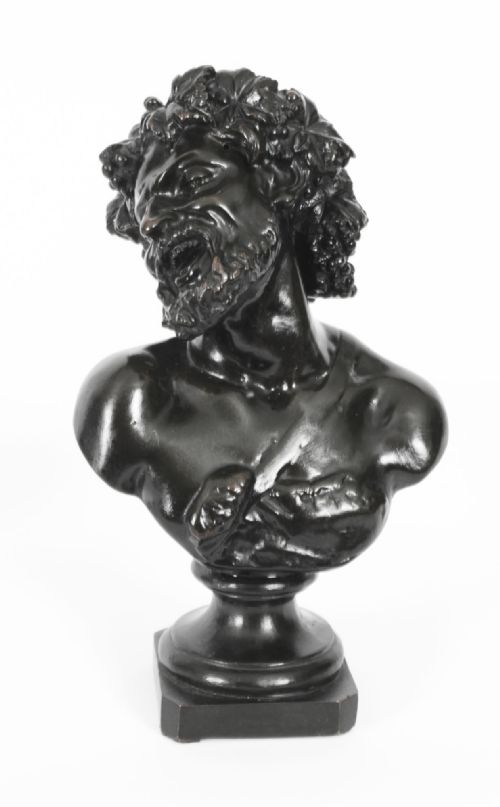
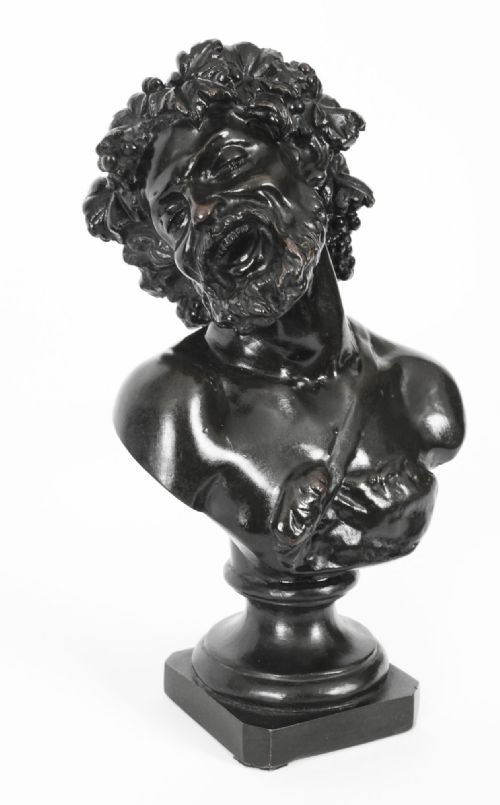
The attention to detail here is remarkable and this truly beautiful pair of bronze busts are sure to receive the maximum amount of attention wherever placed.
Condition:
In really excellent condition, please see photos for confirmation.
Dimensions in cm:
Height 27.5 x Width 14 x Depth 13
Height 28 x Width 16 x Depth 13
Weight 8.65 kg - of the pair
Dimensions in inches:
Height 11 inches x Width 5 inches x Depth 5 inches
Height 11 inches x Width 6 inches x Depth 5 inches
Weight 19.1 lbs - of the pair
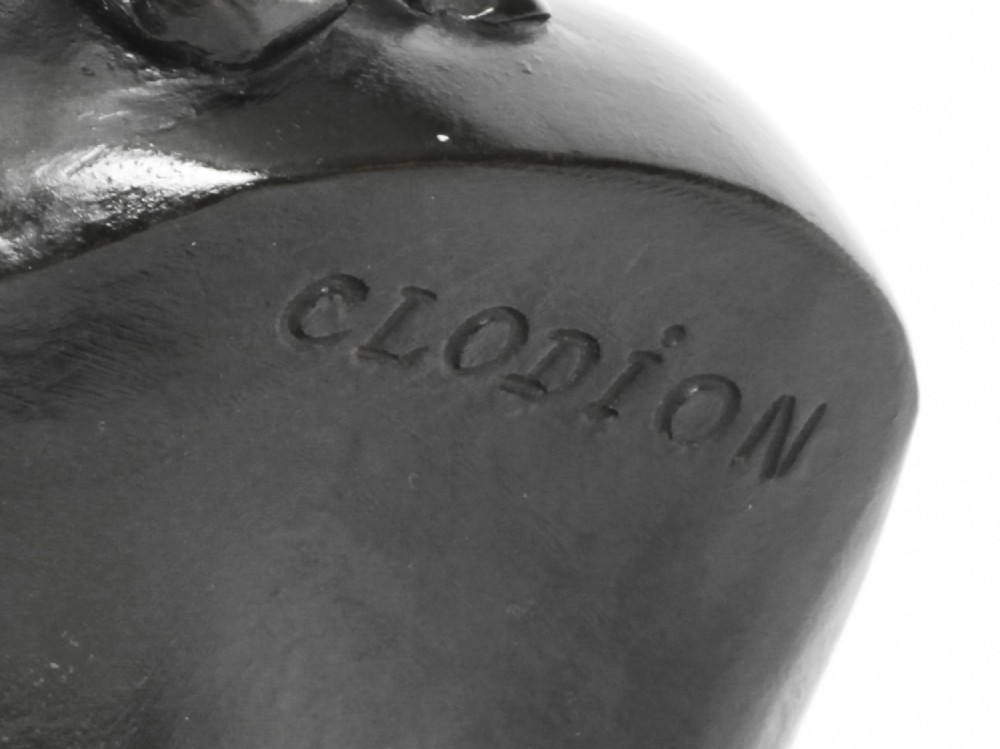
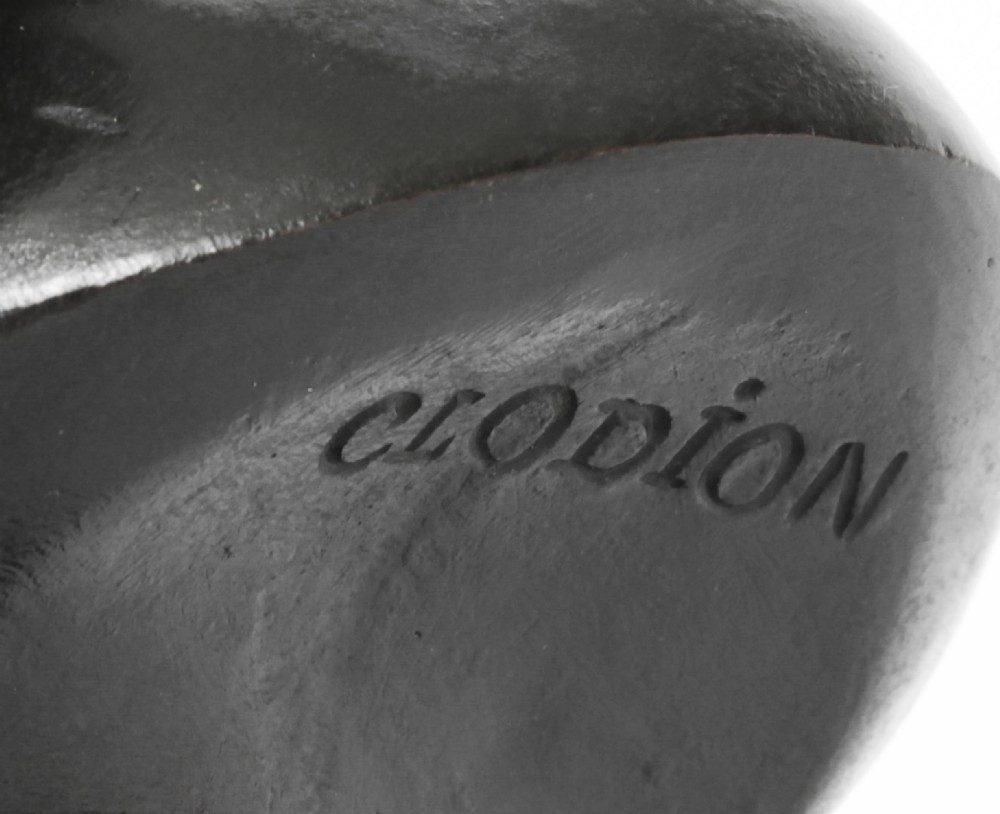
Clodion, original name Claude Michel, (born Dec. 20, 1738, Nancy, France—died March 29, 1814, Paris), French sculptor whose works represent the quintessence of the Rococo style.
In 1755 Clodion went to Paris and entered the workshop of Lambert-Sigisbert Adam, his uncle. On his uncle’s death, he became a pupil of J.B. Pigalle. In 1759 he won the grand prize for sculpture at the Académie Royale de Peinture et de Sculpture, and in 1762 he went to Rome. Catherine II was eager for him to come to St. Petersburg, but he returned to Paris in 1771. There he was successful and frequently exhibited at the Salon.
Clodion worked mostly in terra-cotta, his preferred subject matter being nymphs, satyrs, bacchantes, and other Classical figures sensually portrayed. He was also, with his brothers, a decorator of such objects as candelabra, clocks, and vases. Perhaps because of his apparent unwillingness to be seriously monumental, he was never admitted to the Royal Academy. Nevertheless, after the Revolution had driven him in 1792 to Nancy, where he lived until 1798, he was flexible enough to adapt himself to Neoclassical monumentality—the relief on the Arc de Triomphe du Carrousel, representing the entry of the French into Munich, is an example.
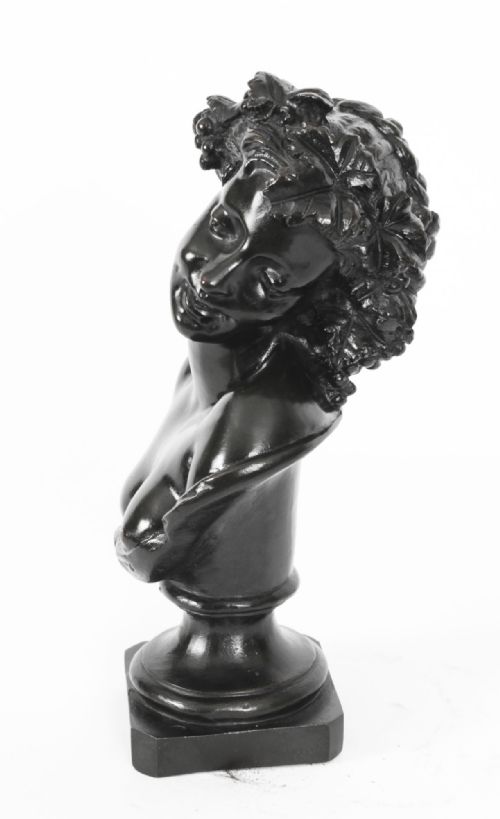
Dionysus (Bacchus)
Along with Demeter, Dionysus was worshipped as a god of the gifts of earth. He was the God of the Vine from which the grapes used to ferment wine were grown. Dionysus granted wine to the people of Greece in his travels, when he taught men how to cultivate grape vines.
One of the most famous stories featuring Dionysus was during said travels, when Dionysus was spotted by a troop of pirates. He was a handsome, strong youth clad in opulent attire and so was mistaken to be a prince of sorts—the son of a king who would be able to grant a great ransom. The pirates brought Dionysus aboard and attempted to restrain him with ropes, but anyplace the rope touched Dionysus fell apart.
When the crew realized their captive must be a god, a lone helmsman beseeched the captain to free him. The captain and the rest of the crew objected, at which point Dionysus used his divine powers to hold the ship in place with vines. Terrified, the crew leapt overboard to save themselves and where turned into dolphins when they hit the water. Only the helmsman was granted Dionysus’ mercy.
Although Dionysus is characterized as a benign and beneficent, as any Olympian god this story reveals the cruelty Dionysus was capable of inflicting on mortals.
ARIADNE was the immortal wife of the wine-god Dionysos.
There were several versions of her story. In one, Ariadne, a daughter of King Minos of Krete (Crete), assisted Theseus in his quest to slay the Minotauros (Minotaur) and then fled with the hero aboard his ship. When they landed on the island of Naxos Theseus abandoned her as she slept. It was then that Dionysos discovered her an
Regent Antiques has dated this piece to the 18th Century.
We specialise in english and continental furniture, silver, porcelain and decorative items.
You can view the stock and full dealer information on the Regent Antiques Profile Page
Regent Antiques is a registered member of LAPADA CINOA
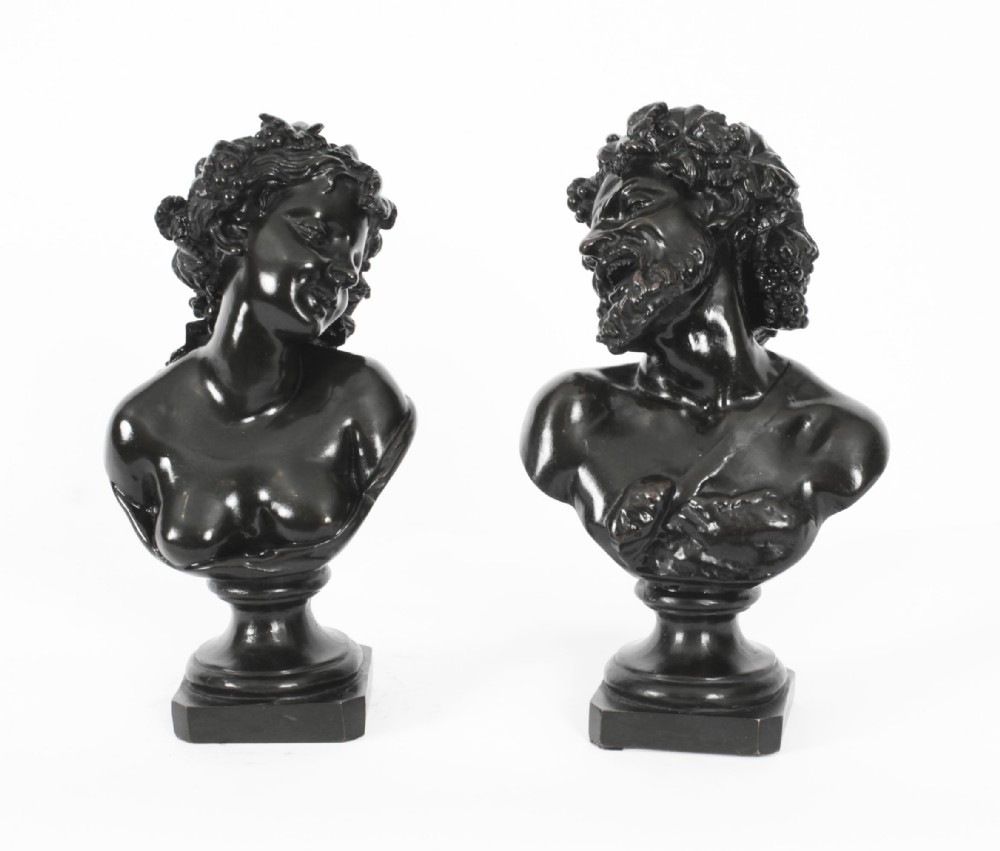
Antique Pair Italian Bronze Busts Dionysus and Ariadne by Clodion 18th C