





Decorative Bronze Art
Decorative bronze art brings sculptural form and rich patination to interiors, uniting twentieth-century foundry work with nineteenth-century craftsmanship.
Decorative Bronze Art
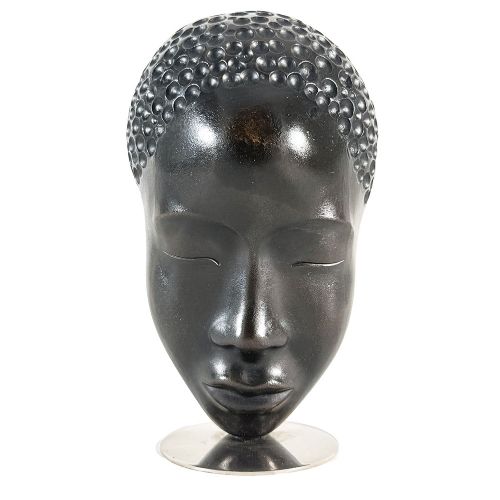
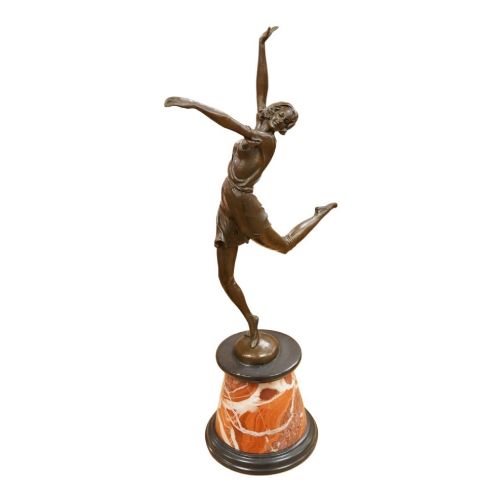
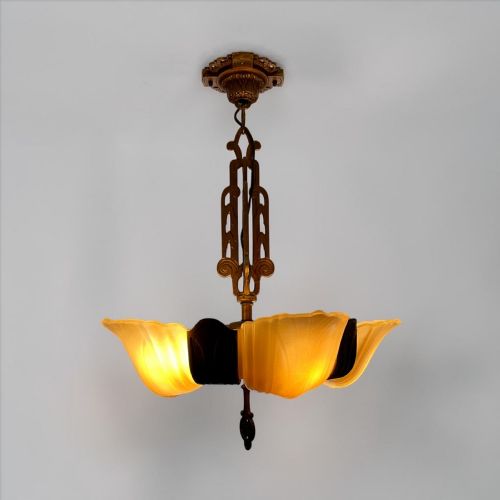
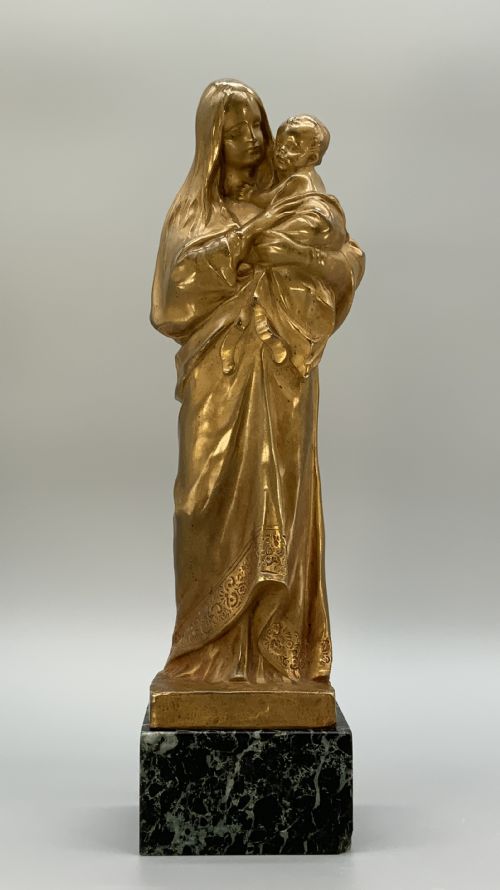
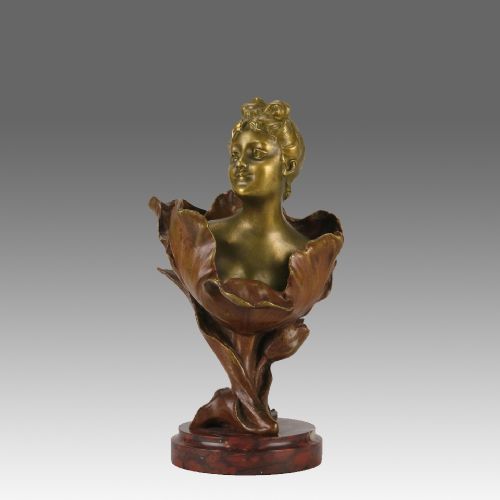
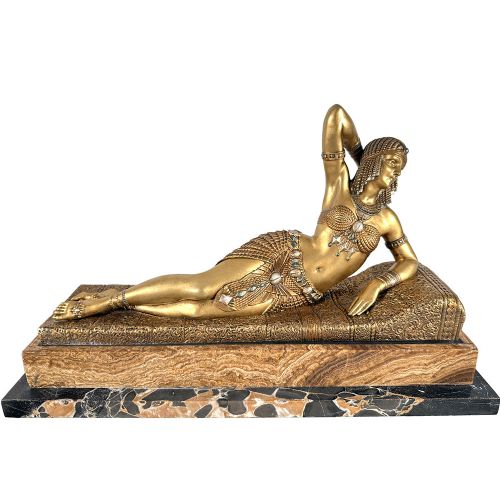
Decorative bronze art encompasses cast metal sculptures, figures, and functional objects produced primarily during the nineteenth and twentieth centuries. When exploring decorative bronze art, buyers encounter items ranging from monumental Art Deco dancers to intricate desk accessories and lighting.
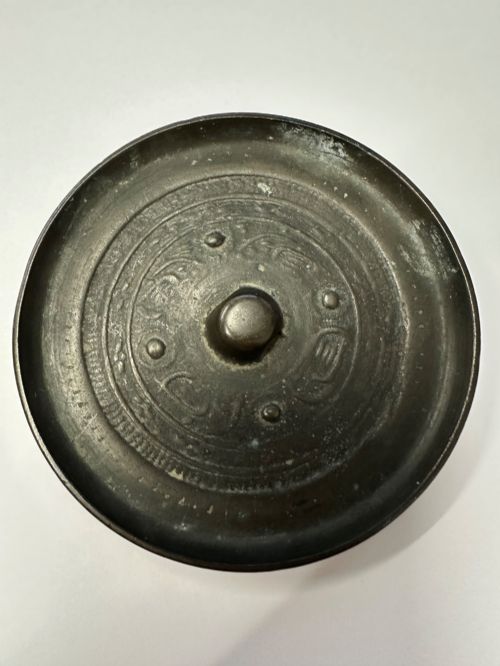
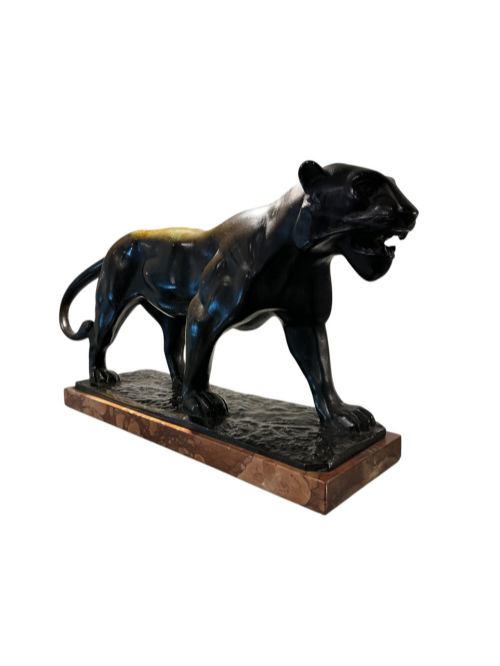
The selections span distinct design movements including Art Nouveau, Art Deco, and the Arts and Crafts style, alongside Meiji period Japanese metalwork. Figures mounted on marble bases and patinated animal studies represent the forms most frequently encountered in these collections.
Origins vary widely across European foundries and Asian workshops, incorporating diverse cultural motifs from classical figures to Japanese folklore. Pieces integrate materials such as marble, glass, and enamel to complement the primary metal element.
Materials and methods of production
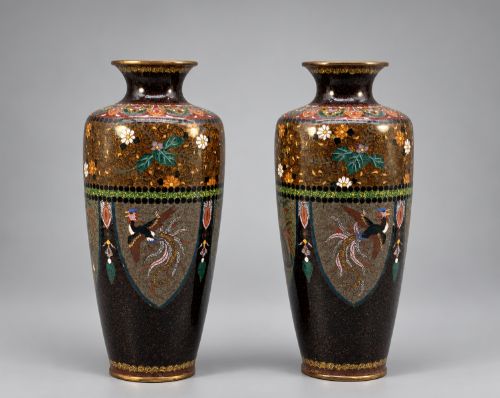
Foundries utilised traditional casting techniques, predominantly lost-wax casting, to achieve intricate detail in bronze, gilt bronze, and silvered bronze. Many works combine metal with contrasting substances such as carved marble bases, glass cabochons, and cloisonné enamel.
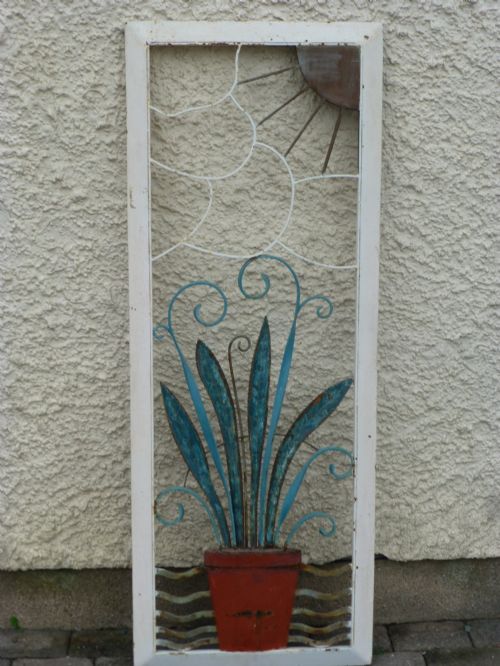
Surfaces received careful chemical treatments to create patination, cold-painted finishes, or gilding, while other items incorporated hammered metal and architectural iron. Artisans also employed white metal, brass, copper, and spelter as alternative structural or decorative media.
Decorative Bronze Art Retail Price Guide 2026
Typical asking prices for decorative bronze art among the pieces listed under this phrase on Sellingantiques today, from the lower quarter to the upper quarter. They describe what is for sale here now, not the wider market.
Several bronzes keep watch over mundane items, including sea lions balancing on bookends and a teddy bear sharing a quiet moment.
Distinctions in quality and execution
The integration of secondary materials such as veined marble plinths and hand-applied patinas separates workshop output. Pieces bearing signature incisions from established artists demonstrate higher levels of design conception and foundry execution.
Hagenauer·Maurice Giraud-Rivière·Bruno Zach·Raymond Subes·Hans Müller·Henri Godet·Georges Leleu·Demetre Chiparus·Fabergé·Haruyama Shunzan·Abel Landry·Charles Korschann·Josef Lorenzl·Alexandre Kelety·Ferdinand Preiss
The Decorative Bronze Art Glossary
- Patina
- The surface coloration or sheen developed naturally over time or applied chemically by the foundry. This chemical finish protects the metal and accentuates sculptural contours.
- Lost-wax casting
- A method of metal casting where a molten substance is poured into a mould created by means of a wax model. This technique allows for exceptional detail and undercut forms.
- Gilt bronze
- Metal that has been coated with a thin layer of gold or gold amalgam. Also known asormolu, this finish provides a bright, durable golden lustre.
- Cloisonné
- An enamelwork technique where thin metal wires are soldered to a base to form compartments filled with vitreous paste. Firing fuses the coloured enamel within the network.
- Spelter
- A zinc alloy frequently utilised as a cost-effective alternative to bronze during the nineteenth and early twentieth centuries. It accepts patination and metallic paint finishes well.
Decorative Bronze Art: Frequently Asked Questions
What is decorative bronze art?
Decorative bronze art includes cast metal sculptures, vessels, and functional objects produced by European and Asian artisans over the past two centuries. These pieces reflect prominent design movements including Art Deco and Art Nouveau.
Items range from cabinet bronzes and bookends to architectural fragments and large figurative works. Many incorporate bases of carved marble or details in enamel and glass.
How do I identify Art Deco bronze?
Art Deco bronze works typically feature stylised geometric lines, streamlined aerodynamic forms, and depictions of dancers, athletes, or animals. Figures are frequently mounted upon stepped marble plinths.
These pieces often display silvered or patinated surfaces and date from the interwar decades of the twentieth century.
Where were Japanese bronzes made?
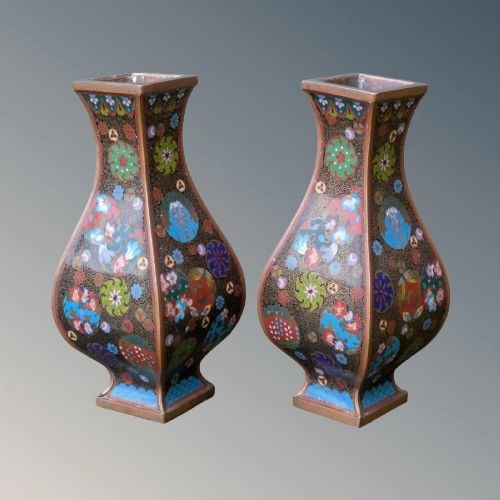
Japanese metalwork from this era was produced during the Meiji period in specialised regional workshops and foundries. Artisans combined traditional casting methods with intricate surface decoration such as cloisonné enamel.
These objects often depict flora, fauna, and figures from Japanese folklore on vases, chargers, and okimono.
How do I clean decorative bronze?
Decorative bronze requires minimal intervention to preserve its original surface patination. Dusting gently with a dry, soft cloth prevents the accumulation of grime.
Harsh chemical polishes and abrasive cleaners should be avoided because they strip away patinas and finishes applied by the foundry.