40,605  PAGES BROWSED TODAY PAGES TODAY 98  ANTIQUES UPLOADED TODAY NEW ARRIVALS
ID #SA486046
FOR SALE
£6,500
Email
Save
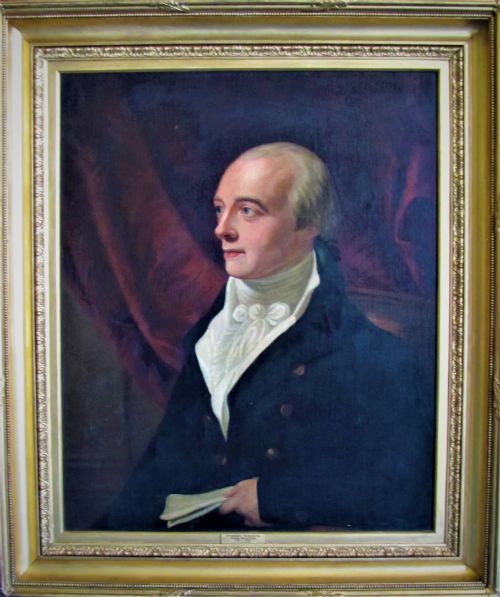
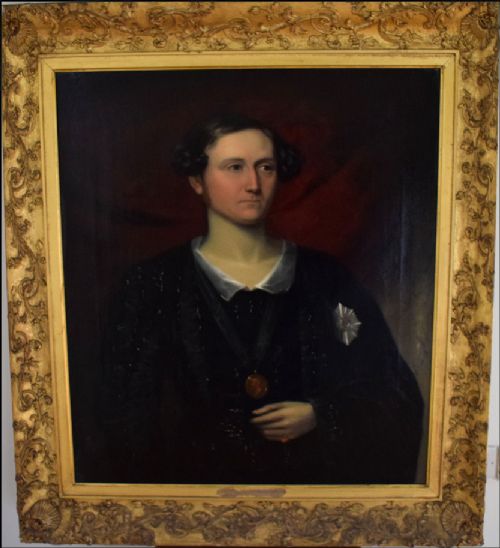
Attributed to George Dawe, 1781-1829 Portrait of Leopold George Frederick Duke of Saxe Coburg, Leopold I of Belgium 1790-1865
Artware Fineart
for sale €7,605     $8,255
£6,500

Artware Fineart

Sellingantiques Verified Since Sep 2008
View Dealers Stock Page
Relevant Links
Id #SA486046
PDF SHARE
SAVE

Attributed to George Dawe, 1781-1829 Portrait of Leopold George Frederick Duke of Saxe Coburg, Leopold I of Belgium 1790-1865

19th century
For Sale by Artware Fineart
Description

Attributed to George Dawe, 1781-1829

Portrait of Leopold George Frederick Duke of Saxe Coburg, Leopold I of Belgium 1790-1865

oil on canvas

40 x 30in. (102 x 76 cm.)

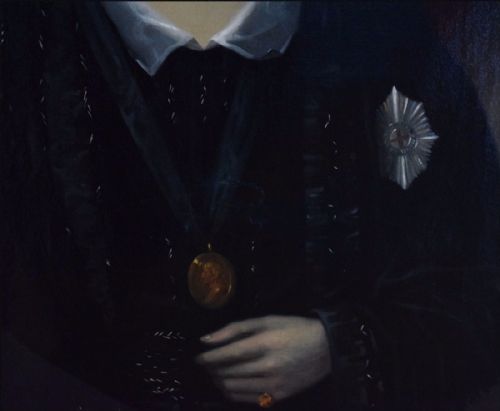
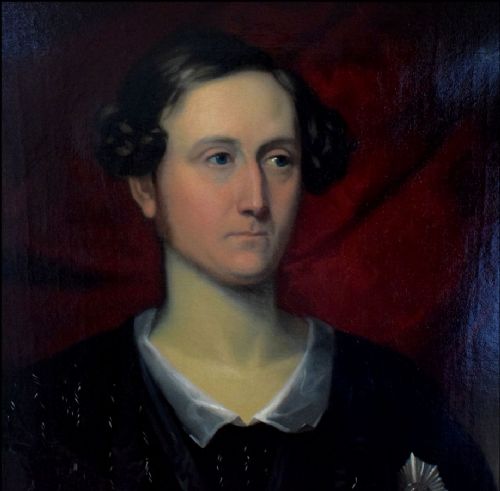
This portrait shows Leopold I wearing the order of the Garter which was bestowed on him in 1816 the year he married Princess Charlotte of Wales.This portrait shows Leopold bearing striking similarities in looks to his nephew Prince Albert of Saxe-Coburg and Gotha who became the husband to Quee Victoria.
Leopold I 1790 – 1865 was a German prince who became the first King of the Belgians following Belgian independence in 1830. He reigned between July 1831 and December 1865.

Born into the ruling family of the small German duchy of Saxe-Coburg-Saalfeld, Leopold took a commission in the Imperial Russian Army and fought against Napoleon after French troops overran Saxe-Coburg during the Napoleonic Wars. After Napoleon's defeat, Leopold moved to the United Kingdom where he married Princess Charlotte of Wales, the only child of the Prince Regent (the future King George IV), thus situating himself as close as possible to the future prince consort of the United Kingdom. Charlotte died in 1817, but Leopold continued to enjoy considerable status in Britain. After the Greek War of Independence (1821–32), LeopoId was offered the position of King of Greece but turned it down, believing it to be too precarious. Instead, Leopold accepted the kingship of the newly established Kingdom of Belgium in 1831. The Belgian government offered the position to Leopold because of his diplomatic connections with royal houses across Europe. In addition, because he was seen as a British-backed candidate, he was not affiliated to other powers, such as France, which were believed to have territorial ambitions in Belgium which might threaten the European balance of power created by the 1815 Congress of Vienna.
Leopold was crowned in Belgium on 21 July 1831, an event commemorated annually as Belgian National Day. His reign was marked by attempts by the Dutch to recapture Belgium and, later, by internal political division between liberals and Catholics. As a Protestant, Leopold was considered liberal and encouraged economic modernisation, playing an important role in encouraging the creation of Belgium's first railway in 1835 and subsequent industrialisation. As a result of the ambiguities in the Belgian Constitution, Leopold was able to slightly expand the monarch's powers during his reign. He also played an important role in stopping the spread of the Revolutions of 1848 into Belgium. He died in 1865 and was succeeded by his son, Leopold II.
Leopold was born in Coburg in the tiny German duchy of Saxe-Coburg-Saalfeld in modern-day Bavaria on 16 December 1790. He was the youngest son of Francis, Duke of Saxe-Coburg-Saalfeld, and Countess Augusta Reuss-Ebersdorf. In 1826, Saxe-Coburg acquired the city of Gotha from the neighboring Duchy of Saxe-Gotha-Altenburg and gave up Saalfeld to Saxe-Meiningen, becoming Saxe-Coburg-Gotha. ln 1795, at just five years old, Leopold was given an honorary commission of the rank of colonel in the Izmaylovsky Regiment, part of the Imperial Guard, in the Imperial Russian Army.Seven years later, he received a promotion to the rank of Major General.
When French troops occupied the Duchy of Saxe-Coburg in 1806 during the Napoleonic Wars, Leopold went to Paris where he became part of the Imperial Court of Napoleon.[1] Napoleon offered him the position of adjutant, but Leopold refused. Instead, he went to Russia to take up a military career in the Imperial Russian cavalry, which was at war with France at the time.He campaigned against Napoleon and distinguished himself at the Battle of Kulm at the head of his cuirassier division. In 1815, by the time of the final defeat of Napoleon and, aged 25, reached the rank of lieutenant general.

Leopold received

Physical Dimensions
Height
101cm (39.76")
Width
76cm (29.92")
Depth
4cm (1.57")
Declaration

Artware Fineart has dated this Regency Oil Portrait Painting to the 19th Century.

Reference Numbers
Sellingantiques Reference
SA486046
Dealers Internal Reference
3904
Description
Attributed to George Dawe, 1781-1829

Portrait of Leopold George Frederick Duke of Saxe Coburg, Leopold I of Belgium 1790-1865

oil on canvas

40 x 30in. (102 x 76 cm.)

This portrait shows Leopold I wearing the order of the Garter which was bestowed on him in 1816 the year he married Princess Charlotte of Wales.
Artware Fineart

This portrait shows Leopold bearing striking similarities in looks to his nephew Prince Albert of Saxe-Coburg and Gotha who became the husband to Quee Victoria.

fig 1. An antique oil portrait on canvas showing a half-length depiction of a man in dark clothing with a star decoration against a crimson background.
fig 1. Attributed to George Dawe, 1781-1829 Portrait of Leopold George Frederick Duke of Saxe Coburg, Leopold I of Belgium 1790-1865

Leopold I 1790 – 1865 was a German prince who became the first King of the Belgians following Belgian independence in 1830. He reigned between July 1831 and December 1865.

Born into the ruling family of the small German duchy of Saxe-Coburg-Saalfeld, Leopold took a commission in the Imperial Russian Army and fought against Napoleon after French troops overran Saxe-Coburg during the Napoleonic Wars. After Napoleon's defeat, Leopold moved to the United Kingdom where he married Princess Charlotte of Wales, the only child of the Prince Regent (the future King George IV), thus situating himself as close as possible to the future prince consort of the United Kingdom. Charlotte died in 1817, but Leopold continued to enjoy considerable status in Britain. After the Greek War of Independence (1821–32), LeopoId was offered the position of King of Greece but turned it down, believing it to be too precarious. Instead, Leopold accepted the kingship of the newly established Kingdom of Belgium in 1831. The Belgian government offered the position to Leopold because of his diplomatic connections with royal houses across Europe. In addition, because he was seen as a British-backed candidate, he was not affiliated to other powers, such as France, which were believed to have territorial ambitions in Belgium which might threaten the European balance of power created by the 1815 Congress of Vienna.

fig 2. An antique oil portrait on canvas showing a half-length depiction of a man in dark clothing with a star decoration against a crimson background.
fig 2. Attributed to George Dawe, 1781-1829 Portrait of Leopold George Frederick Duke of Saxe Coburg, Leopold I of Belgium 1790-1865

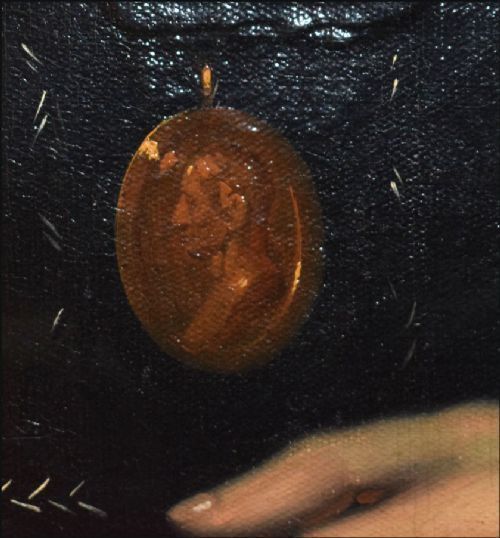
Leopold was crowned in Belgium on 21 July 1831, an event commemorated annually as Belgian National Day. His reign was marked by attempts by the Dutch to recapture Belgium and, later, by internal political division between liberals and Catholics. As a Protestant, Leopold was considered liberal and encouraged economic modernisation, playing an important role in encouraging the creation of Belgium's first railway in 1835 and subsequent industrialisation. As a result of the ambiguities in the Belgian Constitution, Leopold was able to slightly expand the monarch's powers during his reign. He also played an important role in stopping the spread of the Revolutions of 1848 into Belgium. He died in 1865 and was succeeded by his son, Leopold II.

fig 3. An antique oil portrait on canvas showing a half-length depiction of a man in dark clothing with a star decoration against a crimson background.
fig 3. Attributed to George Dawe, 1781-1829 Portrait of Leopold George Frederick Duke of Saxe Coburg, Leopold I of Belgium 1790-1865

Leopold was born in Coburg in the tiny German duchy of Saxe-Coburg-Saalfeld in modern-day Bavaria on 16 December 1790. He was the youngest son of Francis, Duke of Saxe-Coburg-Saalfeld, and Countess Augusta Reuss-Ebersdorf. In 1826, Saxe-Coburg acquired the city of Gotha from the neighboring Duchy of Saxe-Gotha-Altenburg and gave up Saalfeld to Saxe-Meiningen, becoming Saxe-Coburg-Gotha. ln 1795, at just five years old, Leopold was given an honorary commission of the rank of colonel in the Izmaylovsky Regiment, part of the Imperial Guard, in the Imperial Russian Army.Seven years later, he received a promotion to the rank of Major General.

fig 4. An antique oil portrait on canvas showing a half-length depiction of a man in dark clothing with a star decoration against a crimson background.
fig 4. Attributed to George Dawe, 1781-1829 Portrait of Leopold George Frederick Duke of Saxe Coburg, Leopold I of Belgium 1790-1865

When French troops occupied the Duchy of Saxe-Coburg in 1806 during the Napoleonic Wars, Leopold went to Paris where he became part of the Imperial Court of Napoleon.[1] Napoleon offered him the position of adjutant, but Leopold refused. Instead, he went to Russia to take up a military career in the Imperial Russian cavalry, which was at war with France at the time.He campaigned against Napoleon and distinguished himself at the Battle of Kulm at the head of his cuirassier division. In 1815, by the time of the final defeat of Napoleon and, aged 25, reached the rank of lieutenant general.

Leopold received

Height
101cm (39.76")
Width
76cm (29.92")
Depth
4cm (1.57")
Date of Manufacture

Artware Fineart has dated this Regency Oil Portrait Painting to the 19th Century.

Reference Numbers
Sellingantiques Ref
SA486046
Dealers Internal Ref
3904
Artware Fineart
Sellingantiques verified Since Sep 2008
Dealer Profile

You can view the stock and full dealer information on the Artware Fineart Profile Page

Relevant Links
PDF SHARE
SAVE
An antique oil portrait on canvas showing a half-length depiction of a man in dark clothing with a star decoration against a crimson background.
1 / 5
Archive I An antique oil portrait on canvas showing a half-length depiction of a man in dark clothing with a star decoration against a crimson background.

Attributed to George Dawe, 1781-1829 Portrait of Leopold George Frederick Duke of Saxe Coburg, Leopold I of Belgium 1790-1865
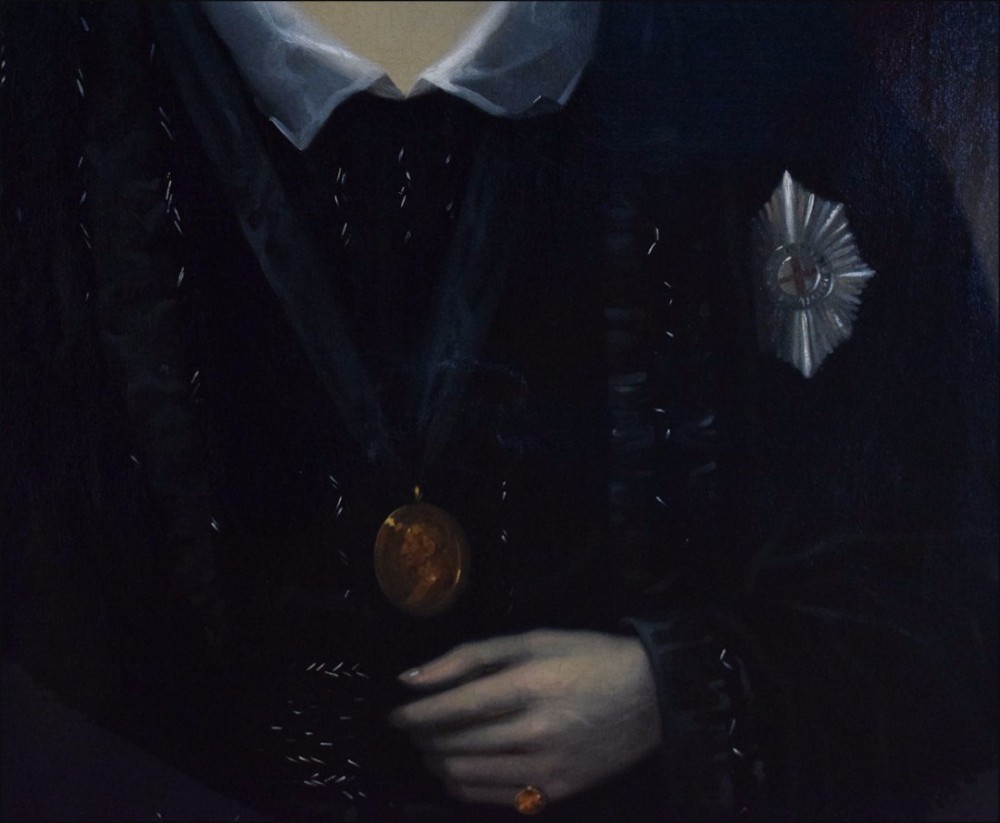
Archive II An antique oil portrait on canvas showing a half-length depiction of a man in dark clothing with a star decoration against a crimson background. View II
Archive III An antique oil portrait on canvas showing a half-length depiction of a man in dark clothing with a star decoration against a crimson background. View III
Archive IV An antique oil portrait on canvas showing a half-length depiction of a man in dark clothing with a star decoration against a crimson background. View IV
Archive V An antique oil portrait on canvas showing a half-length depiction of a man in dark clothing with a star decoration against a crimson background. View V
FURTHER BROWSING

Visitors also looked at these ⇣

Enlarged Archival View
Telephone 07958 699 645
Location
18 La Gare
51 Surrey Row
London
SE1 0BZ
United Kingdom
Verified Since Sep 2008
Items For Sale 243
Items Sold 223
Artware Fineart
Verified Since Sep 2008
View Dealer Info
Location: 18 La Gare , 51 Surrey Row , London , SE1 0BZ , United Kingdom
Verified
Sep 2008
For Sale
243
Sold
223
An antique oil portrait on canvas showing a half-length depiction of a man in dark clothing with a star decoration against a crimson background.
Attributed to George Dawe, 1781-1829 Portrait of Leopold George Frederick Duke of Saxe Coburg, Leopold I of Belgium 1790-1865
Ref: SA486046
An antique oil portrait on canvas showing a half-length depiction of a man in dark clothing with a star decoration against a crimson background.
Detail View 1
Detail View 2
Detail View 3
Detail View 4
Archival Detail
Every single antique dealer on our platform is individually approved by our internal team. We verify their professional trade history, ethical standards, and photographic quality to ensure a secure, high-standard buying environment. Upon joining, every dealer agrees to a strict 9-point code of conduct. While issues can occasionally arise, our dealers typically resolve them swiftly and directly with the buyer. In fact, since our founding in 2002, Sellingantiques has only had to step in to help resolve an issue on roughly five occasions—a true testament to the quality of our dealers and their dedication to your happiness.
Our dealers are highly experienced in packing and shipping fragile, high-value antiques. Because you are in direct contact with the dealer, you will be able to easily go through all available shipping and insurance options together to ensure your item arrives safely.
Antiques are the ultimate green purchase. By choosing historical pieces over newly manufactured goods, you completely eliminate the carbon footprint of modern mass production while preserving exceptional, timeless craftsmanship.

Regency portraiture, dating from the early 19th century, is characterised by realistic depiction, dramatic chiaroscuro lighting, and formal attire. Works from this era often feature classical influence, smooth brushwork, and atmospheric dark backgrounds to highlight the subject.

Paintings from this era were primarily created using oil pigments bound with linseed oil, applied onto hand-stretched linen or cotton canvas. The canvas was typically mounted on wooden stretcher bars and treated with a gesso primer before painting.

Authentic oil paintings from this period display age-appropriate craquelure patterns across the paint surface, natural yellowing of original varnish, and hand-forged tacks along the canvas edges. Inspecting the reverse side often reveals darkened wood stretchers and historical canvas stamps.

A historical portrait can be positioned as a focal point above a mantelpiece or side table to add visual depth to a contemporary room. Pairing dark-toned artwork with minimalist furniture creates a balanced, eclectic contrast within both traditional and modern spaces.

Keep oil paintings away from direct sunlight, dampness, and heat sources to prevent cracking and canvas warp. Dust the surface gently using a soft, dry brush, and consult a professional art conservator for varnish removal or structural repairs.
items
Add keywords to the filter
Price
£100
£250000
Era
Movements
Material
Origin
Stock Location
Freshness
Online Payments
Categories