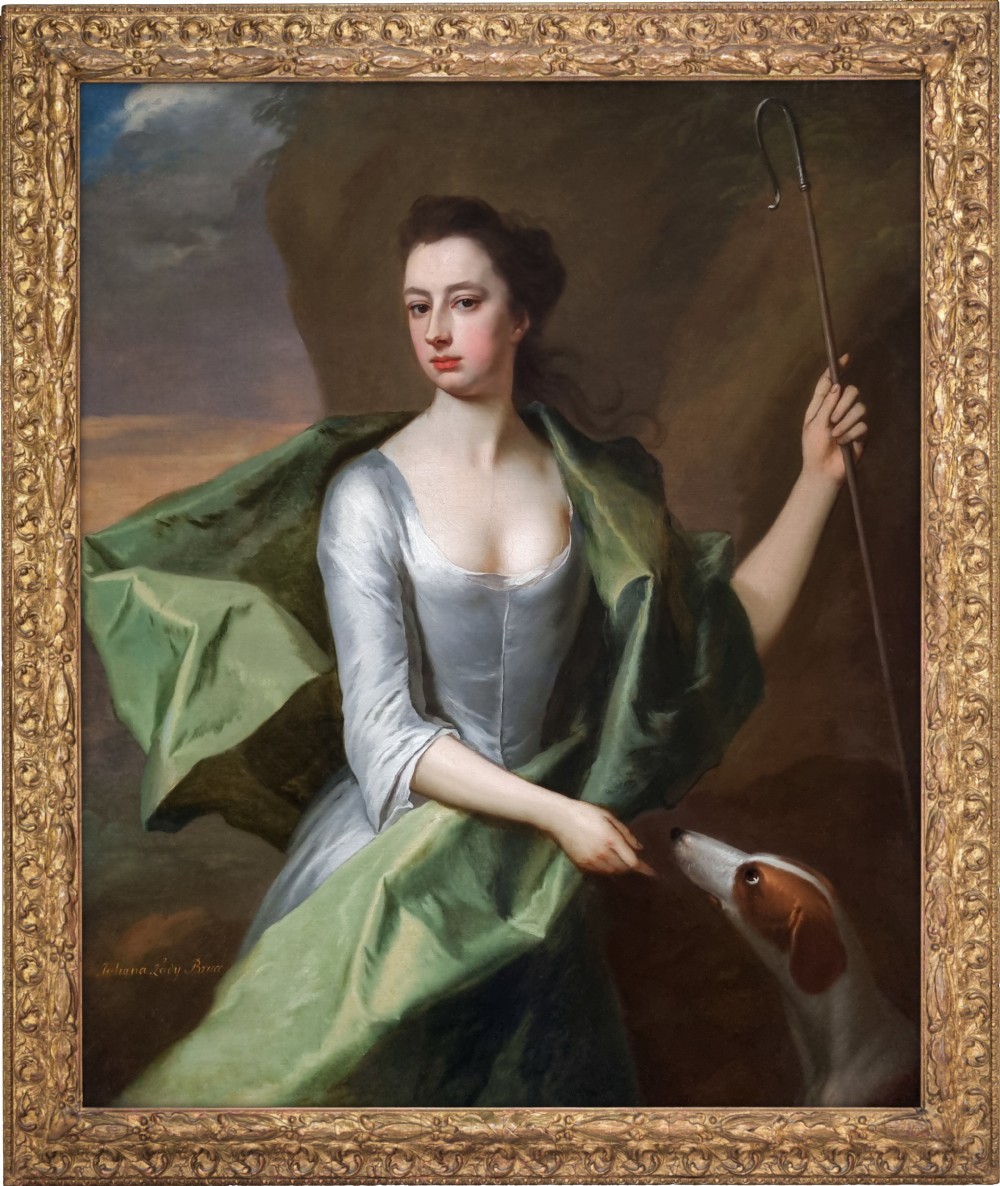
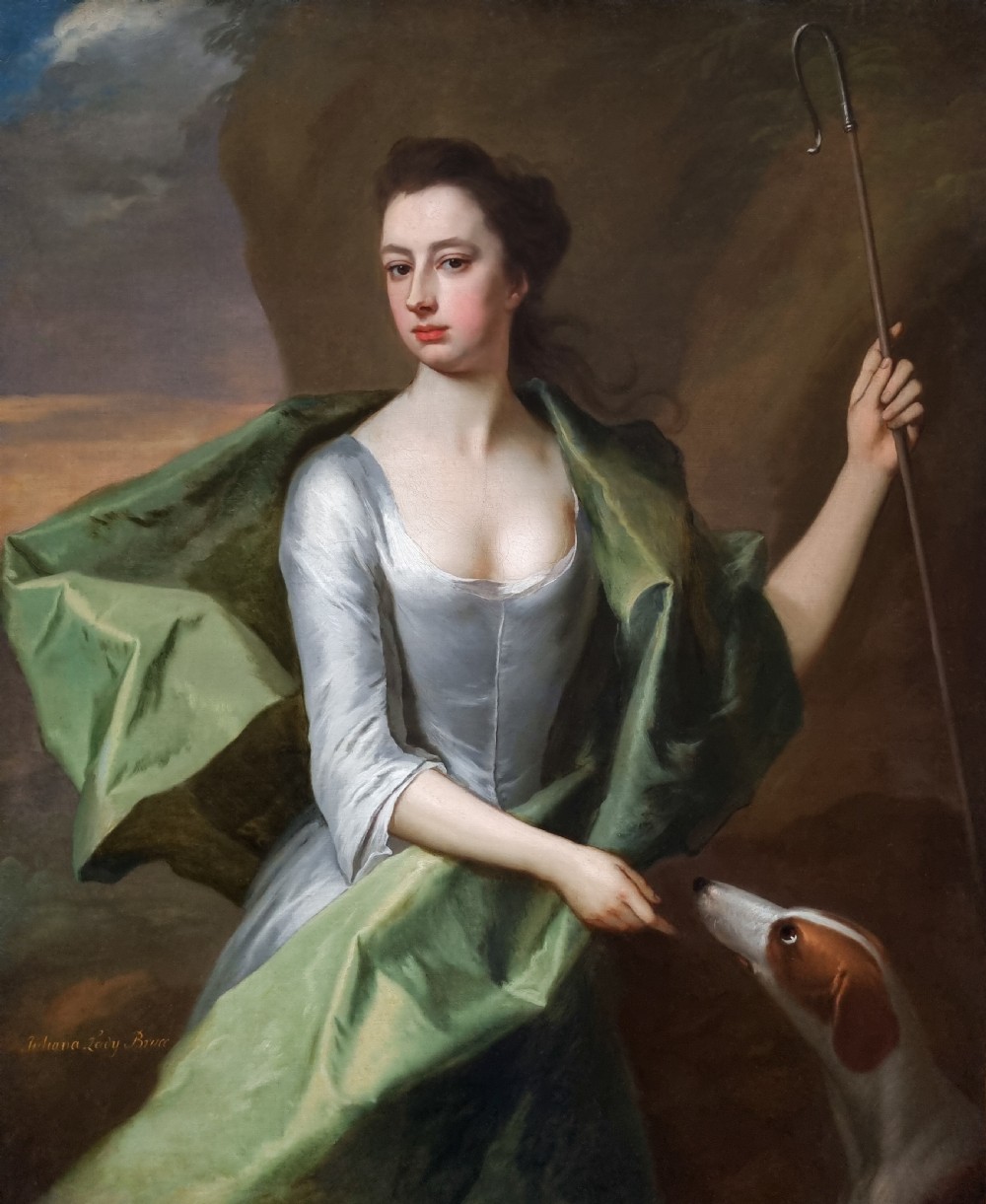
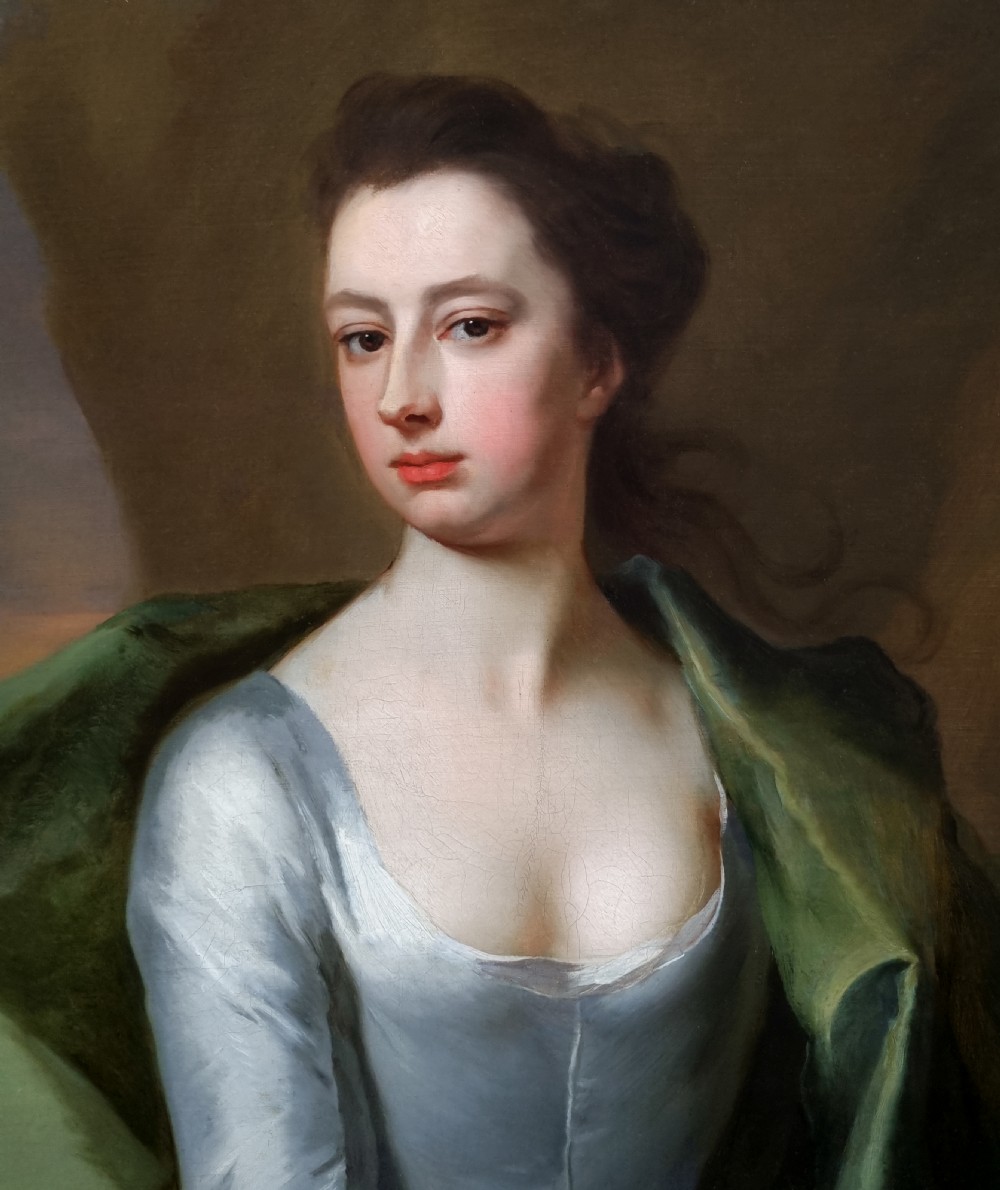
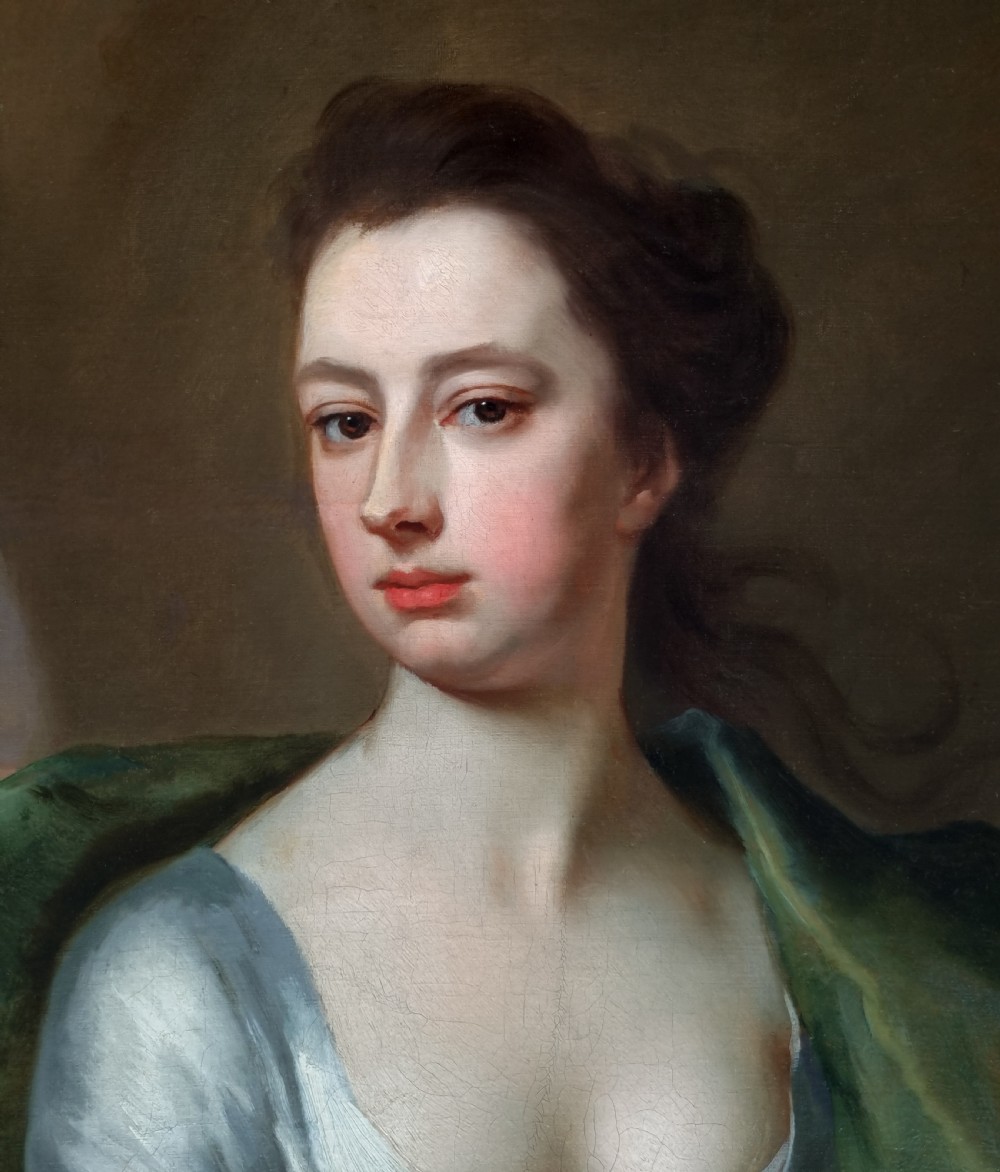
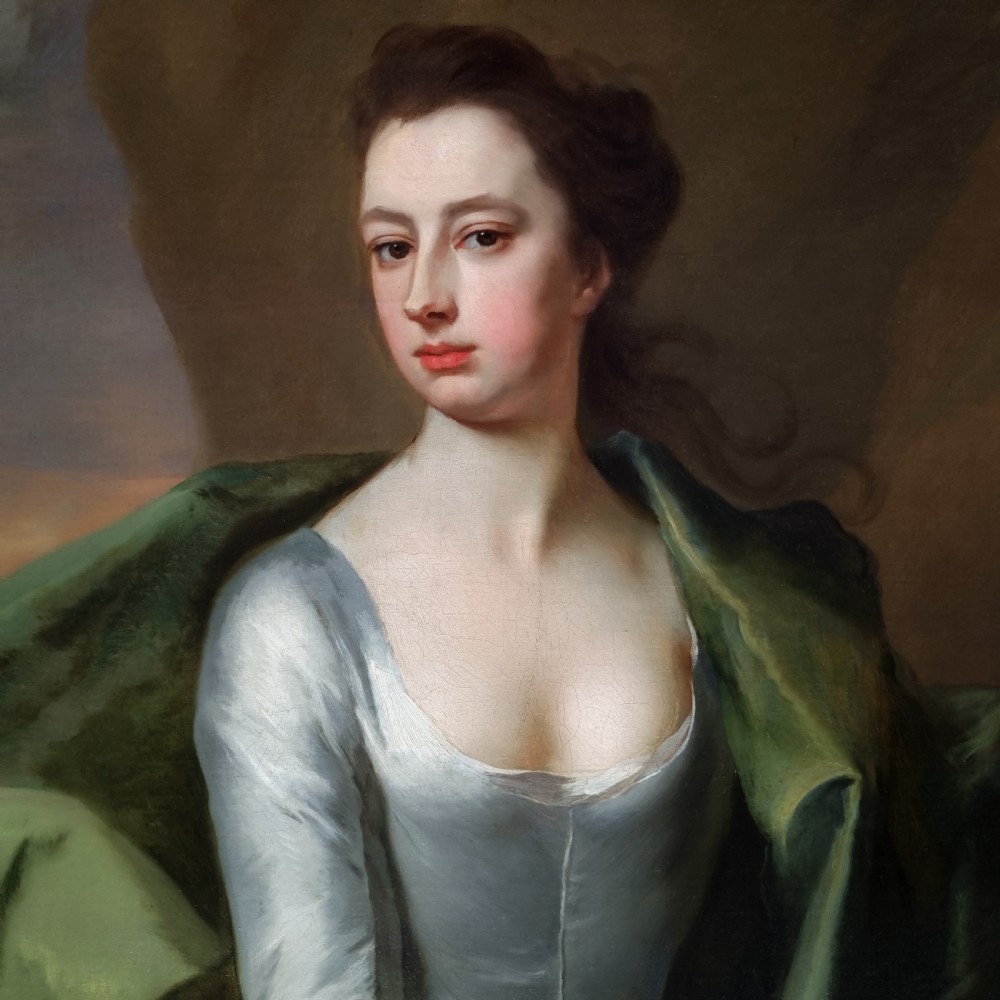
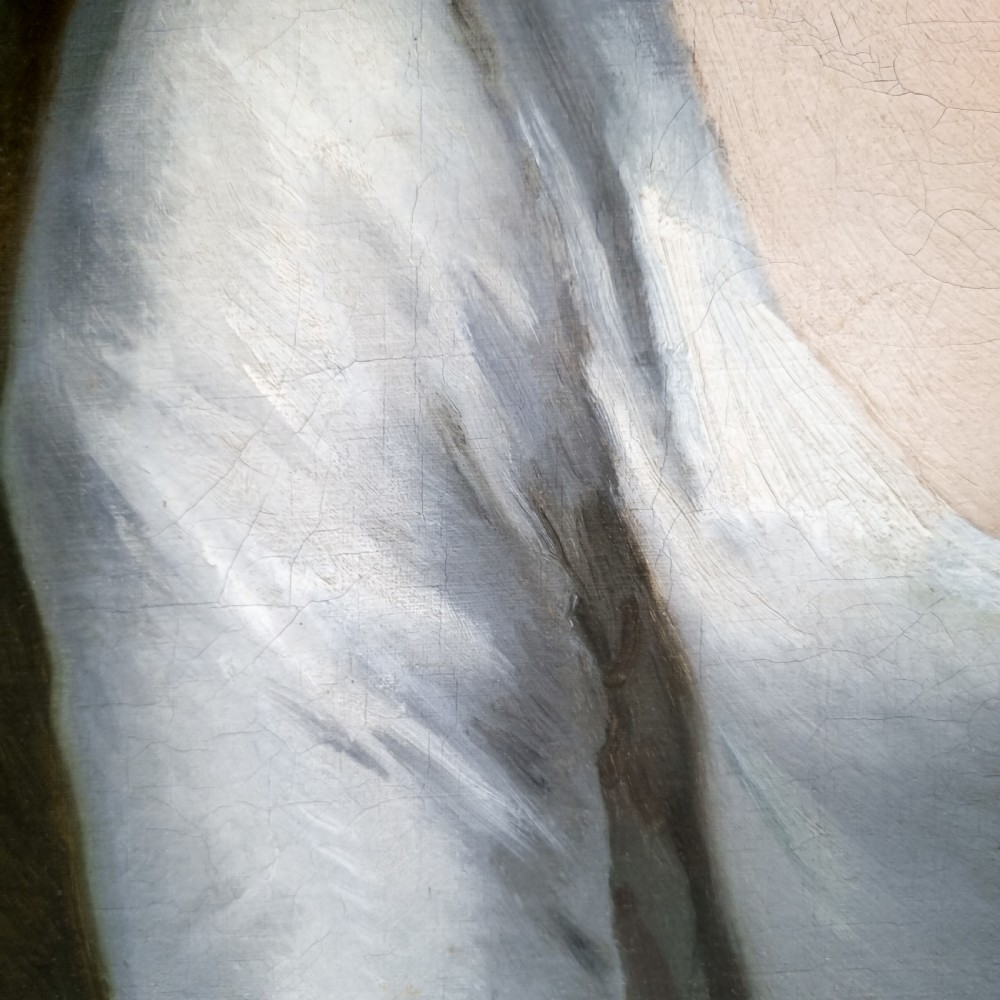
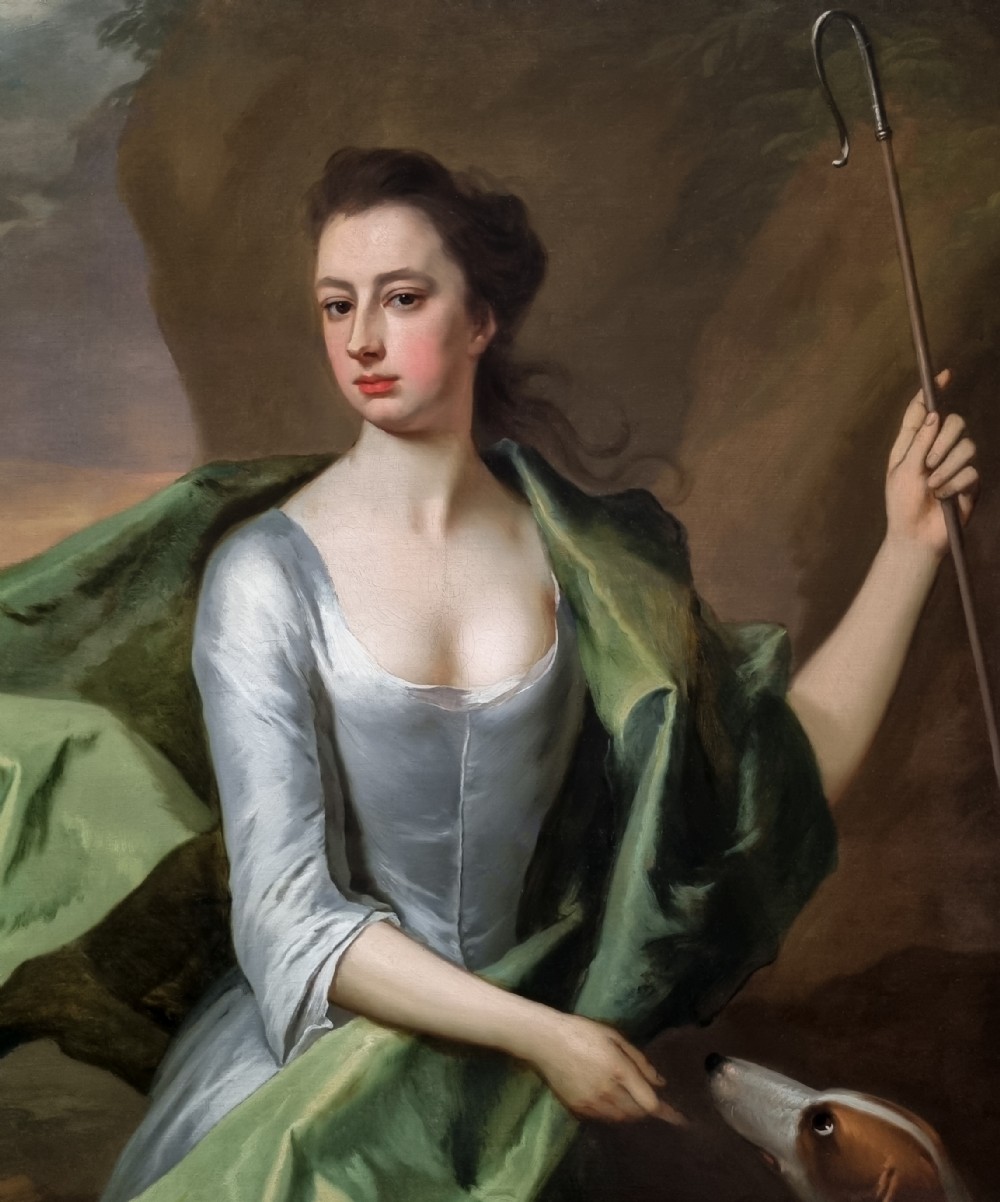
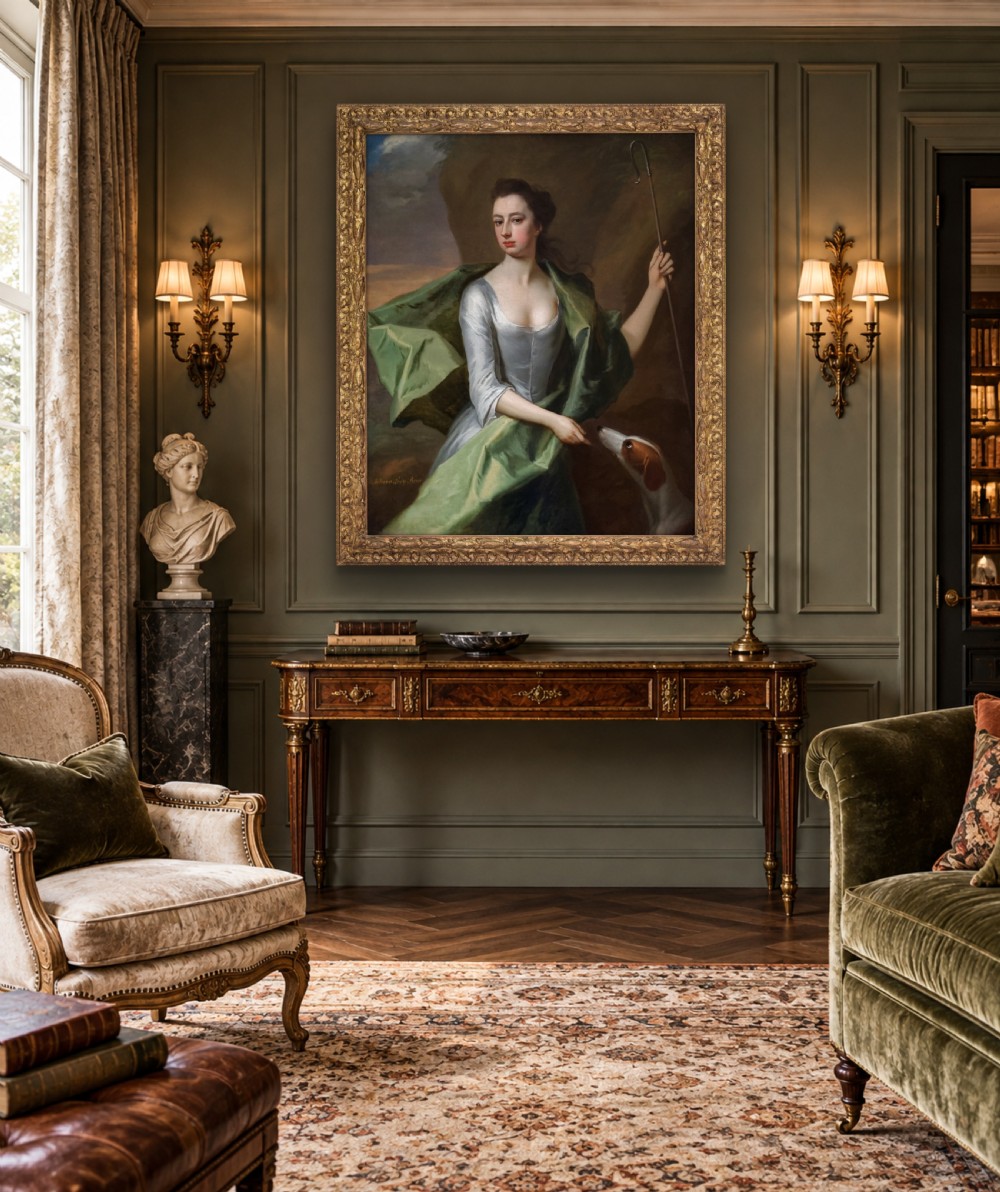
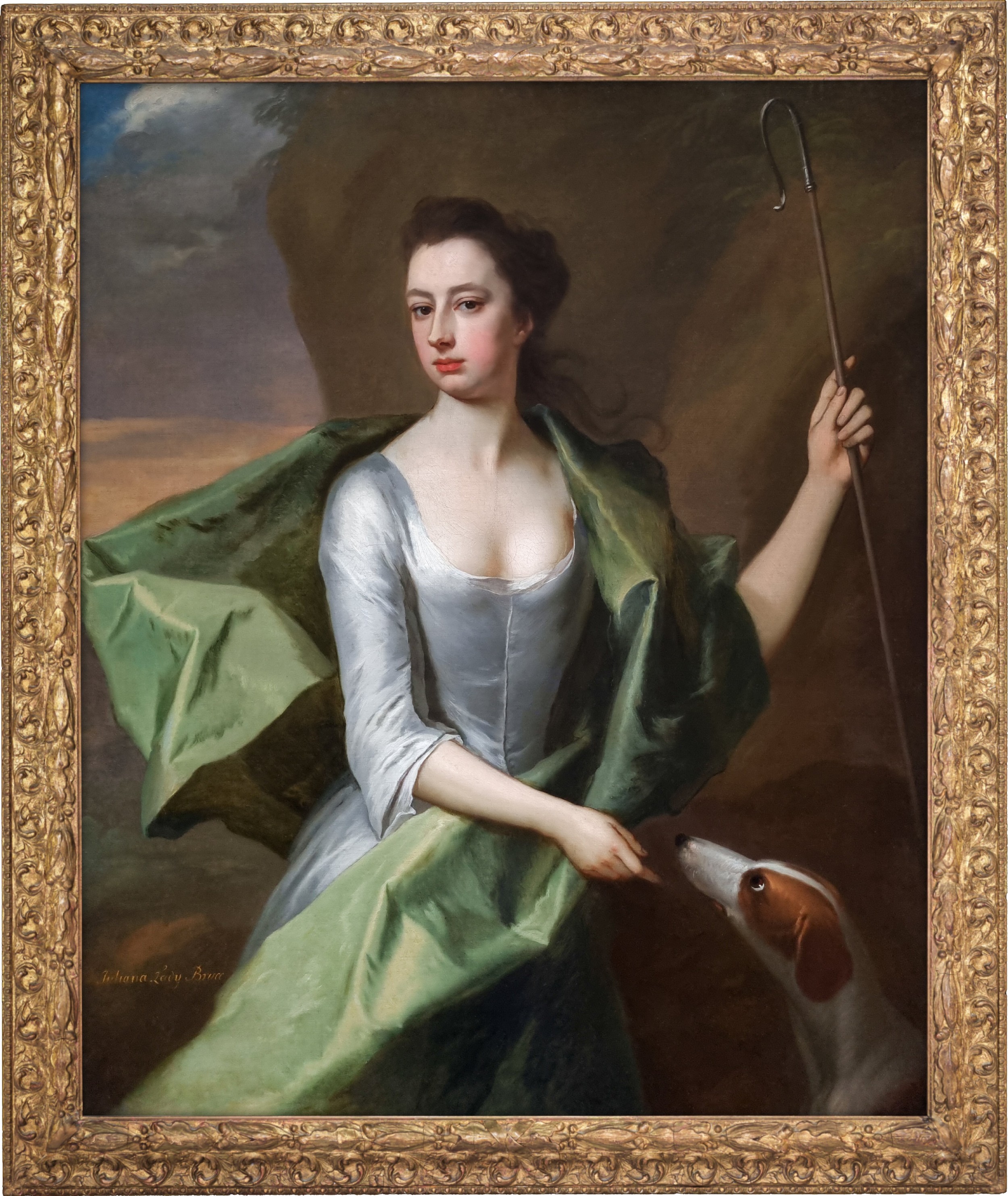
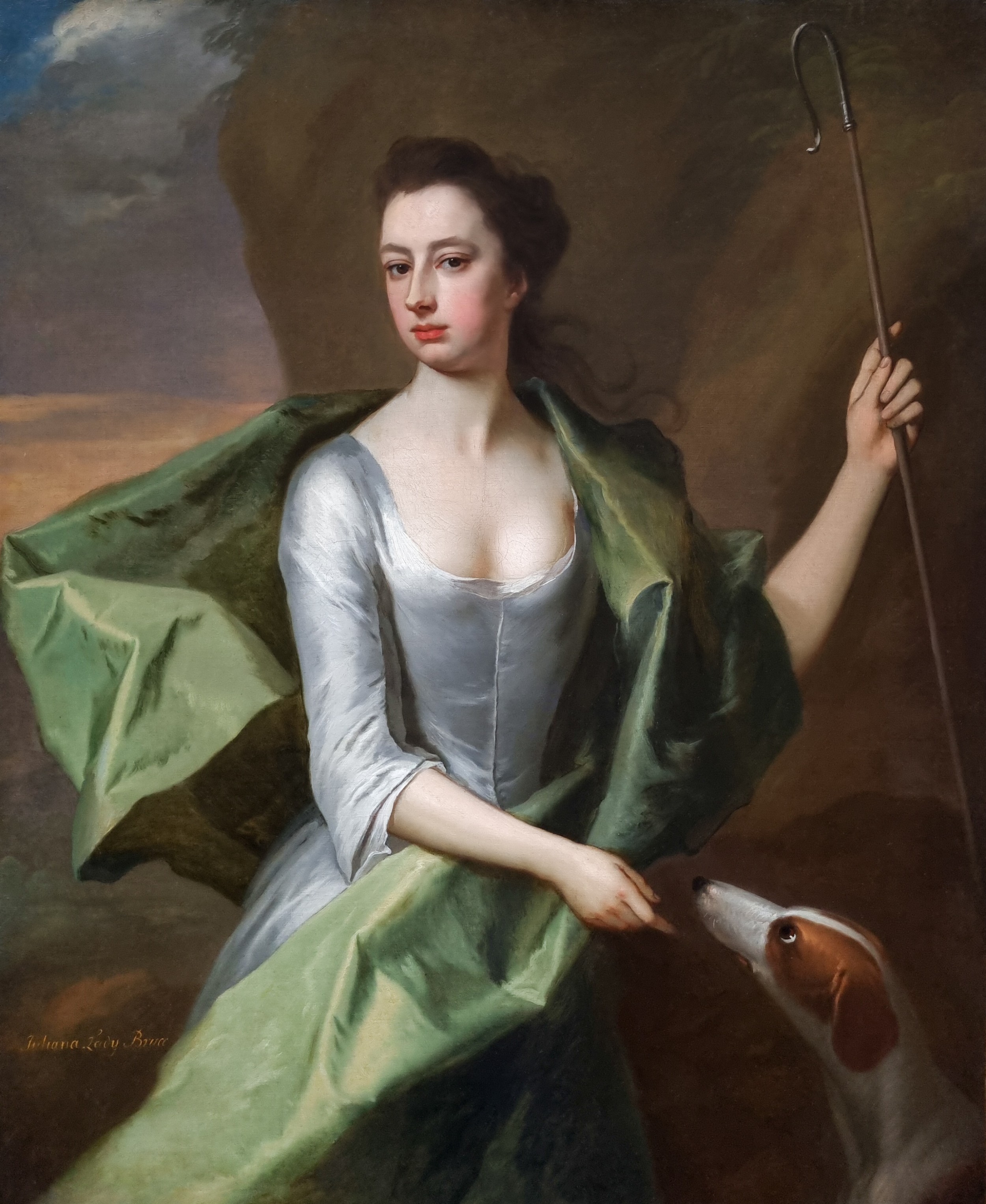
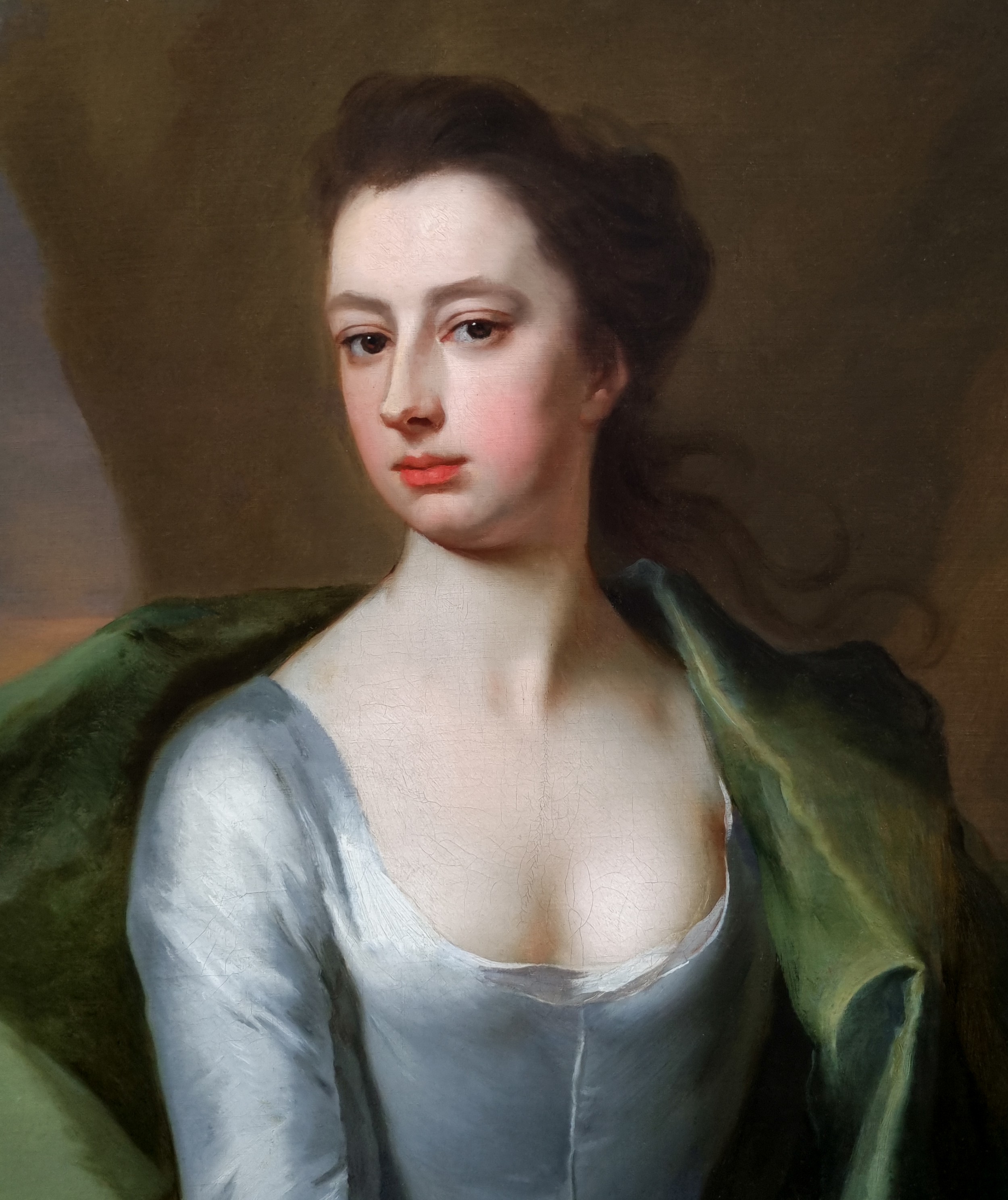
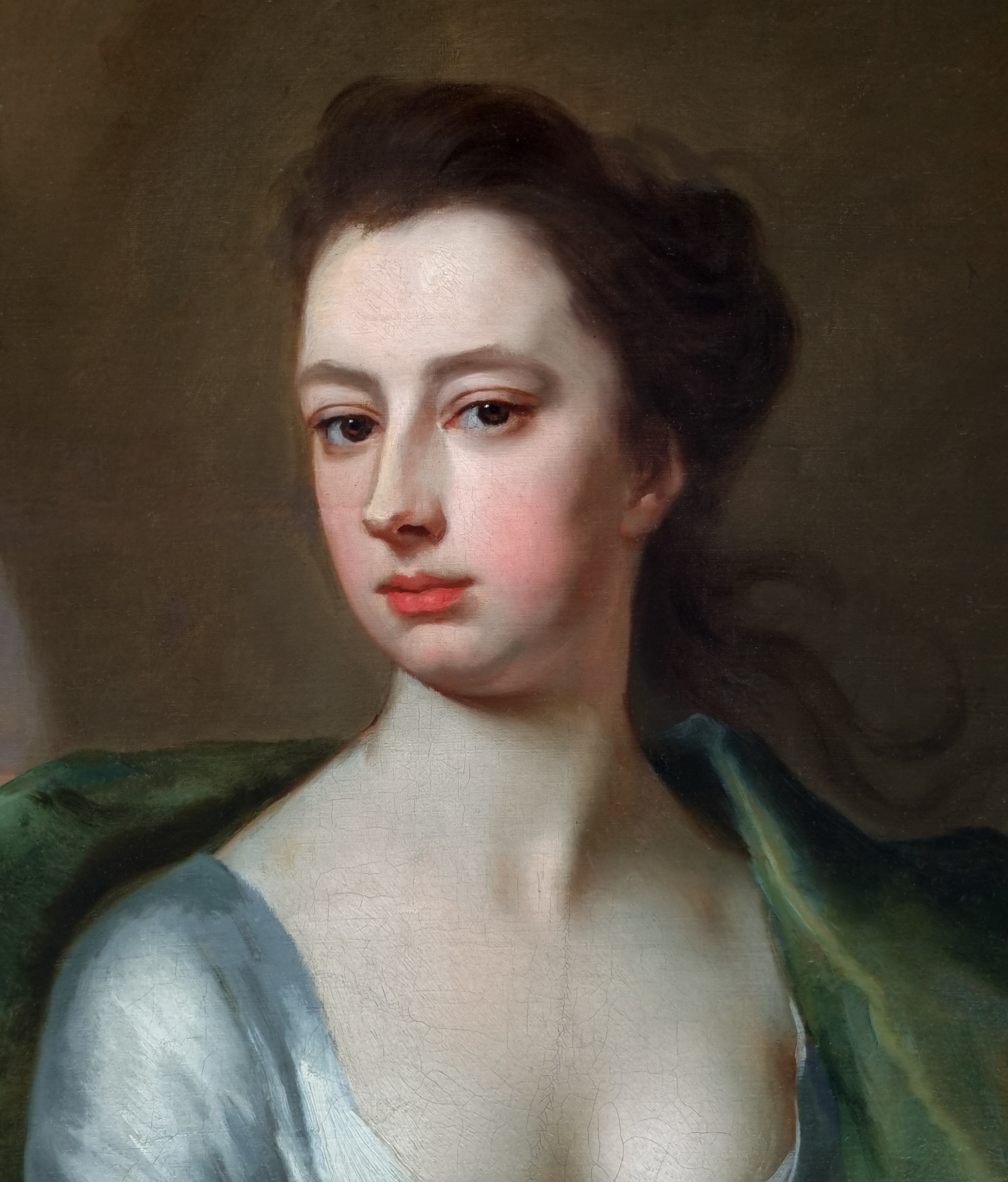
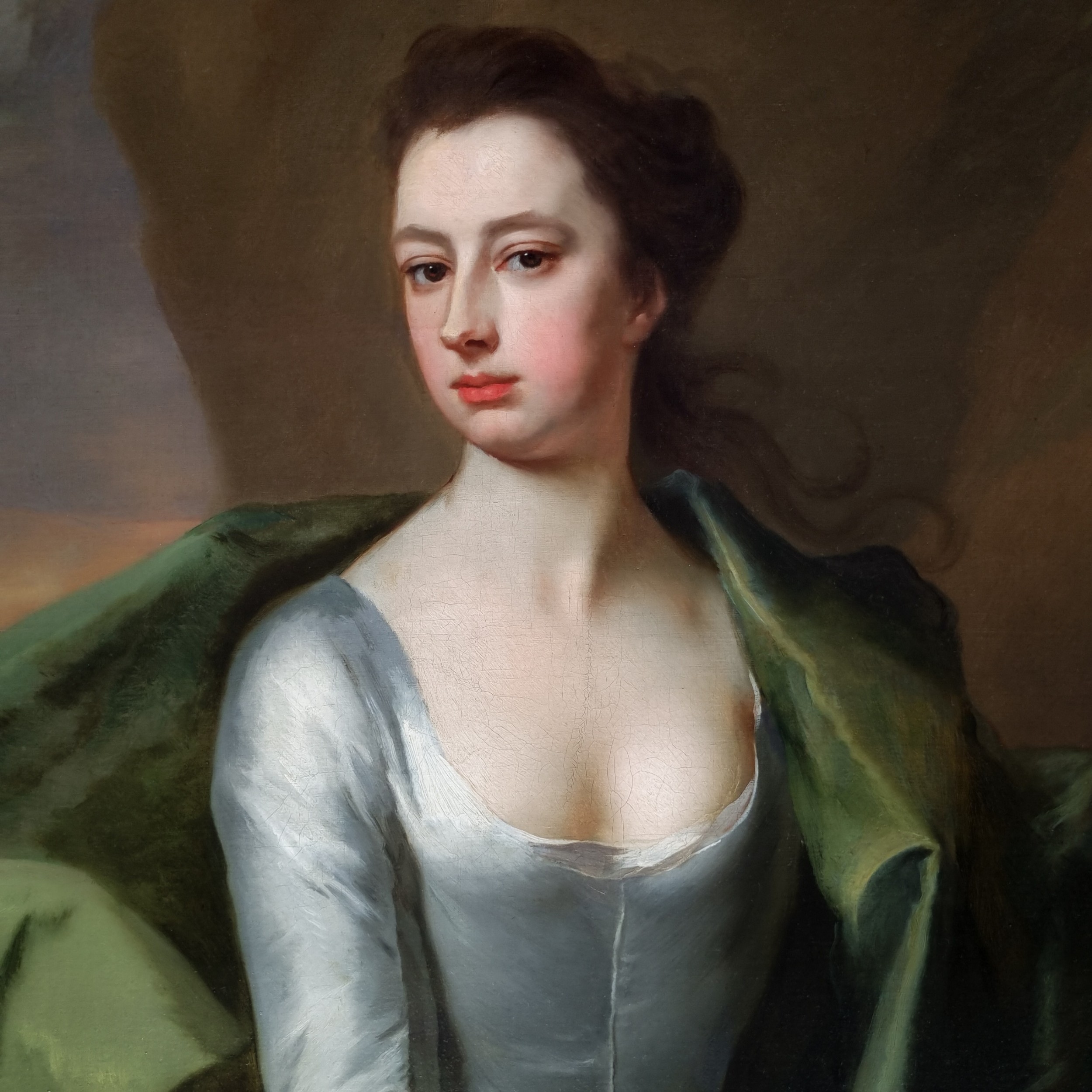
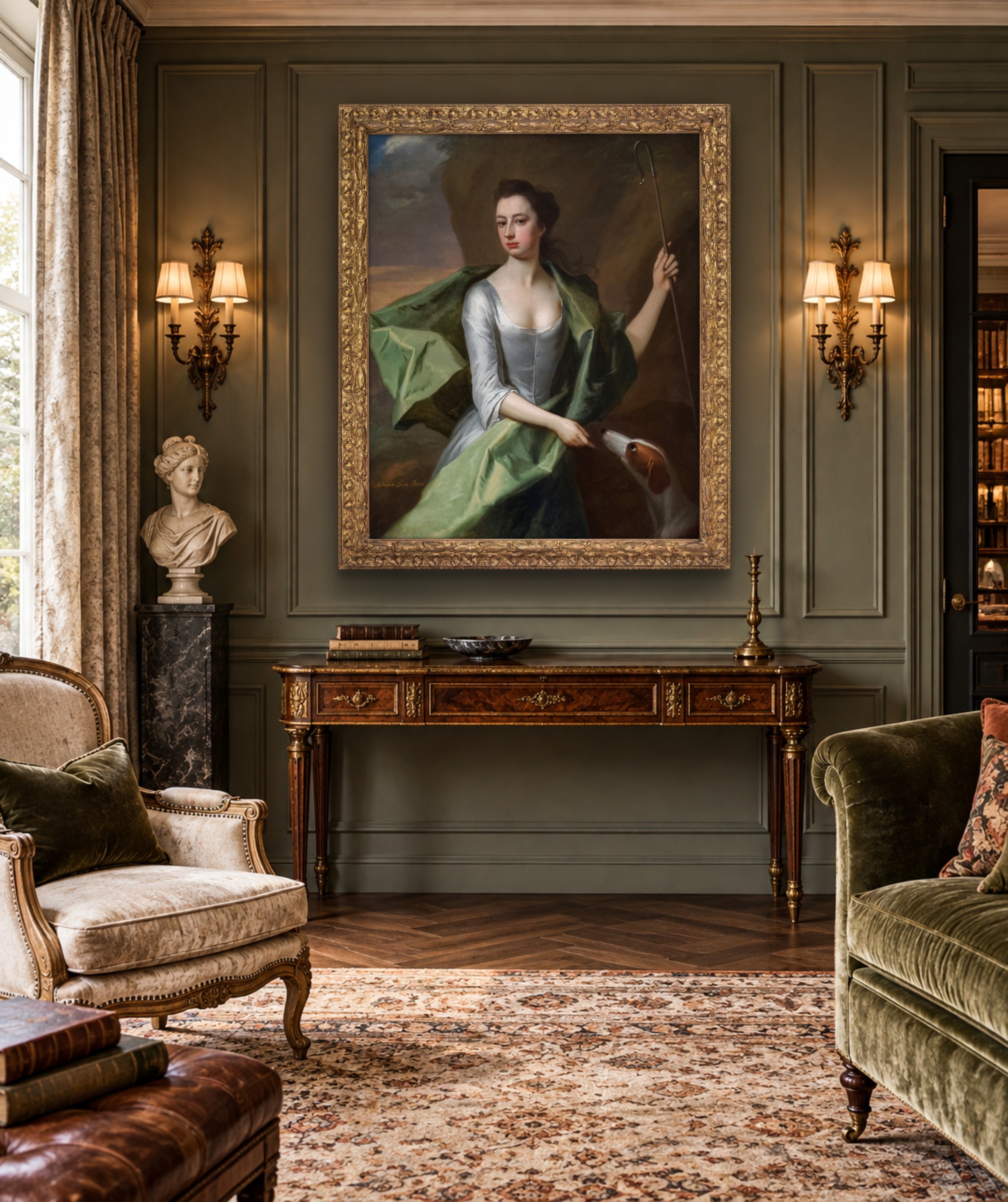
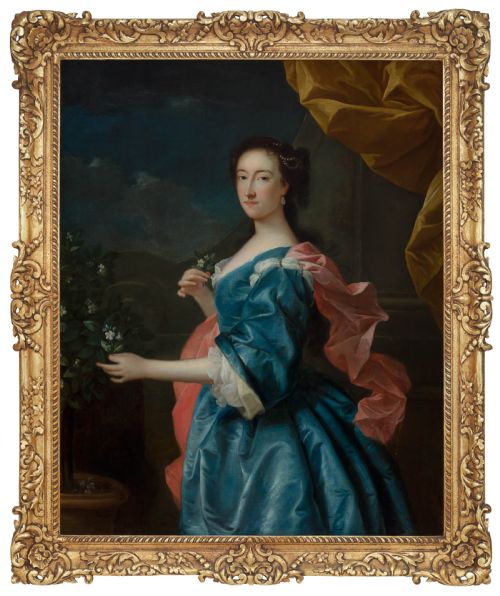
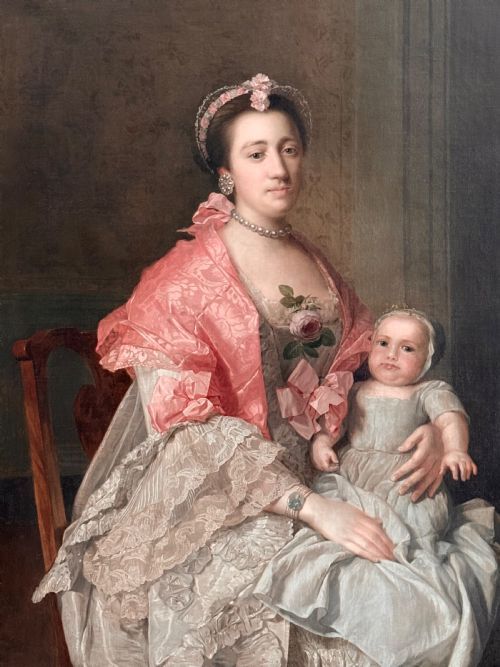
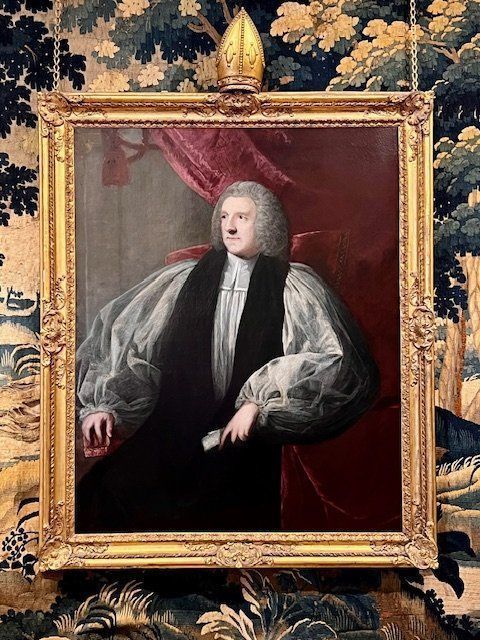
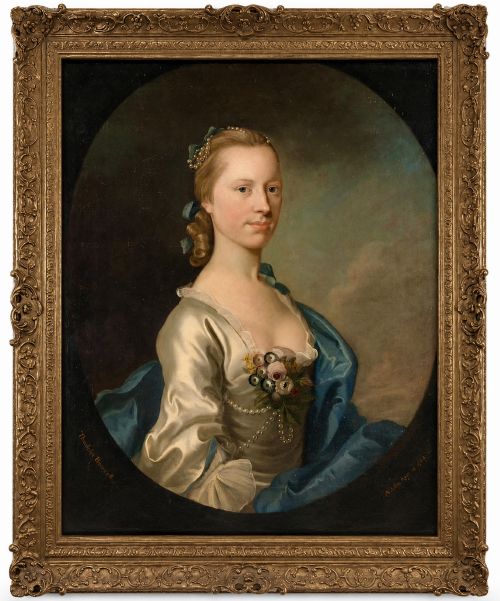
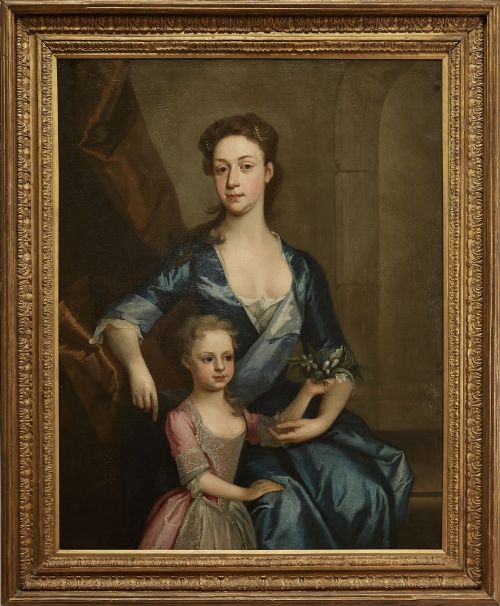
This exceptionally evocative portrait depicts Lady Juliana Bruce, wife of Charles Bruce, subsequently Earl of Ailesbury and Elgin. Few portraits of this period combine a sitter of such distinction with so remarkable an aristocratic and documented provenance.
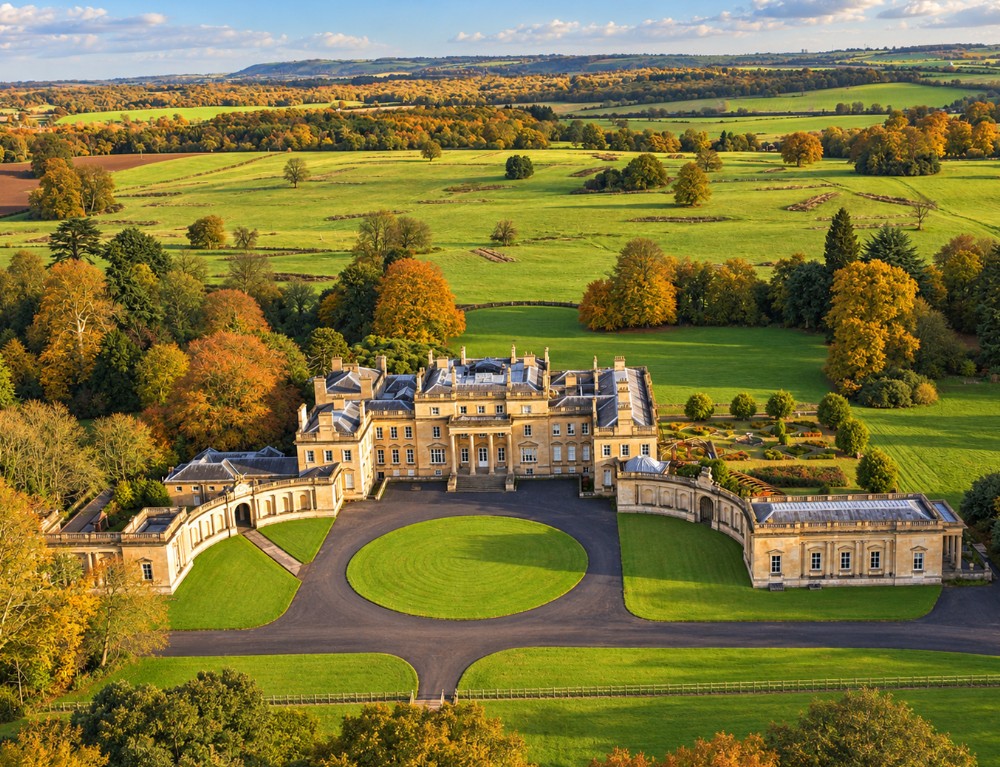
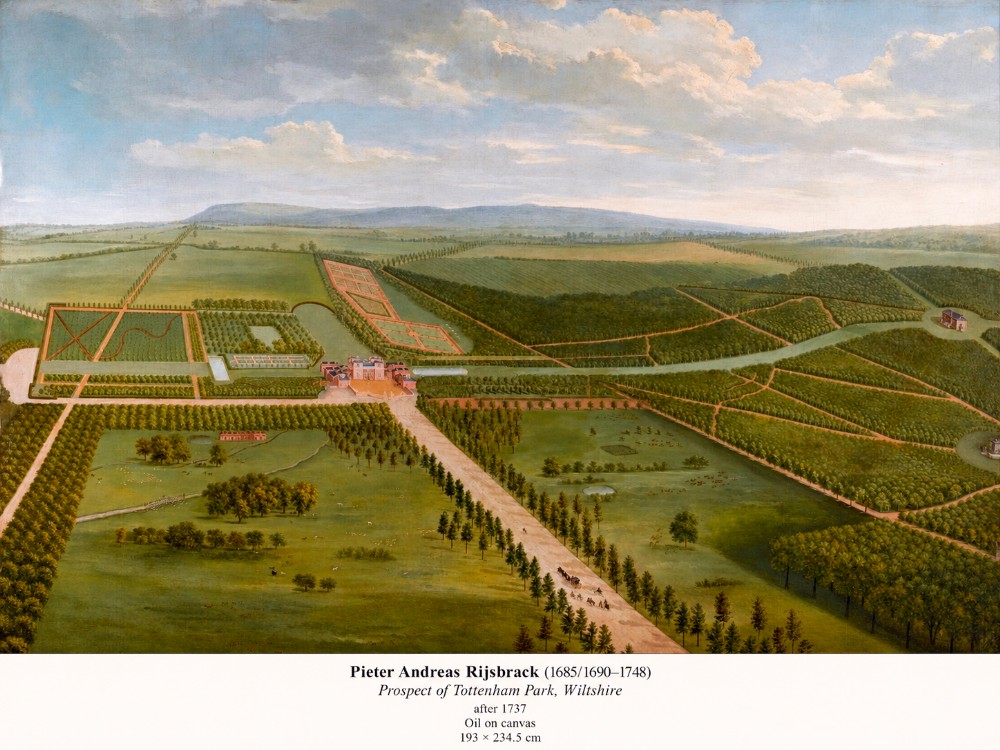
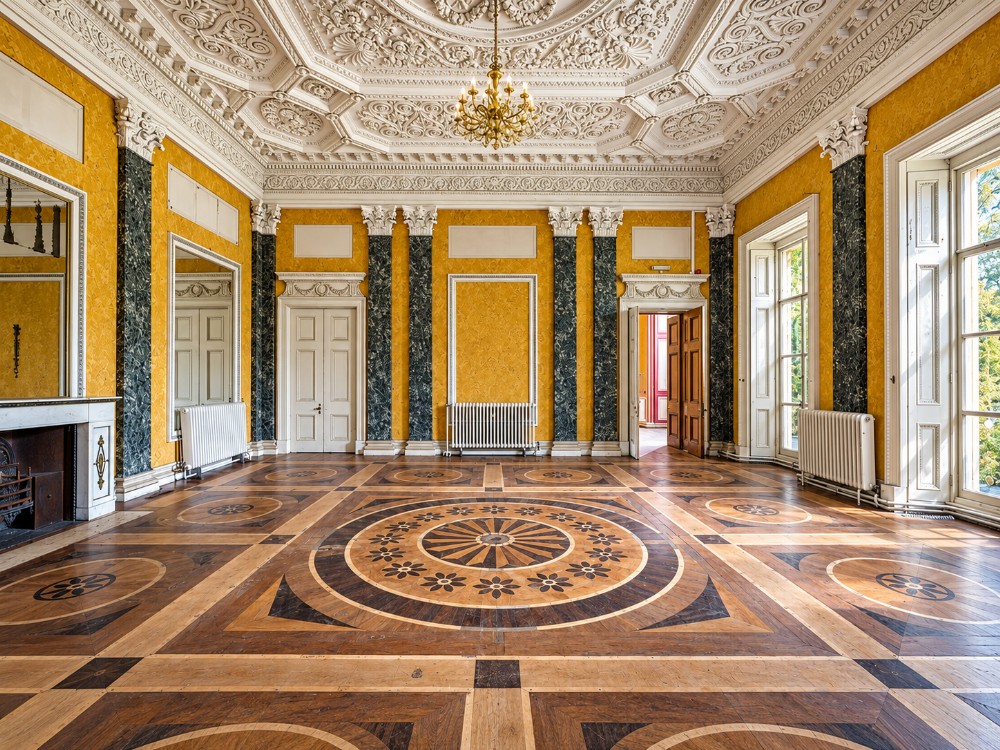
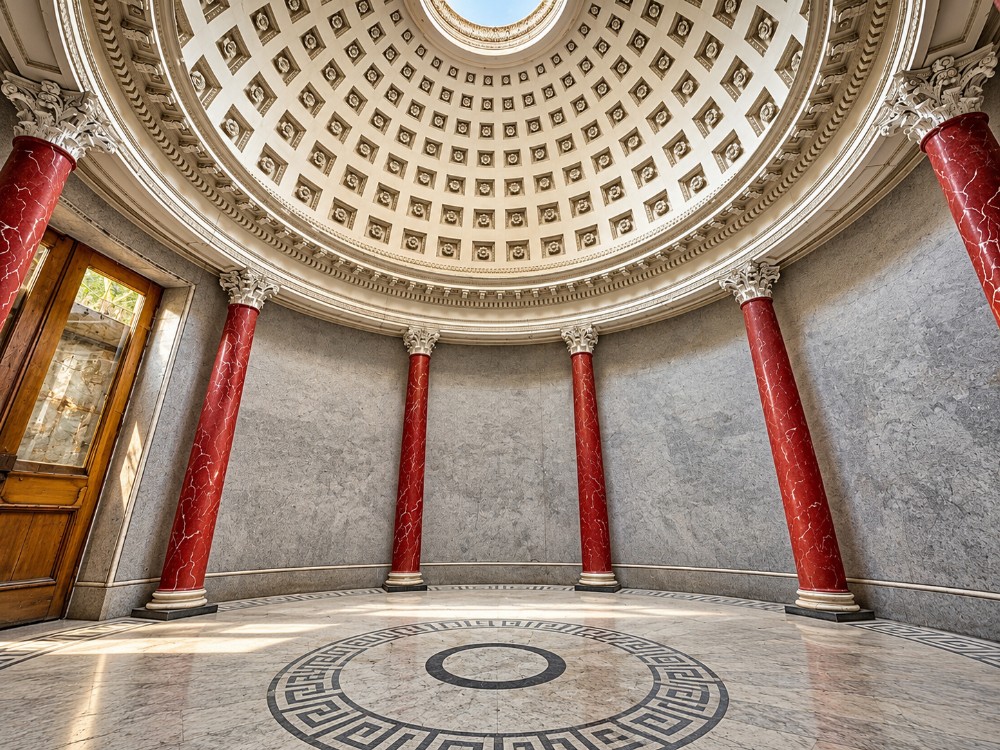
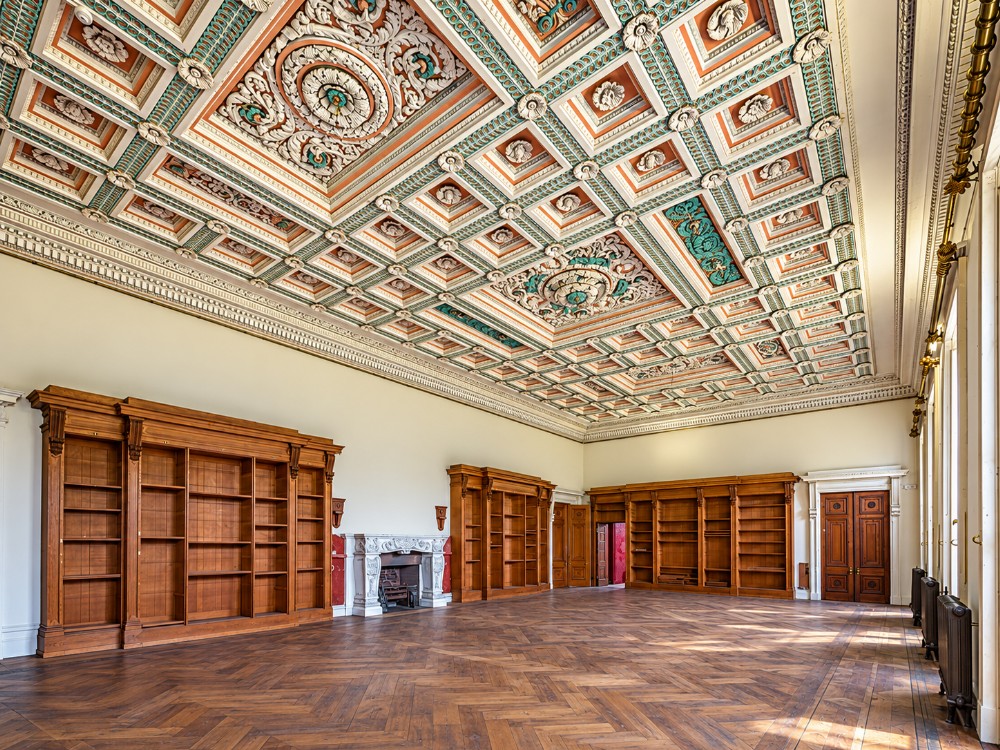
For nearly a quarter of a millennium the painting formed part of the ancestral collection of the Bruce, later Brudenell-Bruce, family, whose lineage traces its ancestry to the brother of Robert the Bruce, King of Scotland. It was preserved within the magnificent interiors of Tottenham House, their ancestral seat in the ancient Savernake Forest of Wiltshire.
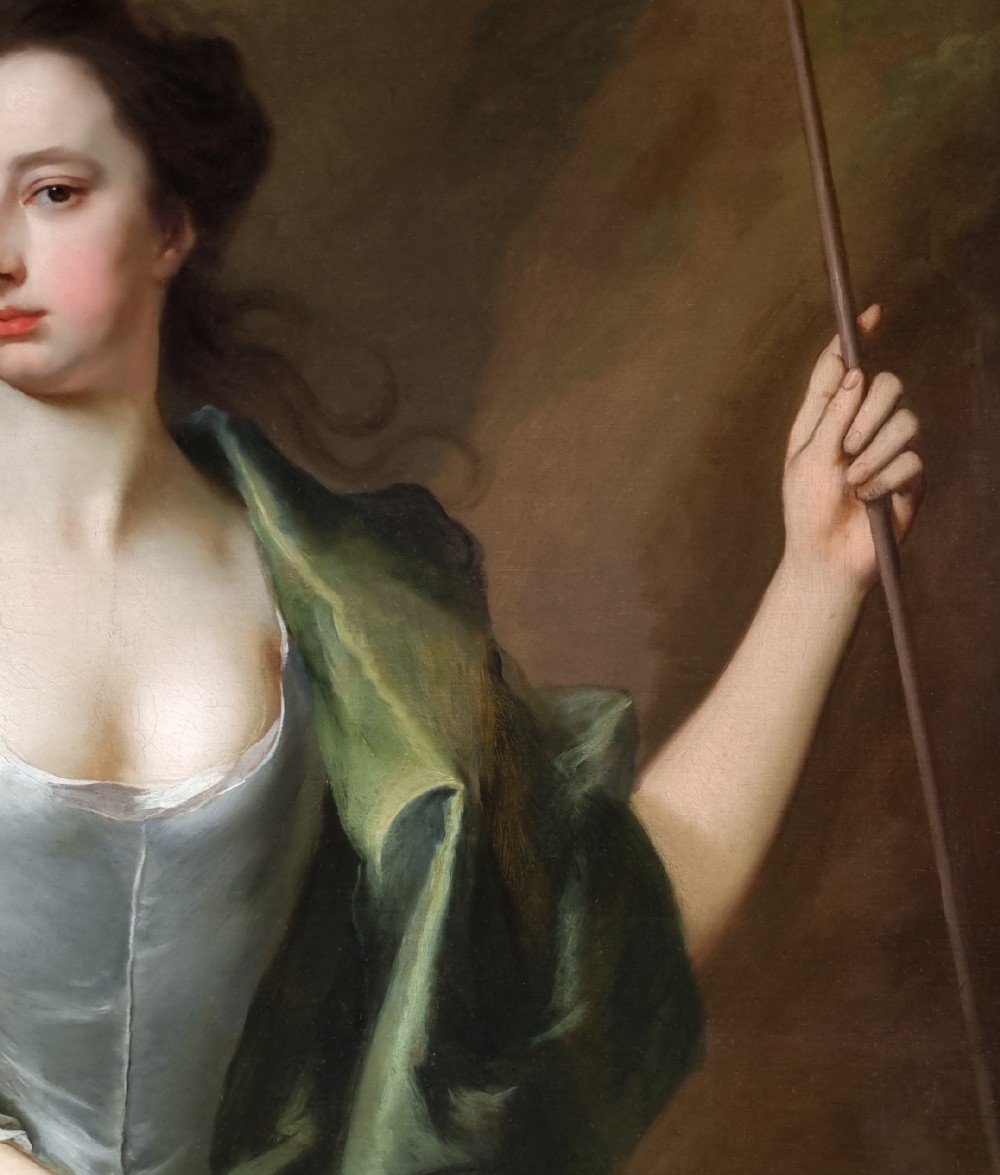
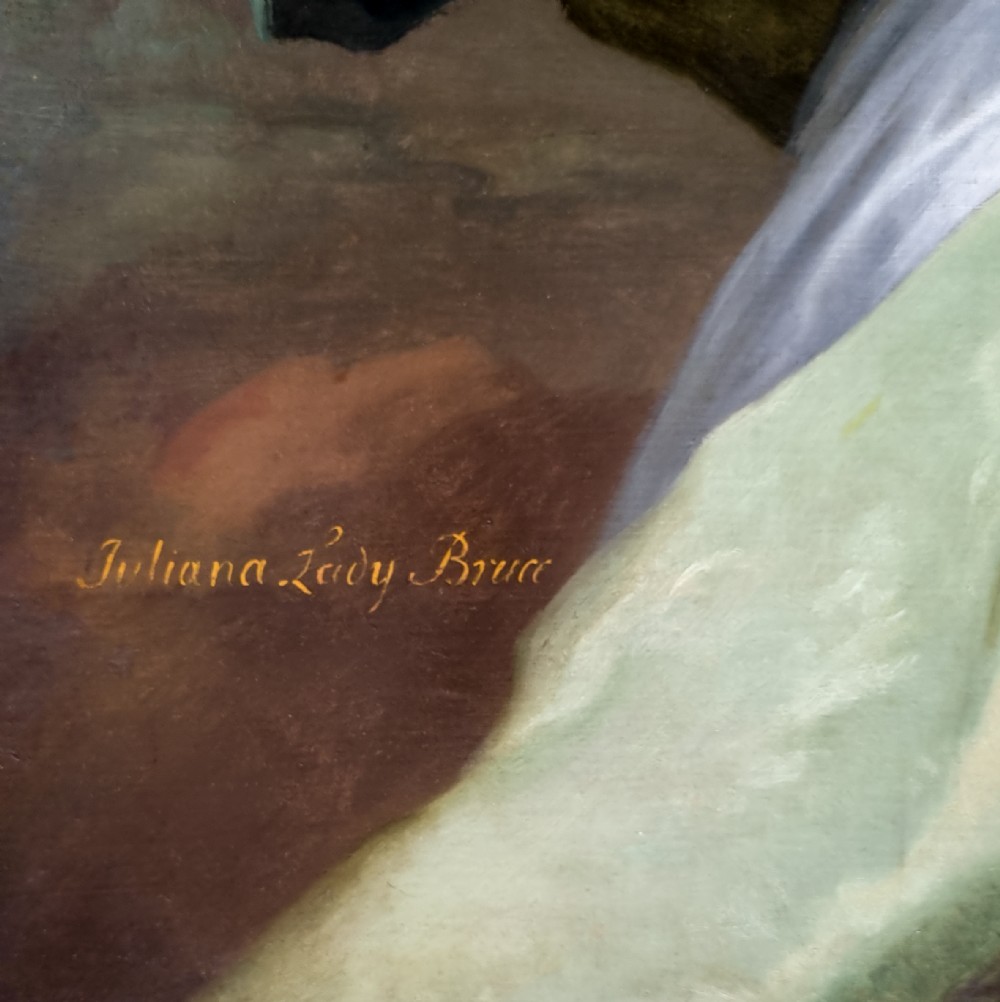
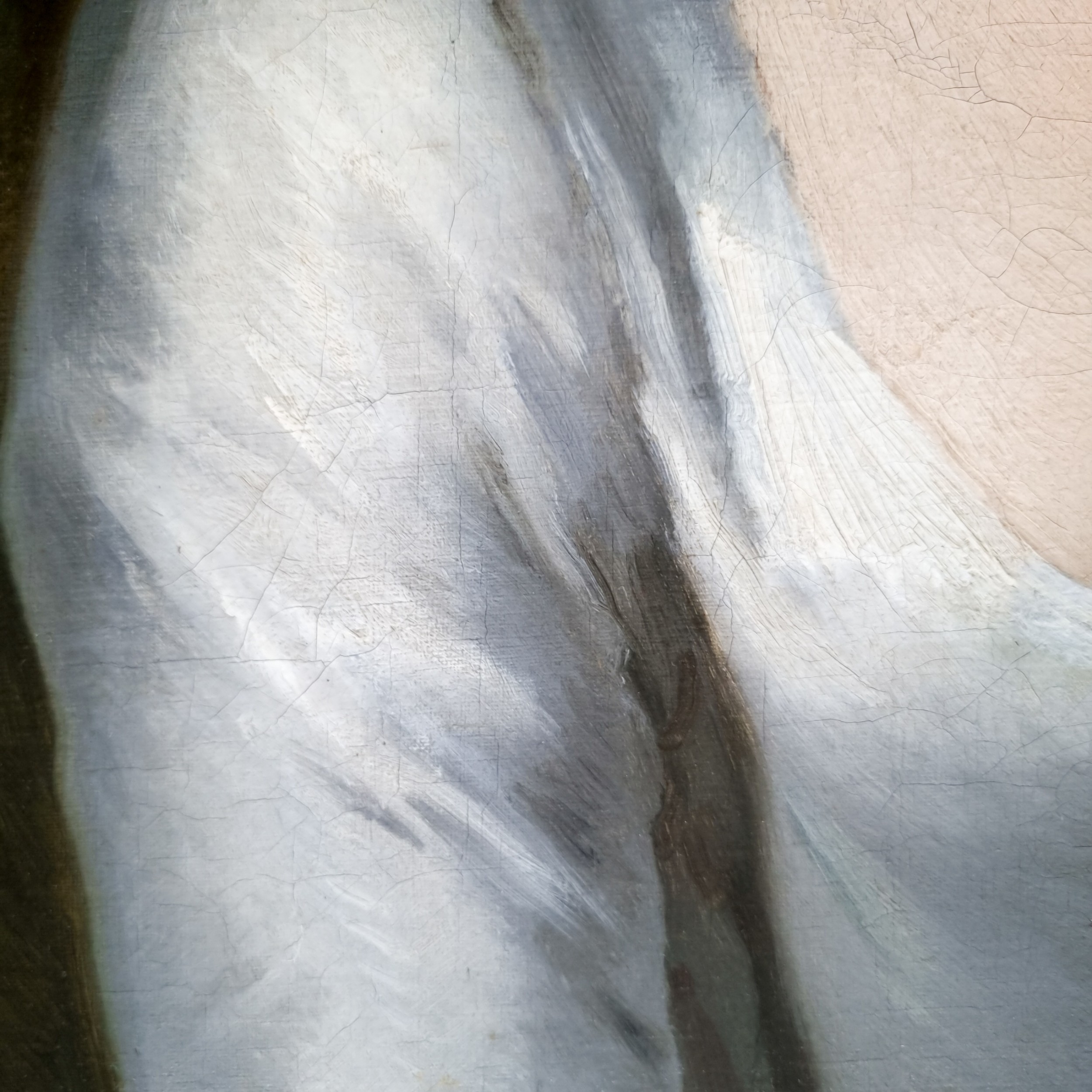
Inscribed bottom left “Juliana Lady Bruce”, the sitter is depicted three-quarter-length in a wooded landscape in the fashionable guise of a shepherdess. Her crook establishes the pastoral conceit, while the dog introduces animation and associations of fidelity and companionship. The costume, softly arranged draperies and natural coiffure accord well with a date of around 1720.
Born about 1697, Juliana was a daughter of Charles Boyle, 2nd Earl of Burlington and 3rd Earl of Cork, and Juliana Noel. Her elder brother Richard became one of the defining patrons of Georgian Britain, assembling drawings by Palladio and Inigo Jones and establishing Burlington House and Chiswick as centres of Palladian taste. Juliana grew up within one of the most cultivated aristocratic circles of her age.
On 2 February 1720 she married Charles Bruce, Lord Bruce of Whorlton. Their marriage coincided with the transformation of Tottenham House under the direction of her brother, Lord Burlington, in one of the earliest manifestations of English neo-Palladianism. Surviving correspondence reveals Juliana's wit, confidence and personal involvement with William Kent and the artistic world shaping her home.
The portrait may have been commissioned around the time of her marriage. The shepherdess imagery is particularly apt given her association with one of England's great forest estates.
The painting is attributed to Michael Dahl, the distinguished Swedish-born portraitist who settled in London in 1689 and became Godfrey Kneller's principal rival. His patrons included Queen Anne, Prince George of Denmark and the Duke of Somerset. The composition fits naturally within the Dahlian repertoire, and at least three other portraits of the same composition are known.
The sitter's identification is supported by an unusually substantial documentary trail. George Perfect Harding recorded the portrait at Tottenham around 1804. In November 1941 it was recorded among the Chintz Room contents placed in storage in the Ballroom. In December 1945 Christie, Manson & Woods valued it under Kneller as “Portrait of Juliana, Lady Bruce, as a shepherdess with a dog”. The following August it was included in the sale of contents from Tottenham House.
Copies of the supporting historical documentation are available.
A striking and highly decorative example of the portraiture of the period, distinguished by its identifiable sitter, exceptional country-house provenance and direct associations with the Boyle and Bruce families.
Provenance:
- Probably from the sitter and thence by family descent at Tottenham House;
- Recorded by G. P. Harding, c.1804;
- Weeks & Son inventory, Tottenham House, November 1941;
- Christie, Manson & Woods valuation for the Earl of Cardigan, December 1945;
- The Marquess of Ailesbury and the Earl of Cardigan, Knight, Frank & Rutley, Tottenham House, 27 August 1946, lot 133;
- Private collection, USA, by 1995.
Measurements: Height 142cm, Width 119cm framed (56” × 47”)
Complete description at: www.titanfineart.com