





Michael Dahl Oil Portrait
A michael dahl oil portrait brings aristocratic seventeenth and eighteenth-century elegance into a room with striking presence and rich historical character.
Michael Dahl Oil Portrait
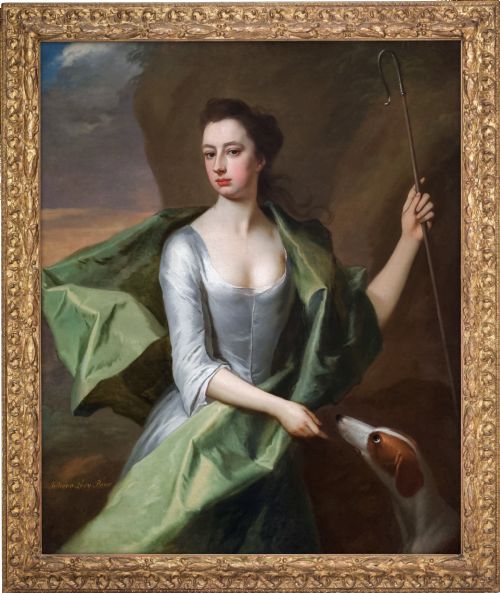
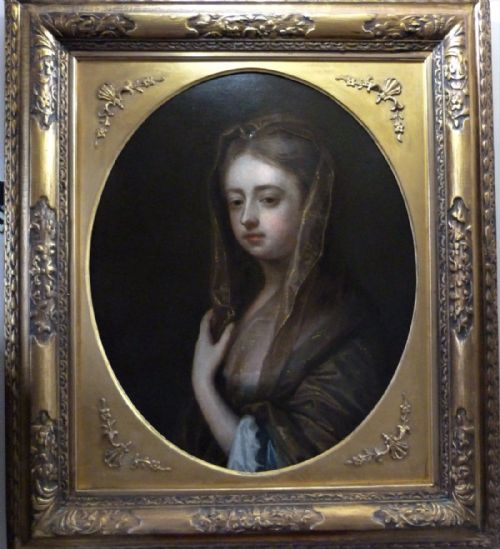
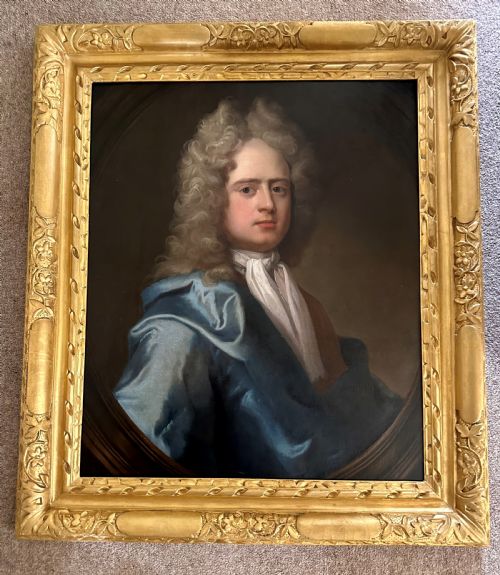
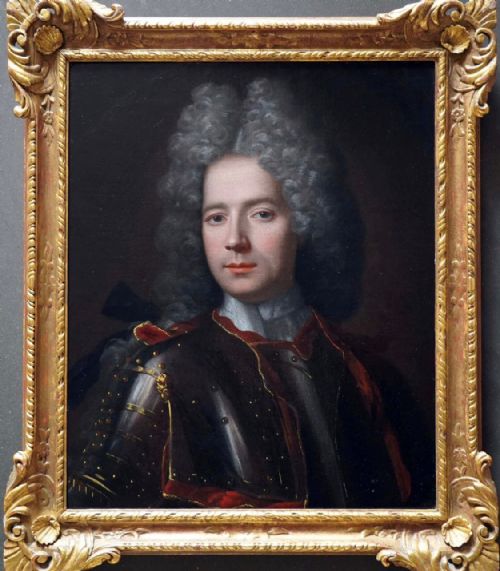
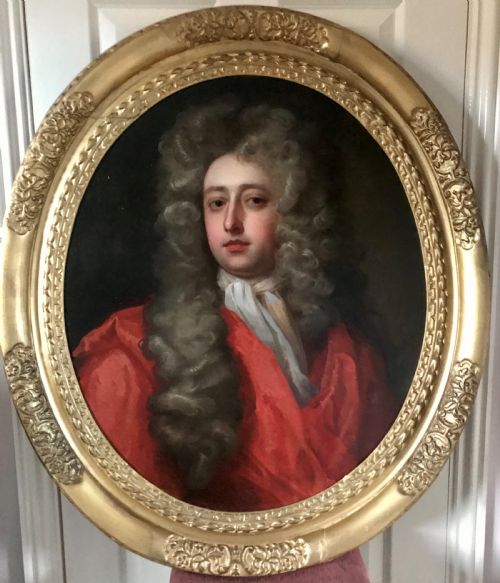
A michael dahl oil portrait captures notable sitters from the late seventeenth and early eighteenth centuries, spanning the Baroque and Georgian periods. These works depict subjects ranging from titled lords and ladies to gentlemen of established families, often rendered with distinct formality and poise.
The most common examples on this page are oil on canvas paintings attributed to the master himself, or originating from his close circle and contemporaries. Such works preserve the distinct clothing, hairstyles and accessories of the era, offering a direct window into the British aristocracy.
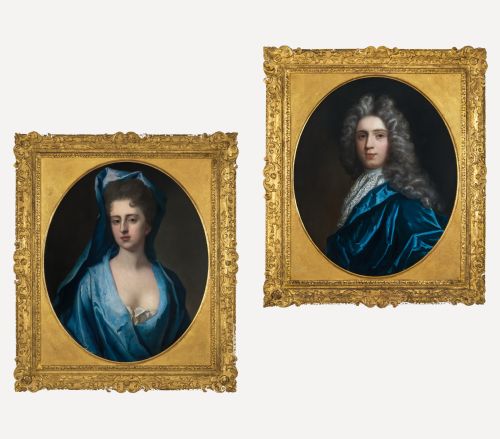
Subjects appear either as single figures, such as a nobleman around seventeen hundred or a lady with an exotic bird, or paired as companion pieces. Each michael dahl oil portrait reflects the formal portraiture traditions of English Baroque art.
What varies in quality
Quality in a michael dahl oil portrait depends heavily on the degree of direct attribution to the master versus his wider circle. Works bearing the direct hand of the artist display superior refinement in facial expression and fabric rendering compared to workshop pieces.
The preservation of the canvas and the integrity of the original pigment layers also distinguish finer examples. Furthermore, the presence of a period giltwood frame enhances the overall aesthetic coherence and historical value of the piece.
Michael Dahl Oil Portrait Retail Price Guide 2026
Typical asking prices for michael dahl oil portrait among the pieces listed under this phrase on Sellingantiques today, from the lower quarter to the upper quarter. They describe what is for sale here now, not the wider market.
Listings span the seventeenth and eighteenth centuries, featuring oil on canvas paintings set within period giltwood and gesso frames.
Michael Dahl·Thomas Murray
The Michael Dahl Oil Portrait Glossary
- Oil on canvas
- A painting medium where pigments are suspended in drying oils and applied to a stretched woven fabric support. This combination allows for rich blending and enduring colour depth.
- Giltwood
- Timber carved and coated with a thin layer of gold leaf or metallic powder. It provides the ornate, reflective borders standard for grand historical frames.
- Baroque
- The dominant artistic style of the seventeenth century characterised by drama, rich detail and grand movement. It heavily influences the posture and lighting in these portraits.
- Circle of
- A term used in art history to describe an artist working closely alongside a master during the same period, sharing similar techniques and style without being the principal hand.
- Gesso
- A plaster mixture applied to wood frames as a smooth base before gilding. It allows for crisp carved details beneath the gold leaf.
Michael Dahl Oil Portrait: Frequently Asked Questions
Who did Michael Dahl paint?
Michael Dahl painted notable figures of the British aristocracy, including baronets, noblemen, ladies and gentlemen of landed families.
His sitters typically wore the formal attire of the late seventeenth and early eighteenth centuries, reflecting high social standing.
How do I identify a circle work?
Attributions to the circle of an artist indicate a contemporary painter working in the same workshop or closely following the established style.
These pieces share compositional traits and techniques with the named master but lack direct documentation of his hand.
Where should I hang these portraits?
These large oil paintings suit traditional spaces such as hallways, libraries or dining rooms where their dark tones and gilt frames stand out.
Keep them away from direct sunlight and excessive humidity to protect the aged canvas and timber frames.
Are original frames important?
Period giltwood frames provide significant historical context and complement the aesthetic weight of seventeenth-century canvases.
Matching frames from the correct era enhance the visual harmony and completeness of the artwork.