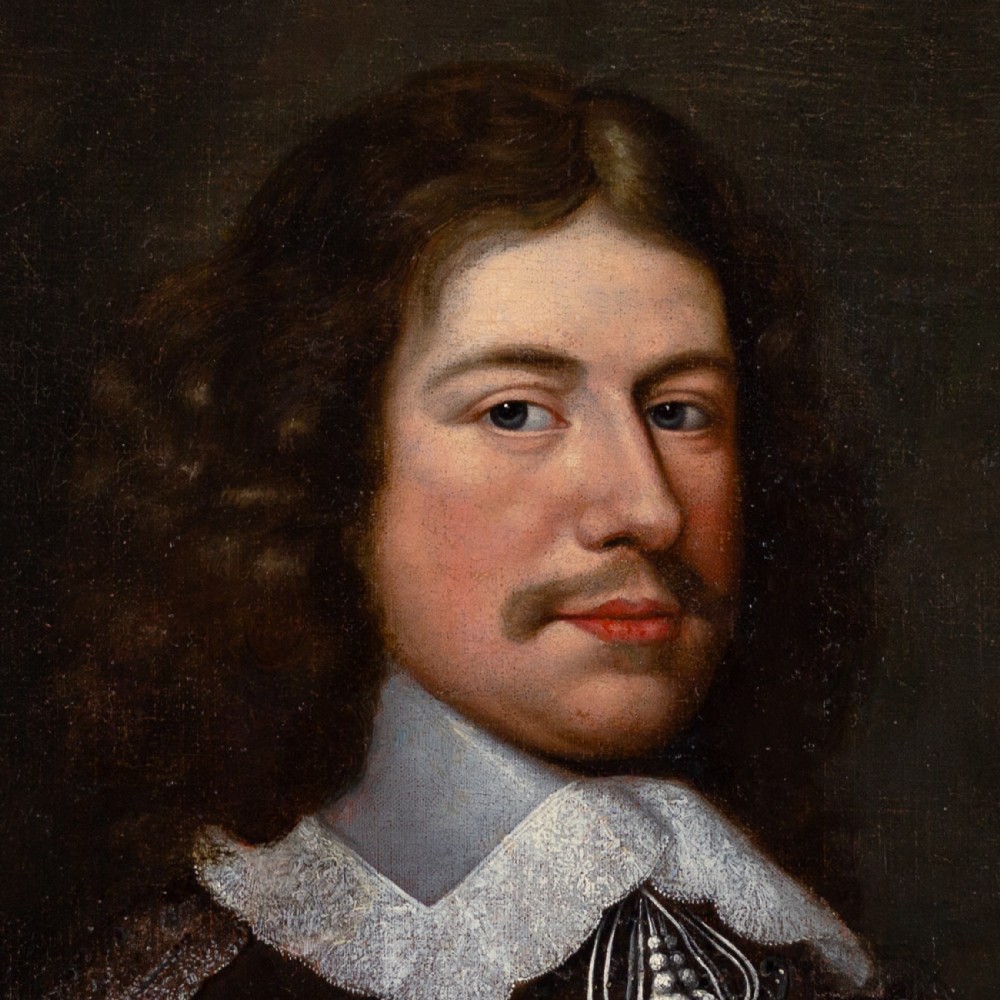
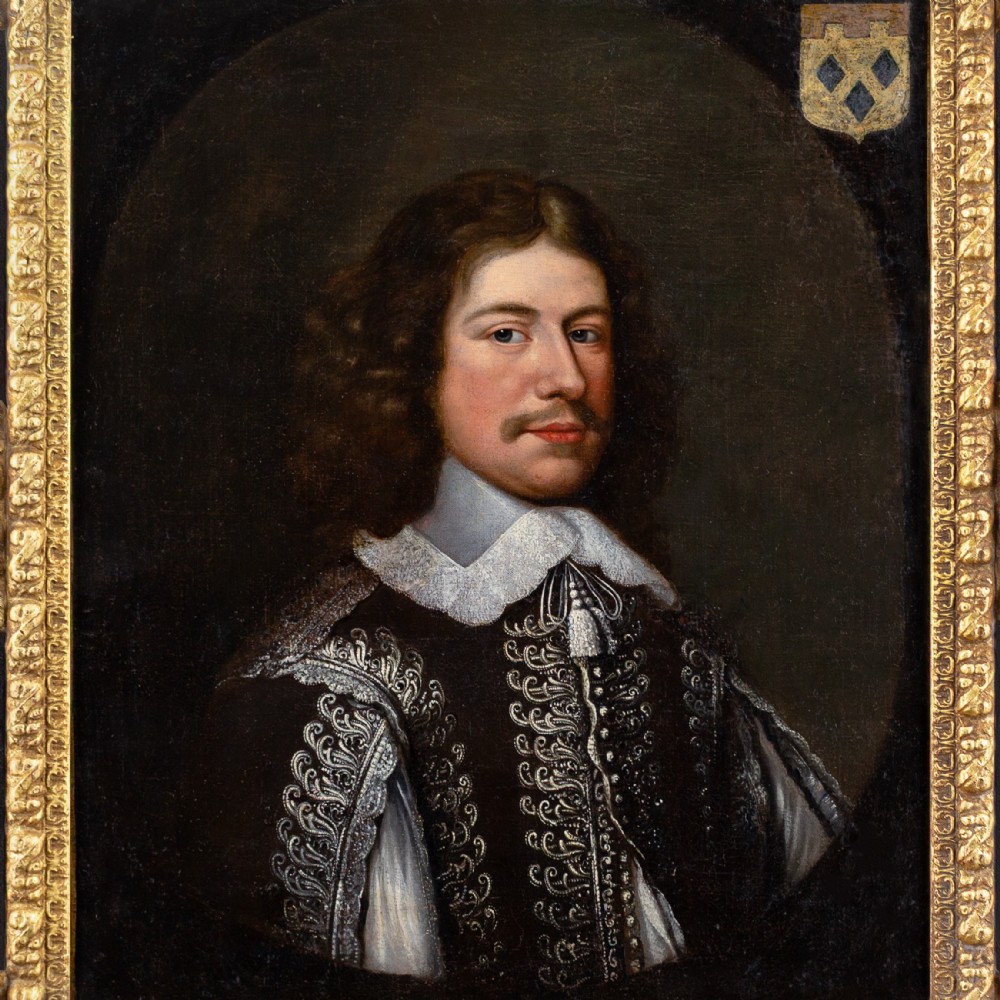
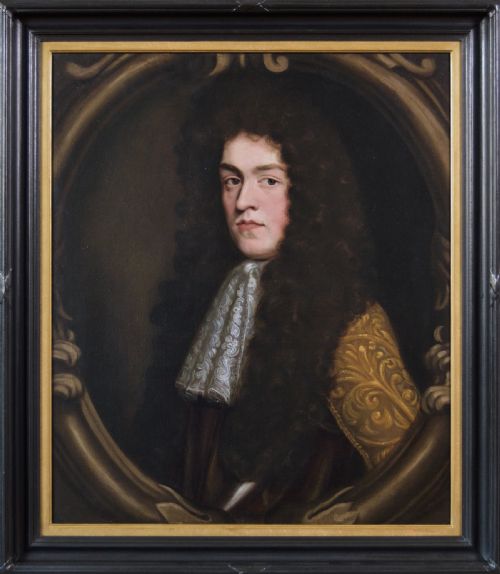
Brave Fine Art has dated this 17th Century French Portrait to the 17th Century.
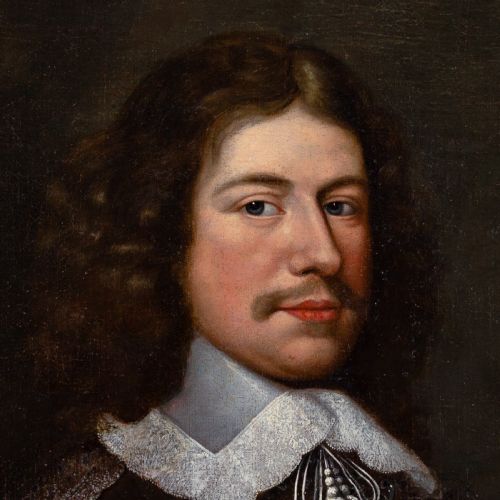
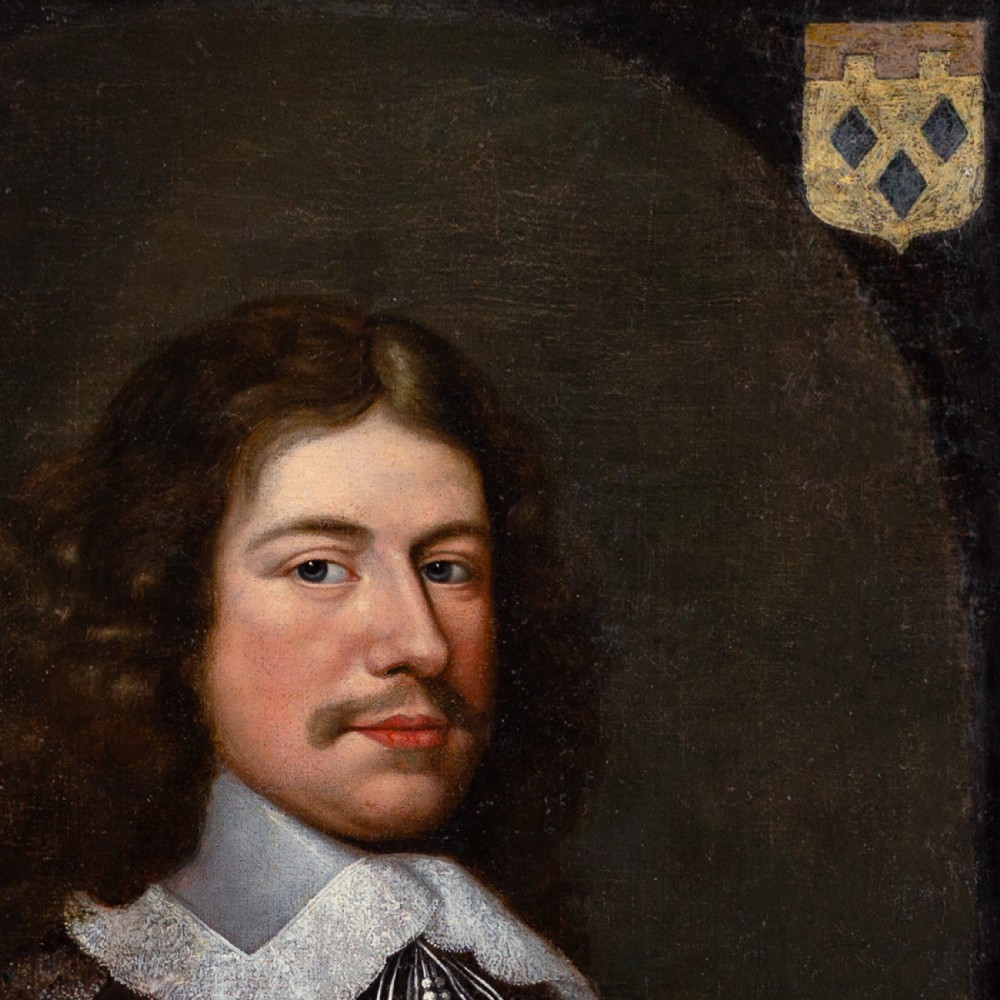
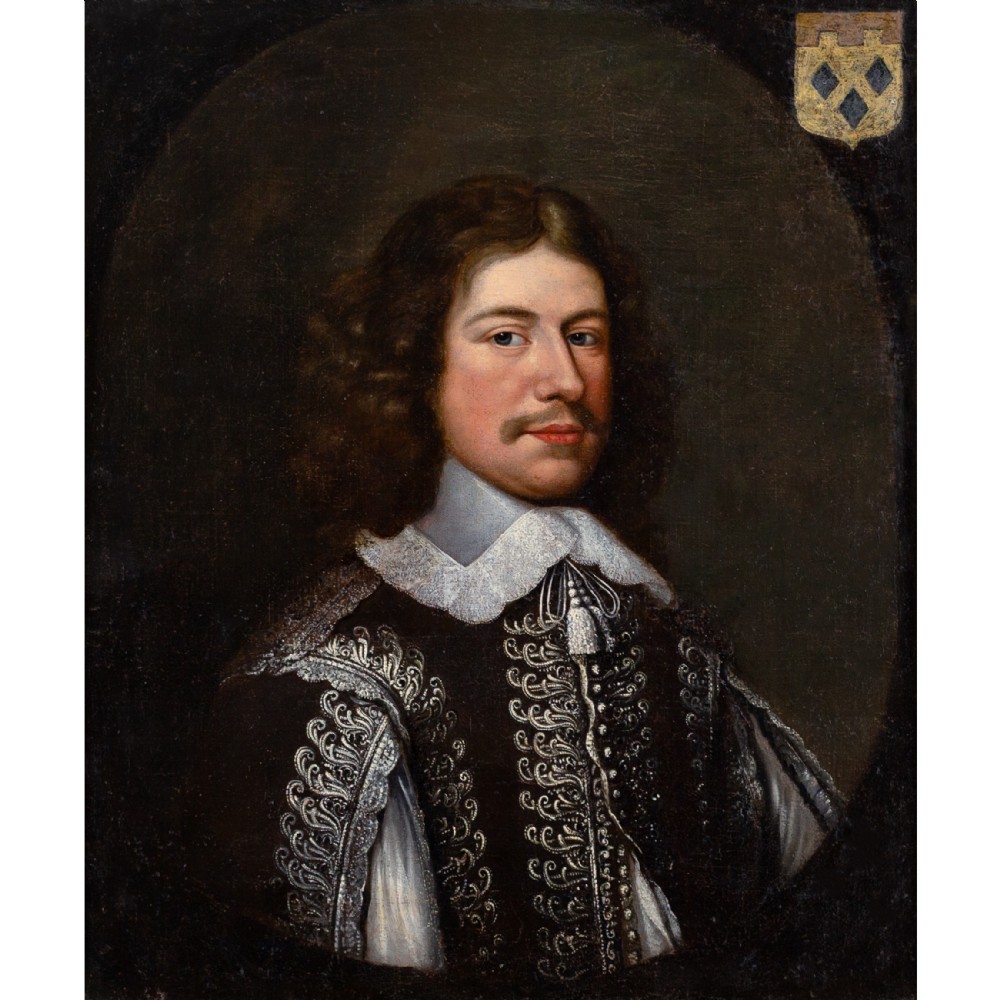
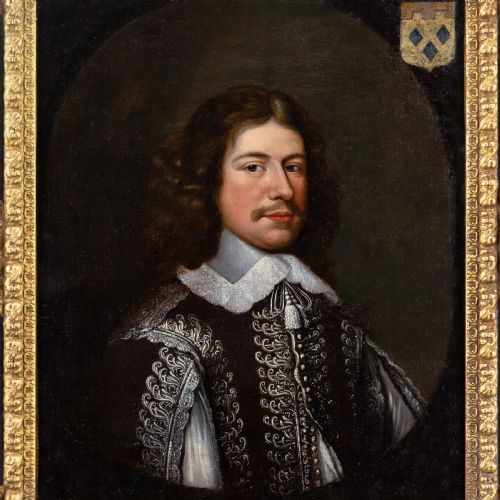
At first glance, the painting appears to be a fine but anonymous example of provincial French portraiture. However, recent conservation work revealed a partially concealed coat of arms in the upper-right corner, which transformed our understanding of the sitter's identity.
The arms correspond to the de Belot de Villette et de Chevigney family, an established noble lineage of Franche-Comté whose history can be traced through genealogical records, letters of nobility, and surviving family archives. This discovery provides a tangible link between the portrait and a documented aristocratic family active during the turbulent decades of the mid-17th century.
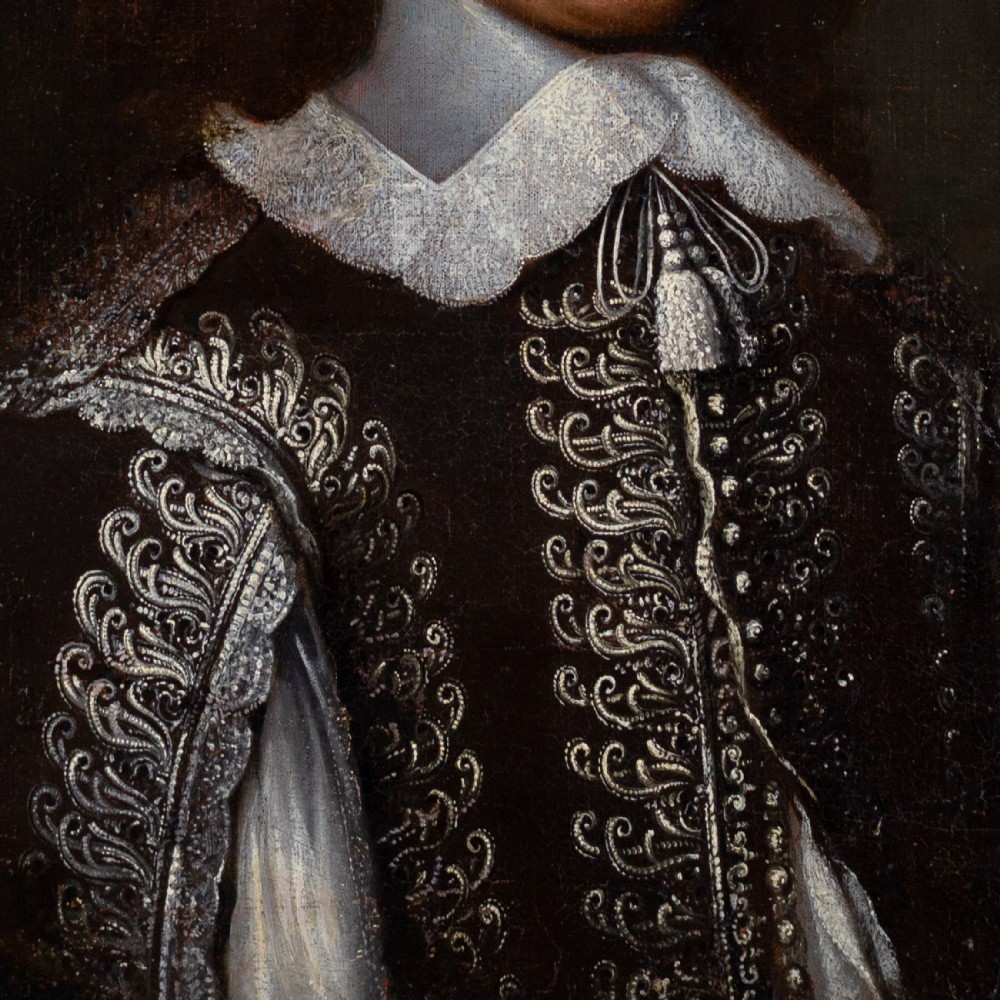
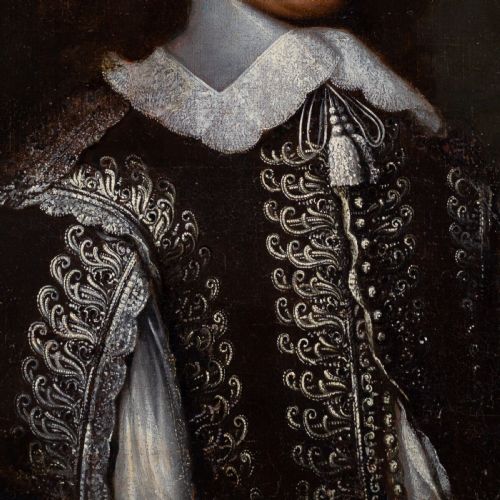
The identification is particularly significant because Franche-Comté occupied a unique position within Europe at this time. Although culturally French, the region remained under the control of the Spanish Habsburgs until the later decades of the century. Noble families such as the de Belots therefore operated within a world shaped by both French and Spanish influences, a dual identity reflected in the portrait itself. The sitter's restrained elegance, dark costume, silver embroidery and sober dignity feel closer to the broader Habsburg tradition than to the increasingly theatrical fashions emerging at the French court.
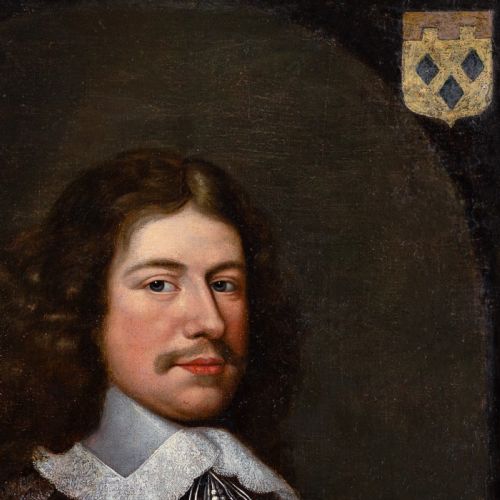
Several members of the family may plausibly be represented here. Among the strongest candidates is Hyacinthe de Belot (1604-1672), Seigneur de Chevigney, who appears prominently in surviving genealogical records and is documented as a figure of noble standing within the region. Other possibilities include Alexandre de Belot, who continued the family's position within the Chevigney branch during the later 17th century, or one of several members of the wider Belot de Villette line. At present, however, no surviving inscription or documentary source allows a definitive identification, and the sitter should therefore be regarded as a member of the family rather than a specifically named individual.
The portrait itself is characteristic of the refined provincial aristocratic portraiture produced throughout eastern France and the Spanish borderlands during the middle decades of the 17th century. The artist places the emphasis on character. There are no grand architectural settings, military triumphs or displays of wealth. Instead, attention is focused upon the sitter's bearing, dress and expression. The meticulous rendering of the silver braid, the delicate lace collar and the carefully modelled face all suggest an individual keen to project his lineage.
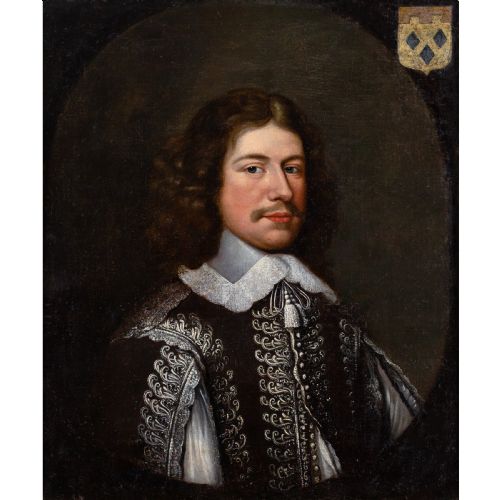
The survival of the family arms offers a glimpse into the world of a noble Franche-Comté family during a period of political uncertainty, when the region stood between France and the Spanish Habsburg Empire. More importantly, it preserves the image of a man whose name may yet be rediscovered. While his precise identity remains uncertain, his context is now far better understood than when the portrait first emerged from obscurity.
Held in a 17th-century style ebonised and gilt frame with richly cast foliate corner ornaments, a gadrooned inner moulding and repeating gilt decoration throughout.
Medium: Oil on canvas
Overall size: 32½” x 37½” / 83cm x 95cm
Year of creation: c. 1650
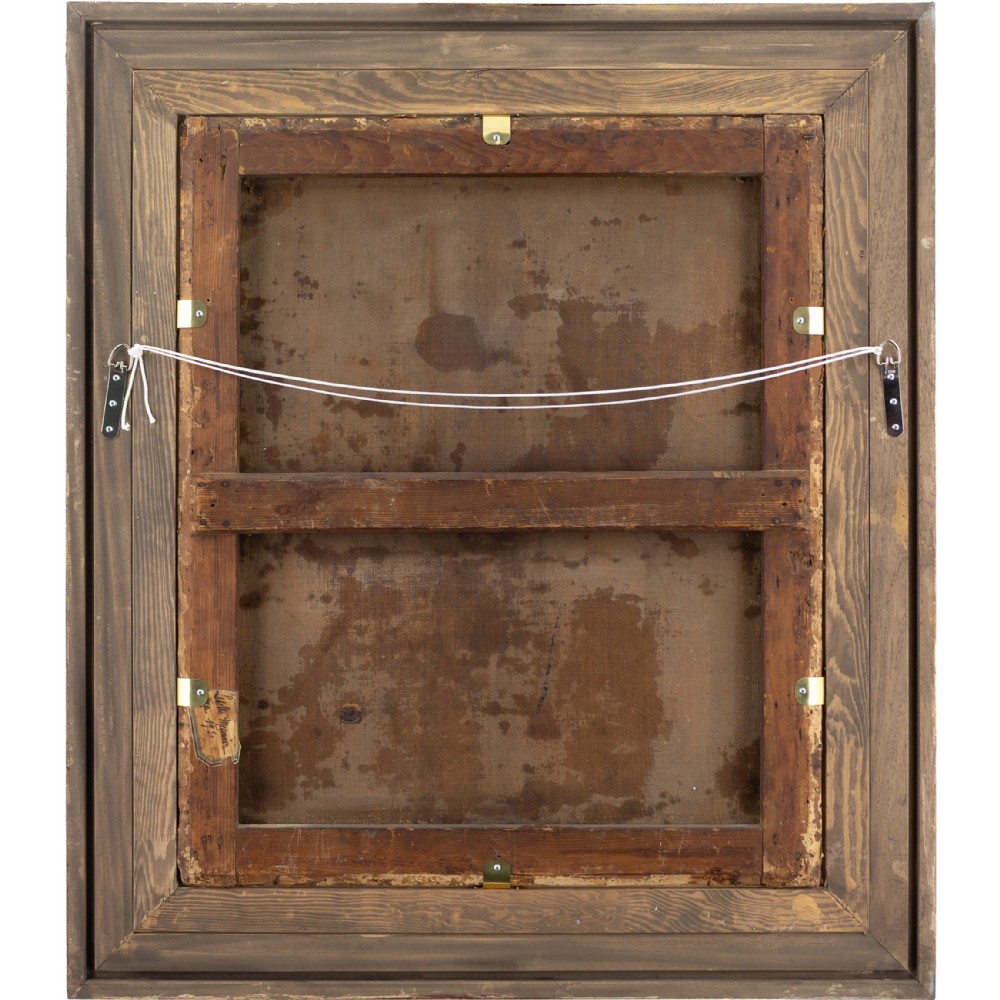
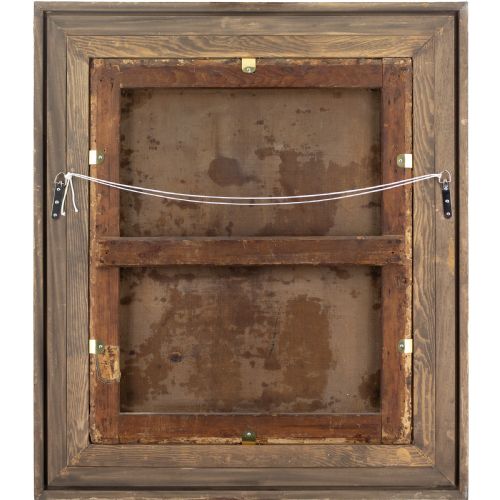
Labels & Inscriptions: Partial label on the reverse, along with a wax seal.
Provenance: Private collection, Spain.
Condition: Cleaned. Revarnished. Canvas relined. Fine craquelure throughout. The pai
Brave Fine Art has dated this 17th Century French Portrait to the 17th Century.
Exquisite antique paintings that capture the imagination.
You can view the stock and full dealer information on the Brave Fine Art Profile Page
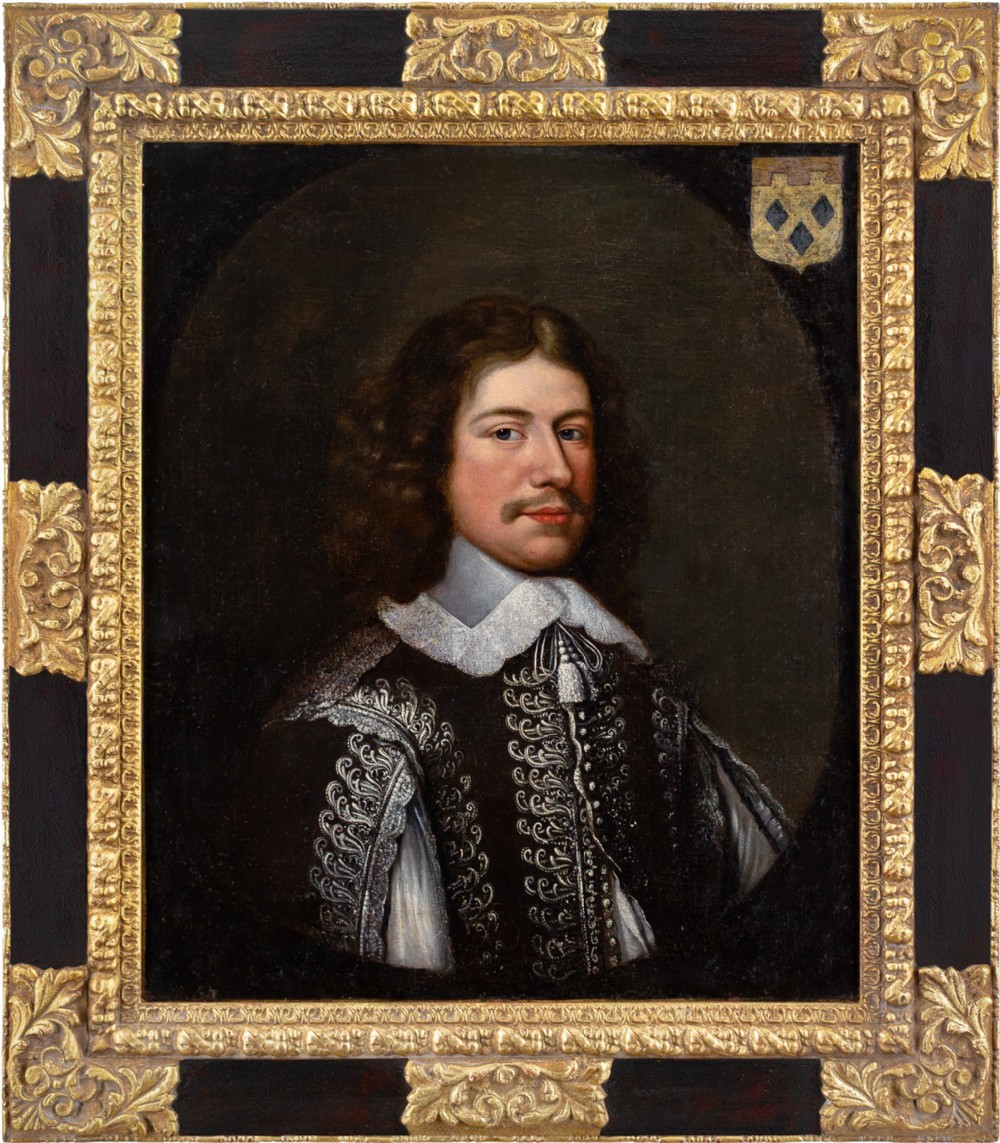
Mid-17th-century French School, Portrait of a Member of the De Belot De Villette Et De Chevigney Family - Antique Oil Painting