
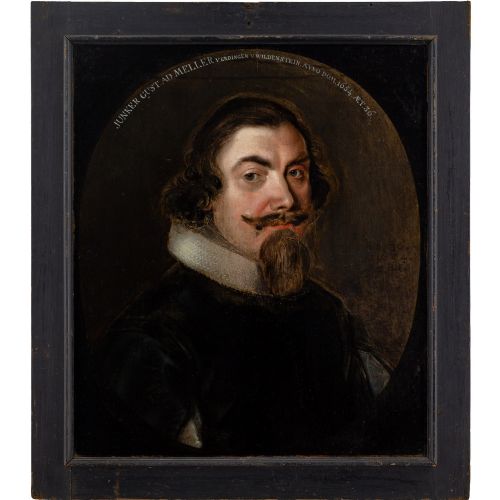
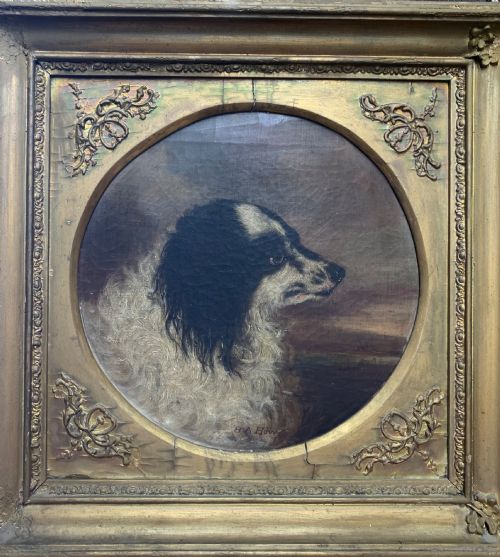
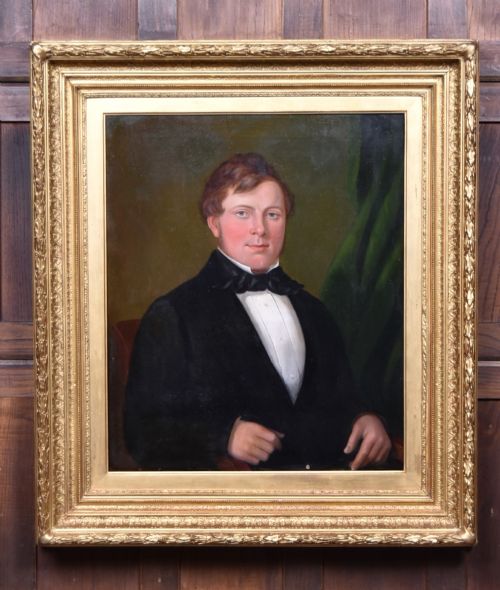
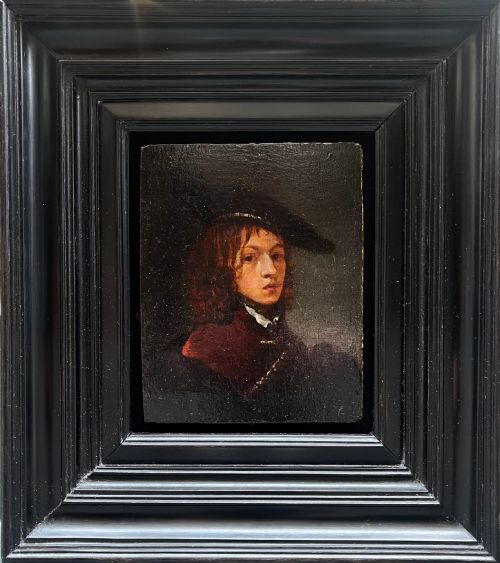
Black Frame Portrait Oil
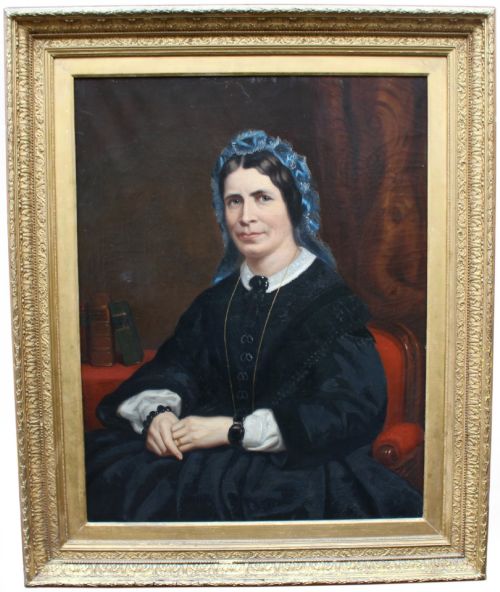
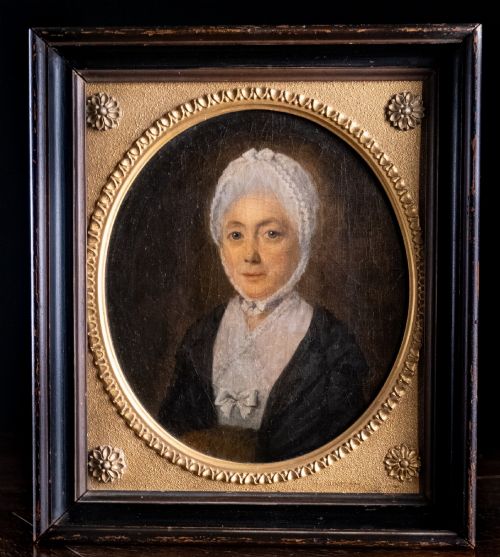
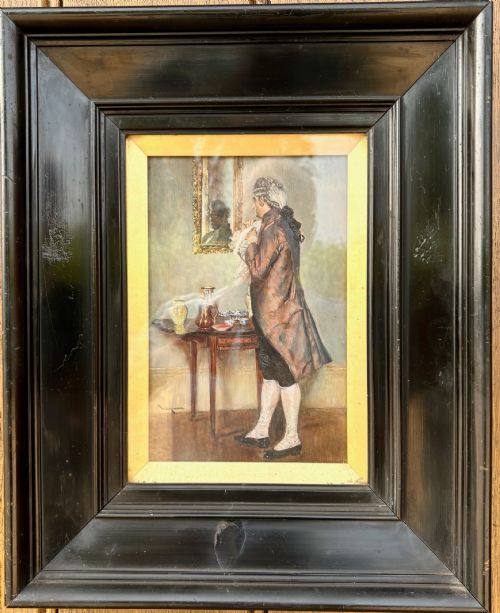
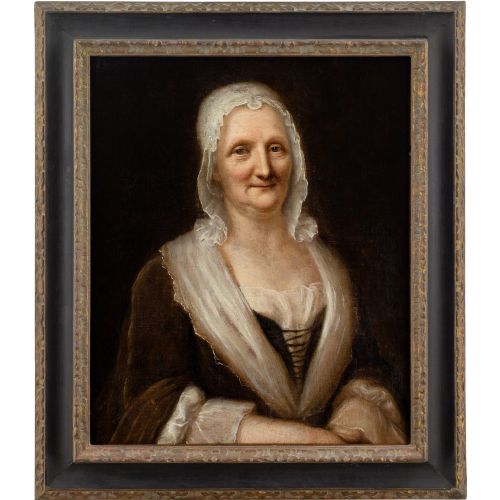
When you search for a black frame portrait oil, you are looking at centuries of painted likenesses enclosed in dark timber.
Black Frame Portrait Oil
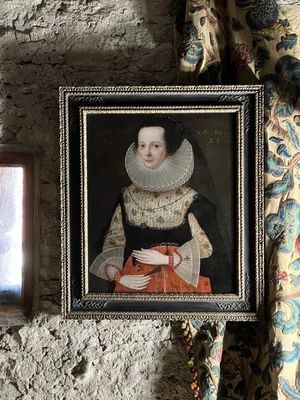
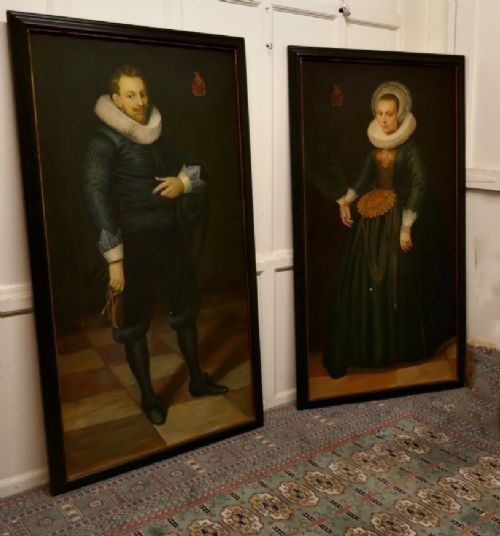
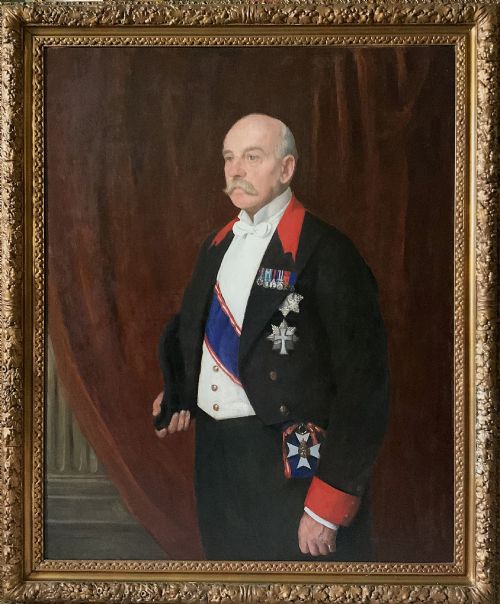
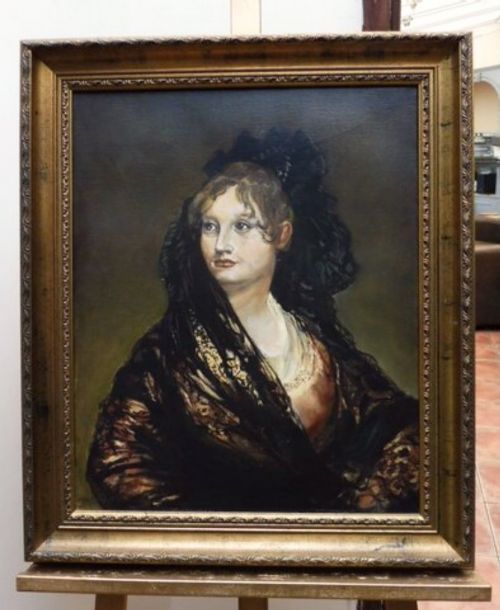
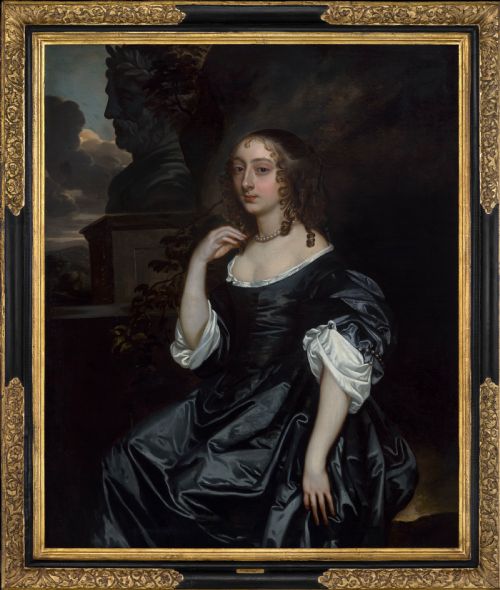
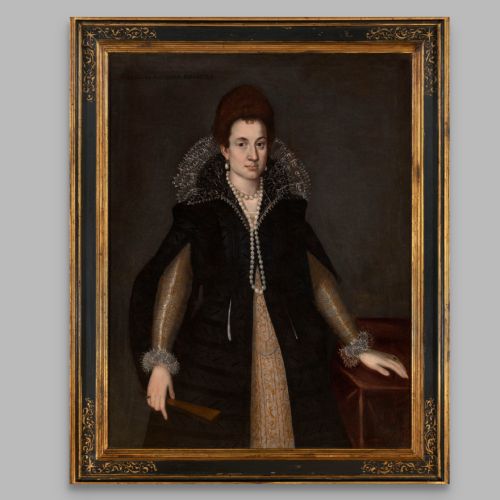
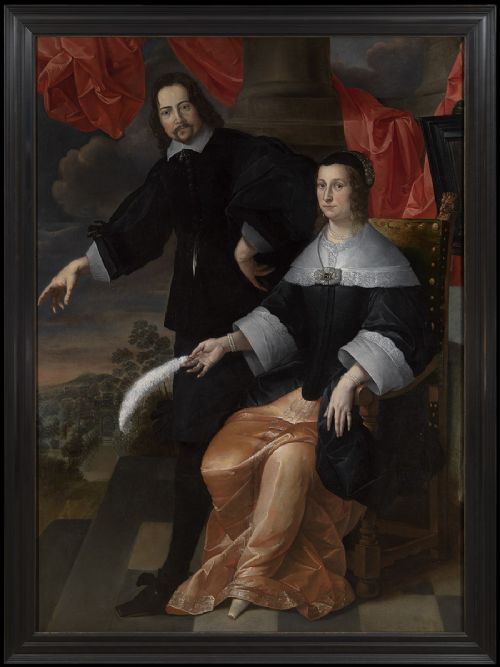
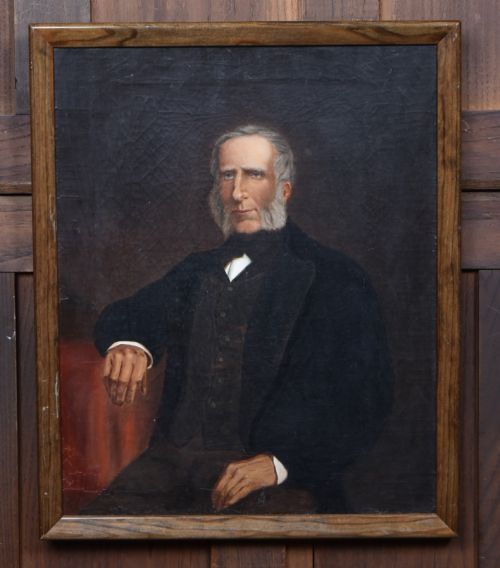
A black frame portrait oil brings together historical portraiture and dark ebonised surrounds, creating a focused visual depth. The phrase draws from periods spanning the seventeenth century through to the twentieth, reflecting both original historical works and later interpretations.
You will most commonly encounter nineteenth-century interpretations alongside seventeenth-century examples on this page. These works range from formal depictions of nobility to naive studies and animal subjects rendered in oil on canvas, panel, or board.
Subjects include aristocratic figures, children, and sporting dogs, each held within a distinct dark or ebonised boundary. The styles move from Dutch Golden Age traditions to Victorian fine art and mid-century realism.
How They Were Made
Surrounding enclosures relied on dense timbers, often ebonised or finished in dark wax to complement the shadows within the painted canvas. Gilding occasionally highlighted inner sight edges, contrasting against the primary dark housing.
What Varies in Quality
The sophistication of brushwork and anatomical precision distinguish accomplished portraiture from simpler folk art or decorative copies. Masterful handling of light upon skin, lace, and velvet separates ambitious works from rigid or flat compositions.
The integrity of the structural support, whether panel or canvas, and the harmony between the painting and its dark housing dictate the overall cohesion of the piece. Period enclosures that match the age of the canvas hold distinct aesthetic weight compared to later replacements.
Cornelius Johnson·Sir Peter Lely·John Frederick Herring Senior·Sir Edwin Landseer·Gaspar de Figueroa
The Black Frame Portrait Oil Glossary
- Oil on canvas
- A painting technique where pigmented oil paint is applied to a woven fabric support stretched across a wooden frame. This method became standard for European portraiture from the Renaissance onwards.
- Ebonised
- Timber treated with a stain or chemical process to imitate ebony. This finish provides the deep black appearance characteristic of many traditional portrait surrounds.
- Panel painting
- A work executed on a flat piece of wood rather than fabric. Oak and mahogany were frequently utilised for seventeenth-century and eighteenth-century portraits.
- Dutch Golden Age
- A period in Dutch history spanning the seventeenth century noted for exceptional achievements in painting. Portraits from this era emphasised sharp realism and dramatic lighting.
- Naive art
- Work created by artists without formal academic training. These pieces often display charming perspectives and direct, unpolished application of pigment.
Black Frame Portrait Oil: Frequently Asked Questions
How should I clean a dark portrait?
Dust surfaces gently with a soft, dry brush to prevent accumulation. Avoid liquid cleaners or chemical agents on both the painted surface and the surrounding timber.
Professional conservators should handle any deeper restoration or removal of accumulated grime to protect the underlying oil layers.
Where do these portraits originate?
The selections span British, Dutch, Flemish, and Spanish traditions, reflecting varied regional portraiture practices. Many pieces mirror the prevailing tastes of their respective centuries.
Workshop traditions often passed techniques down through generations, creating distinct schools of portrait painting across Europe.
How do I hang a heavy portrait?
Secure fixings directly into wall studs or utilise appropriate cavity anchors rated for the weight of the timber housing. Heavy oil paintings require robust picture wire and stable wall hooks.
Position pieces away from direct sunlight and fluctuating heat sources to protect the canvas and wooden support from warping.
How can I tell the age of the timber?
Examine the back of the enclosure for tool marks, joinery methods, and oxidation of the wood over time. Hand-cut joinery points toward earlier craftsmanship.
Original housings often show consistent wear patterns that match the estimated age of the portrait within.