44,894  PAGES BROWSED TODAY PAGES TODAY 117 ANTIQUES UPLOADED TODAYNEW ARRIVALS
117 ITEMS ADDED TODAY
Sort Order
Items Per Page
Browse Categories
Sort order
Items per page
ID #SA1210898
SOLD
Email
Save
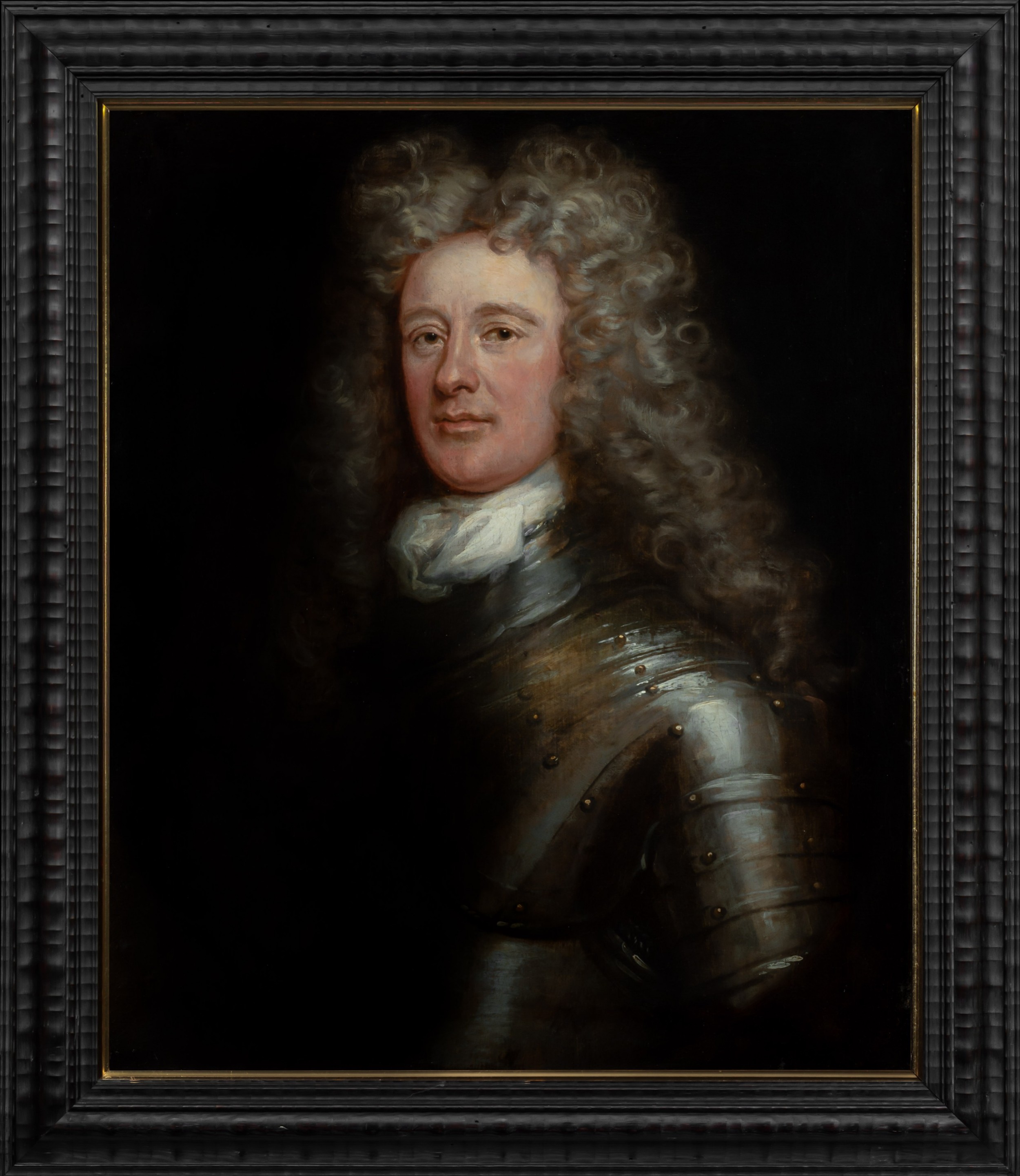
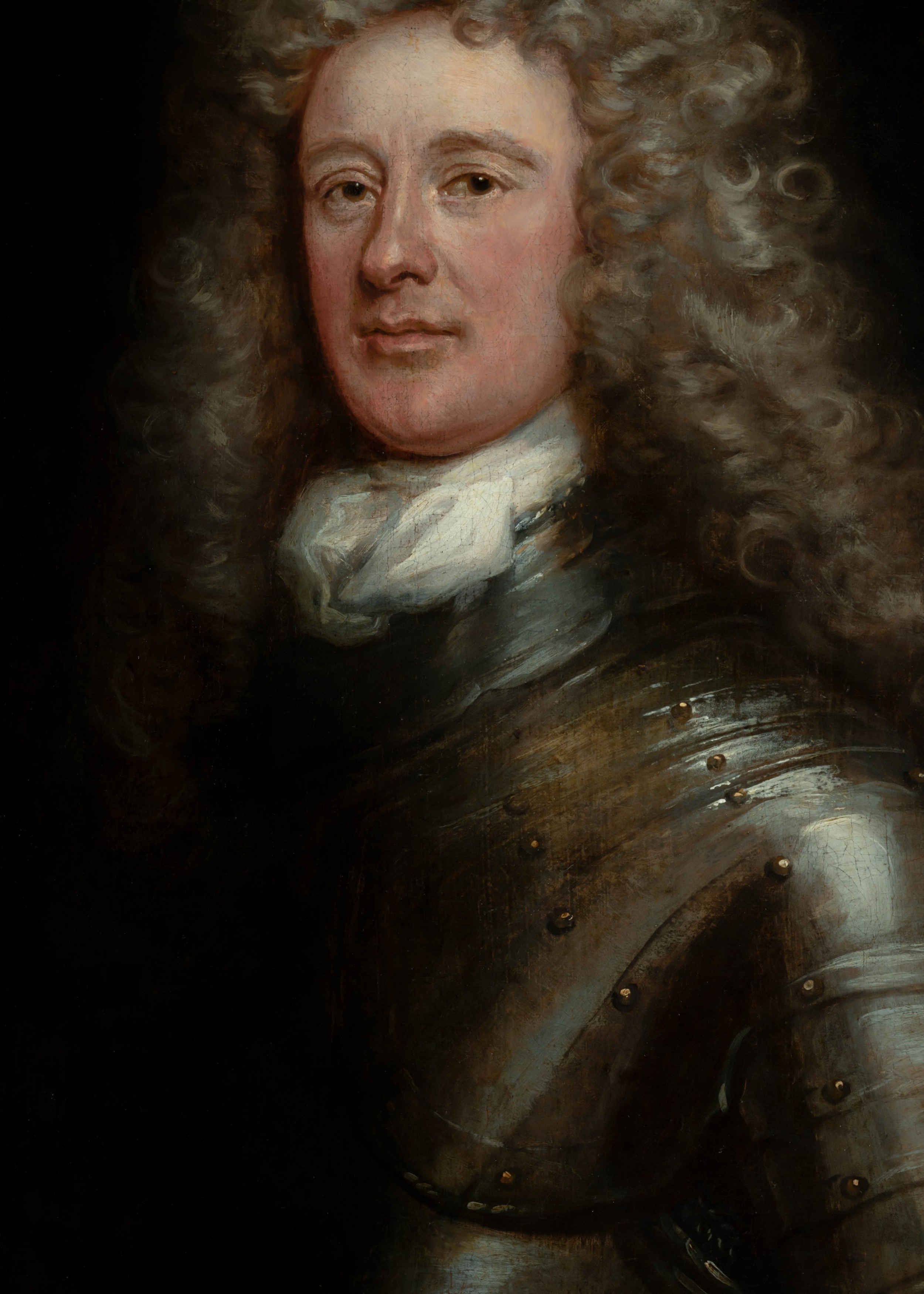
Portrait of Gentleman, David Erskine, 13th Laird of Dun in Armour C.1700; Studio of John Baptiste De Medina, Oil on Canvas Painting
Titan Fine Art
sold SA1210898
Sorry, but this item has been sold.
Titan Fine Art

Titan Fine Art

Sellingantiques Verified Since Jul 2016
View Dealers Stock Page
  • About Us
    Specialist in 17th & 18thc portraits. Highly curated selection, museum-level research & pro conservation. Exceptional art, expertly vetted.
Id #SA1210898
PDF SHARE
SAVE

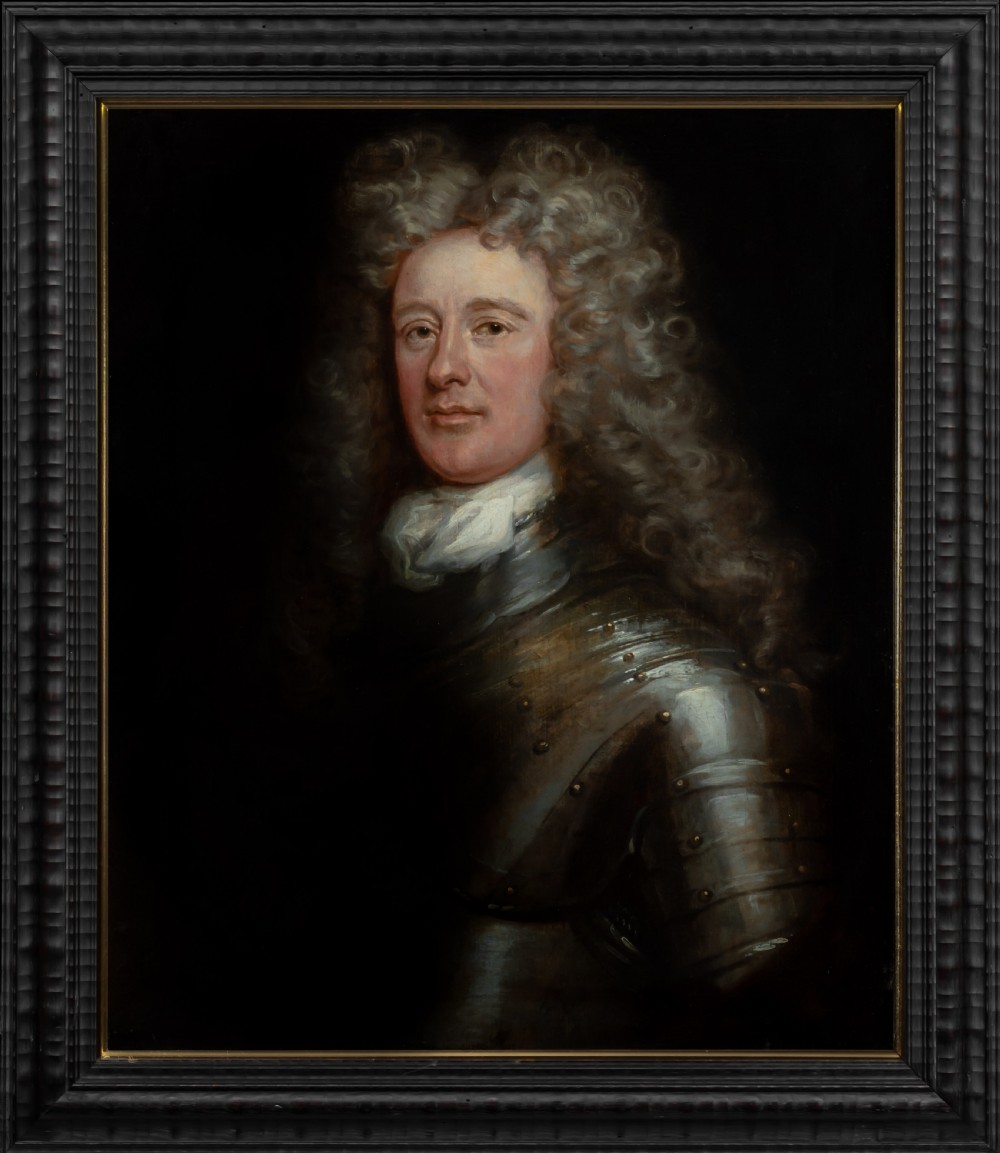
Portrait of Gentleman, David Erskine, 13th Laird of Dun in Armour C.1700; Studio of John Baptiste De Medina, Oil on Canvas Painting

17th century
Description

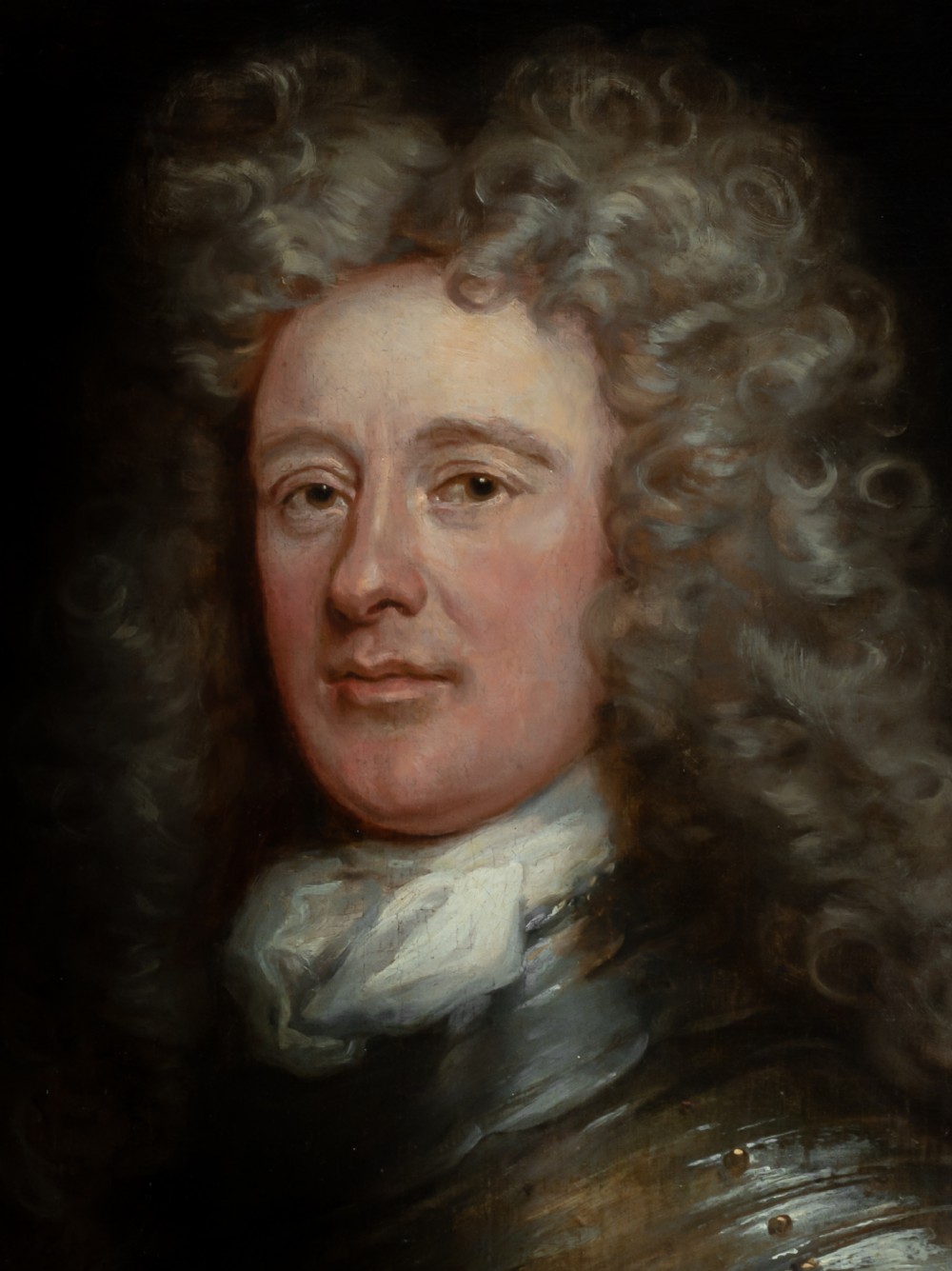
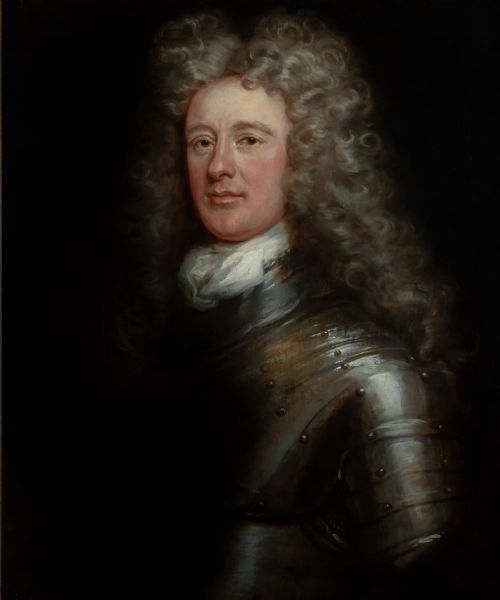
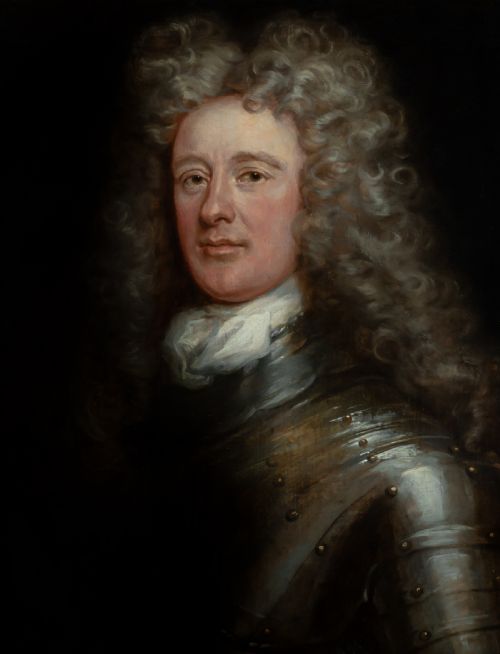
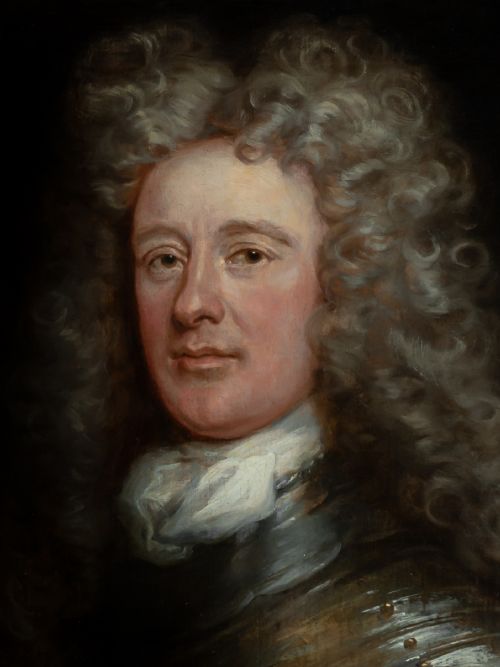
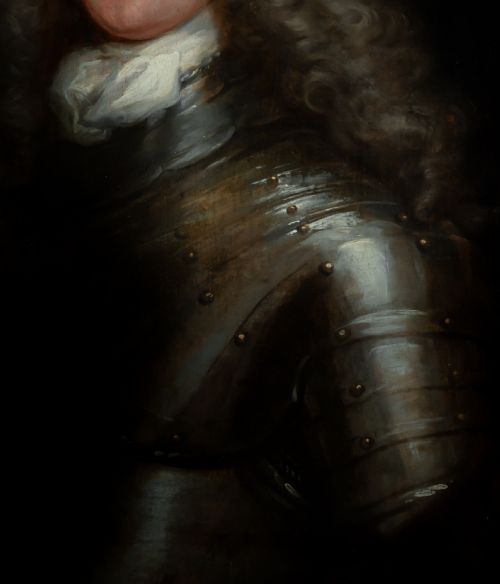
The sitter in this portrait, presented by Titan Fine Art, is shown with the grandiloquence characteristic of the English School of painting. The sophisticated gentleman is portrayed wearing an ingeniously embellished armour, a white cravat, and an abundance of cascading curls falling below his shoulders - his heroic visage and martial-like characterisation are suitably reflected in these costly items. This portrait proclaims to every onlooker that this man is both authoritative and important but such fine and ornate armour was not actually used on a battlefield and thus its portrayal here was largely symbolic. It is the archetypal bust-length portrait for a wealthy male during the last quarter of the seventeenth century and first quarter of the next.

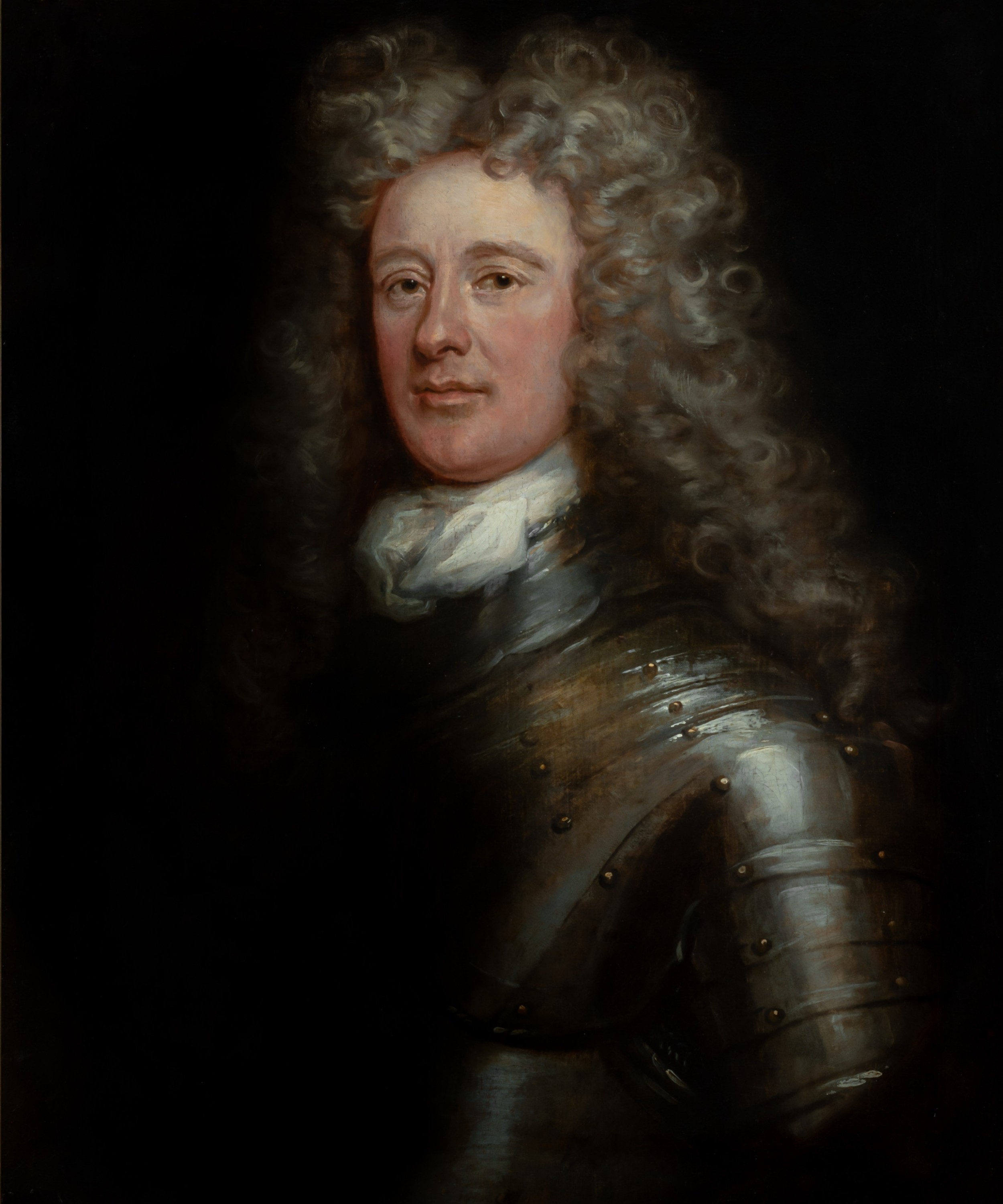
The subject is said to be the Scottish lawyer and commissioner to parliament, David Erskine, the 13th Laird of Dun. He was known for his considerable experience and distinguished piety. Born in 1672 near Montrose in Angus, he pursued his studied at the universities of St. Andrews and Paris. He became a member of the Faculty of Advocates in 1698 and quickly gained prominence. He represented Forfarshire at the Convention of Estates in 1689 and was also active in the parliaments of 1690, 1691, 1693, 1695, and 1696, where he opposed the Union.
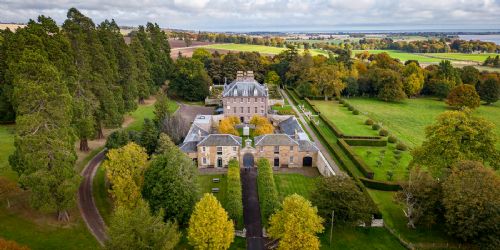
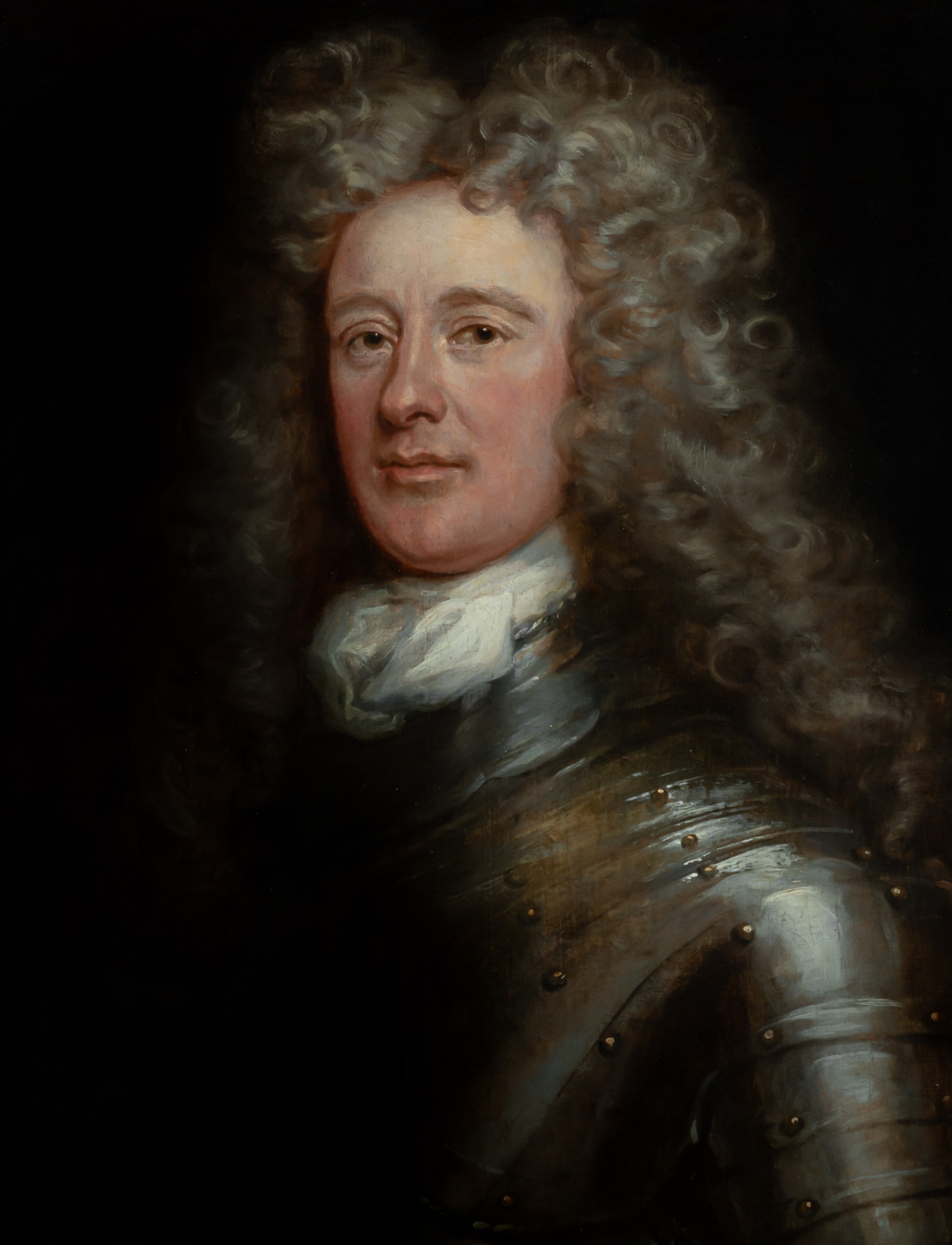
In November 1710, he assumed his position as an ordinary lord under the title of Lord Dun, and in 1714, he was appointed a Lord of Justiciary. Although a Jacobite at heart, he was incredibly influential in the Hanoverian regime. It is remarkable that Erskine kept his allegiances hidden, and this resulted in him keeping his life and his lands after 1745 when so many Scottish families were torn apart and stricken by the conflict. He died on May 26, 1758.
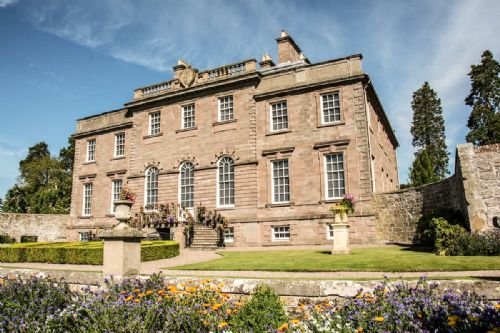
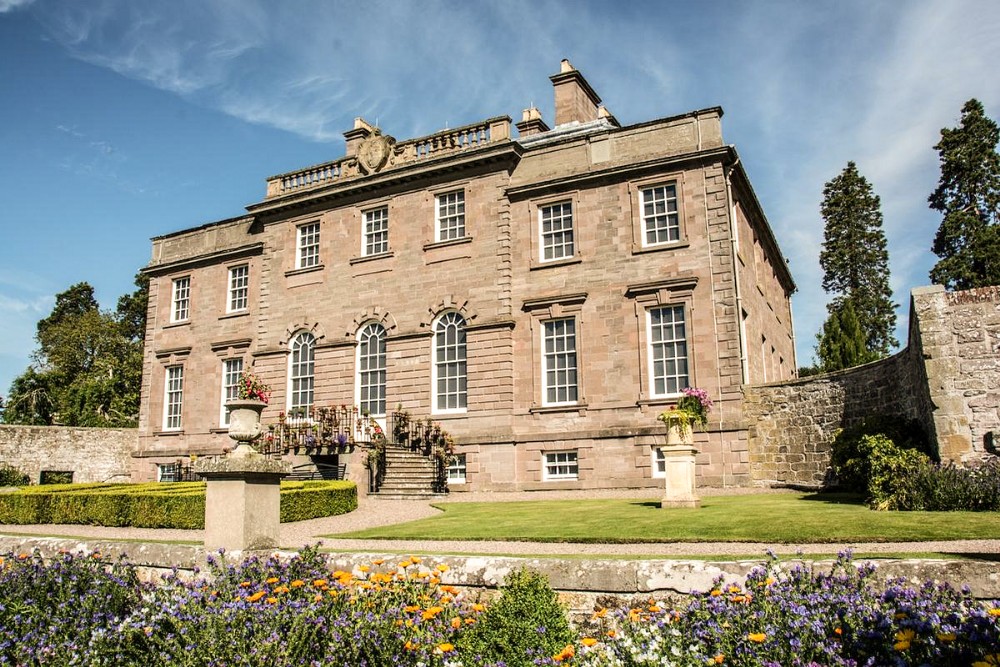
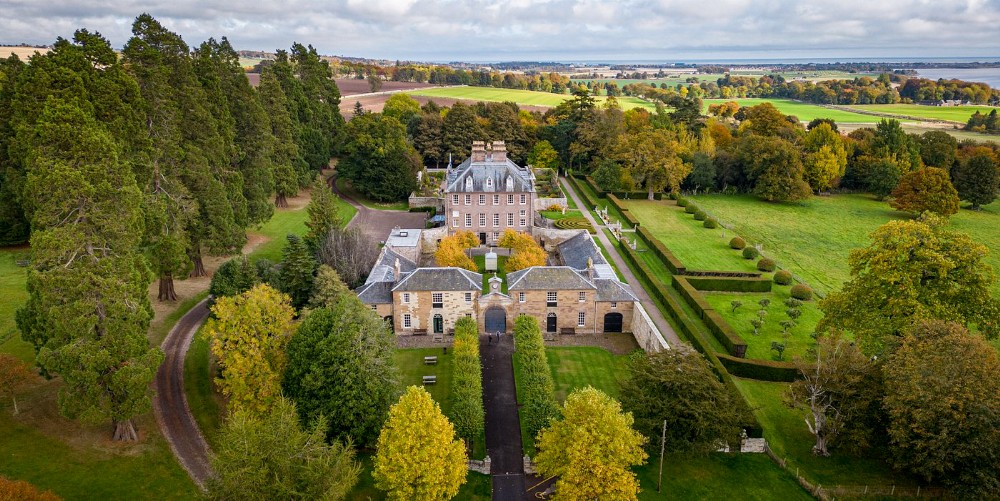
The House of Dun was the family estate that had passed through generations of the Erskines. They had owned the estate for over 300 years before the sitter in our portrait commissioned William Adam to replace it in a show of wealth and influence in 1743. In 1980, the 21st and last Laird of Dun, died without an heir and left the house and contents to the National Trust of Scotland.
The painter Sir John Baptiste de Medina was born in Brussels in 1659 to a Spanish officer stationed in the Netherlands. He began his career as an apprentice to François Duchatel before relocating to London around 1686 where he employed several assistants in his Drury Lane studio. Although he specialised in portraiture, Medina also illustrated an edition of Paradise Lost, which was published in 1688, and created various subject paintings. He counted several members of the Scottish aristocracy amongst his clients and in 1694 he was persuaded to visit Edinburgh to paint their wives and families, eventually settling there permanently. With virtually no competition in Scotland, Medina was the most prominent Scottish portraitist for the rest of his life, charging £5 for a head and £10 for a half-length.
Around 1700, William Aikman joined Medina’s studio and likely assisted with a commission from the Royal College of Surgeons for a series of 29 member portraits between 1697 and 1708. After obtaining naturalisation, Medina was knighted.
With his distinctive, informal baroque manner, he captured a generation of Scottish society and was knighted in 1706 by the last Scottish parliament before the Act of Union. He died in Edinburgh at approximately 51 years of age in 1710.

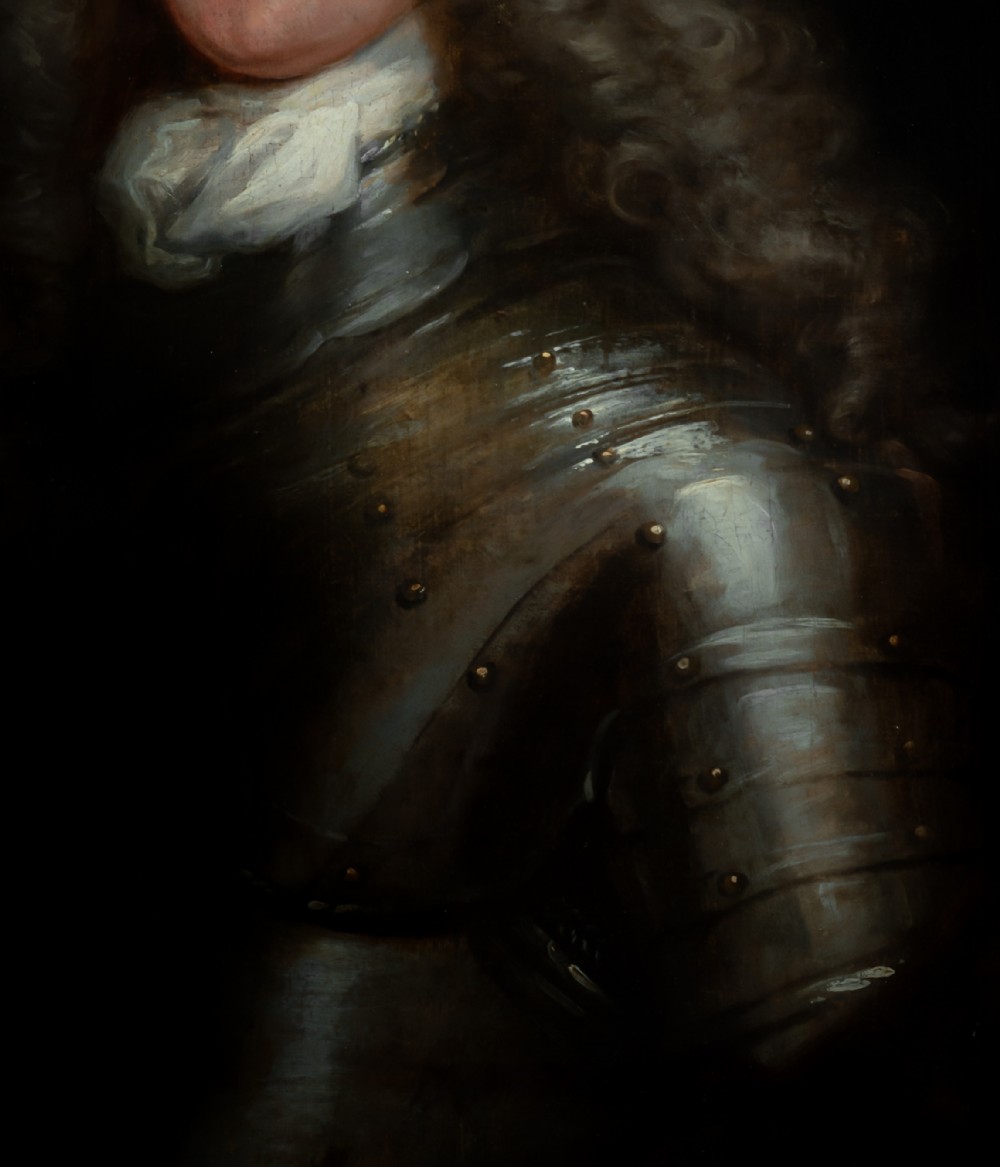
The treatment of the hair, and most particularly, the armour, is adeptly painted with precision and shows the commensurate skill of the artist.

Physical Dimensions
Height
90cm (35.43")
Width
78cm (30.71")
Depth
4cm (1.57")
Declaration

Titan Fine Art has dated this piece to the 17th Century.

Reference Numbers
Sellingantiques Reference
SA1210898
Dealers Notes

Much more info about this item at: www.titanfineart.com

In a market saturated with available paintings, Titan Fine Art offers a distinct advantage: we sift through thousands of works to provide a specially curated selection. Each piece is meticulously chosen based on technical merit, provenance, and decorative appeal, ensuring our clients view only the finest examples of British and European art.

With over 20 years of expertise and 1,000+ works placed with collectors and institutions, we are one of the most prolific specialists in 17th and 18th-century portraiture. We combine a scholarly approach with museum-level rigor to replace the uncertainty of the open market with absolute confidence.

Why Buy From Titan Fine Art?

• Expertly Curated Selection

We act as your expert eye, selecting only high-quality works that offer genuine historical and artistic value.

• Museum-Level Research

Each portrait is supported by extensive academic research, often exceeding 40 hours, to establish attribution, sitter identity, and historical context.

• Professional Conservation

All paintings are carefully cleaned and stabilised by professional conservators, and are presented ready to hang.

• Transparent Pricing

No buyer’s premium or hidden fees—unlike auction houses, where additional costs can add 25–35%.

• Export Pricing Advantage

Reduced pricing is available for works exported outside the UK.

• Specialist Global Shipping

We manage the entire process, including custom crating, export documentation, and fully tracked delivery worldwide.

• Buy with Confidence

A 7-day return policy and the option to pay in GBP, USD, or EUR for convenience and transparency.

• Original Period Frames

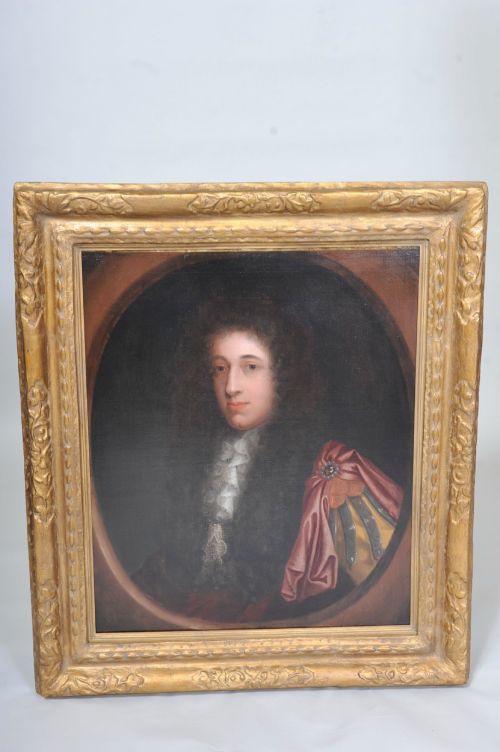
Many works retain their original carved and gilded frames, which are works of art in their own right and enhance both historical authenticity and decorative impact.

• Personal Advisory Service

We work directly with collectors and interior designers, offering guidance on selection, scale, and placement—including bespoke room mock-ups on request.

Subscribe to our monthly 'new item alert' to be the first to hear about new works

Description
The sitter in this portrait, presented by Titan Fine Art, is shown with the grandiloquence characteristic of the English School of painting. The sophisticated gentleman is portrayed wearing an ingeniously embellished armour, a white cravat, and an abundance of cascading curls falling below his shoulders - his heroic visage and martial-like characterisation are suitably reflected in these costly items. This portrait proclaims to every onlooker that this man is both authoritative and important but such fine and ornate armour was not actually used on a battlefield and thus its portrayal here was largely symbolic.
It is the archetypal bust-length portrait for a wealthy male during the last quarter of the seventeenth century and first quarter of the next.
Titan Fine Art
fig 1. Portrait of Gentleman, David Erskine, 13th Laird of Dun in Armour c.1700; Studio of John Baptiste de Medina, oil on canvas painting
fig 1. Portrait of Gentleman, David Erskine, 13th Laird of Dun in Armour C.1700; Studio of John Baptiste De Medina, Oil on Canvas Painting

The subject is said to be the Scottish lawyer and commissioner to parliament, David Erskine, the 13th Laird of Dun. He was known for his considerable experience and distinguished piety. Born in 1672 near Montrose in Angus, he pursued his studied at the universities of St. Andrews and Paris. He became a member of the Faculty of Advocates in 1698 and quickly gained prominence. He represented Forfarshire at the Convention of Estates in 1689 and was also active in the parliaments of 1690, 1691, 1693, 1695, and 1696, where he opposed the Union.

fig 2. Portrait of Gentleman, David Erskine, 13th Laird of Dun in Armour c.1700; Studio of John Baptiste de Medina, oil on canvas painting
fig 2. Portrait of Gentleman, David Erskine, 13th Laird of Dun in Armour C.1700; Studio of John Baptiste De Medina, Oil on Canvas Painting

In November 1710, he assumed his position as an ordinary lord under the title of Lord Dun, and in 1714, he was appointed a Lord of Justiciary. Although a Jacobite at heart, he was incredibly influential in the Hanoverian regime. It is remarkable that Erskine kept his allegiances hidden, and this resulted in him keeping his life and his lands after 1745 when so many Scottish families were torn apart and stricken by the conflict. He died on May 26, 1758.

fig 3. Portrait of Gentleman, David Erskine, 13th Laird of Dun in Armour c.1700; Studio of John Baptiste de Medina, oil on canvas painting
fig 3. Portrait of Gentleman, David Erskine, 13th Laird of Dun in Armour C.1700; Studio of John Baptiste De Medina, Oil on Canvas Painting

The House of Dun was the family estate that had passed through generations of the Erskines. They had owned the estate for over 300 years before the sitter in our portrait commissioned William Adam to replace it in a show of wealth and influence in 1743. In 1980, the 21st and last Laird of Dun, died without an heir and left the house and contents to the National Trust of Scotland.

fig 4. Portrait of Gentleman, David Erskine, 13th Laird of Dun in Armour c.1700; Studio of John Baptiste de Medina, oil on canvas painting
fig 4. Portrait of Gentleman, David Erskine, 13th Laird of Dun in Armour C.1700; Studio of John Baptiste De Medina, Oil on Canvas Painting

The painter Sir John Baptiste de Medina was born in Brussels in 1659 to a Spanish officer stationed in the Netherlands. He began his career as an apprentice to François Duchatel before relocating to London around 1686 where he employed several assistants in his Drury Lane studio. Although he specialised in portraiture, Medina also illustrated an edition of Paradise Lost, which was published in 1688, and created various subject paintings. He counted several members of the Scottish aristocracy amongst his clients and in 1694 he was persuaded to visit Edinburgh to paint their wives and families, eventually settling there permanently. With virtually no competition in Scotland, Medina was the most prominent Scottish portraitist for the rest of his life, charging £5 for a head and £10 for a half-length.

fig 5. Portrait of Gentleman, David Erskine, 13th Laird of Dun in Armour c.1700; Studio of John Baptiste de Medina, oil on canvas painting
fig 5. Portrait of Gentleman, David Erskine, 13th Laird of Dun in Armour C.1700; Studio of John Baptiste De Medina, Oil on Canvas Painting

Around 1700, William Aikman joined Medina’s studio and likely assisted with a commission from the Royal College of Surgeons for a series of 29 member portraits between 1697 and 1708. After obtaining naturalisation, Medina was knighted.

fig 6. Portrait of Gentleman, David Erskine, 13th Laird of Dun in Armour c.1700; Studio of John Baptiste de Medina, oil on canvas painting
fig 6. Portrait of Gentleman, David Erskine, 13th Laird of Dun in Armour C.1700; Studio of John Baptiste De Medina, Oil on Canvas Painting

With his distinctive, informal baroque manner, he captured a generation of Scottish society and was knighted in 1706 by the last Scottish parliament before the Act of Union. He died in Edinburgh at approximately 51 years of age in 1710.

The treatment of the hair, and most particularly, the armour, is adeptly painted with precision and shows the commensurate skill of the artist.

Height
90cm (35.43")
Width
78cm (30.71")
Depth
4cm (1.57")
Date of Manufacture

Titan Fine Art has dated this piece to the 17th Century.

Reference Numbers
Sellingantiques Ref
SA1210898
Titan Fine Art
Titan Fine Art
Sellingantiques verified Since Jul 2016

Specialist in 17th & 18thc portraits. Highly curated selection, museum-level research & pro conservation. Exceptional art, expertly vetted.

Dealer Profile

You can view the stock and full dealer information on the Titan Fine Art Profile Page
PDF SHARE
SAVE
Portrait of Gentleman, David Erskine, 13th Laird of Dun in Armour c.1700; Studio of John Baptiste de Medina, oil on canvas painting
1 / 8
Archive I Portrait of Gentleman, David Erskine, 13th Laird of Dun in Armour c.1700; Studio of John Baptiste de Medina, oil on canvas painting

Portrait of Gentleman, David Erskine, 13th Laird of Dun in Armour C.1700; Studio of John Baptiste De Medina, Oil on Canvas Painting
Archive II Portrait of Gentleman, David Erskine, 13th Laird of Dun in Armour c.1700; Studio of John Baptiste de Medina, oil on canvas painting View II
Archive III Portrait of Gentleman, David Erskine, 13th Laird of Dun in Armour c.1700; Studio of John Baptiste de Medina, oil on canvas painting View III
Archive IV Portrait of Gentleman, David Erskine, 13th Laird of Dun in Armour c.1700; Studio of John Baptiste de Medina, oil on canvas painting View IV
Archive V Portrait of Gentleman, David Erskine, 13th Laird of Dun in Armour c.1700; Studio of John Baptiste de Medina, oil on canvas painting View V
Archive VI Portrait of Gentleman, David Erskine, 13th Laird of Dun in Armour c.1700; Studio of John Baptiste de Medina, oil on canvas painting View VI
Archive VII Portrait of Gentleman, David Erskine, 13th Laird of Dun in Armour c.1700; Studio of John Baptiste de Medina, oil on canvas painting View VII
Archive VIII Portrait of Gentleman, David Erskine, 13th Laird of Dun in Armour c.1700; Studio of John Baptiste de Medina, oil on canvas painting View VIII
Enlarged Archival View
Telephone 07875 412 111
Location
London
United Kingdom
Dealer Profile Page sellingantiques.co.uk/titan
Verified Since Jul 2016
Items For Sale 16
Items Sold 401
Titan Fine Art
Titan Fine Art
Verified Since Jul 2016
View Dealer Info
Location: London, United Kingdom
Verified
Jul 2016
For Sale
16
Sold
401
Portrait of Gentleman, David Erskine, 13th Laird of Dun in Armour c.1700; Studio of John Baptiste de Medina, oil on canvas painting
Ref: SA1210898
Portrait of Gentleman, David Erskine, 13th Laird of Dun in Armour c.1700; Studio of John Baptiste de Medina, oil on canvas painting
Detail View 1
Detail View 2
Detail View 3
Detail View 4
Detail View 5
Detail View 6
Detail View 7
Archival Detail
Every single antique dealer on our platform is individually approved by our internal team. We verify their professional trade history, ethical standards, and photographic quality to ensure a secure, high-standard buying environment. Upon joining, every dealer agrees to a strict 9-point code of conduct. While issues can occasionally arise, our dealers typically resolve them swiftly and directly with the buyer. In fact, since our founding in 2002, Sellingantiques has only had to step in to help resolve an issue on roughly five occasions—a true testament to the quality of our dealers and their dedication to your happiness.
Our dealers are highly experienced in packing and shipping fragile, high-value antiques. Because you are in direct contact with the dealer, you will be able to easily go through all available shipping and insurance options together to ensure your item arrives safely.
Antiques are the ultimate green purchase. By choosing historical pieces over newly manufactured goods, you completely eliminate the carbon footprint of modern mass production while preserving exceptional, timeless craftsmanship.
items
Add keywords to the filter
Price
£100
£250000
Era
Movements
Material
Origin
Stock Location
Freshness
Online Payments
Categories