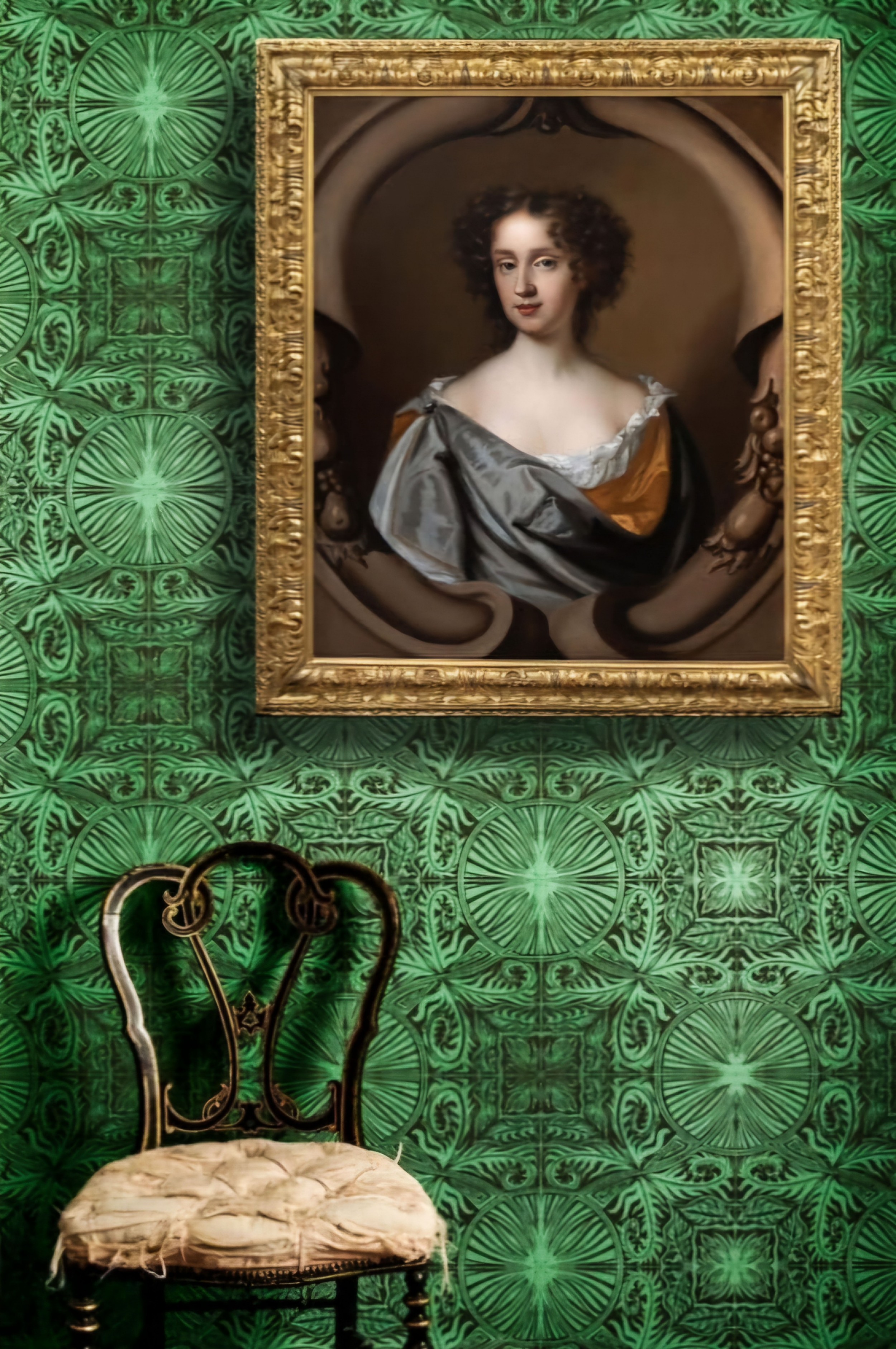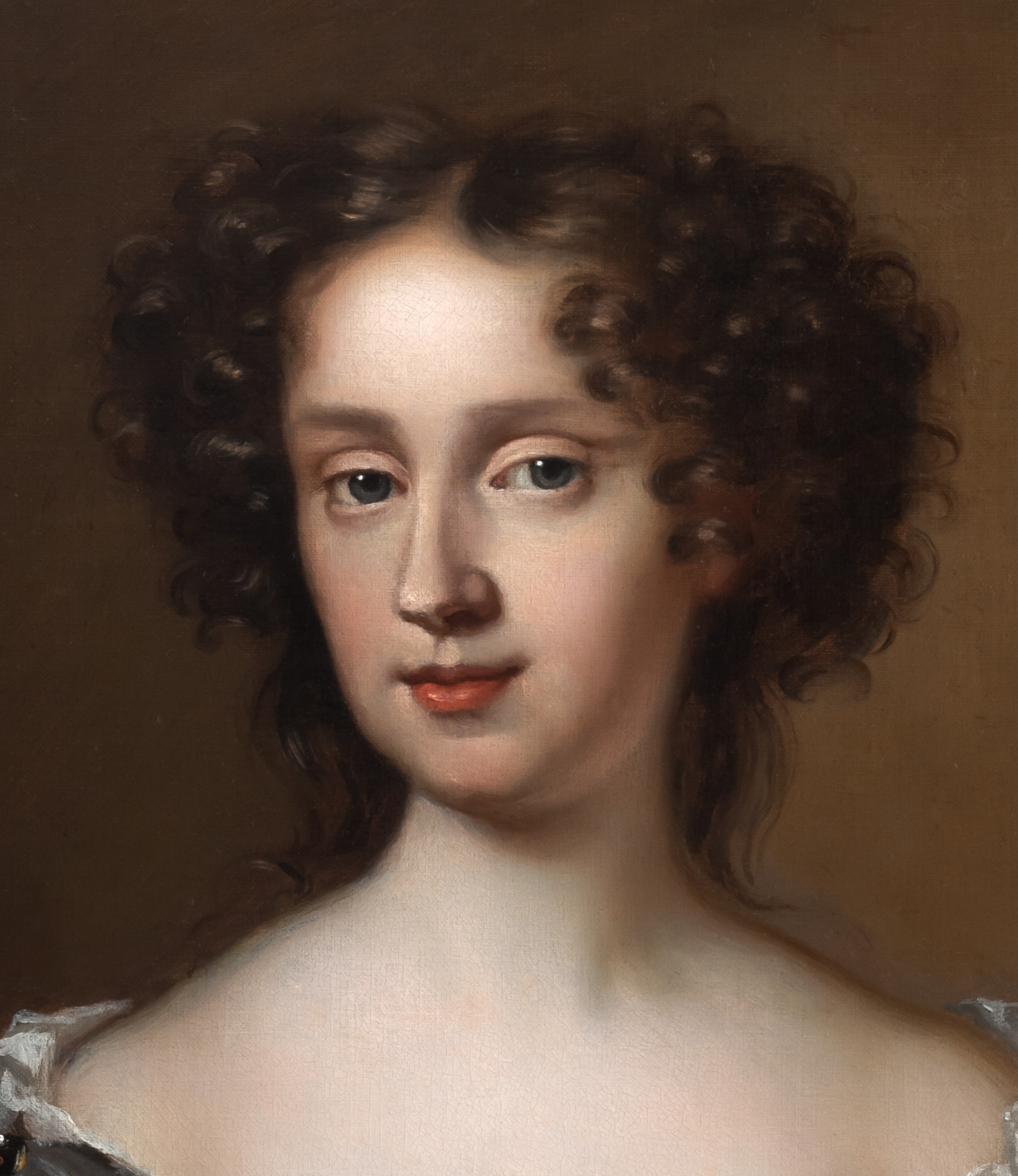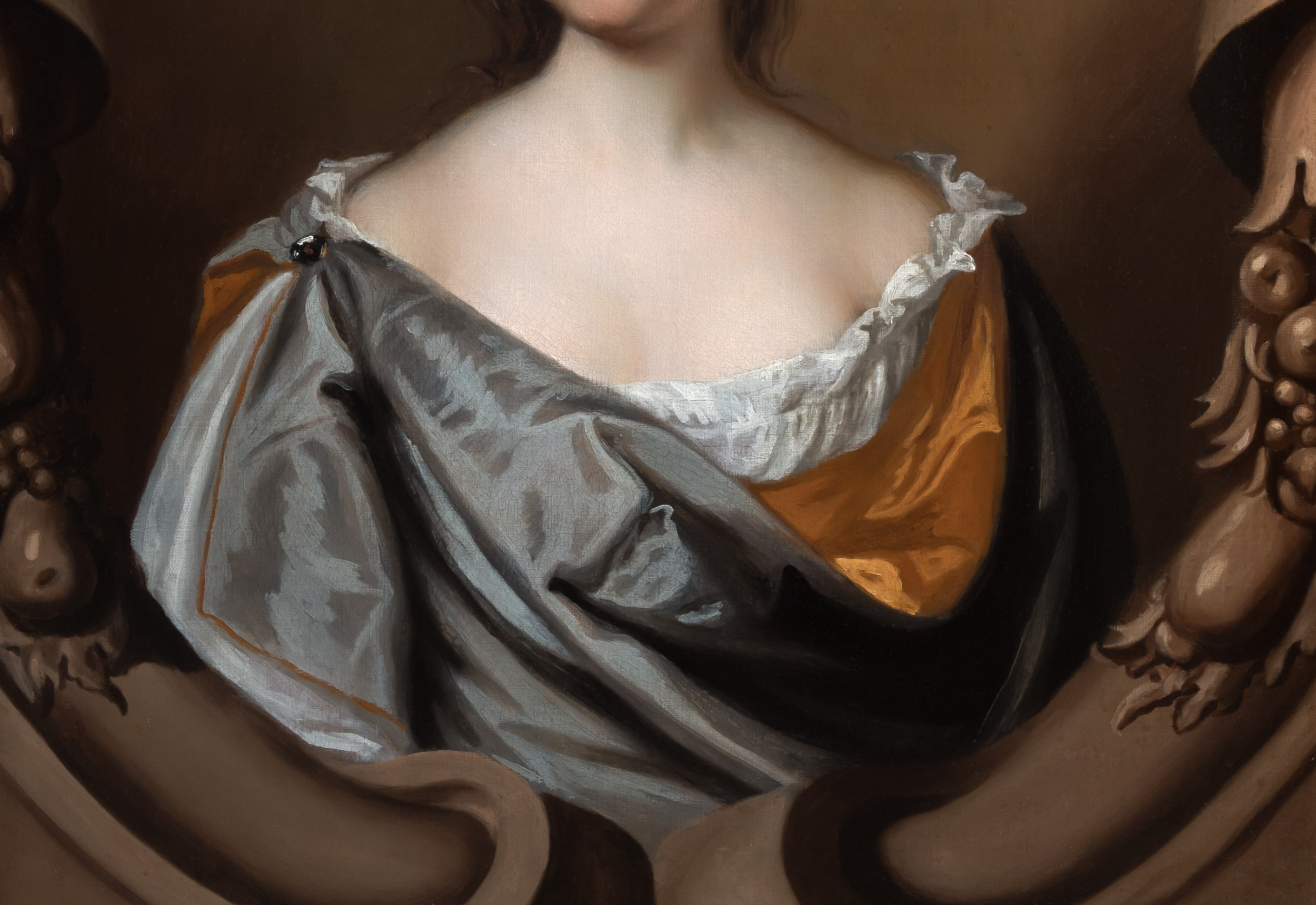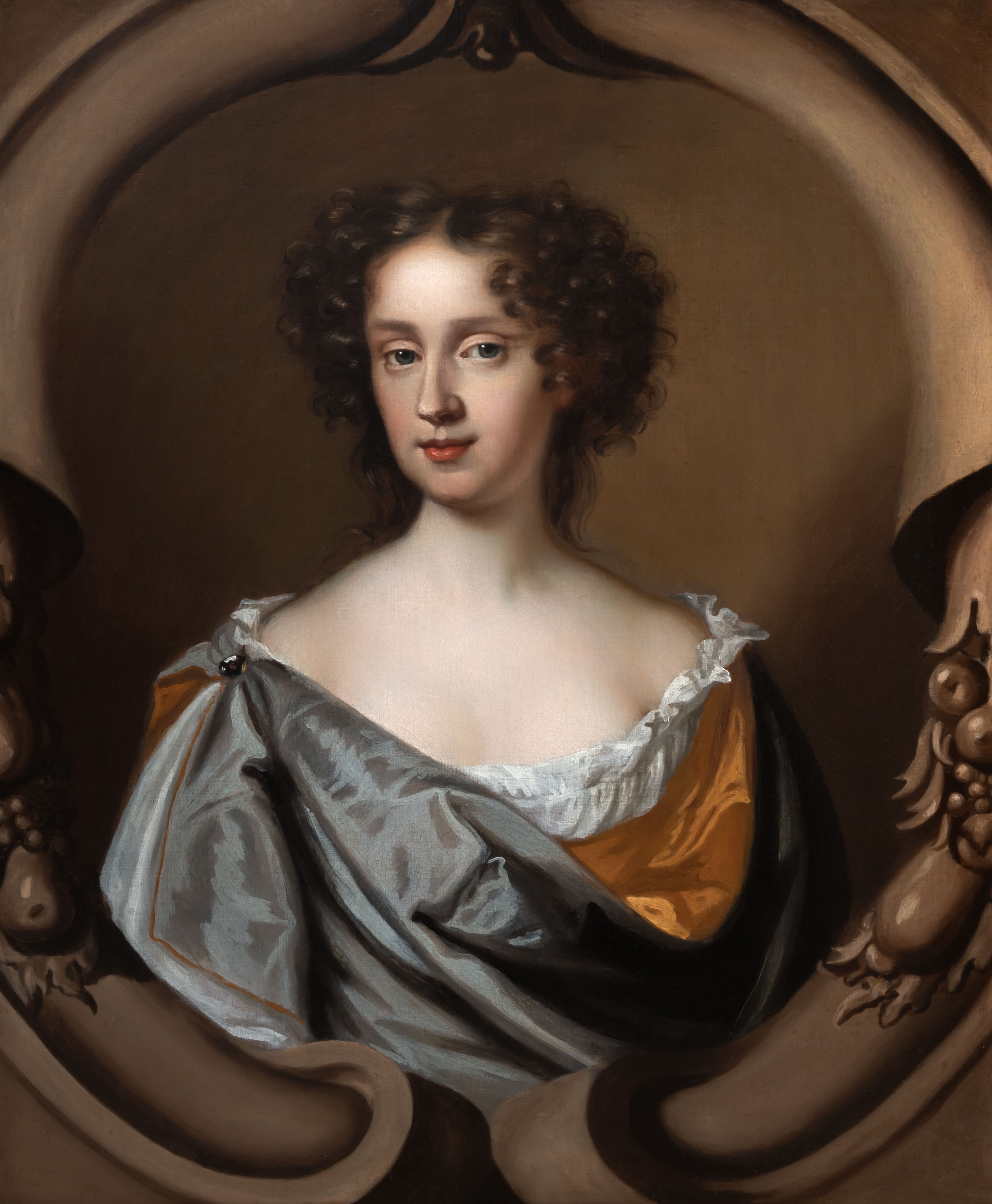
It was listed by Titan Fine Art. Sold pieces stay on Sellingantiques as a record of what has passed through, and the next one is rarely far away.
Titan Fine Art has dated this Antique Oil Portrait to the 17th Century.
This is not solely because she was a woman in a profession dominated by men, indeed, she was not alone in this: in “The Excellent Art of Painting” written in 1658 Sir William Sanderson records Mrs Beale among four named women painters practising in London. Rather it is because she competed so successfully with her colleagues, and was so prolific a painter: Additionally, through the diaries kept by her husband Charles, a former Clerk to the Patents Office, who became her studio assistant and colourman, we know more of her technique and working practice than that of any of her contemporaries, including Sir Peter Lely, and this has provided to historians today an invaluable record, unrivalled for the period, into the working life of an artist and their studio. Charles and Mary, together shared a passion not only for painting, but also the research of all the technical aspects behind its production. Whilst Mary executed the portrait commissions, Charles studiously experimented with pigments, mediums, canvases, and other materials that Mary needed'. His goal was to produce the finest materials and methods, at the most effective cost for Mary.
The precise details of Mary Beale's training remain obscure: her father John Craddock had been a member of the Painter-Stainers' Company, and had had his portrait painted by Robert Walker in the late 1640s. Walker was then pre-eminent among painters in London, particularly in the puritan circles that included Mary Beale's family, and it is, not unreasonably, supposed that Walker was her tutor in painting. In 1651 she married Charles Beale, a member of a prosperous family of Puritan gentry from Walton. Three years later their first son Bartholomew was born. Shortly afterward the painter and her family moved to Covent Garden, and began to associate with an erudite circle of artists, intellectuals and to clergymen that was to provide the base of her patronage in later years.
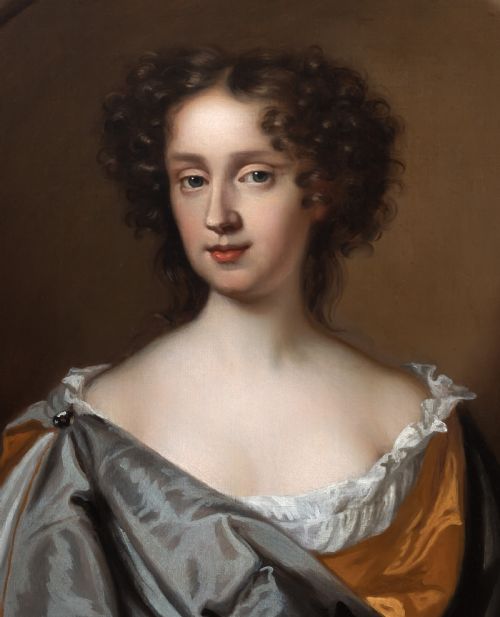
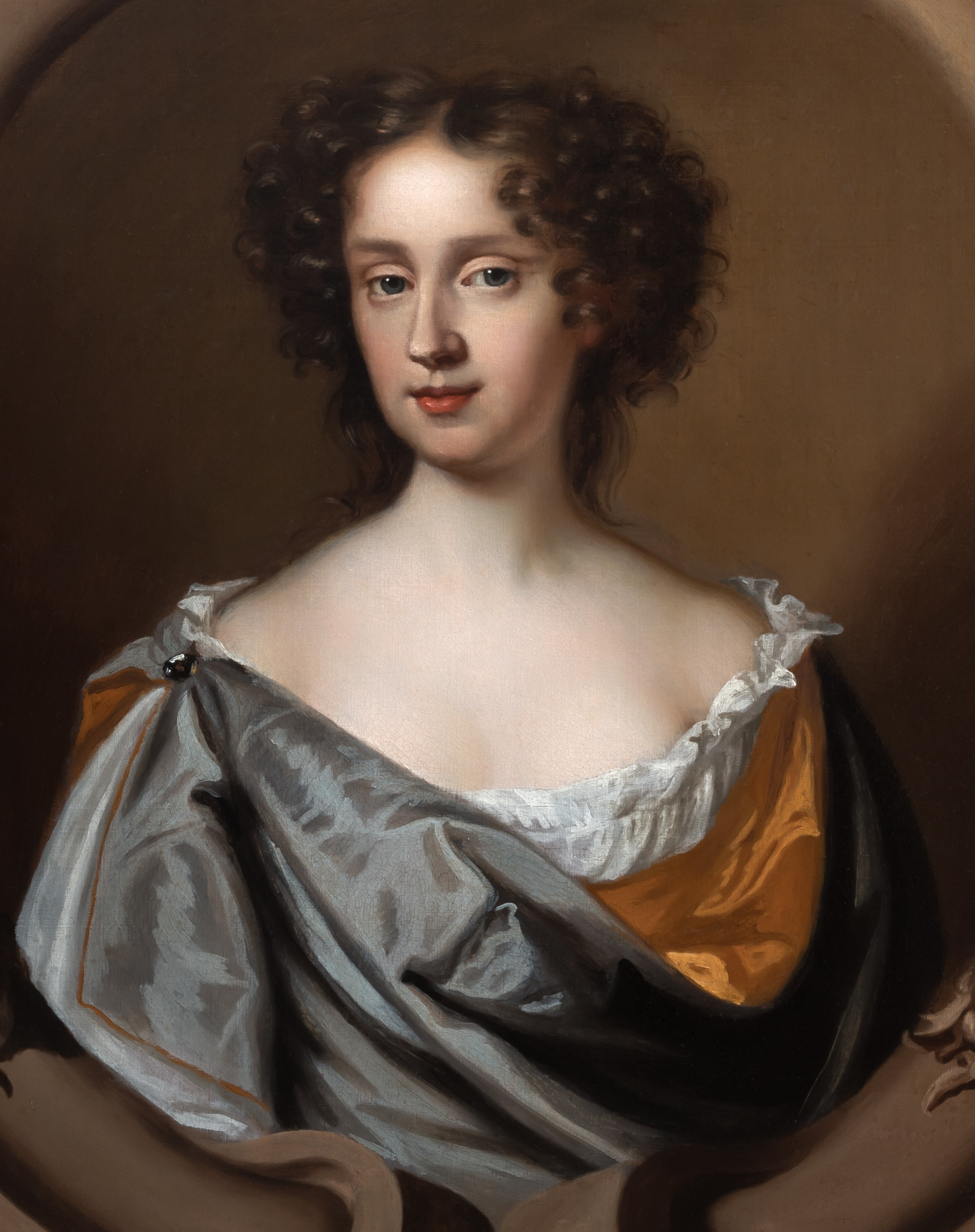
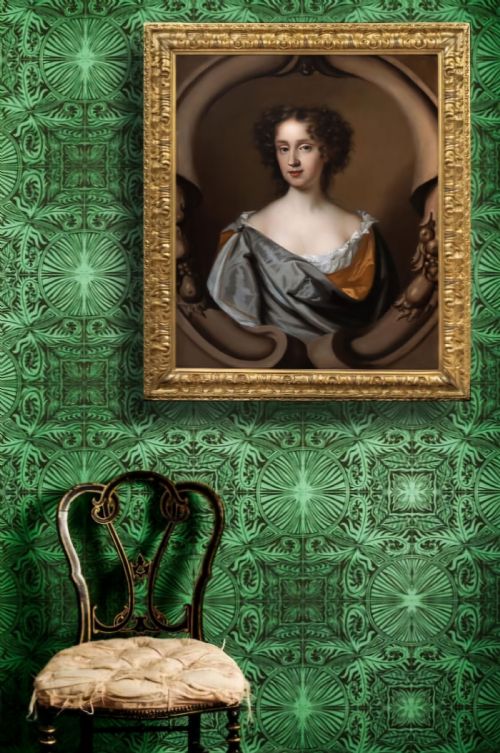
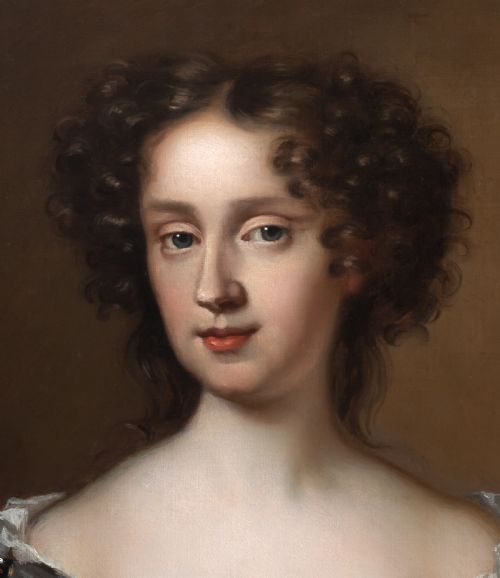
Initially, through his lucrative position at the Patent's Office, Charles was the main provider of the family's income. However, in 1665, with the Great Plague sweeping London and Charles losing his job, the Beales relocated from the city and took refuge at Albrook, a small village Hampshire. It was not until 1670, when she returned to London and their studio in Pall Mall, that she began her professional career in earnest. Our portrait, painted half-length set within a richly ornate faux cartouche surround, typical of the ‘Lelyesque’ design that was at the height of fashion at the time, probably dates from these first years in practice (this is further supported by the clothing and hairstyle). Sir Peter Lely (1618-1680), as Court Painter to Charles II and the most influential painter of the day, was an artist whom Mary and Charles both deeply admired. They worked hard to become acquainted with him and eventually succeeded in gaining the famous painter's friendship, support and encouragement. She and her sons had access to Lely’s fine collections, and she was permitted (no doubt a rare privilege) to observe him in the actual act of painting.
The style of portraiture which Peter Lely had made fashionable had been imitated by Mary in order to attract as wide a clientele as possible. Following his death in 1680 she continued to receive commissions for copies...
Full details at: www.titanfineart.com
Titan Fine Art has dated this Antique Oil Portrait to the 17th Century.
Specialist in 17th & 18thc portraits. Highly curated selection, museum-level research & pro conservation. Exceptional art, expertly vetted.
You can view the stock and full dealer information on the Titan Fine Art Profile Page
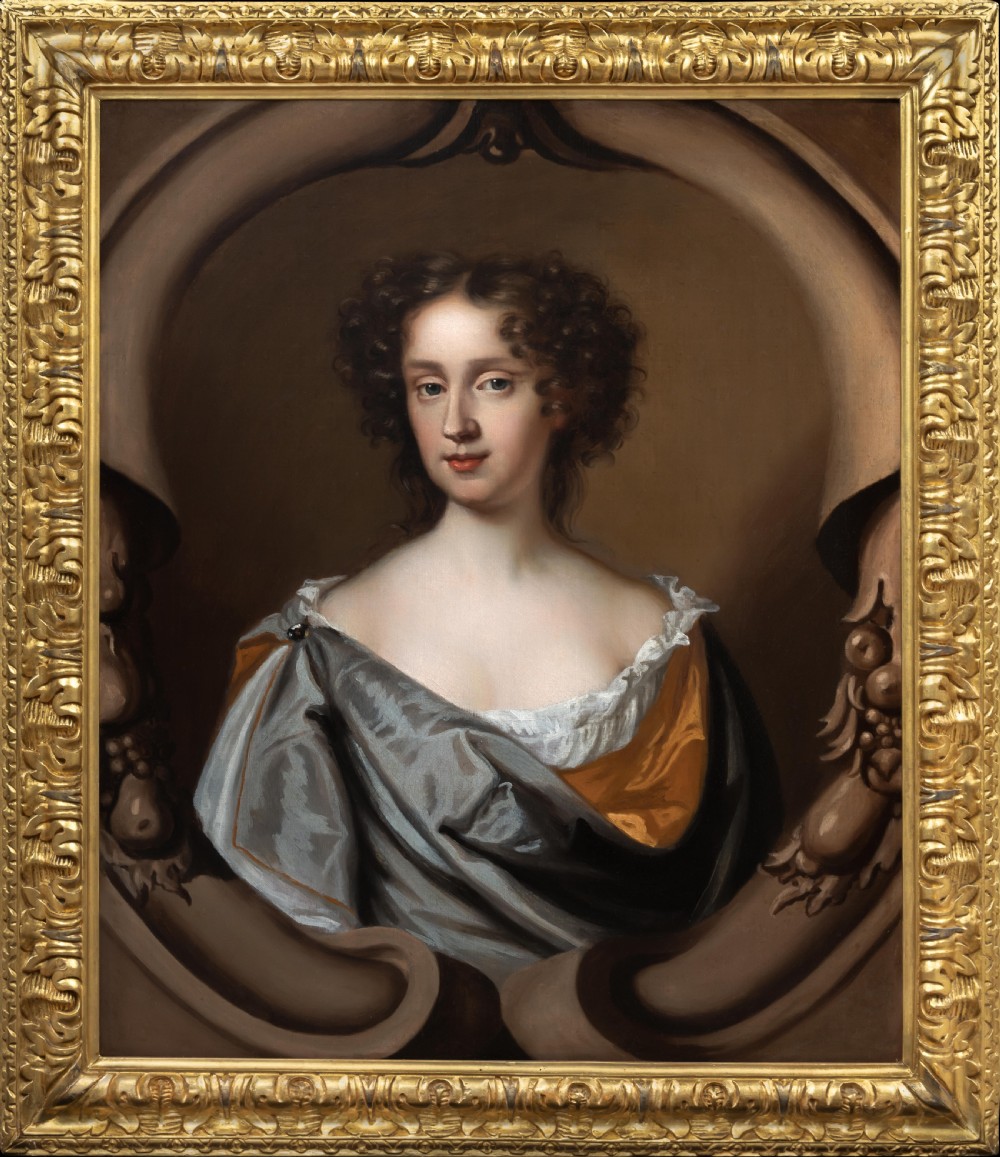
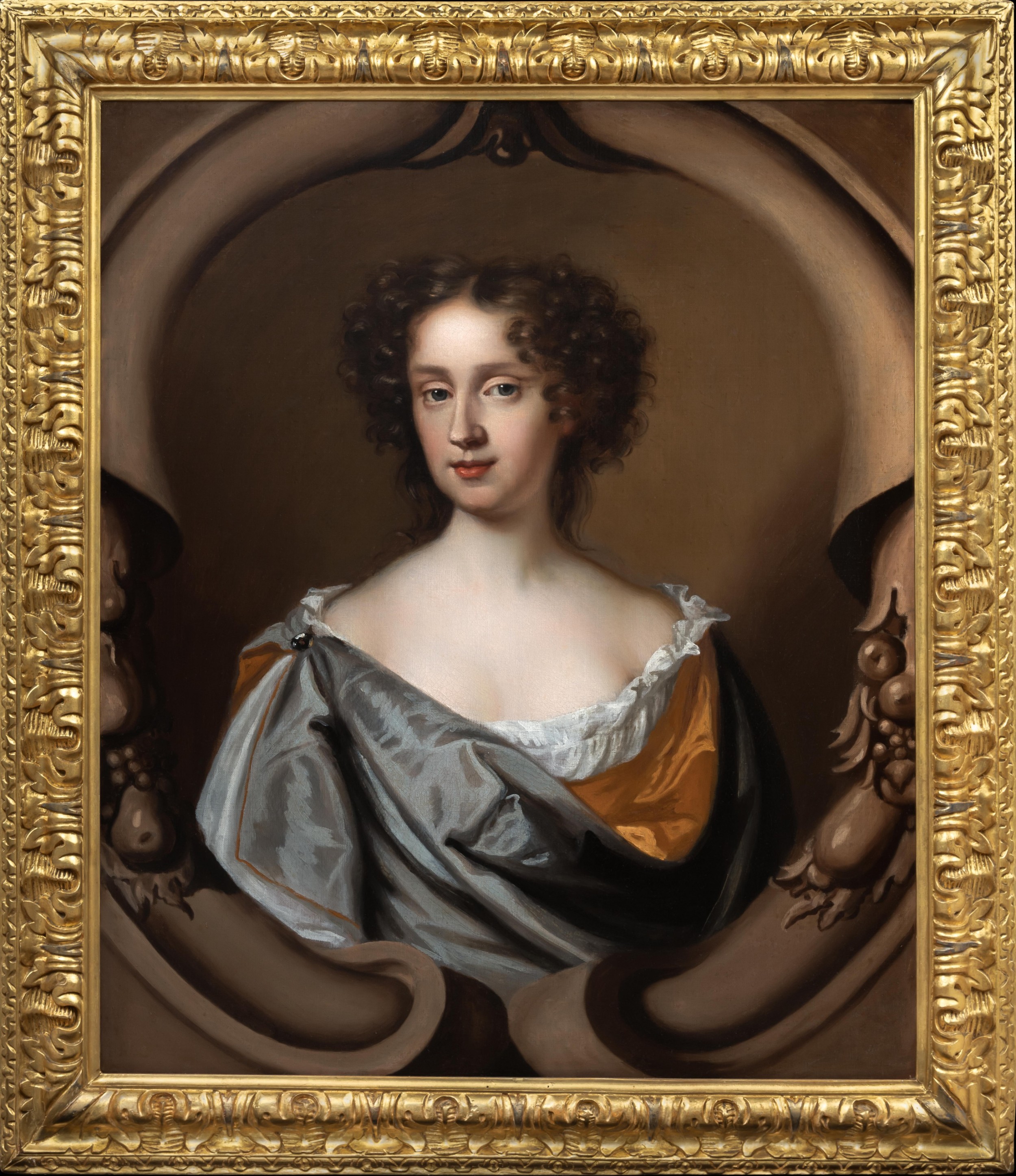
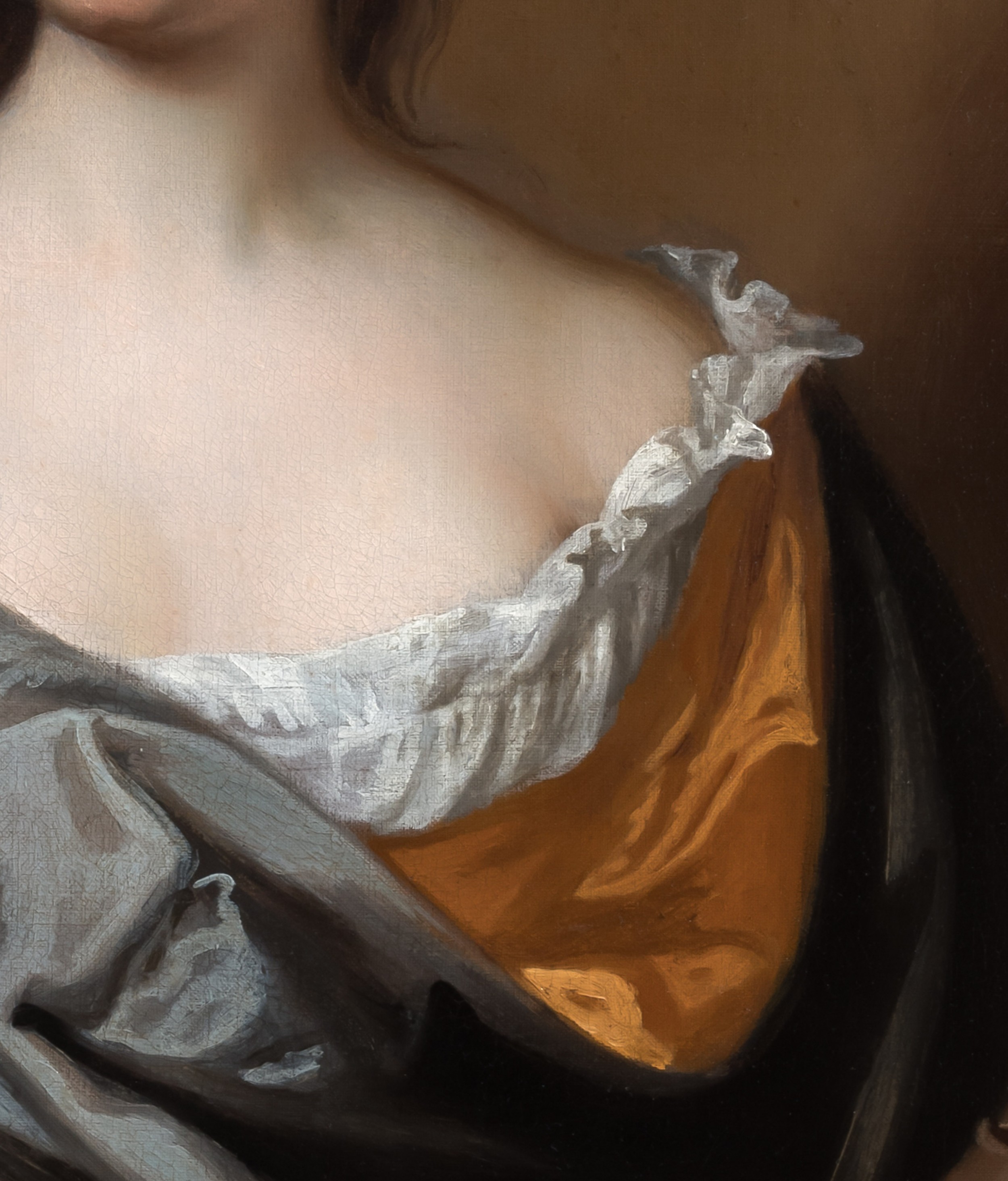
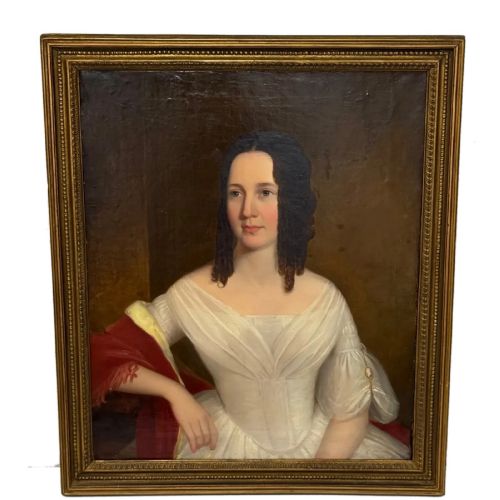
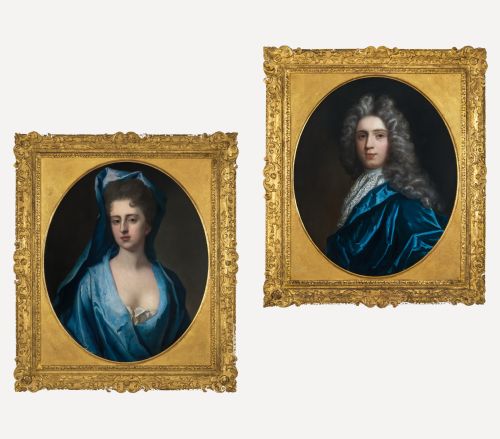
C.1675 Portrait of a Lady in a Russet Dress and Blue Wrap, by Mary Beale, Oil on Canvas