




Antique Art Collector
An antique art collector gathers cabinets, paintings, and curios spanning the nineteenth and twentieth centuries.
Antique Art Collector
When you hunt for an antique art collector piece, you encounter diverse objects ranging from watercolour paintings and oil portraits to specialised cabinets and display cases. The selection includes items designed to house small treasures or exhibit fine works, reflecting varied tastes across centuries.
You are most likely to meet nineteenth-century and early twentieth-century pieces on this page, including Arts and Crafts oak chests, Art Nouveau glass vases, and folk art treen boxes. These items bridge utilitarian storage and decorative display, serving the practical needs of an assembly of curiosities.
The category encompasses both the containers used to hold collections and the artworks themselves, such as original watercolours and bronze sculptures. Each object reflects the collecting habits of past eras, from Victorian display furniture to Edwardian bijouterie cabinets.
Judging the range
Quality reveals itself in the fidelity of execution, such as the brushwork in oil paintings by listed artists or the delicate shading in cameo glass by makers like Galle and Loetz. Superior examples show refined proportions and harmonious integration of decorative elements like inlay or silver gilding.
At the simpler end, utilitarian items such as pine filing drawers and treen containers prioritise function over ornamentation, though their age and honest wear still appeal to those who value authentic period character. The distinction lies in the ambition of the design and the sureness of the maker's hand.
Antique Art Collector Retail Price Guide 2026
Typical asking prices for art collector among the pieces listed under this phrase on Sellingantiques today, from the lower quarter to the upper quarter. They describe what is for sale here now, not the wider market.
Listings feature items spanning the eighteenth, nineteenth, and twentieth centuries, incorporating materials like brass, glass, mahogany, and sterling silver.
P H Vogel & Co·Whytock & Reid·Orivit·Loetz·Galle·Daum
The Antique Art Collector Glossary
- Treen
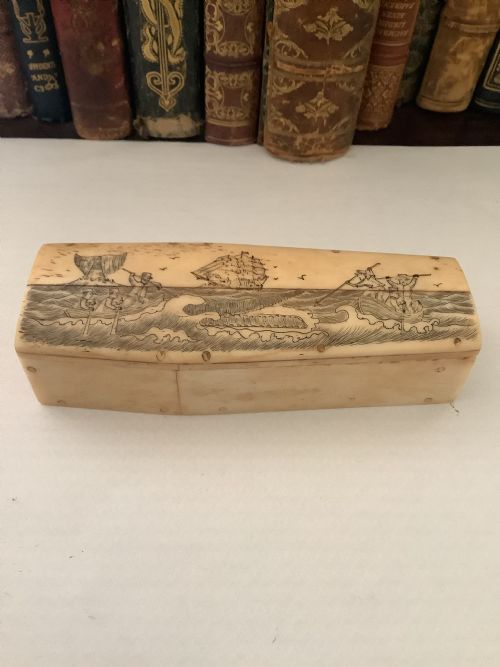
- Small handmade wooden objects of daily use. These items include snuff boxes and small containers shaped by local turners.
- Bijouterie cabinet
- A small glazed display case designed for jewellery and miniature curiosities. These cabinets often feature fine woodwork and tabletop proportions.
- Cameo glass
- Glass vessels created with multiple fused layers that are carved or acid-etched to produce contrasting designs. This technique achieved prominence during the Art Nouveau period.
- Folio cabinet
- A specialised storage unit intended for paper prints, drawings, and watercolours. They provide shallow drawers or vertical racks to keep flat works safe.
- Mafrash
- A woven storage bag or panel originating from nomadic tribes in Central Asia. They typically display geometric tribal patterns in wool.
Antique Art Collector: Frequently Asked Questions
What is a collectors cabinet?
A collectors cabinet is a specialised piece of furniture featuring multiple small drawers or compartments designed to organise and protect small specimens, medals, or curiosities.
These units range from pine filing drawers to inlaid Edwardian bijouterie chests intended for tabletop display.
How do I display small antiques?
Small antiques look best grouped by material or theme within dedicated display cases or on adjustable folio stands that keep items secure and visible.
Using period cabinets with glass panels protects fragile glass and silver objects while allowing natural light to highlight their forms.
How do I date Art Nouveau glass?
Art Nouveau glass generally dates from the late nineteenth century to the early twentieth century, marked by organic motifs and iridescent surfaces.
Examining signature markings on the base and noting cameo carving techniques helps confirm the period of production.
What is folk art treen?
Folk art treen encompasses utilitarian wooden objects carved by regional craftspeople without formal industrial backing.
These items include snuff boxes, nutcrackers, and small containers shaped with simple tools and patinated by decades of handling.