6,976  PAGES BROWSED TODAY PAGES TODAY • 0 ANTIQUES UPLOADED TODAYNEW ARRIVALS
GIFTS
LATEST STOCK
Sort Order
Items Per Page
Browse Categories
Sort order
Relevant Links
Items per page
ID #SA1059490
SOLD
Email Phone
Save
18th Century English Portrait Painting of the Duchess of Bolton, Attributed to Maria Verelst (1680-1744)
Sold by Isherwood Fine Art
sold SA1059490
Sorry, but this item has been sold.
Isherwood Fine Art

Isherwood Fine Art

Sellingantiques Verified Since Oct 2023
Browse dealers 38 items
  • About Us
    16th to 19th century old master, british and european paintings and sculpture, specialising in period portraiture. Member BADA, LAPADA.
  • Trade Associations
    Isherwood Fine Art is a registered member of LAPADA  BADA 
↓ Relevant Links
Id #SA1059490
PDF SHARE
SAVE

18th Century English Portrait Painting of the Duchess of Bolton, Attributed to Maria Verelst (1680-1744)

18th century
Sold 17 March 2025 · Isherwood Fine Art
This “18th Century English Portrait Painting of the Duchess of Bolton, Attributed to Maria Verelst (1680-1744)” found a buyer.

It was listed by Isherwood Fine Art. Sold pieces stay on Sellingantiques as a record of what has passed through, and the next one is rarely far away.

Description

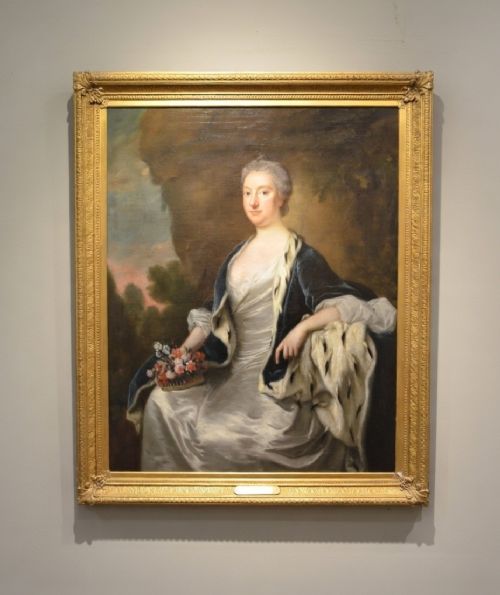
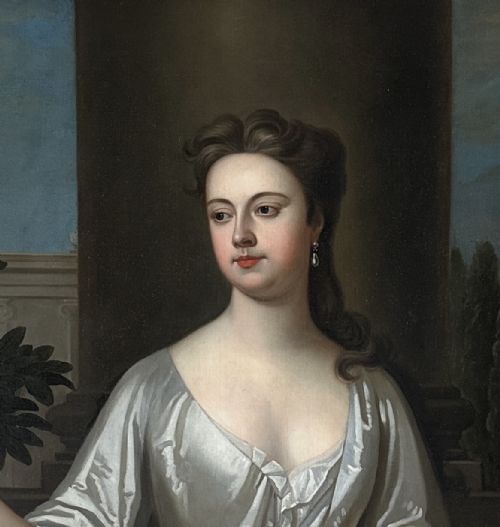
Portrait of Henrietta Paulet, Duchess of Bolton, née Crofts, (c.?1682–1730), three-quarter length, standing on a colonnaded terrace wearing an ivory silk gown and holding a sprig of orange blossom, an Italianate country house and garden in the background.

Oil on canvas, inscribed "Duchess of Bolton 1720" to the verso, housed in a magnificent English period 'Sunderland' frame.

Canvas: 125 x 102cm (49 1/2 x 40 in.)

Henrietta was the eldest daughter of James Scott, 1st Duke of Monmouth (who was the illegitimate son of King Charles II), and Eleanor Needham. Henrietta took the surname of “Crofts” that had been assumed by her father when he was in the care of the Crofts baronets. Her mother’s sister, Jane Myddelton, was one of the celebrated Windsor Beauties. Henrietta became the third wife of Charles Paulet, 2nd Duke of Bolton in Dublin in about 1697, some years after the death of his second wife, Frances.

From 1714 to 1717, the duchess was a Lady of the Bedchamber to the Princess of Wales, Caroline of Ansbach.She was one of the aristocratic female signatories to Thomas Coram’s petition to establish the Foundling Hospital in London, which was presented to King George II in 1735. She signed the petition on 25 April 1729, and Gillian Wagner suggests that the Bolton family members may have signed as a result of their ‘personal experience of illegitimacy in the(ir) family’.

Charles and Henrietta had one son, Lord Nassau.

Maria Verelst (1680-1744) was born in Vienna, moving to London aged three with her father, the artist Herman Verelst (1641-1690) where she became his pupil. She started painting portraits professionally at age fourteen and went on to work alongside other well-known artists including Charles Jervas, William Aikman and John Thornhill. Her portraits were in the similar fashionable 18th style as Godfrey Kneller and Michael Dahl and much of her work remains misattributed to these and other male artists from the period.

There are particular stylistic techniques that Maria liked to use, such as more pronounced and brighter highlights in clothes and drapery and the care she took in placing her sitters within an interesting architectural or garden setting.

Maria was well educated and spoke a number of different languages which no doubt helped her secure patronage. According to an anecdote published in 1730 Maria was once at Drury Lane theatre when she heard some gentlemen nearby praising her in German, she then turned to them and began conversing in the same language before the gentleman switched to Latin, Maria proceeded in Latin and the gentlemen were so impressed that they commissioned their portraits, and through their connections Maria supposedly built up her list of clientele.

Physical Dimensions
Height
125cm (49.21")
Width
102cm (40.16")
Declaration

Isherwood Fine Art has dated this 18th Century Oil Painting to the 18th Century.
Reference Numbers
Sellingantiques Reference
SA1059490
Dealers Notes

Isherwood fine art

Description
Portrait of Henrietta Paulet, Duchess of Bolton, née Crofts, (c.
“
?1682–1730), three-quarter length, standing on a colonnaded terrace wearing an ivory silk gown and holding a sprig of orange blossom, an Italianate country house and garden in the background.
Isherwood Fine Art
fig 1. An 18th-century oil portrait of a woman in a white silk dress, housed in an ornate carved giltwood frame.
fig 1. 18th Century English Portrait Painting of the Duchess of Bolton, Attributed to Maria Verelst (1680-1744)

Oil on canvas, inscribed "Duchess of Bolton 1720" to the verso, housed in a magnificent English period 'Sunderland' frame.

Canvas: 125 x 102cm (49 1/2 x 40 in.)

Henrietta was the eldest daughter of James Scott, 1st Duke of Monmouth (who was the illegitimate son of King Charles II), and Eleanor Needham. Henrietta took the surname of “Crofts” that had been assumed by her father when he was in the care of the Crofts baronets. Her mother’s sister, Jane Myddelton, was one of the celebrated Windsor Beauties. Henrietta became the third wife of Charles Paulet, 2nd Duke of Bolton in Dublin in about 1697, some years after the death of his second wife, Frances.
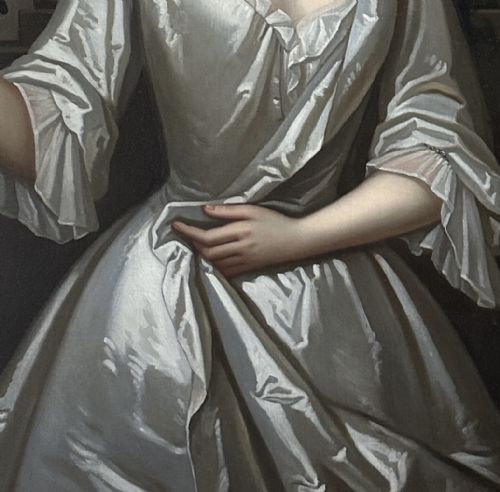
fig 2. An 18th-century oil portrait of a woman in a white silk dress, housed in an ornate carved giltwood frame.
fig 2. 18th Century English Portrait Painting of the Duchess of Bolton, Attributed to Maria Verelst (1680-1744)

From 1714 to 1717, the duchess was a Lady of the Bedchamber to the Princess of Wales, Caroline of Ansbach.She was one of the aristocratic female signatories to Thomas Coram’s petition to establish the Foundling Hospital in London, which was presented to King George II in 1735. She signed the petition on 25 April 1729, and Gillian Wagner suggests that the Bolton family members may have signed as a result of their ‘personal experience of illegitimacy in the(ir) family’.

fig 3. An 18th-century oil portrait of a woman in a white silk dress, housed in an ornate carved giltwood frame.
fig 3. 18th Century English Portrait Painting of the Duchess of Bolton, Attributed to Maria Verelst (1680-1744)

Charles and Henrietta had one son, Lord Nassau.

Maria Verelst (1680-1744) was born in Vienna, moving to London aged three with her father, the artist Herman Verelst (1641-1690) where she became his pupil. She started painting portraits professionally at age fourteen and went on to work alongside other well-known artists including Charles Jervas, William Aikman and John Thornhill. Her portraits were in the similar fashionable 18th style as Godfrey Kneller and Michael Dahl and much of her work remains misattributed to these and other male artists from the period.
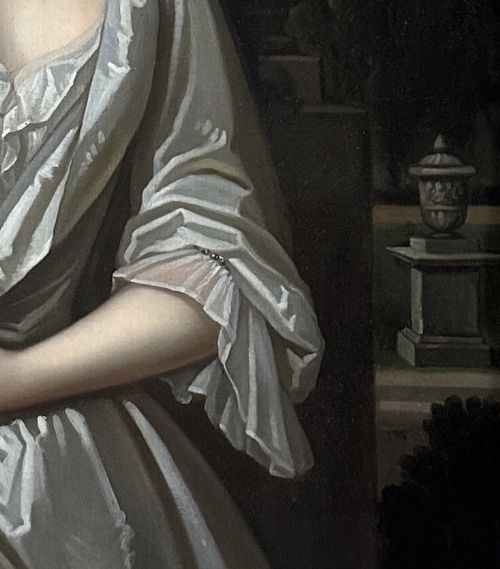
fig 4. An 18th-century oil portrait of a woman in a white silk dress, housed in an ornate carved giltwood frame.
fig 4. 18th Century English Portrait Painting of the Duchess of Bolton, Attributed to Maria Verelst (1680-1744)

There are particular stylistic techniques that Maria liked to use, such as more pronounced and brighter highlights in clothes and drapery and the care she took in placing her sitters within an interesting architectural or garden setting.

Maria was well educated and spoke a number of different languages which no doubt helped her secure patronage. According to an anecdote published in 1730 Maria was once at Drury Lane theatre when she heard some gentlemen nearby praising her in German, she then turned to them and began conversing in the same language before the gentleman switched to Latin, Maria proceeded in Latin and the gentlemen were so impressed that they commissioned their portraits, and through their connections Maria supposedly built up her list of clientele.

Height
125cm (49.21")
Width
102cm (40.16")
Date of Manufacture

Isherwood Fine Art has dated this 18th Century Oil Painting to the 18th Century.

Reference Numbers
Sellingantiques Ref
SA1059490
Isherwood Fine Art
Isherwood Fine Art
Sellingantiques verified Since Oct 2023

16th to 19th century old master, british and european paintings and sculpture, specialising in period portraiture. Member BADA, LAPADA.

Dealer Profile

You can view the stock and full dealer information on the Isherwood Fine Art Profile Page

Trade Associations

Isherwood Fine Art is a registered member of LAPADA  BADA 

PDF SHARE
SAVE
An 18th-century oil portrait of a woman in a white silk dress, housed in an ornate carved giltwood frame. SOLD6+ MONTHS AGO
1 / 5
Archive I An 18th-century oil portrait of a woman in a white silk dress, housed in an ornate carved giltwood frame. SOLD6+ MONTHS AGO

18th Century English Portrait Painting of the Duchess of Bolton, Attributed to Maria Verelst (1680-1744)
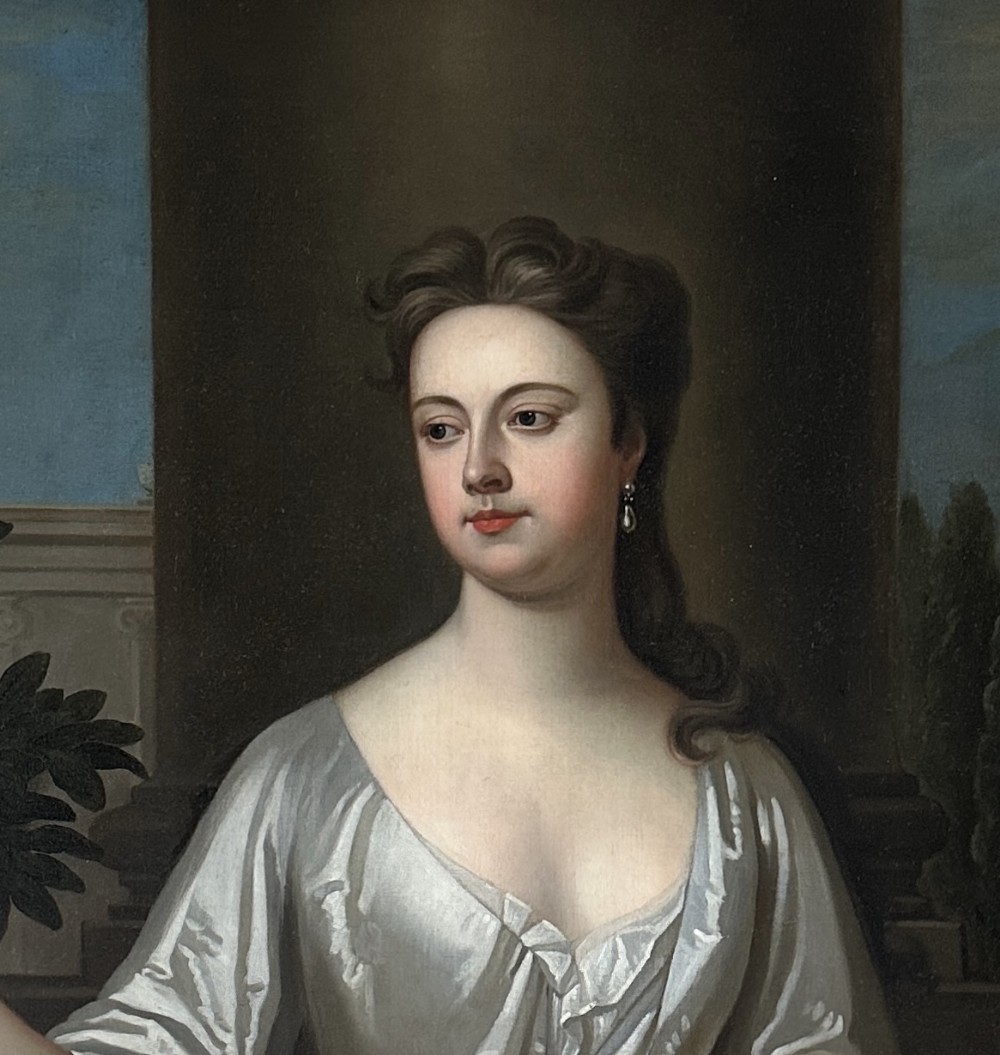
Archive II An 18th-century oil portrait of a woman in a white silk dress, housed in an ornate carved giltwood frame. View II
Archive III An 18th-century oil portrait of a woman in a white silk dress, housed in an ornate carved giltwood frame. View III
Archive IV An 18th-century oil portrait of a woman in a white silk dress, housed in an ornate carved giltwood frame. View IV
Archive V An 18th-century oil portrait of a woman in a white silk dress, housed in an ornate carved giltwood frame. View V
FURTHER BROWSING

Visitors also looked at these ⇣

Enlarged Archival View
Telephone 07984 699799
Location
Bath
Somerset
United Kingdom

By appointment only.

Viewing in London by appointment.
Verified Since Oct 2023
Items For Sale 38
Items Sold 37
Isherwood Fine Art
Isherwood Fine Art
Verified Since Oct 2023
View Dealer Info
Location: Bath, Somerset, United Kingdom, , By appointment only., , Viewing in London by appointment.
Verified
Oct 2023
For Sale
38
Sold
37
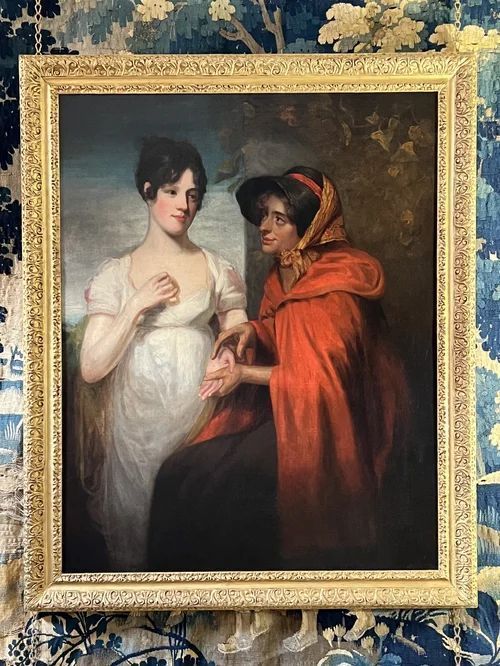
An 18th-century oil portrait of a woman in a white silk dress, housed in an ornate carved giltwood frame.
18th century English portrait painting of the Duchess of Bolton, attributed to Maria Verelst (1680-1744)
Ref: SA1059490
An 18th-century oil portrait of a woman in a white silk dress, housed in an ornate carved giltwood frame.
Detail View 2
Detail View 3
Detail View 4
Detail View 5
Archival Detail
Every single antique dealer on our platform is individually approved by our internal team. We verify their professional trade history, ethical standards, and photographic quality to ensure a secure, high-standard buying environment. Upon joining, every dealer agrees to a strict 9-point code of conduct. While issues can occasionally arise, our dealers typically resolve them swiftly and directly with the buyer. In fact, since our founding in 2002, Sellingantiques has only had to step in to help resolve an issue on roughly five occasions—a true testament to the quality of our dealers and their dedication to your happiness.
Our dealers are highly experienced in packing and shipping fragile, high-value antiques. Because you are in direct contact with the dealer, you will be able to easily go through all available shipping and insurance options together to ensure your item arrives safely.
Antiques are the ultimate green purchase. By choosing historical pieces over newly manufactured goods, you completely eliminate the carbon footprint of modern mass production while preserving exceptional, timeless craftsmanship.
Written by Sellingantiques from the dealer’s photographs and listing
  • ObjectPaintings
  • Period18th century
  • StyleGeorgian
  • MaterialOil paint, canvas, wood, gold leaf
  • ColourGold
  • MotifsCarved gilt frame, Classical drapery, Portrait subject
  • SizeH 125 cm (49 in) x W 102 cm (40 in)

Eighteenth-century portraiture often reflects the artistic conventions of the Georgian era, focusing on aristocratic subjects, classical backdrops, and refined realism captured through oil on canvas.

These works typically utilise hand-woven linen or canvas stretched over wooden stretcher frames, painted with traditional oil pigments, and housed in heavily carved, gilded wooden frames.

Authenticity is assessed by examining canvas ageing, crackquelure patterns in the oil paint, hand- forged nails or wedge joints in the stretcher, and the construction marks of the period gilt frame.

Pairing a historic canvas with minimalist modern surroundings creates a striking visual contrast, often anchored above a fireplace mantel or featured prominently on a dark-painted feature wall.

Maintain stable room temperatures and relative humidity, keep the canvas away from direct sunlight to prevent fading, and consult a professional conservator for cleaning or varnish restoration.
items
Add keywords to the filter
Price
£100
£250000
Era
Period
Style
Material
Origin
Stock Location
Recently Added
Online Payments
Categories