





1700s Portrait Art
1700s portrait art brings historic faces into the room, offering oil paintings and miniatures from the Georgian and Baroque eras.
1700s Portrait Art
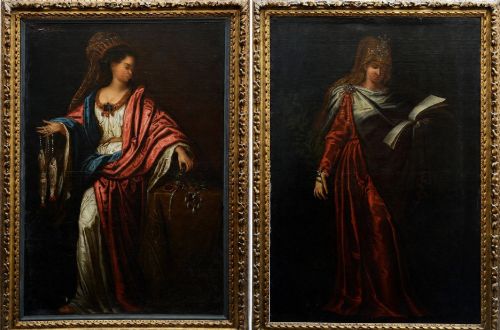
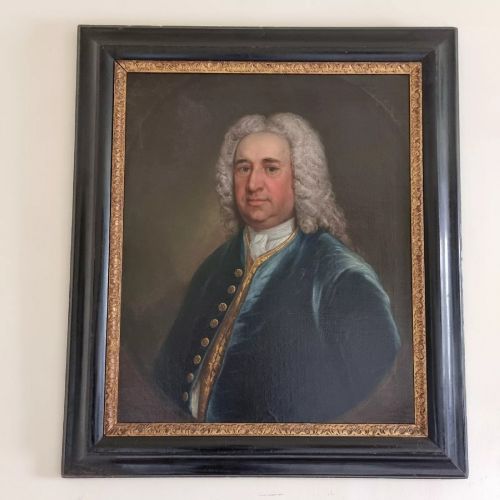
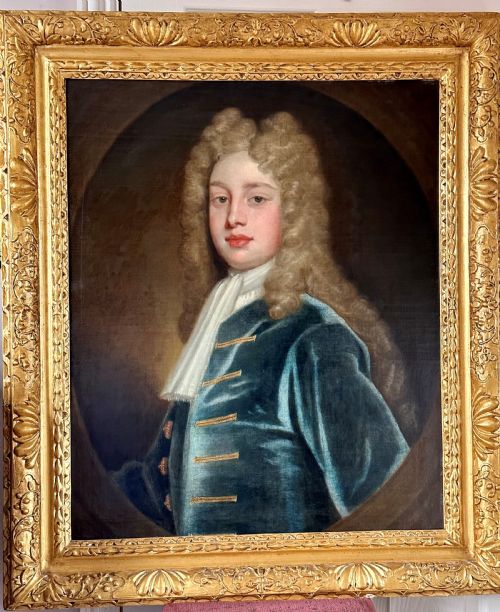
When you search for 1700s portrait art, you encounter oil paintings on canvas and portrait miniatures depicting named sitters, gentlemen, and ladies from the 17th and 18th centuries. The most common form on this page is the oil painting on canvas, frequently housed in giltwood frames.
These works range from grand depictions of figures in armour to intimate portrait miniatures and regional works painted as far away as India. They capture distinct historic personalities through the Georgian and Baroque stylistic traditions.
How they were made
Artists of this period painted primarily in oil on canvas, applying pigments to woven fabric supports that often survive within their original wooden and giltwood frames. Portrait miniatures required finer supports and delicate brushwork to capture minute facial details.
Makers shaped the presentation using carved giltwood, adding ornate borders that complemented the oil paintings. The combination of durable canvas, rich oil paints, and gilded wood frames ensured these historic artworks endured across the centuries.
1700s Portrait Art Retail Price Guide 2026
Typical asking prices for 1700s portrait art among the pieces listed under this phrase on Sellingantiques today, from the lower quarter to the upper quarter. They describe what is for sale here now, not the wider market.
Several gentlemen in these portraits gaze outward wearing heavy azure cloaks and diamond clasps as if braving a draughty historic hall.
What varies in quality
Quality in 1700s portrait art rests upon the precision of the brushwork and the psychological depth the artist brings to the sitter's face. Works by named painters or established studio circles demonstrate superior handling of fabrics like azure cloaks and armour compared to anonymous output.
The preservation of the original canvas surface and the condition of the accompanying giltwood frame influence the overall integrity of the piece. Superior examples retain their original pigments and framing without heavy modern restoration.
Joseph Vivienne·Arthur William Devis·Sir Godfrey Kneller·Fra Galgario·George Dowdney·Andrea Soldi·Bartholomeus Van Burgindis
The 1700s Portrait Art Glossary
- Oil on canvas
- A painting technique using pigment suspended in drying oils applied to a stretched cloth surface. This medium dominates the surviving works from this era.
- Giltwood
- Wood that has been coated with a thin layer of gold leaf or gilt powder. It is the primary material used for the ornate frames enclosing these portraits.
- Baroque
- An artistic style characterised by dramatic movement and deep colour, prevalent in European art during the seventeenth and early eighteenth centuries.
- Georgian
- The period of British history covering the reigns of the four Georges, aligning with the dominant portrait styles seen in these listings.
- Portrait miniature
- A small, highly detailed painting, often executed on a delicate scale. These works capture individual likenesses with remarkable intimacy.
1700s Portrait Art: Frequently Asked Questions
How do I date a 1700s portrait?
Dating relies on the sitter's clothing, the hairstyle, and documentary evidence inscribed on the canvas or frame. Stylistic clues such as Baroque flourishes or Georgian dress styles narrow down the decade.
Comparison with known works by artists active in the same years provides further confirmation of the period.
What is a portrait miniature?
A portrait miniature is a small-scale painting designed for personal intimacy rather than grand wall display. Artists executed these with extreme precision to capture facial likenesses.
They frequently feature notable individuals and were often kept in protective cases or specialised frames.
Are these portraits painted in Britain?
While many originate from the British Isles within the Georgian period, the selections include French School works and portraits painted in India. Continental European influences appear strongly through Baroque traditions.
Each piece reflects the geographical location and artistic school of its creator.
How should I display an oil painting?
Display oil paintings away from direct sunlight and dramatic fluctuations in temperature or humidity to protect the canvas and paint layers. Maintaining stable indoor conditions preserves the original giltwood frame.
Allow adequate wall space so the depth and scale of the portrait can be properly appreciated.