



Yellow Vaseline Glass
Yellow vaseline glass brings a distinctive uranium-reactive glow to interiors, taking the form of oil lamps, vases, lustres and decorative bowls across Victorian and later periods.
Yellow Vaseline Glass
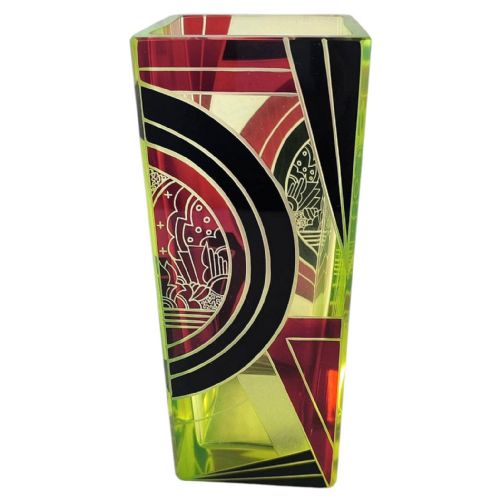
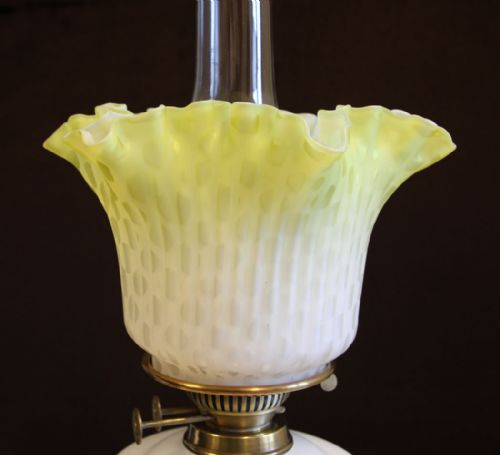
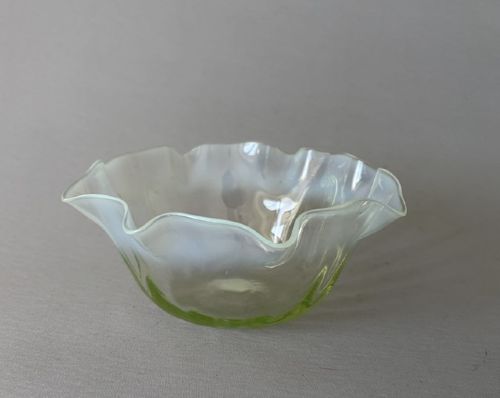
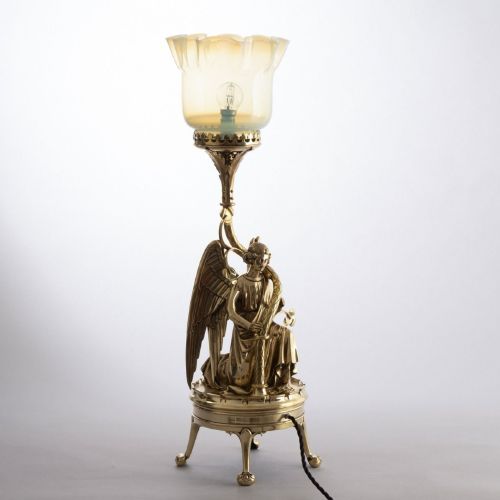
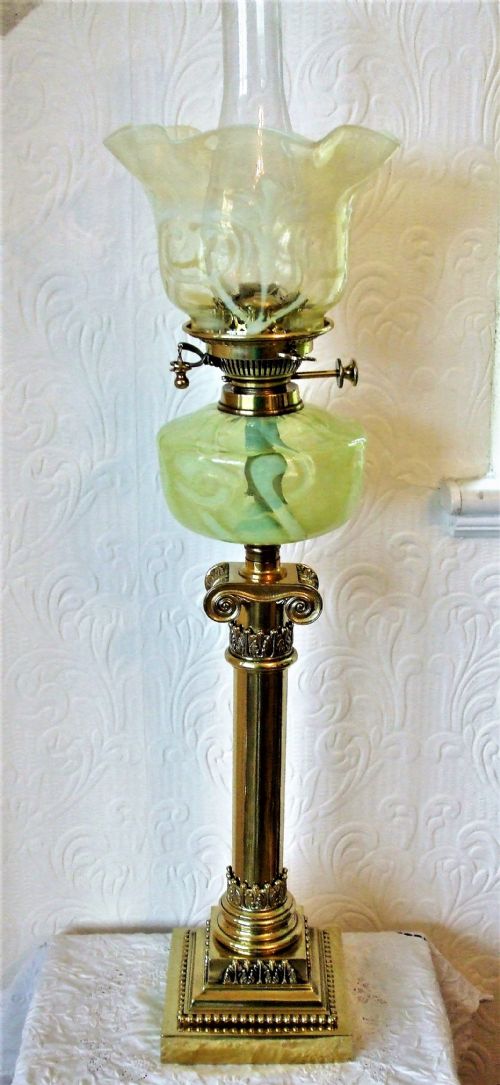
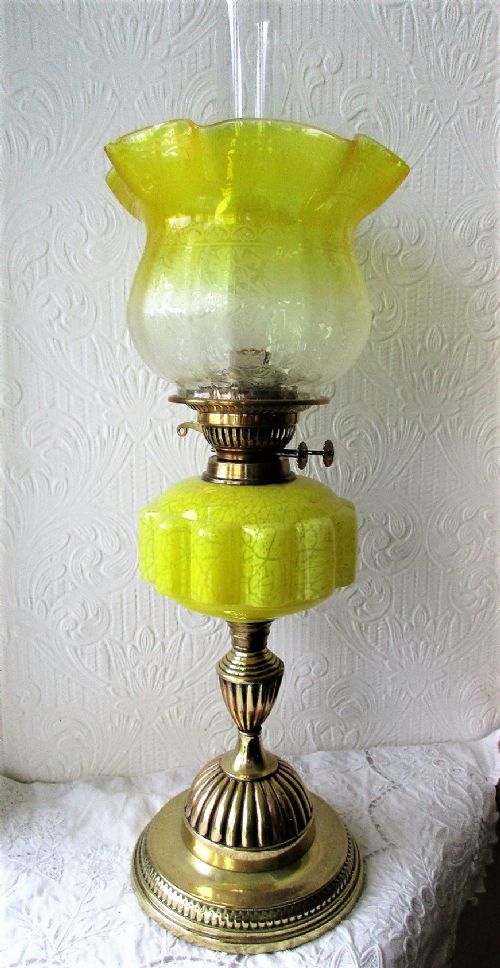
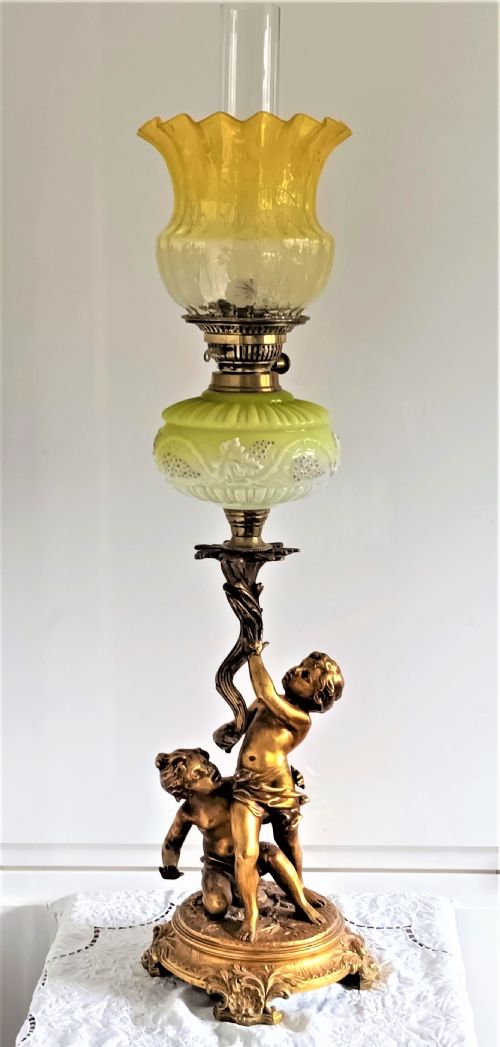
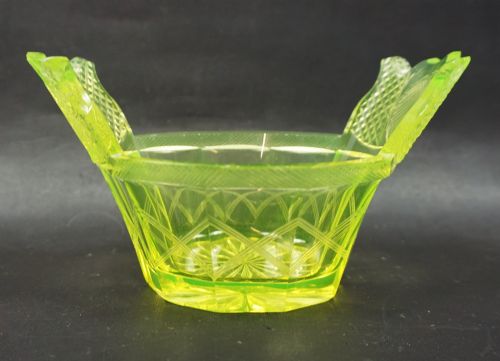
The most common forms you will meet are oil lamps, table lamps, and glass bowls or dishes. These pieces span Victorian, Edwardian, Gothic Revival, Art Nouveau, and Art Deco styles.
Origins represented in the evidence include English, Bohemian, and French production. Makers such as Moser, Karl Palda, and Portieux Vallerysthal appear alongside unmarked examples.
Distinctions in quality
Quality in yellow vaseline glass rests upon the clarity of the material and the crispness of any cut or moulded detail. Pieces that integrate metalwork, such as brass oil lamp columns or silver-plated baskets, depend on the finesse of those mounts.
Makers known for artistry, such as Moser or Karl Palda, display greater refinement in form and decoration than anonymous production. The depth of the characteristic yellow tone and the precision of surface enamel also distinguish finer examples.
Yellow Vaseline Glass Retail Price Guide 2026
Typical asking prices for yellow vaseline glass among the pieces listed under this phrase on Sellingantiques today, from the lower quarter to the upper quarter. They describe what is for sale here now, not the wider market.
Listings span periods from 1800 to 1930, encompassing Victorian, Edwardian, Art Nouveau, and Art Deco styles.
Moser·Karl Palda·Portieux Vallerysthal
The Yellow Vaseline Glass Glossary
- Vaseline glass
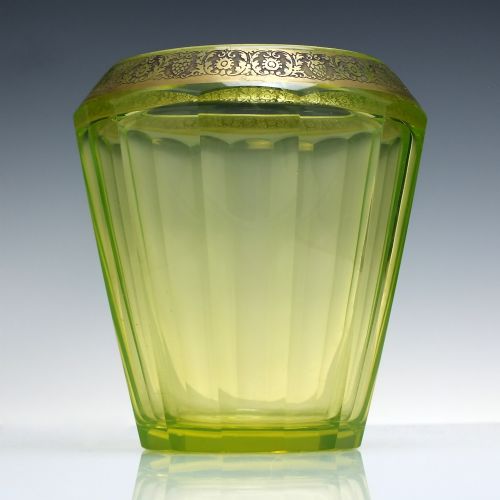
- A type of glass coloured with uranium dioxide, which imparts a yellow or greenish-yellow hue and glows under ultraviolet light. It gained popularity during the nineteenth century.
- Uranium glass
- Glass containing small amounts of uranium, typically added as a clarifying agent or colorant. Vaseline glass is a specific sub-category of this material.
- Lustre
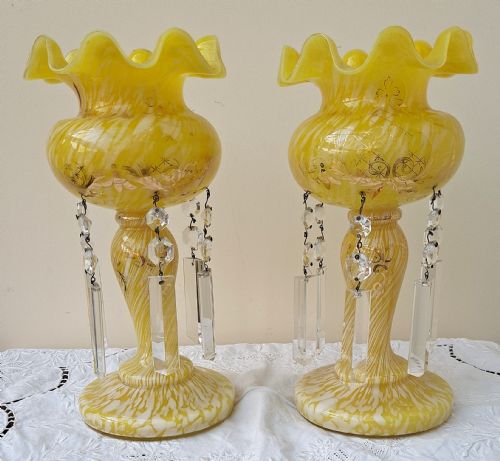
- A decorative glass or porcelain vessel hung with cut crystal prisms, designed to reflect candlelight or gaslight. These often appear in pairs on Victorian mantelpieces.
- Bonbon dish
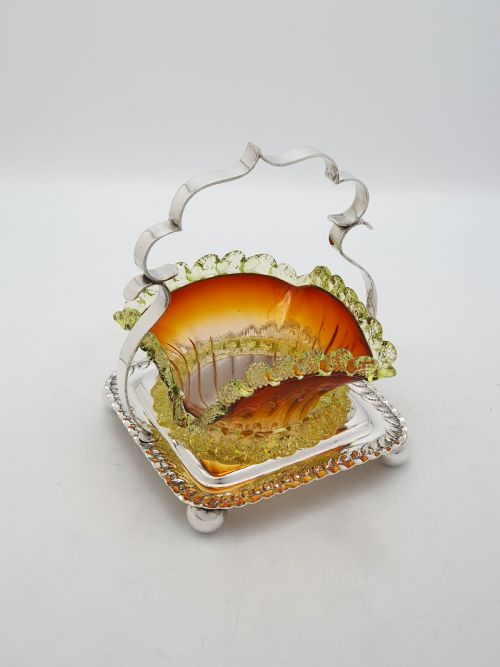
- A small open vessel intended for sweets or confectionary, frequently combining a coloured glass liner with a silver-plated or brass stand.
- Cornucopia vase
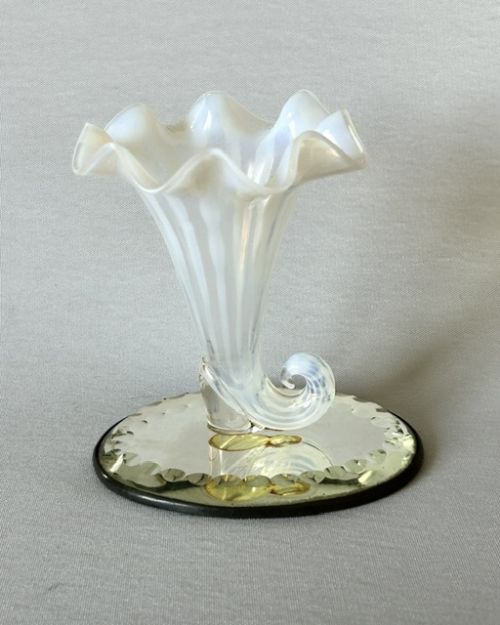
- A horn-shaped vessel traditionally symbolizing abundance, rendered in glassware during the Victorian period for holding floral displays.
Yellow Vaseline Glass: Frequently Asked Questions
How do I know if it is real vaseline glass?
Real vaseline glass exhibits a distinct transparent or translucent yellow colour that reacts to ultraviolet light due to its uranium content.
While natural light reveals a warm yellow shade, inspection under UV light produces a bright green glow.
What periods do these pieces come from?
The pieces span from the early nineteenth century through the Victorian and Edwardian eras up to the 1930s.
Victorian and Edwardian examples make up the majority of the items found here.
How were oil lamps constructed?
Period oil lamps typically combine a moulded glass font with a heavy brass or gilded metal base.
Many English examples utilise columns and burners produced by known manufacturers of the era.
How should I clean and display them?
Wash these items gently in warm soapy water using a soft cloth, avoiding harsh abrasives that might scratch the surface.
Display them near natural light or where appropriate lighting can highlight their translucent quality and colour.