

Antique Glass Drops
Antique glass drops catch the light and complete chandeliers, wall lights and mantel lustres from the nineteenth and early twentieth centuries.
Antique Glass Drops
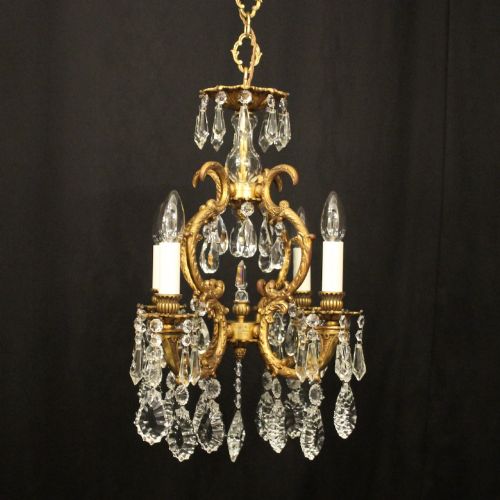
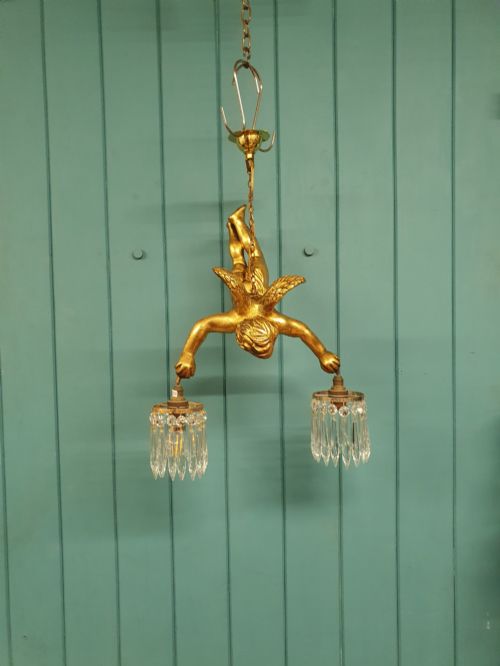
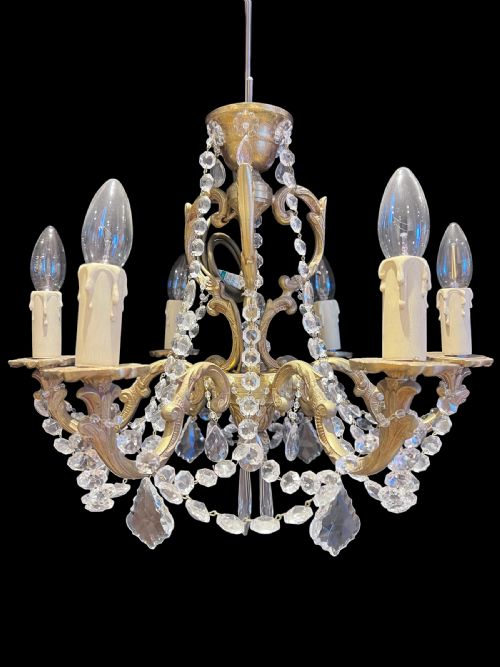
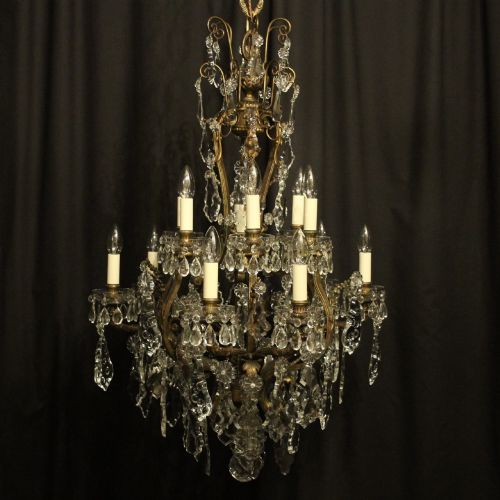
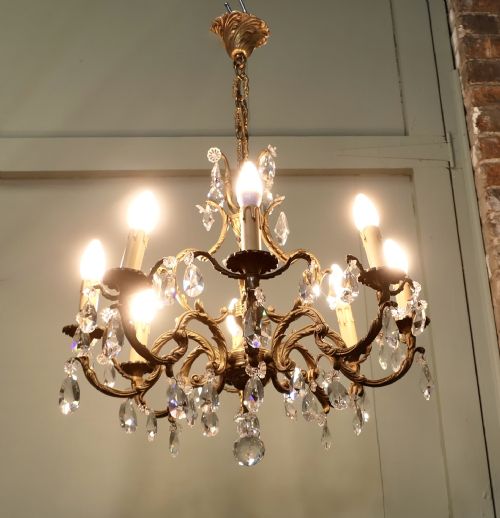
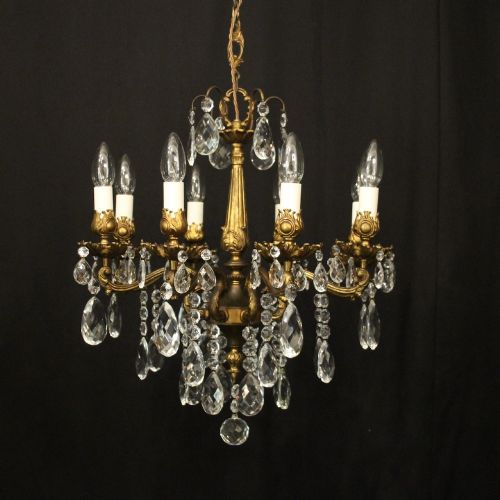
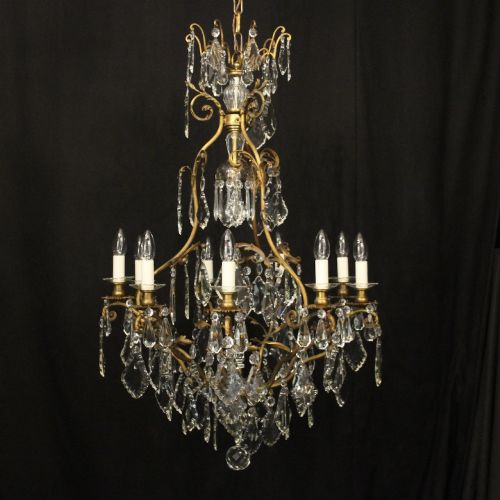
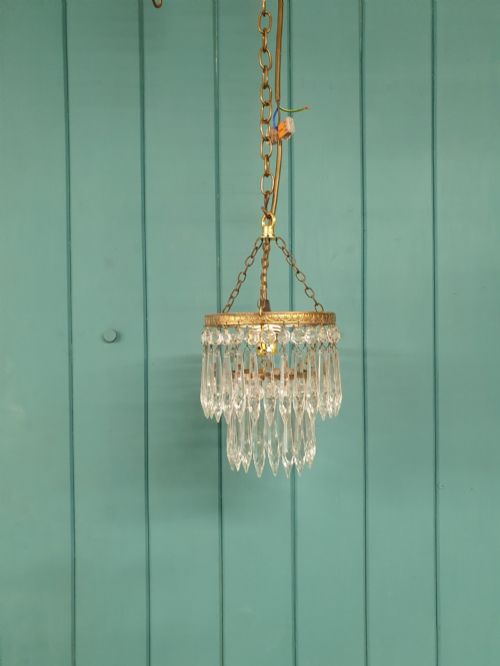
Antique glass drops form the dangling ornaments found on chandeliers, wall lights, pendant lights, and mantel lustres across periods such as Victorian, Edwardian, and Art Deco. Buyers looking for antique glass drops typically encounter components removed from larger light fittings or complete hanging prisms integrated into French Empire, French Rococo, and Venetian lighting designs.
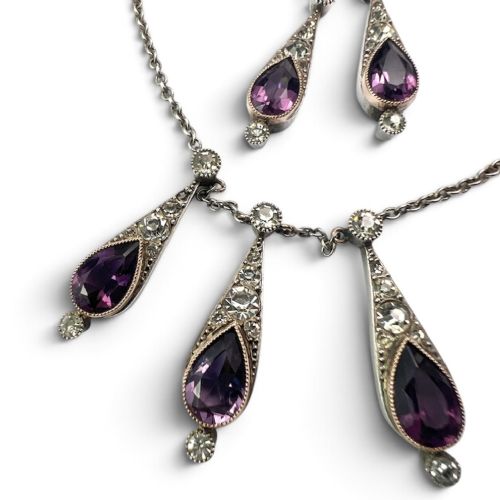
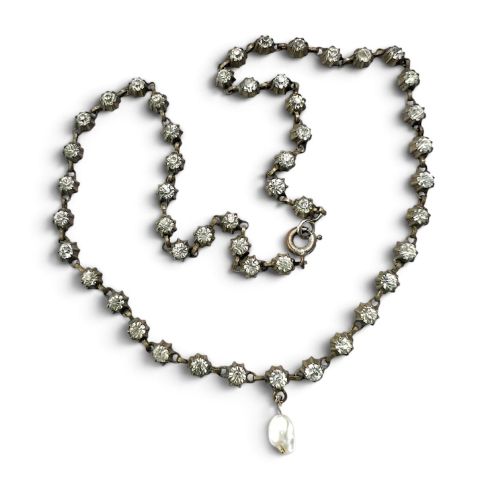
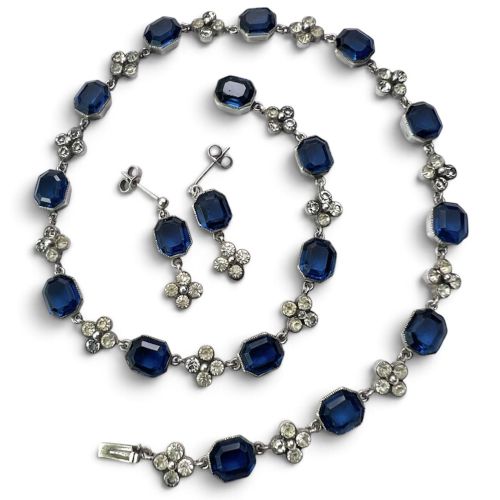
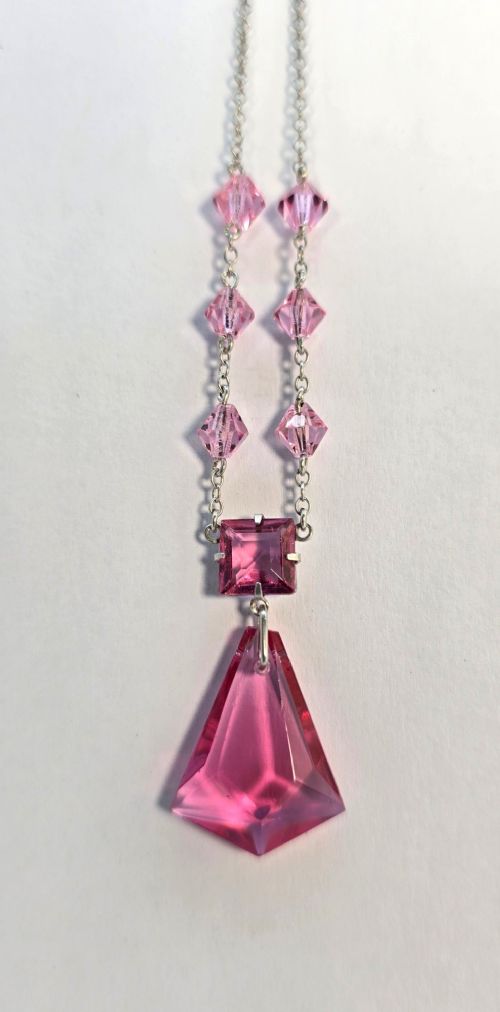
The selection ranges from nineteenth-century cut glass and crystal prisms to coloured crystal components and paste glass jewellery pieces like necklaces and earrings. Most examples originate from the 1890s through the 1930s, reflecting styles from French Chateau to early twentieth-century industrial aesthetics.
Materials and construction
Makers utilised glass, crystal, cut glass, paste glass, and enamel alongside structural mounts of brass, silver, gold, and bronze. Individual drops were shaped by hand or moulded, then faceted by wheel-cutting to maximise refraction.
Metal elements such as brass and gilt bronze provide the frames and wiring mounts, while wire pins secure the glass drops to chandeliers and mantle lustres.
Listings feature items from the Victorian, Edwardian, and Art Deco periods, incorporating materials such as crystal, brass, paste glass, and silver.
Assessing quality
Quality rests in the clarity of the glass and the precision of the facet cutting. Superior pieces exhibit sharp, clean edges on the cut glass and consistent colour saturation in pink, amethyst, or green variants.
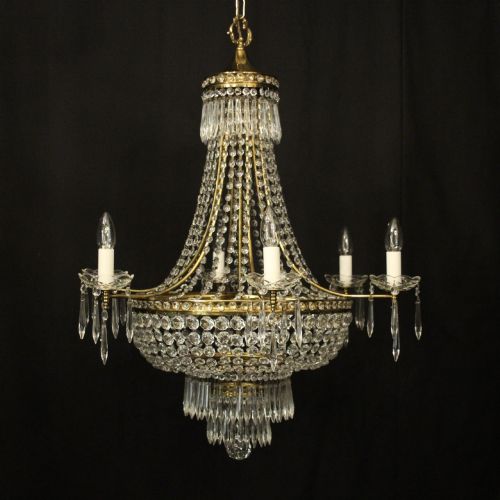
The integration of the metal mountings, whether silver, brass, or gilt bronze, dictates the overall refinement of the piece alongside the complexity of the drop configuration, such as tent and waterfall arrangements.
The Antique Glass Drops Glossary
- Cut glass
- Glass shaped and patterned by abrasive wheels. This technique produces sharp facets that scatter light effectively.
- Paste glass
- Hand-cut glass used to imitate gemstones in jewellery. It is set in silver or gold alongside pearls and synthetic rubies.
- Mantel lustre
- A decorative tabletop ornament hung with glass prisms. These pieces sit on mantelpieces and reflect candlelight.
- Tent and waterfall
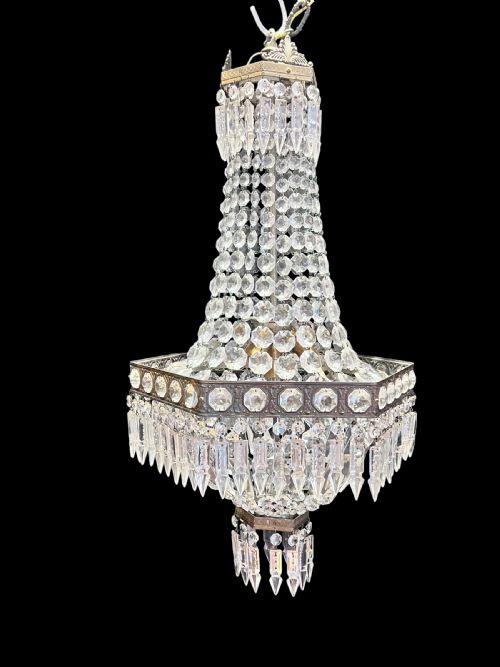
- A chandelier configuration featuring an upper tent of strung beads cascading into a wider waterfall of drops. This style dominates early twentieth-century French lighting.
- Coffin prisms
- Flat, elongated glass drops with bevelled edges. They hang from chandeliers and wall lights to refract illumination.
Antique Glass Drops: Frequently Asked Questions
What are antique glass drops used for?
Antique glass drops serve as replacement prisms for chandeliers, wall lights, and mantel lustres. They hang from metal frames to refract light into colourful patterns.
Buyers also find them incorporated into period jewellery sets, including necklaces and earrings featuring paste glass.
How do I identify Victorian glass drops?
Victorian glass drops often appear on mantel lustres and ornate chandeliers from the nineteenth century. They include coloured glass varieties such as green and uranium glass paired with large crystal cuts.
Construction from this era typically involves heavier hand-cut glass and traditional brass or bronze mountings.
What is the difference between glass and crystal drops?
Crystal contains lead oxide, which increases its weight, refractive index, and ability to disperse light into spectral colours. Standard glass lacks this lead content and appears lighter.
Both materials appear extensively across Edwardian and Art Deco lighting fixtures.
Can I hang drops on modern light fittings?
Hanging antique drops on modern fixtures requires matching the suspension loops and wire gauge. Many buyers source individual drops to restore incomplete period chandeliers.
Careful measurement of the existing pin holes ensures the replacement drops fit the original brass or bronze framework.