


Yellow Textile Hanging
A yellow textile hanging brings warmth and colour to a room through centuries of hand-stitched silk and cotton.
Yellow Textile Hanging
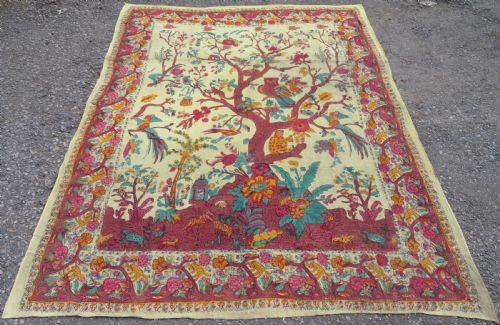
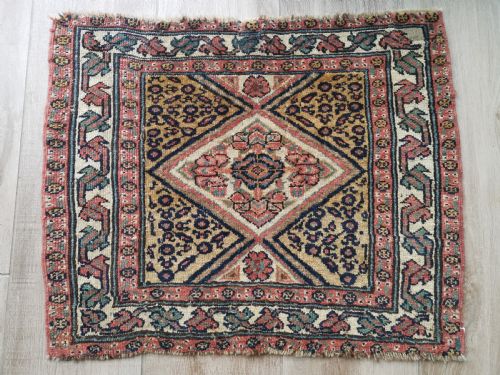
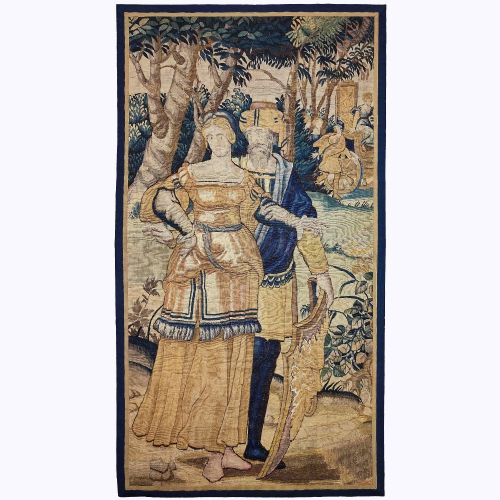
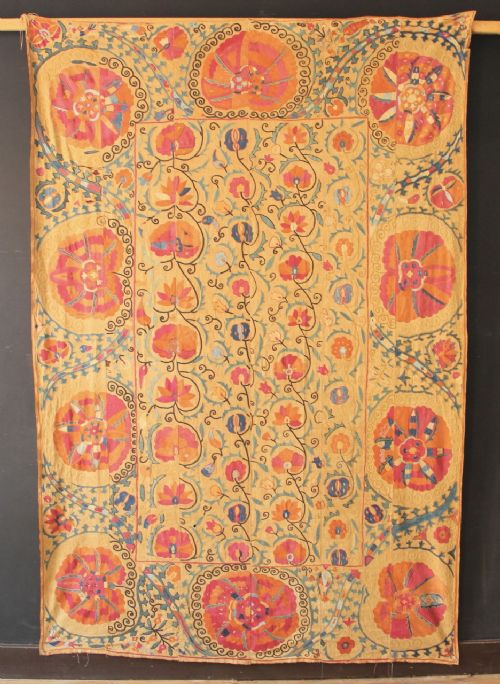
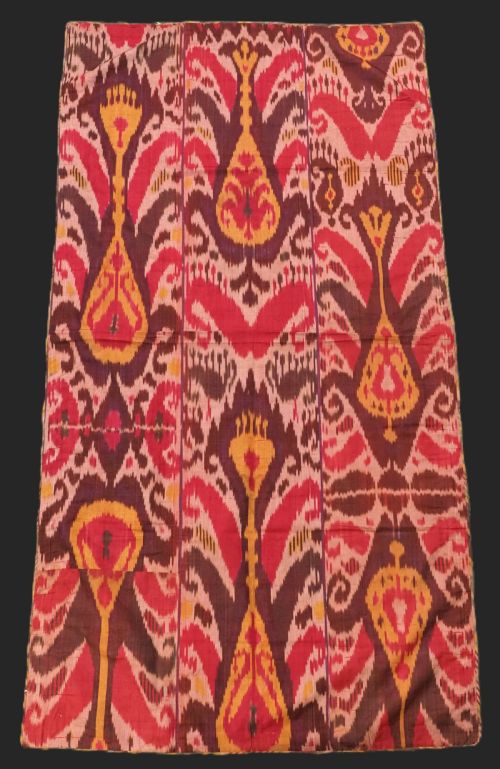
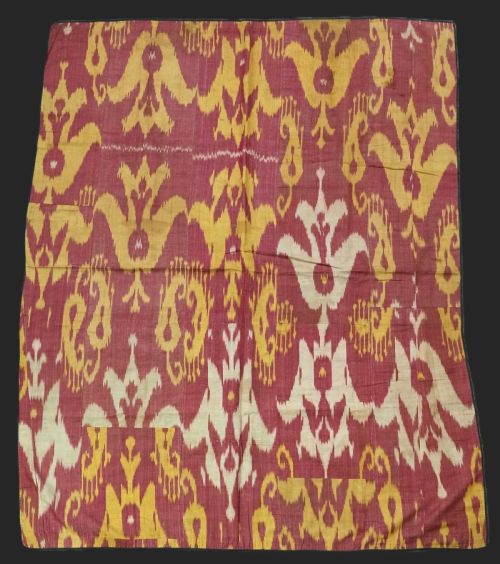
When searching for a yellow textile hanging, buyers encounter historic wall panels, embroideries, and tapestries originating from diverse traditions. These pieces include Uzbek suzanis on yellow cotton grounds, Central Asian ikat panels, and European tapestries.
The selections available span multiple centuries, from sixteenth-century Flemish panels to twentieth-century English fabric wall panels and Indian bed covers. Suzanis designed for wall display and dowry use appear frequently among these furnishings.
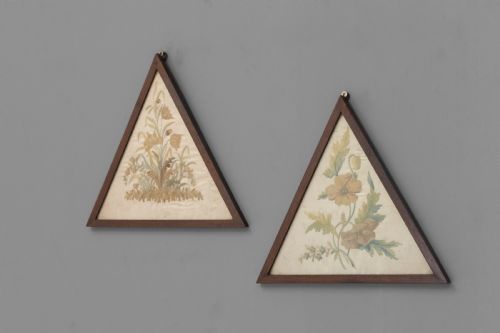
Formats range from prayer suzanis and palampores to full-size embroidered panels and framed fabric remnants. Each object serves as a decorative wall hanging reflecting its regional textile heritage.
How they were made
Artisans constructed these works primarily using natural fibres such as silk, cotton, wool, and linen. Embroiderers utilised silk threads stitched onto woven cotton or linen grounds, frequently employing natural dyes to achieve rich hues.
Techniques varied by region, encompassing complex ikat resist-dyeing methods where threads were bound and dyed before weaving, alongside intricate needlework tapestries and surface embroidery.
Several gentleman's coats known as khalats survived the journey from Central Asia to find new life as decorative wall hangings.
What varies in quality
Quality rests in the density of the embroidery and the precision of the pattern execution, whether in an ikat panel or a suzani. Full embroidery work and complex repeat designs demand significantly greater skill than sparse motifs.
The vibrancy and retention of natural dyes across silk and cotton grounds distinguish finer examples, alongside the integrity of the base fabric and the survival of early textile structures.
The Yellow Textile Hanging Glossary
- Ikat
- A dyeing technique where yarns are pattern-dyed before being woven into fabric. This process creates characteristic blurred edges along the motifs.
- Palampore
- A large hand-painted or printed cotton bed cover or hanging originating from India. They often feature elaborate floral and tree-of-life designs.
- Tapestry
- A form of textile art woven by hand on a vertical loom. European examples often depict verdure scenes or historical narratives using wool and silk.
- Adras
- A traditional fabric woven from a mixture of silk and cotton yarns. It provides a sturdy yet lustrous ground for Central Asian ikat patterns.
Yellow Textile Hanging: Frequently Asked Questions
How were yellow textile hangings used historically?
These textiles served primarily as interior furnishings, wall decorations, and ceremonial dowry pieces within homes. Uzbek suzanis and European tapestries added insulation and visual richness to living spaces.
In many traditions, specific formats like prayer suzanis or dowry ilgichs held symbolic meanings and marked important family milestones.
How do I care for an antique textile hanging?
Display these delicate silk and cotton pieces away from direct sunlight to prevent natural dyes from fading. Support the weight evenly across the top edge if mounting on a wall.
Professional textile conservators should handle any cleaning or restoration work to protect fragile historic fibres.
How can I tell the age of a textile hanging?
Age is determined by examining the materials, dye types, stitching techniques, and regional stylistic markers. Natural dyes and hand-spun silk or cotton threads often point to nineteenth-century or earlier production.
Comparing structural details and motifs with documented examples helps narrow down the period of origin.
What is the difference between a suzani and an ikat?
A suzani is an embroidered textile featuring needlework applied to a woven ground fabric by hand. Artisans stitch motifs such as medallions and floral sprays directly onto the surface.
An ikat is defined by its woven pattern, where yarns are tie-dyed prior to the weaving process itself to form geometric or flame-like designs.