






Yellow Silk Tapestry
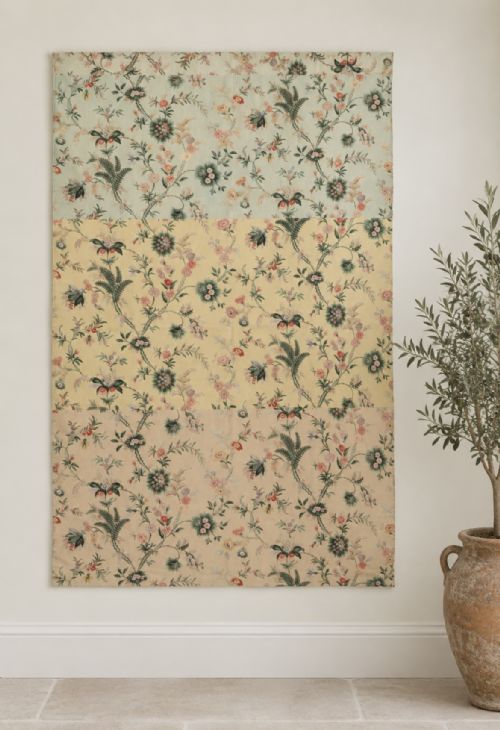
Yellow silk tapestry brings together rich wall hangings, framed panels and embroidered textiles spanning centuries.

Yellow Silk Tapestry
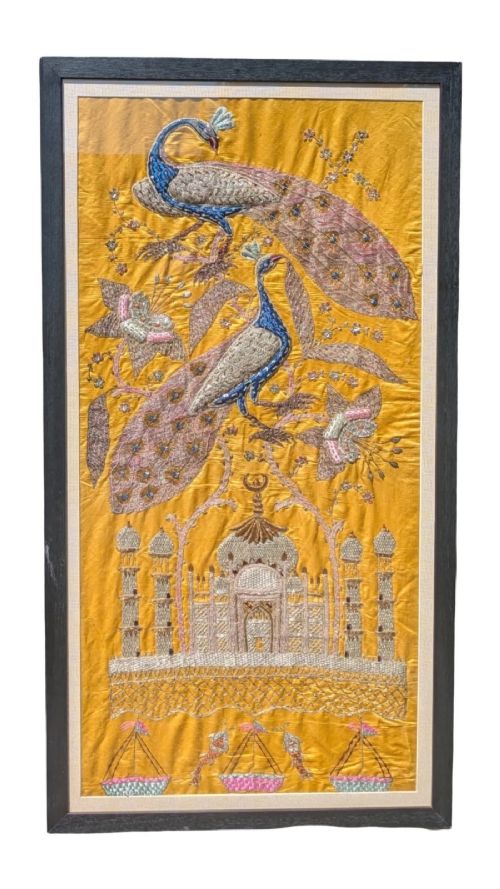
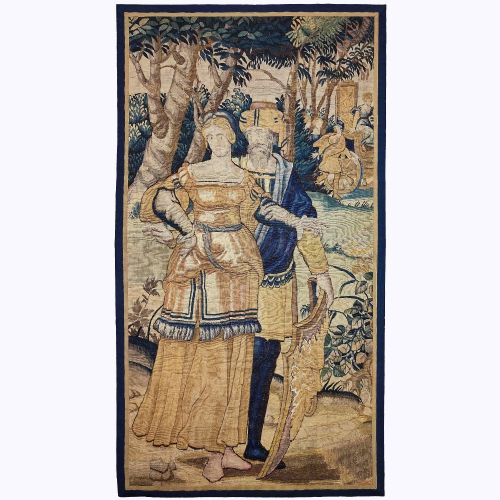
When you search for yellow silk tapestry, you encounter a diverse selection of wall hangings, framed textiles and embroidered panels from multiple regions and eras. The inventory stretches from sixteenth and seventeenth-century European verdure and Flemish works to nineteenth and twentieth-century Central Asian and Indian creations.
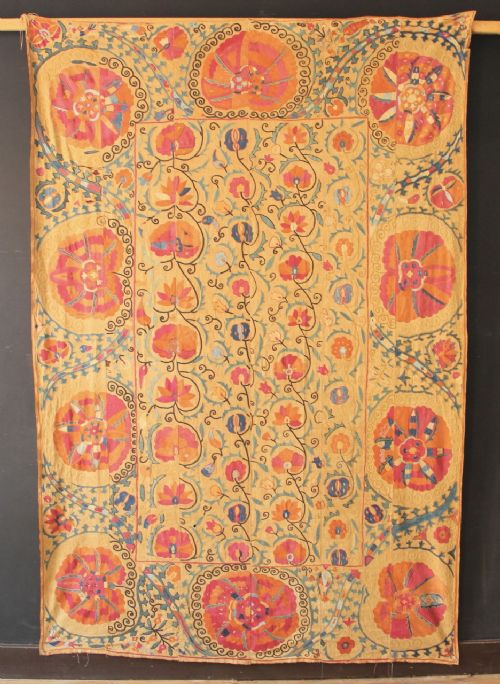
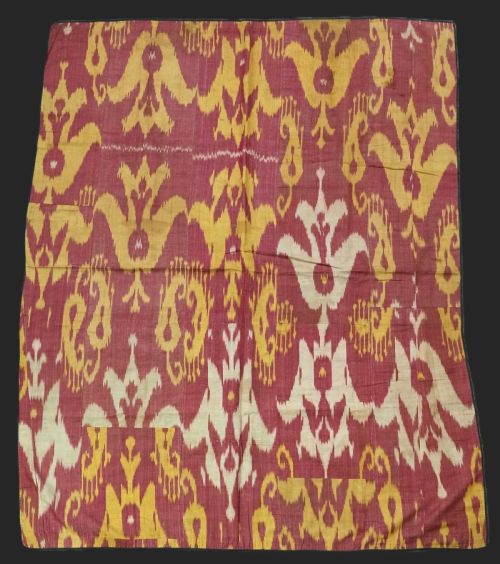
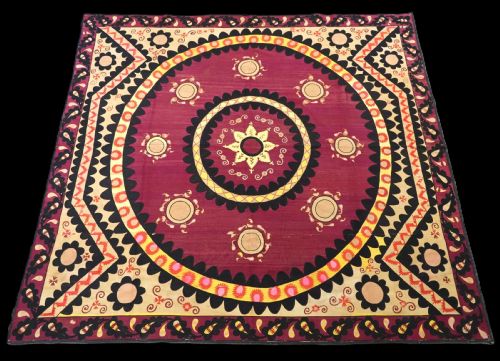
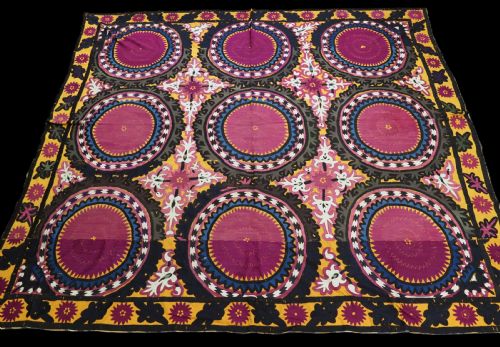
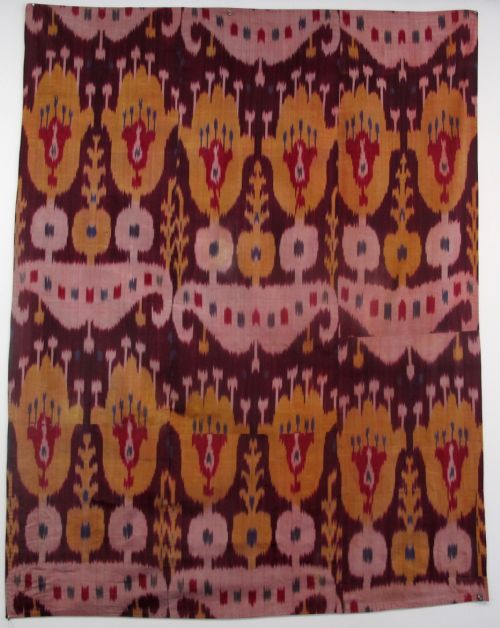
You are most likely to meet Uzbek suzanis featuring silk embroidery on a yellow cotton ground, alongside ikat panels and Indian embroideries. These textiles serve primarily as wall hangings and decorative panels that bring distinct texture and heritage into an interior.
The selection encompasses tribal dowry embroideries, prayer formats and large medallion variants, showing the broad reach of textile traditions. Each piece represents a specific cultural approach to fabric ornamentation, whether through European weaving or Central Asian needlework.
How they were made
Makers utilised natural materials including silk, cotton, wool and metallic thread, often combining them within a single textile. Silk embroidery threads provide lustrous detail on woven cotton grounds or support complex pictorial scenes.
European examples employ traditional tapestry weaving techniques with wool and silk to build verdure landscapes and figurative compositions. Central Asian and Indian pieces rely heavily on needlework and ikat dyeing methods, creating patterns through skilled manipulation of dyed threads.
Listings span from the 16th century through the 1930s, incorporating silk, cotton, wool, metallic thread, wood, and glass.
What varies in quality
Quality depends upon the fineness of the needlework or weave and the complexity of the design layout. Fully embroidered suzanis and intricate Flemish panels demonstrate a higher degree of artisan labour than simpler regional variations.
The vibrancy and preservation of the materials also determine the standing of a piece. Well-maintained silk threads and stable ground fabrics retain their visual impact, distinguishing superior examples from heavily worn or faded alternatives.
The Yellow Silk Tapestry Glossary
- Suzani
- An embroidered tribal textile originating from Uzbekistan and surrounding regions, typically featuring large floral or medallion motifs worked in silk on a cotton or linen ground.
- Ikat
- A dyeing technique where yarn is tie-dyed before being woven into fabric, creating distinctive feathered pattern edges.
- Verdure tapestry
- A European wall hanging dominated by stylized foliage, trees, and landscape elements, frequently produced in Flanders during the sixteenth and seventeenth centuries.
- Palak
- A fully embroidered Uzbek suzanitype densely covered in large circular or disc motifs.
- Ilgich
- A small embroidered hanging produced by the Lakai tribe in Central Asia, often used as dowry items.
Yellow Silk Tapestry: Frequently Asked Questions
Where should I hang a textile panel?
These pieces suit placement on large, unbroken wall spaces in reception rooms or hallways where their scale and texture can be fully appreciated. Avoid positioning them in direct sunlight to protect the silk fibres and dyed grounds from fading over time.
Secure the textile using a proper mounting method, such as a concealed sleeve or a specialised frame with conservation-grade backing. This distributes the weight evenly and prevents strain on the historical fabric.
How do I care for antique silk embroidery?
Maintain the textile by gently removing surface dust with a soft brush on a regular basis. Keep the environment stable in terms of humidity and temperature to prevent the natural fibres from becoming brittle.
Professional textile conservators should handle any significant cleaning or repair work. Avoid using water or chemical cleaners directly on the silk and cotton materials.
How can I tell European tapestries from Central Asian suzanis?
European works from the sixteenth and seventeenth centuries are typically woven tapestries depicting verdant landscapes, architectural elements or figurative scenes using wool and silk threads. They rely on the loom for their imagery rather than surface needlework.
Central Asian suzanis and ikats are primarily embroidered or resist-dyed textiles created on cotton foundations. Their designs emphasise bold floral medallions, geometric arrangements and vibrant regional motifs rather than European pastoral narratives.