
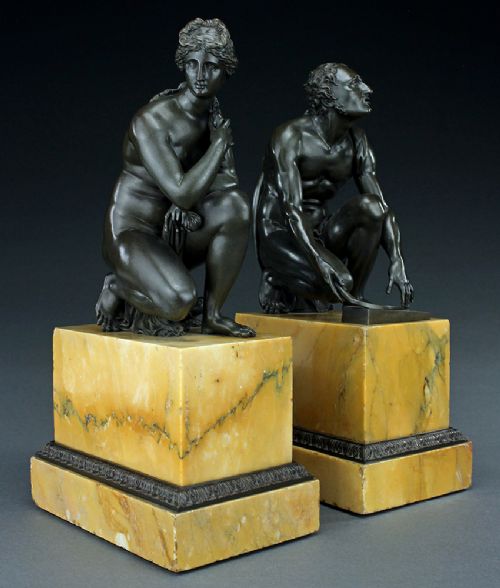

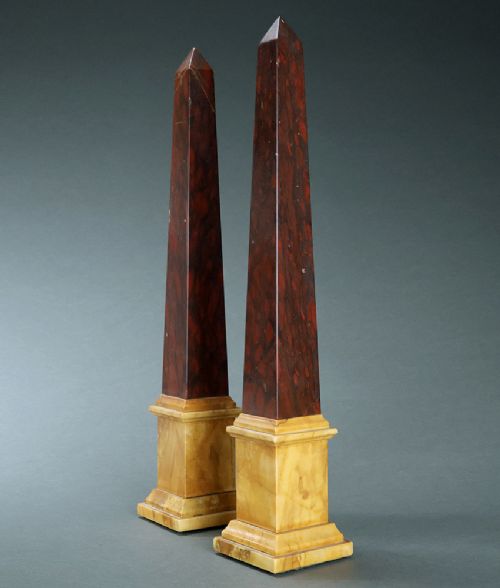


Yellow Marble Plinth
These yellow marble plinth pieces bring classical dignity to any room, offering a sturdy stage for sculpture and display.
Yellow Marble Plinth
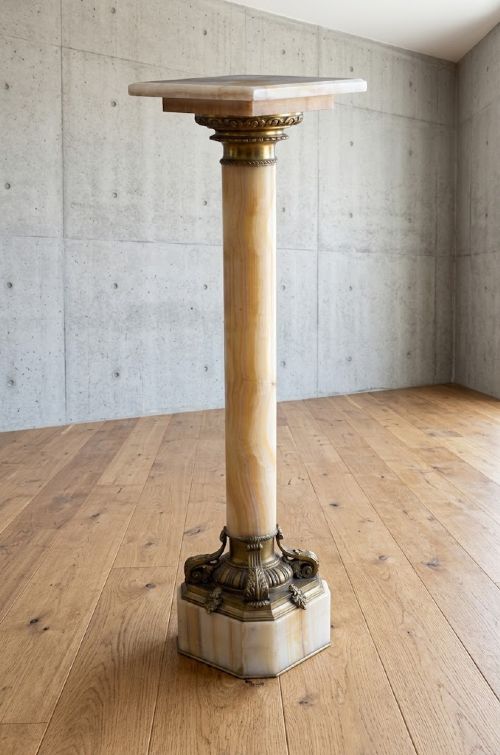
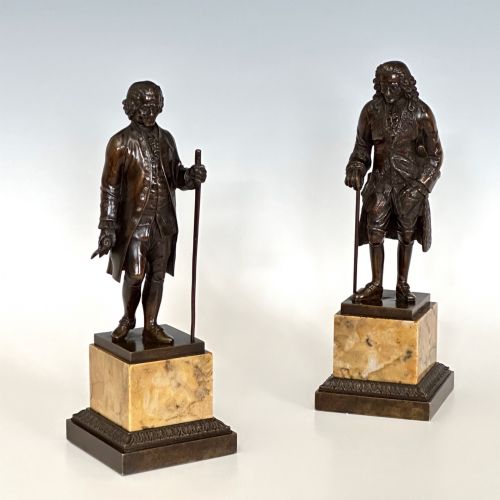
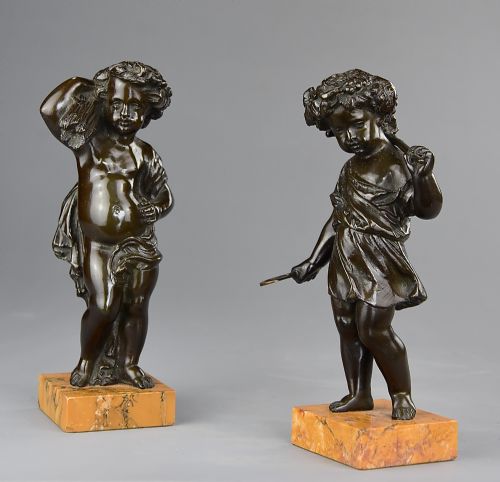
When you search for a yellow marble plinth, you are looking at architectural columns, pedestals, and statue bases derived from nineteenth-century Neoclassical and French Empire styles. These items elevate busts, bronzes, and urns to eye level, functioning as independent sculptural objects in their own right.
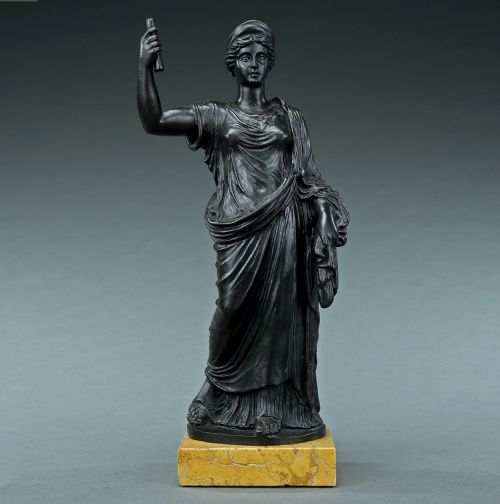
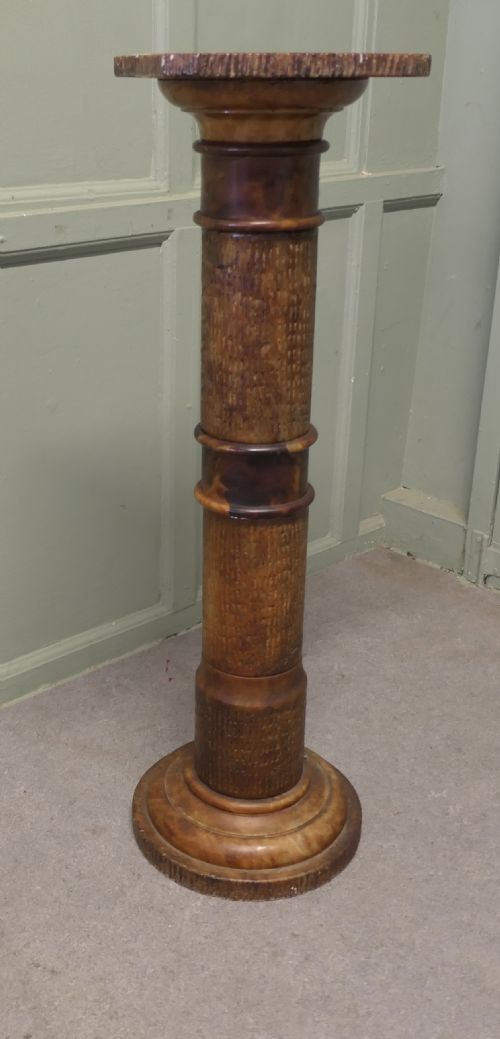
The selections available here range from solid Siena and honey-coloured marble columns to faux painted wood and scagliola substitutes. Most examples date from the nineteenth century, including Victorian and French Restauration periods, designed to display decorative objects or pair with bronze figures.
How they were made
Makers shaped natural stones like Siena marble and onyx on lathes or by hand, often incorporating cast or chased ormolu collars and mounts. These metal elements secured the stone sections and added decorative contrast to the warm yellow ground of the mineral.
Alternative items utilise painted wood, plaster, or scagliola to imitate the appearance of costly quarried stone. Artisans built up these faux surfaces with layered pigments and varnishes to replicate natural veining.
Yellow Marble Plinth Retail Price Guide 2026
Typical asking prices for yellow marble plinth among the pieces listed under this phrase on Sellingantiques today, from the lower quarter to the upper quarter. They describe what is for sale here now, not the wider market.
What varies in quality
Quality rests on the depth of the stone's natural figure and the crispness of any applied bronze or ormolu work. Solid quarried marble and onyx display complex, varied mineral deposits that contrast sharply with simpler painted imitations.
The precision of the turning and the weight of the assembly determine the stability and visual authority of the column. Heavier, tightly fitted joints and finely chiselled metal mounts separate superior display stands from utility items.
The Yellow Marble Plinth Glossary
- Siena Marble
- A distinctive yellow Italian marble featuring deep purple or brown veining. It was highly favored during the Neoclassical period for pedestals and decorative objects.
- Ormolu
- Gilded bronze used for mounts, collars, and decorative accents on furniture and pedestals. The technique involves applying a mercury-gold amalgam to cast bronze.
- Scagliola
- A composite material made from selenite, glue, and pigments, mixed to imitate marble and other fine stones. Artisans inlay and polish it to achieve a stone-like finish.
- Tazza
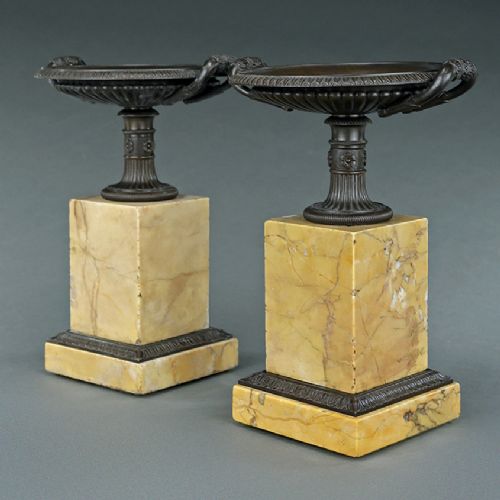
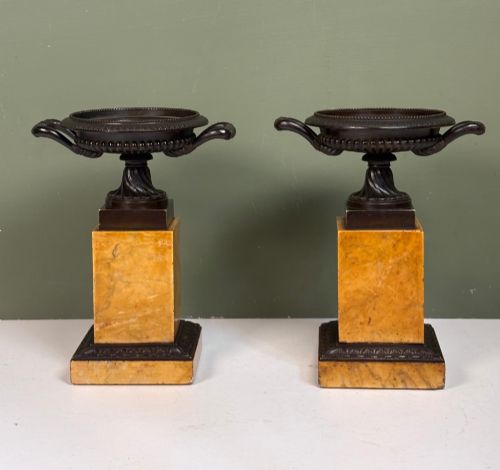
- A shallow cup or vase on a standard and foot, often paired with marble plinths or columns in nineteenth-century interiors.
- Grand Tour
- The nineteenth-century practice of cultural travel across Europe, yielding souvenir bronzes, marble columns, and obelisks for domestic display.
Yellow Marble Plinth: Frequently Asked Questions
What is a yellow marble plinth used for?
These columns and pedestals serve as display stands for bronze sculptures, busts, vases, and decorative objects. They elevate art pieces to eye level within a room.
Historically, they formed part of classical interior schemes designed to showcase antique or Grand Tour acquisitions.
How do I date a yellow marble plinth?
Dating relies on the style of the mounts, the turning technique, and the specific type of marble or substitute material used. Nineteenth-century examples often feature French Empire or Neoclassical proportions with hand-chased ormolu.
Examining the underside and interior construction reveals the age of the core materials and joining methods.
Are these plinths made of solid stone?
While many examples utilise solid Siena marble or onyx, some pieces employ painted wood, plaster, or scagliola to simulate stone. Each material offers a different weight and surface texture.
Checking the weight and examining the surface veining helps distinguish natural quarried stone from faux finishes.
How do I style a plinth at home?
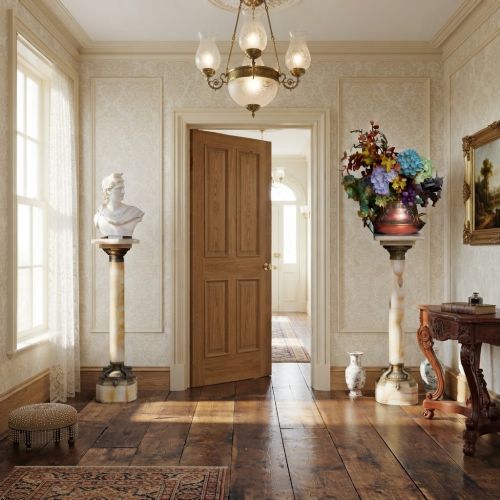
Place a single column in an empty corner or frame a doorway with a matching pair to anchor decorative items. Topped with a bronze bust, vase, or tazza, they create a distinct focal point.
Ensure the weight of the object placed on top matches the structural capacity of the pedestal.