




Yellow Gold Timepiece
A yellow gold timepiece brings together precious metal and precise mechanics, spanning pocket watches and wristwatches from Victorian origins to mid-century modern designs.
Yellow Gold Timepiece
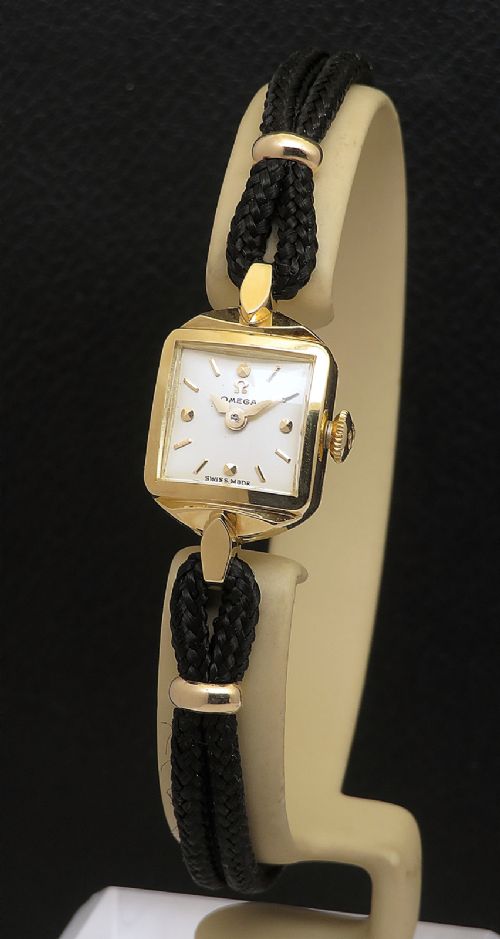
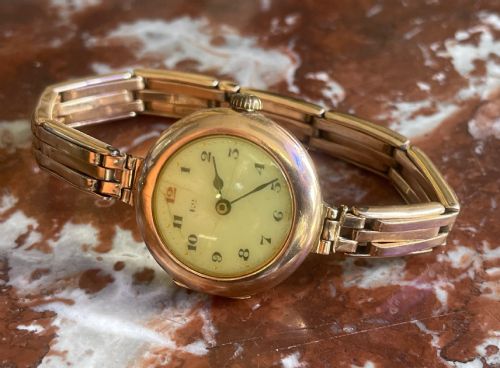
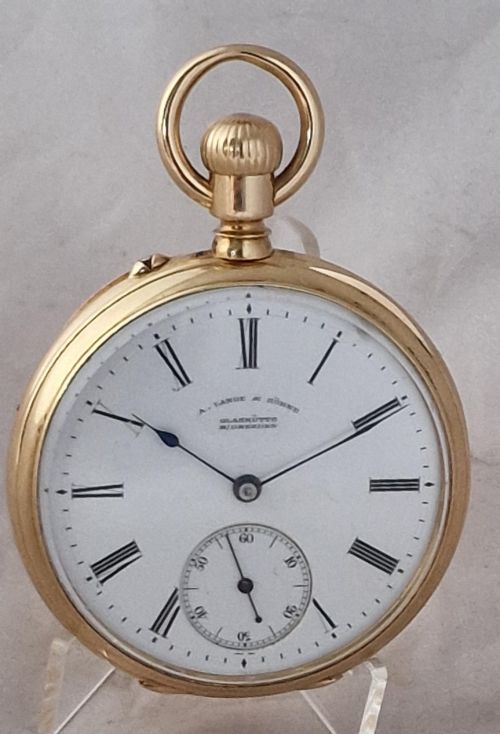
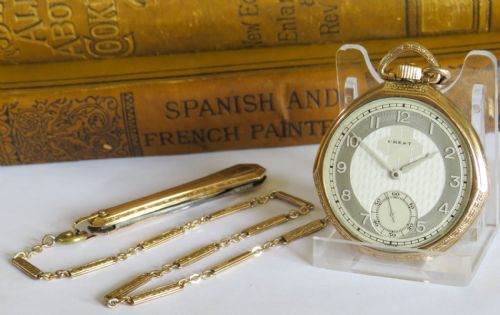
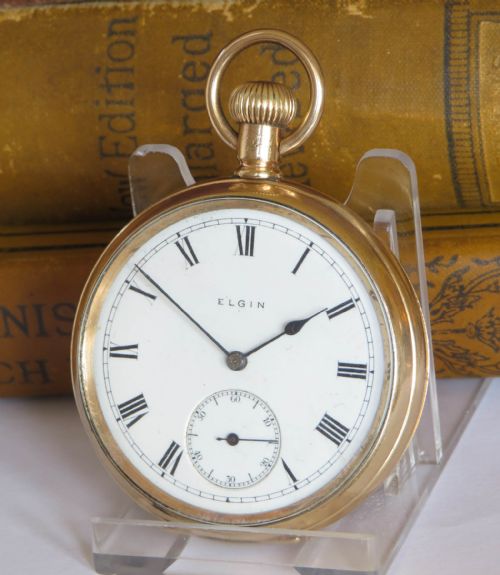
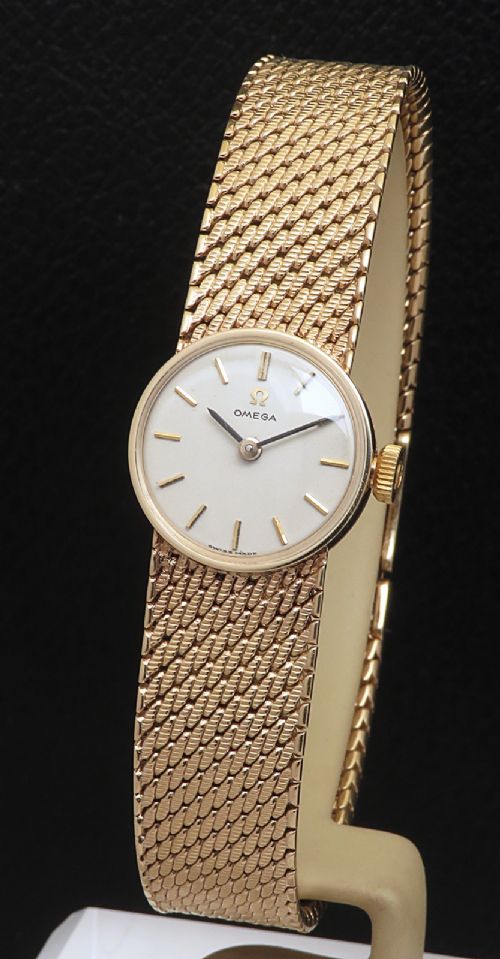
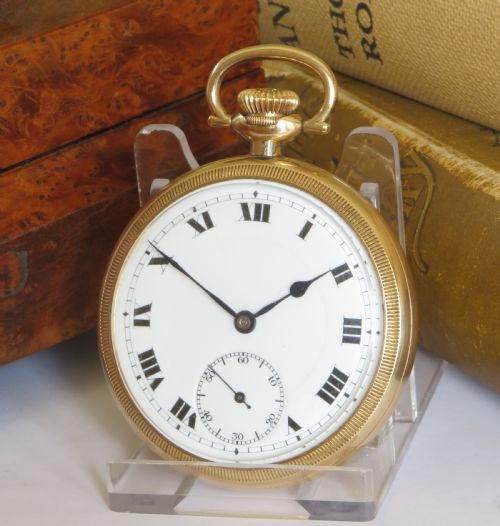
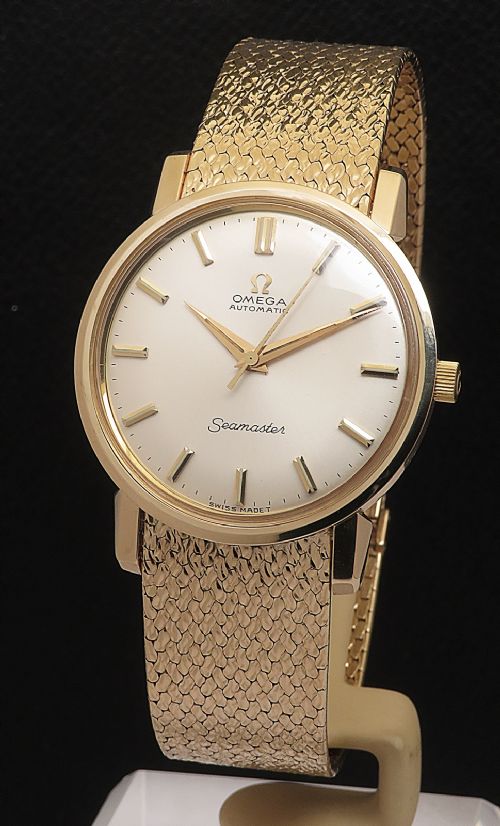
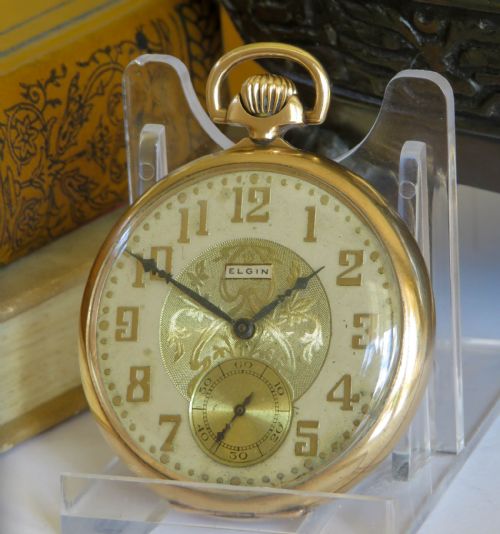
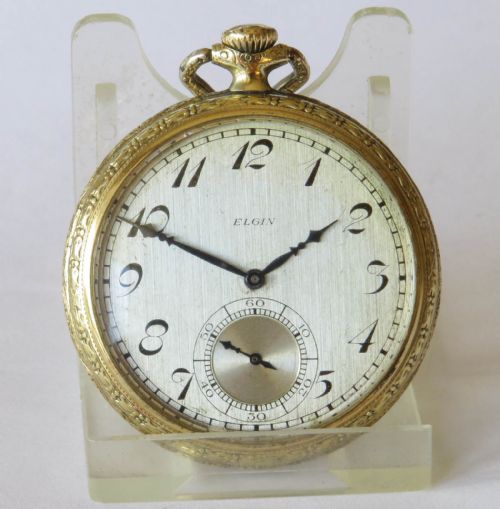
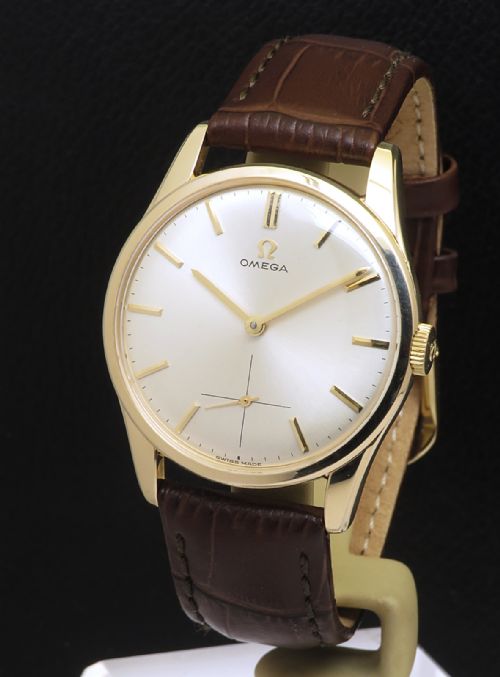
A yellow gold timepiece encompasses wearable and portable instruments for measuring hours, predominantly found as pocket watches and wristwatches spanning from the nineteenth century through the mid-twentieth century. Buyers searching for a yellow gold timepiece encounter formats ranging from open-faced designs and full hunters to cocktail watches and robust chronographs.
The selection on this page draws heavily from Victorian, Edwardian, Art Deco, and mid-century periods, capturing shifting tastes in horology. Pocket watches dominate the earlier decades, while wristwatches gain prominence by the mid-twentieth century, reflecting broader changes in how people wore their instruments.
How they were made
Makers shaped these cases using solid 9ct gold, 18ct gold, gold plate, and steel, often pairing precious metal housings with glass crystals and enamel dials. Internal movements relied on intricate metal gears, jewels, and mechanical springs, sometimes housed alongside leather straps or matching chains.
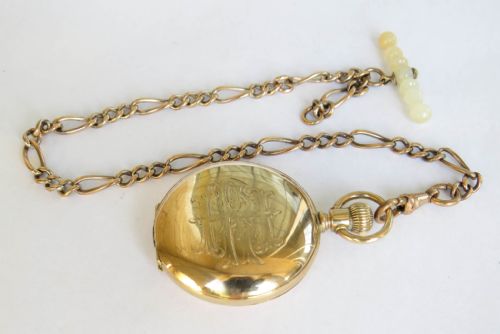
Engraved details, patterned floral dials, and salmon or two-tone faces demonstrate specialised hand-finishing techniques. Cases required precise metallurgical work, from key-wind fusee movements in the nineteenth century to self-winding automatic calibres by the 1950s and 1960s.
Yellow Gold Timepiece Retail Price Guide 2026
Typical asking prices for yellow gold timepiece among the pieces listed under this phrase on Sellingantiques today, from the lower quarter to the upper quarter. They describe what is for sale here now, not the wider market.
Listings span multiple decades, incorporating 9ct gold, 18ct gold, and gold plate across diverse forms like pocket watches, wristwatches, and carriage clocks.
What varies in quality
Quality rests upon the purity of the metal and the complexity of the internal mechanism, moving from standard gold plate and basic pin-lever movements up to solid 18ct gold cases housing high-jewel Swiss movements or grand sonnerie complications. The reputation of the maker heavily dictates the distinction between standard commercial production and exceptional horological output.
The integrity of the exterior decoration also defines the standard, distinguishing simply finished casings from intricately hand-engraved full hunter cases or museum-quality specimens accompanied by original boxes and papers.
Omega·Rolex·Lange & Sohne·Elgin·Waltham·Smiths·Longines·Patek Philippe·Tiffany & Co
The Yellow Gold Timepiece Glossary
- Full hunter
- A pocket watch featuring a spring-loaded metal cover that protects the glass dial. This lid opens via a crown-mounted pusher to reveal the time.
- Open-faced
- A pocket watch design lacking a protective metal cover over the dial. The glass crystal remains permanently exposed to view.
- Half hunter
- A pocket watch case featuring a small glass or open aperture in the centre of the outer lid. This allows the wearer to check the hands without opening the cover.
- Chronograph
- A watch equipped with a stopwatch function alongside its standard timekeeping display. These complications often include subsidiary dials for tracking elapsed seconds or minutes.
- Calibre
- The specific internal movement design and manufacturer designation of a watch mechanism. Collectors use this term to identify the exact technical lineage inside the case.
Yellow Gold Timepiece: Frequently Asked Questions
How do I wind a vintage watch?
Mechanical watches require turning the crown clockwise until firm resistance indicates the mainspring is fully tensioned. Avoid overwinding, as forcing the crown past this point can damage internal components.
Automatic movements wind themselves through the natural motion of the wearer's wrist, though manual topping up via the crown remains necessary if the watch has sat stationary for a period.
What is the difference between a hunter and an open-faced watch?
A hunter pocket watch includes a hinged metal lid that shields the dial from scratches and impacts during daily carry. Opening the cover is required to read the hours.
An open-faced watch leaves the crystal entirely uncovered for instant reading at a glance. This format proved popular for railway workers and professionals requiring rapid time checks.
How can I tell the age of my timepiece?
Dating typically relies on hallmark stamps inside the gold case, serial numbers engraved on the movement, and stylistic indicators such as dial typography and case shape. Records from Swiss and British assay offices provide precise year markers for solid gold items.
Stylistic shifts, such as the geometric symmetry of Art Deco design or the clean minimalism of mid-century modern dials, offer immediate visual clues to the manufacturing decade.
Can I wear a vintage watch every day?
Many solid gold wristwatches and robust pocket watches remain entirely suitable for regular wear when handled with reasonable care. However, older pieces generally lack modern water resistance and require gentle treatment around moisture and impacts.
Occasional rotation with other pieces and regular servicing by a qualified horologist help maintain mechanical reliability over years of use.