




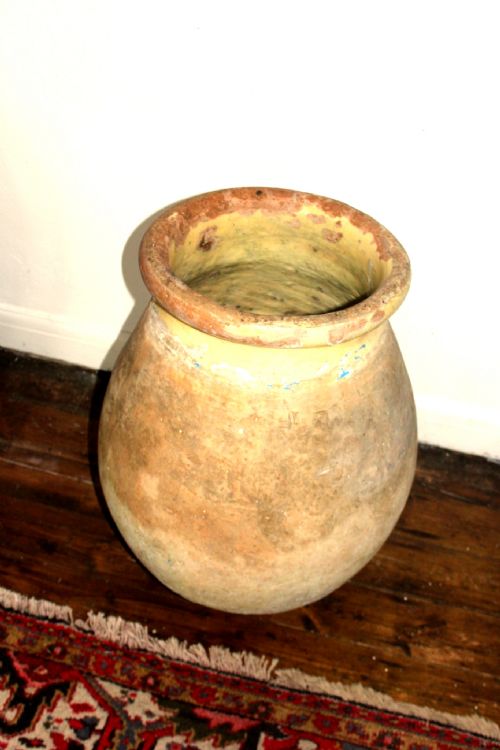
Yellow Ceramic Urn
A yellow ceramic urn brings warmth and colour to a room, drawing the eye through bright glazes and painterly detail.
Yellow Ceramic Urn
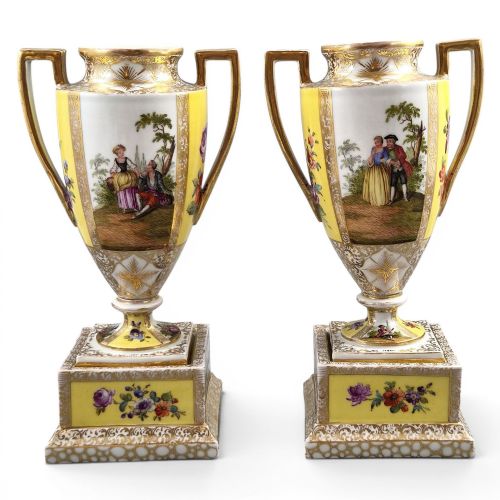
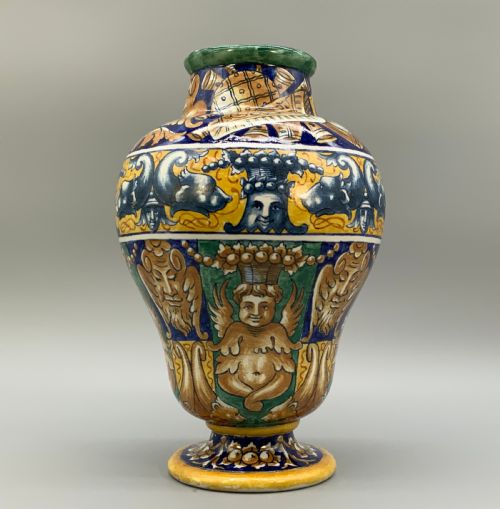
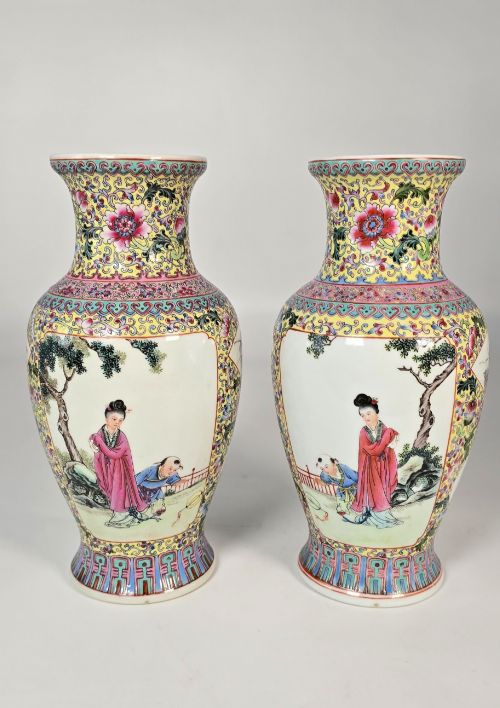
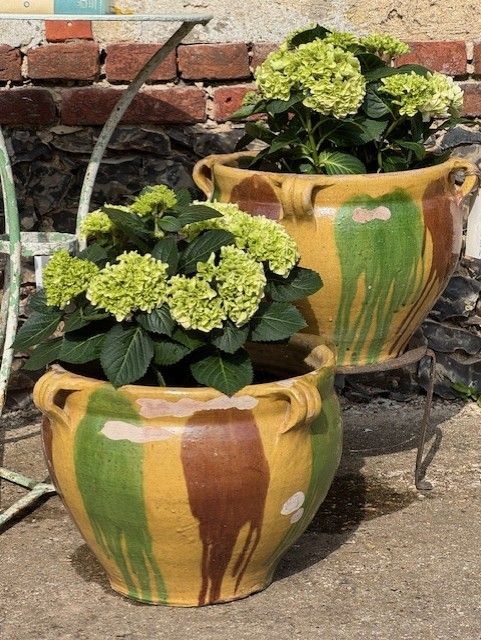
A yellow ceramic urn sits at the intersection of decorative display and functional vessel, taking the form of vases, ginger jars, and planters across this selection. When searching for a yellow ceramic urn, buyers encounter pieces spanning the nineteenth century through the mid-twentieth century, with strong representation from Victorian and 1930s periods.
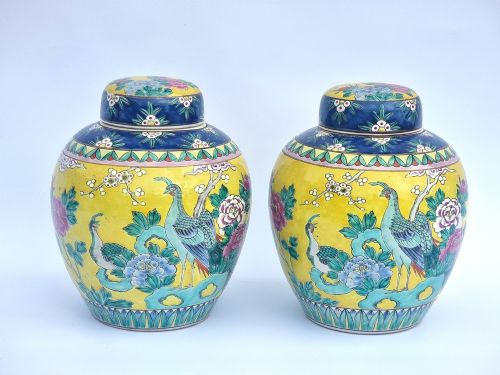
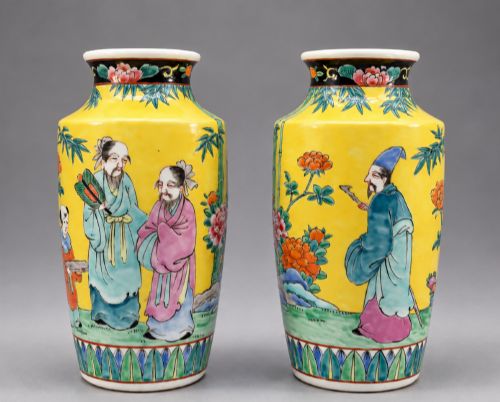
The objects take diverse shapes, from Chinese famille rose porcelain to Italian majolica and French terracotta pots. European factories and Chinese export workshops alike utilised yellow grounds to frame hand-painted birds, figures, and floral scenes.
How they were made
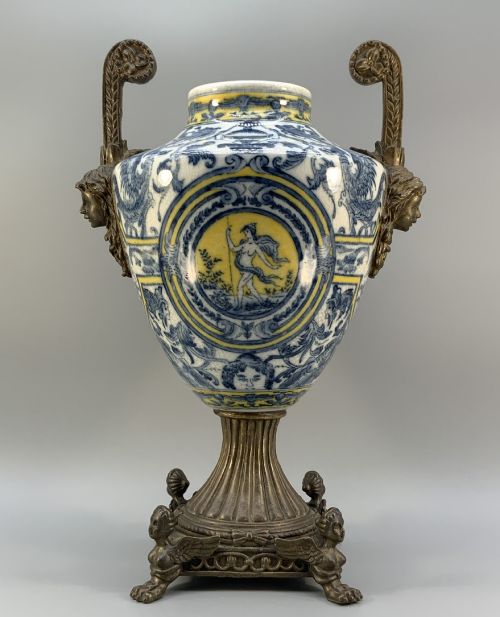
Potters shaped these bodies from earthenware, porcelain, and terracotta, applying tin glazes or rich enamel coatings to create the distinct yellow surfaces. Many pieces combine these ceramic bases with bronze mounts or delicate gold leaf detailing.
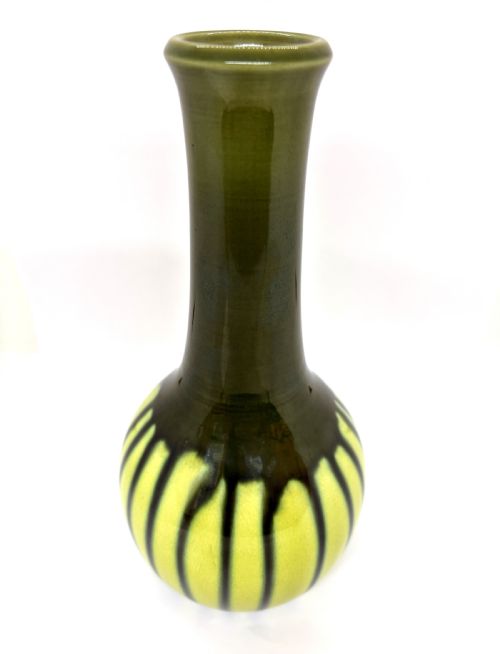
Decoration relied on hand painting, seen in polychrome designs and transfer work. Glazes range from smooth enamel finishes to drip glazed surfaces and aged patinas.
Yellow Ceramic Urn Retail Price Guide 2026
Typical asking prices for yellow ceramic urn among the pieces listed under this phrase on Sellingantiques today, from the lower quarter to the upper quarter. They describe what is for sale here now, not the wider market.
Several pieces feature hand-painted exotic birds peering out from bright yellow glazes.
What varies in quality
Quality rests in the precision of the hand painting and the clarity of the yellow ground. Pieces featuring detailed pictorial scenes or complex hand-painted birds display greater artistic ambition than plain glazed bodies.
The integration of secondary materials, such as finely cast bronze mounts or well-preserved gilt accents, elevates the execution. Maker attribution and workshop reputation also shape the standing of individual vessels.
Burmantofts Pottery·Royal Doulton·Royal Worcester·Rozenburg
The Yellow Ceramic Urn Glossary
- Majolica
- A type of tin-glazed earthenware decorated with opaque colours over a whitish glaze. It is known for bright polychrome palettes and Italian origins.
- Famille rose
- A Chinese porcelain palette introduced in the Qing dynasty, distinguished by opaque pink enamel and related soft colours. It frequently appears on export ginger jars and vases.
- Faience
- European tin-glazed earthenware, particularly associated with French and Italian workshops. The technique creates a smooth surface suitable for painted ornamentation.
- Terracotta
- Unglazed or glazed fired clay of a brownish-red colour. It forms the body of robust garden pots and Mediterranean vessels.
- Ironstone
- A type of durable commercial earthenware patented in the nineteenth century. It provides a sturdy alternative to porcelain for decorative vases and posy holders.
Yellow Ceramic Urn: Frequently Asked Questions
How do I date a yellow ceramic urn?
Dating relies on stylistic clues, factory marks, and material types recorded in the manufacturing process. Victorian pieces often show heavy ornamentation, while 1930s items lean toward cleaner modernist lines or revival styles.
Examining the glaze composition and base markings helps separate nineteenth-century productions from later twentieth-century iterations.
Where were these urns made?
The pieces originate from major European ceramic centres including England, France, Italy, and Holland, alongside Chinese export kilns. Each region applied distinct glazing traditions and decorative motifs.
English factories produced ironstone and bone china, while continental European makers focused on faience and majolica.
How were these vessels used?
These items served primarily as decorative ornaments, mantel displays, and formal centrepieces in domestic interiors. Posy vases and planters accommodated fresh flowers and greenery.
Larger urns and ginger jars stood on pedestals or tables to demonstrate household taste and wealth.
How do I clean a ceramic urn?
Maintenance requires gentle dusting with a soft cloth to protect fragile painted surfaces and aged glazes. Water and harsh chemical cleaners should be avoided, particularly on pieces with gold leaf or enamel work.
Display locations out of direct sunlight help preserve the vibrancy of the yellow ground and painted scenes.