



Yellow Anatolian Rug
A yellow anatolian rug brings deep warmth and enduring wool texture to a room, drawing the eye with traditional Anatolian patterns.
Yellow Anatolian Rug
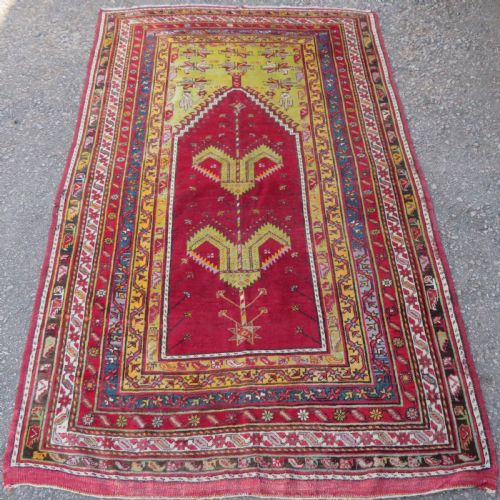
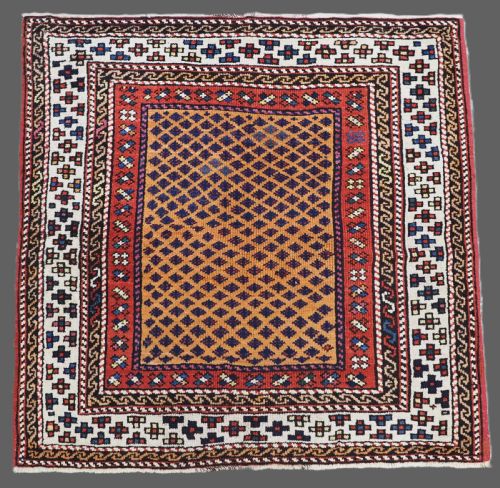
When you search for a yellow anatolian rug, you encounter traditional woven floor coverings originating from Turkey across the nineteenth century. These textiles include room-sized carpets and smaller prayer rugs produced in regional centres such as Kirsehir, Bergama, Ushak, Ghiordes, Kula, Konya, and Milas. The selection spans the 1870s, 1880s, 1890s, 1900s, and 1920s.
Most examples you meet on this page display classic Ottoman or Anatolian tribal designs, ranging from structured lattice motifs to devotional prayer formats. They arrive from central and western Turkey, reflecting centuries of local weaving heritage.
Materials and construction
These floor coverings rely on natural sheep wool for the pile and foundation elements, frequently paired with cotton for structural support in specific regional types. Hand-knotting techniques secure the pile, creating a dense and durable surface designed for practical domestic use.
Dyers utilised traditional natural colourants to achieve rich hues across the wool fibres, resulting in the distinctive palettes seen in nineteenth-century weaving. The combination of hand-spun wool and sturdy foundations accounts for the longevity of these antique textiles.
Yellow Anatolian Rug Retail Price Guide 2026
Typical asking prices for yellow anatolian rug among the pieces listed under this phrase on Sellingantiques today, from the lower quarter to the upper quarter. They describe what is for sale here now, not the wider market.
Regional attributions include Ushak, Kirsehir, Konya, Bergama, Ghiordes, Kula, and Milas.
Factors of quality
Knot density and structural fineness dictate the clarity of the design and the overall durability of the weave. Tighter knotting allows complex lattice work and prayer arches to appear crisp and well-defined.
The condition of the wool pile and the integrity of the original edges and ends significantly influence the character of each piece. Surviving examples with even wear and strong foundational wool retain their visual strength more successfully than heavily restored pieces.
The Yellow Anatolian Rug Glossary
- Pile
- The upright loops or cut ends of yarn that form the usable surface of a rug. This layer absorbs foot traffic and displays the woven pattern.
- Prayer rug
- A small textile featuring a mihrab or arch design, traditionally used for individual Islamic prayer. These formats often display focused niche compositions.
- Lattice design
- A repeating network of geometric lines or intersecting straps forming a grid across the field. This pattern structures the background of the carpet.
- Yatak
- A heavy, long-piled sleeping rug traditionally woven in central Anatolia. These pieces offer exceptional warmth and a thick texture.
Yellow Anatolian Rug: Frequently Asked Questions
Where were these rugs made?
The pieces originate from various towns and weaving centres across Turkey, including Ushak, Kirsehir, Konya, and Bergama.
Each region developed distinct weaving traditions, colour palettes, and structural characteristics that distinguish its carpets from neighbouring areas.
How do I care for an antique wool rug?
Regular gentle vacuuming without a beater bar removes dust and grit from the wool pile safely. Professional antique rug cleaning is recommended every few years to maintain the fibres.
Keep the textile away from direct, harsh sunlight to protect the natural dyes from fading prematurely.
What is an Oushak carpet?
Oushak carpets originate from the town of Ushak in western Turkey and are known for their larger scale and softer wool.
They frequently feature expansive field designs and muted colour tones that integrate easily into diverse interior spaces.
How are different periods identified?
Dating relies on structural analysis, wool characteristics, dyestuff composition, and stylistic conventions typical of specific decades. Nineteenth-century pieces often exhibit distinctive regional weaves and hand-spun materials.
Comparing knot structure and design motifs against documented examples helps narrow down the probable decade of production.