


Central Anatolian Weaving
Central anatolian weaving brings warmth and pattern into a room through hand-knotted village and town carpets.
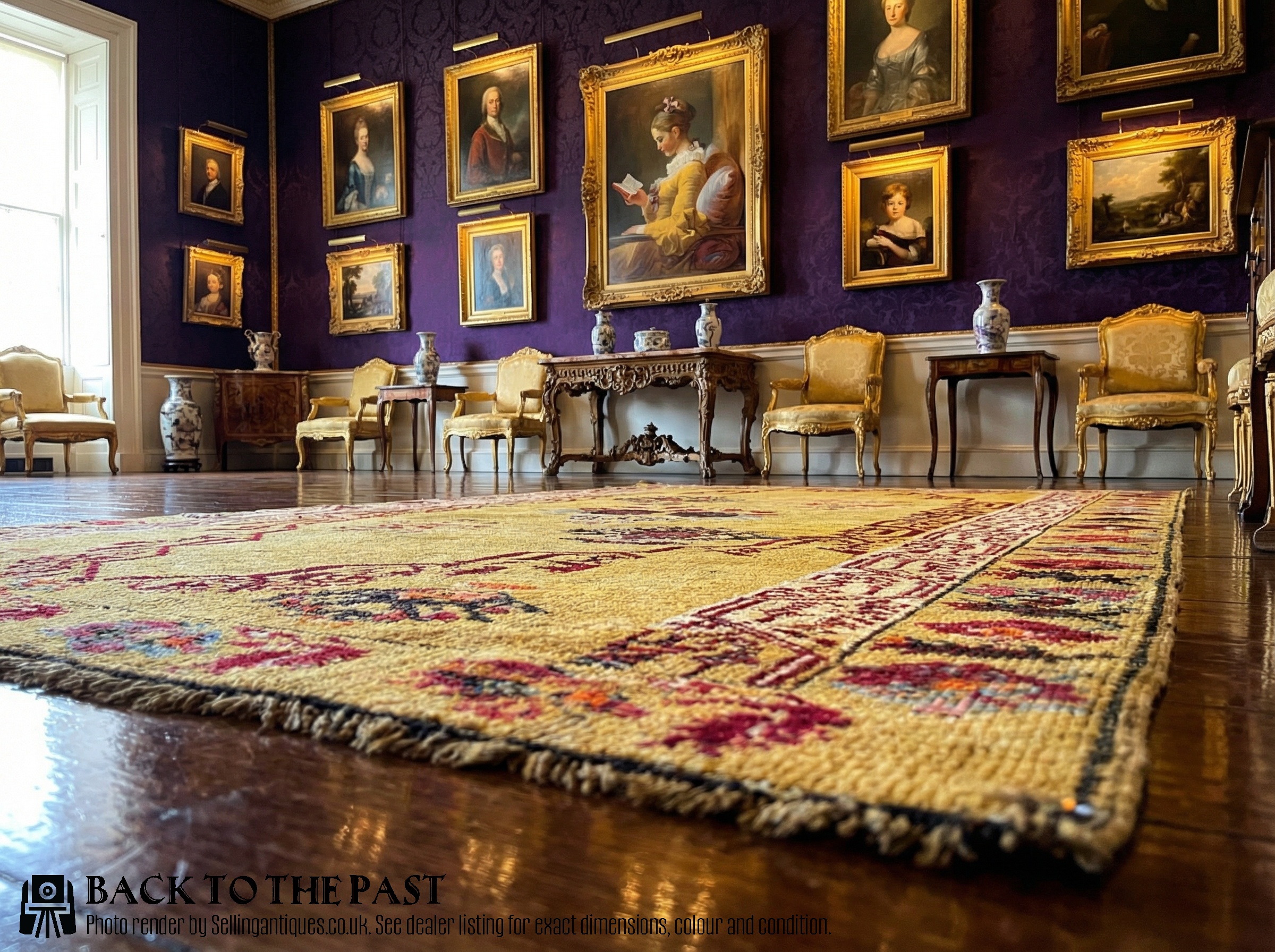
Central Anatolian Weaving
Central anatolian weaving encompasses traditional rugs and carpets produced across the Anatolian region of Turkey, largely spanning the nineteenth and early twentieth centuries. These pieces represent centuries of regional weaving culture, created in various towns and village settlements.
The most common examples encountered on this page are antique rugs and carpets originating from historic centres such as Ushak, Kirsehir, Konya, Kula, Kayseri, and Sivas. They range from small area rugs to larger carpets featuring traditional Ottoman and tribal motifs.
Makers utilised familiar regional layouts, repeating floral patterns, and geometric village designs that reflect the specific weaving traditions of their locality. Buyers seek these textiles for their historic character and the tangible warmth they impart to interior spaces.
How they were made
Weavers constructed these pieces predominantly from wool, cotton, and occasionally art silk or mercerised cotton, using hand-knotted techniques passed down through generations. The foundational warps and wefts typically employed sturdy wool or cotton, providing structural stability for the pile.
Dyers sourced traditional colourants to saturate the wool, angora wool, and cotton fibres before knotting them onto the loom by hand. Finished carpets received careful clipping to create an even pile surface that showcased the intricate regional designs.
Central Anatolian Weaving Retail Price Guide 2026
Typical asking prices for central anatolian weaving among the pieces listed under this phrase on Sellingantiques today, from the lower quarter to the upper quarter. They describe what is for sale here now, not the wider market.
The documented geographic origins span distinct weaving centres including Ushak, Kirsehir, Konya, Kula, Kayseri, and Sivas.
What varies in quality
The standard of central anatolian weaving rests upon the fineness of the knot density and the precision of the weave. Tighter, finer weaves permit greater clarity in complex floral and geometric patterns.
Material selection also distinguishes individual pieces, with choice wools, angora wool, and fine cotton or art silk yarns creating superior tactile depth. The harmonious balance of natural dyes and the crisp execution of classic designs elevate certain regional examples above standard village production.
Kirsehir rug·Konya rug·Kayseri art silk rug·Angora Ushak rug·Komurcu Kula rug·Sivas rug
The Central Anatolian Weaving Glossary
- Pile
- The upright yarn loops that form the soft surface of a carpet. This layer is created by knotting individual strands of wool, cotton, or silk to the foundation warp and weft threads.
- Warp
- The vertical support strings stretched tightly on the loom before weaving begins. These parallel threads run the entire length of the carpet and carry the fringe at either end.
- Weft
- The horizontal threads passed across the warp threads between rows of knots to secure the structure. Together with the warp, they form the sturdy foundational grid of the rug.
- Knot density
- The number of individual knots packed into a specific area, usually measured per square inch or decimetre. Higher counts generally indicate greater labour, precision, and design detail.
- Natural dye
- Colourants derived from plant, root, insect, or mineral sources rather than synthetic laboratories. These traditional dyes yield rich, complex tones that age gracefully over decades.
Central Anatolian Weaving: Frequently Asked Questions
How do I clean an antique rug?
Gentle surface vacuuming without a beater bar removes everyday dust and loose particles from the pile.
Professional specialist cleaning remains essential for deep washing to protect fragile historic fibres and traditional dyes.
Can I place these rugs in heavy traffic areas?
Sturdy village carpets constructed from durable wool withstand moderate foot traffic in hallways and living rooms.
More delicate pieces featuring art silk or fine weaves suit low-traffic display spaces to preserve their condition.
How do I date an anatolian carpet?
Examining the specific wool quality, structural materials, and characteristic regional dye palette provides strong chronological indicators.
Stylistic shifts between nineteenth-century village designs and early twentieth-century town production help narrow the likely period of manufacture.
What is the difference between Ushak and Kula rugs?
Ushak carpets typically feature larger-scale floral patterns, grand medallion layouts, and lustrous wool across expansive formats.
Kula rugs often display distinct prayer designs, geometric borders, and specific regional colour combinations rooted in western Anatolian traditions.