



X Frame Footstool
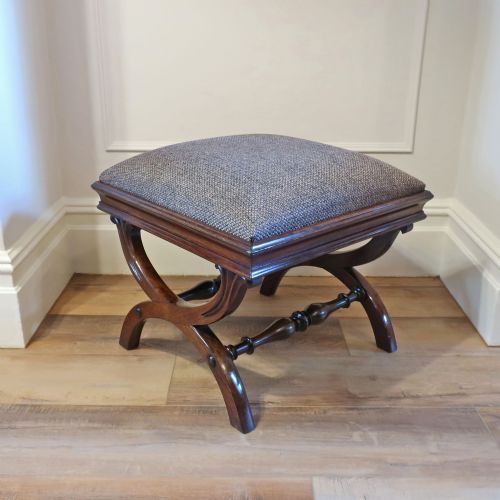
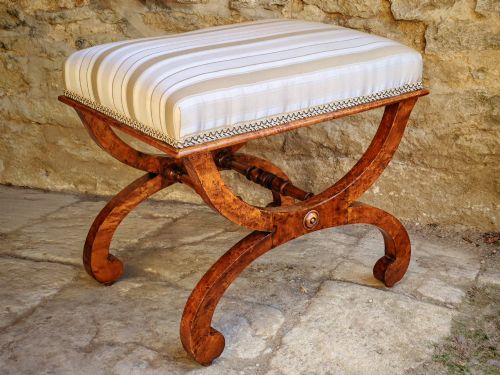
An x frame footstool brings structural elegance and classic seating to a room, spanning periods from the Regency era into the twentieth century.
X Frame Footstool
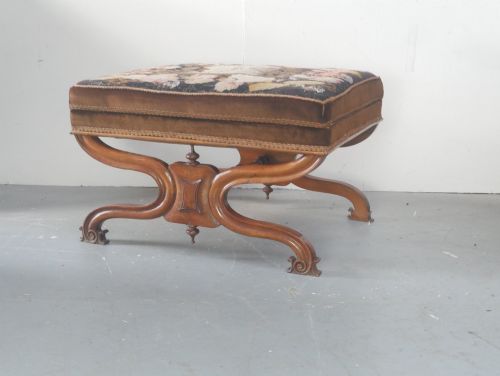
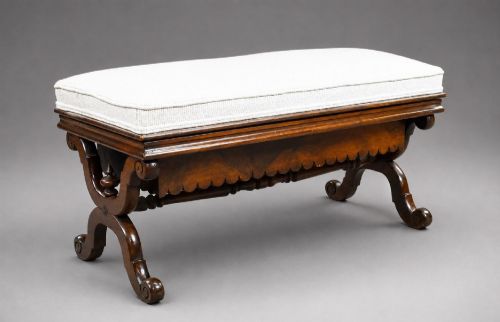
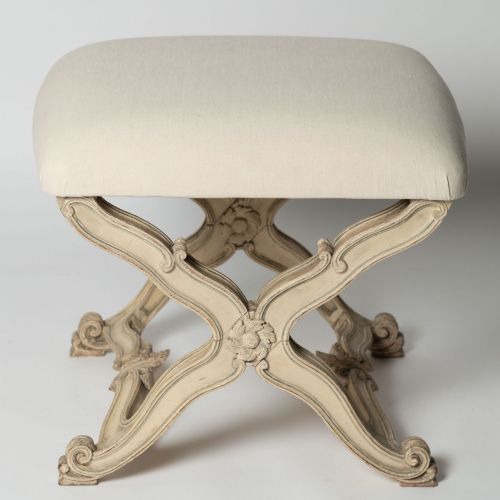
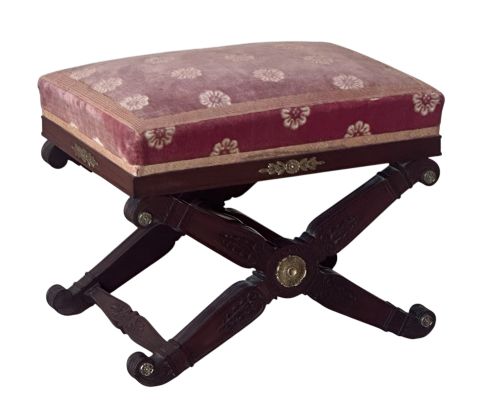
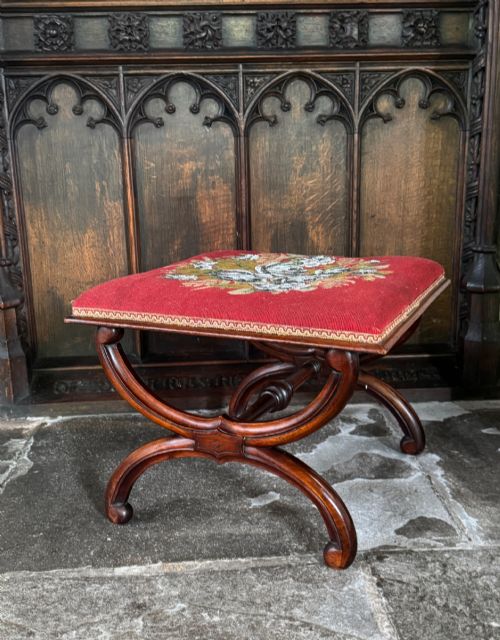
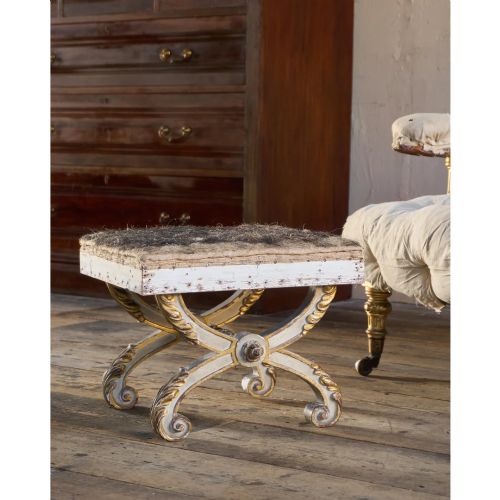
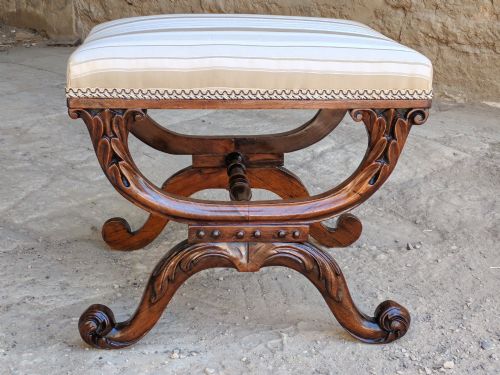
When you search for an x frame footstool, you encounter low seating designed with intersecting cross-supports forming a distinct curule or scissor silhouette. These pieces appear primarily in nineteenth-century forms, including Victorian, Regency, and William IV iterations, alongside revival styles.
The selection ranges from compact dressing stools to substantial mahogany or rosewood centre pieces. Most examples integrate upholstered seats utilising hide, needlepoint, tapestry, or beadwork.
Makers adapted the classic architectural folding chair profile into sturdy domestic footstools and window seats. The geometry provides both visual lightness and reliable load-bearing strength.
How they were made
Joiners and cabinetmakers constructed the frames using dense timbers such as mahogany, walnut, rosewood, and oak. These woods were carved, ebonised, or left with polished natural grain depending on the prevailing style.
Seats feature traditional padding and webbing secured beneath textiles including leather, kilim, damask, and woolwork. Metal elements such as brass components occasionally reinforce the structural joints.
X Frame Footstool Retail Price Guide 2026
Typical asking prices for x frame footstool among the pieces listed under this phrase on Sellingantiques today, from the lower quarter to the upper quarter. They describe what is for sale here now, not the wider market.
Listings feature woods including mahogany, walnut, rosewood, burr maple, and oak, paired with textiles ranging from leather and tapestry to beadwork.
What varies in quality
The distinction between standard production and top-tier execution rests on the crispness of the timber carving and the architectural proportion of the intersecting stretchers. Superior examples exhibit precise joinery at the pivot points and substantial hardwood framing.
Material selection and upholstery finish also determine grade, where hand-tooled leather or intricate contemporary needlepoint elevates the piece far beyond simple utility.
Miles & Edwards
The X Frame Footstool Glossary
- X frame
- A structural furniture form utilising two diagonal members crossing in the centre to support a seat. This ancient profile dates back to classical antiquity and reappeared in Regency and Victorian revival designs.
- Curule
- A classical seat shape characterised by curved legs intersecting in an X configuration. Originally denoting magistrate status in Rome, the term describes these graceful folding-style bases.
- Needlepoint
- A type of canvas work embroidery using wool or silk yarn to create dense patterned coverings. Many nineteenth-century stools retain their original hand-stitched tops.
- Kilim
- A flatwoven textile originating from the Middle East or Eastern Europe. These durable wool fabrics provide colourful geometric patterns when utilised as upholstery.
- Ebonised
- Timber treated with a dark stain or finish to imitate ebony. This technique gained prominence during the Victorian and Aesthetic Movement periods.
X Frame Footstool: Frequently Asked Questions
What is an x frame footstool?
An x frame footstool is a low seat built with intersecting diagonal legs that form a cross shape. These pieces function as footrests, dressing seats, or decorative window furniture.
Originating from ancient curule designs, they were reinterpreted by nineteenth-century cabinetmakers in woods like mahogany and rosewood.
How were they used historically?
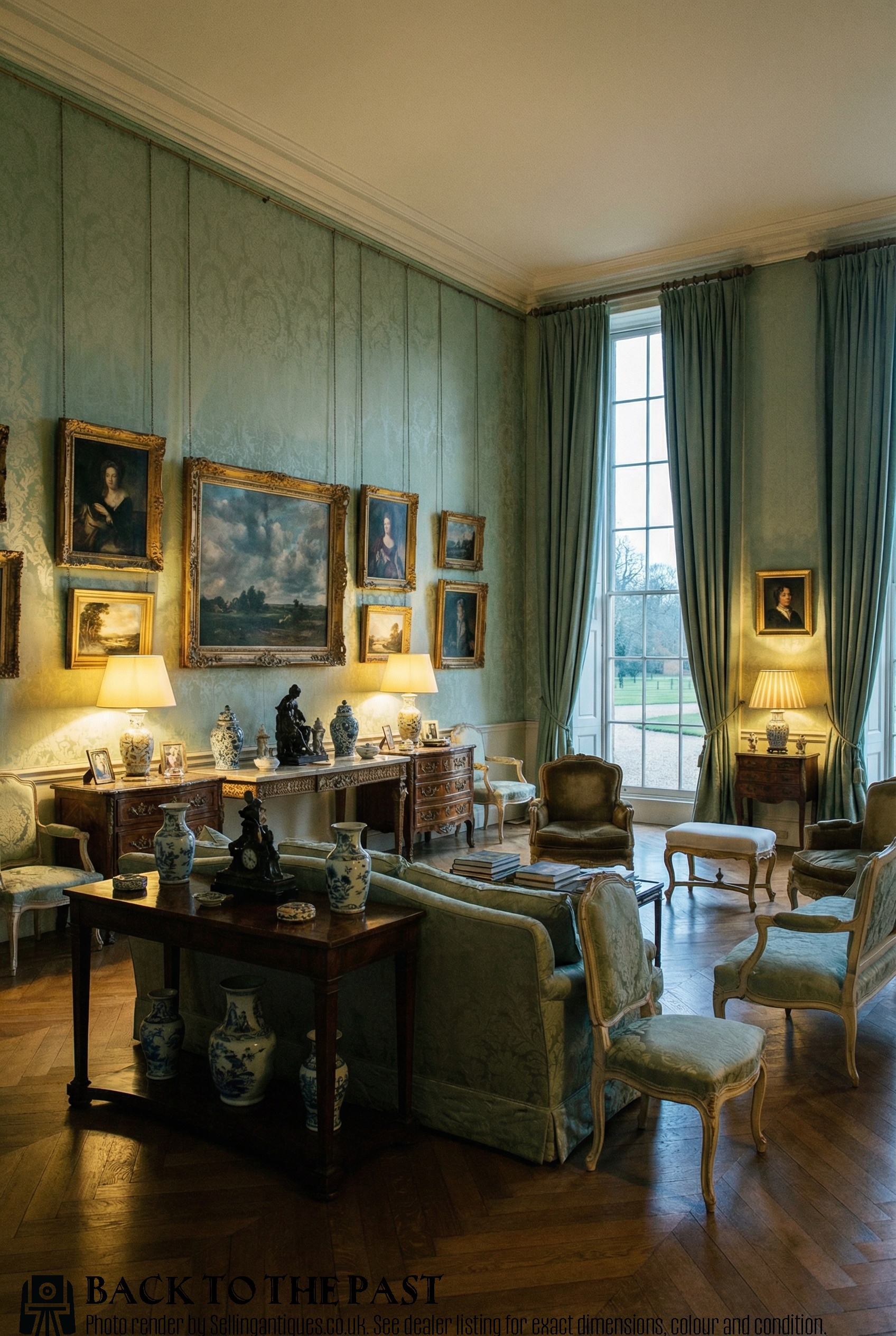
Historically, these stools served multiple domestic purposes in drawing rooms, bedrooms, and dressing chambers. They provided portable seating or supported tired feet beside armchairs and sofas.
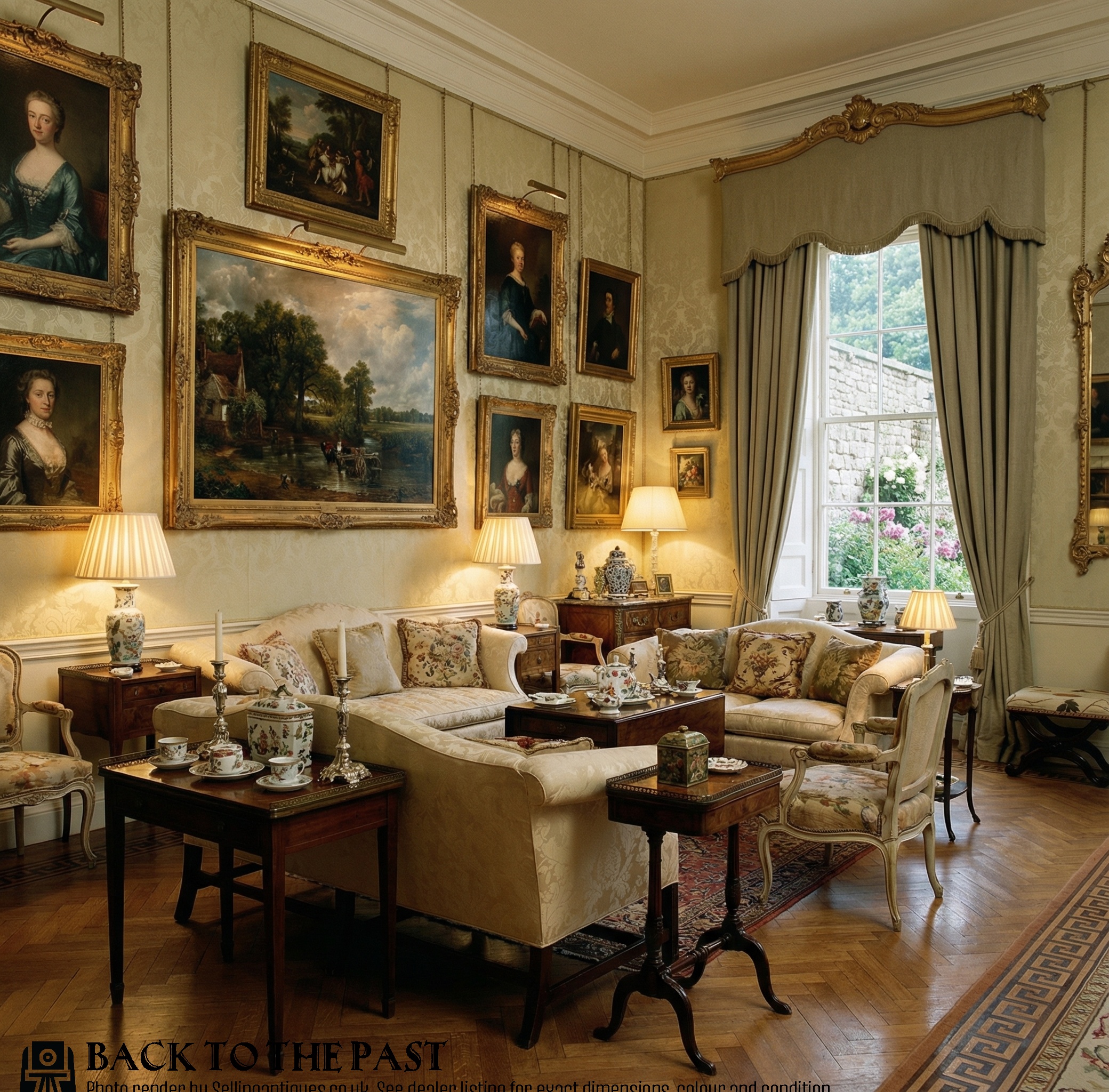
Larger versions often stood as centre stools or window seats within formal nineteenth-century interiors.
How do I date an x frame footstool?
Dating relies on identifying the primary timber, upholstery type, and stylistic flourishes characteristic of specific decades. Regency and William IV pieces display crisp classical lines, while later Victorian examples often feature heavier carving or ebonised finishes.
Construction methods and secondary woods inside the frame offer further clues to the exact manufacturing period.
How do I live with one today?
Integrating an x frame footstool into modern interiors offers flexible seating that easily tucks beneath tables or sits beside heavier armchairs. Their open bases maintain a sense of space in smaller rooms.
Care involves regular dusting of the timber frame and gentle cleaning appropriate to the specific textile or leather upholstery.