


Wrought Iron Spark Screen
These wrought iron spark screen pieces protect hearths while bringing genuine period character to a room.
Wrought Iron Spark Screen
A wrought iron spark screen is a protective hearth accessory designed to stop stray embers from escaping the fire while framing the fireplace. These functional objects range from simple folding wire guards to elaborate decorative shields created to suit domestic interiors.
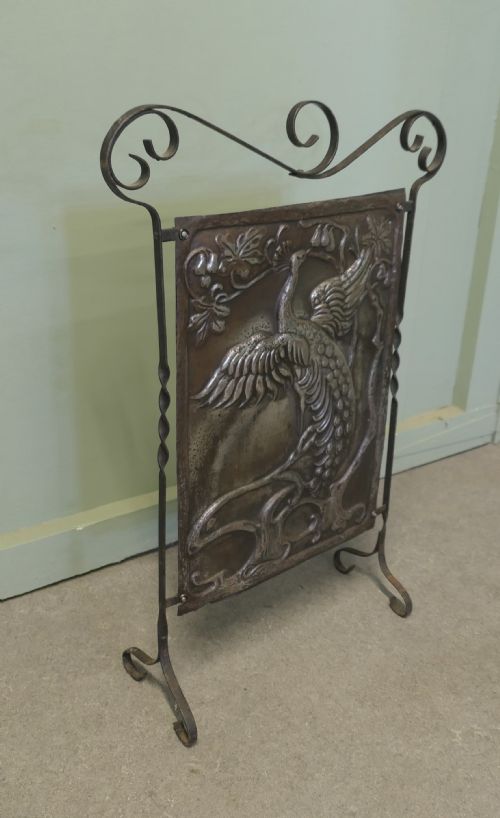
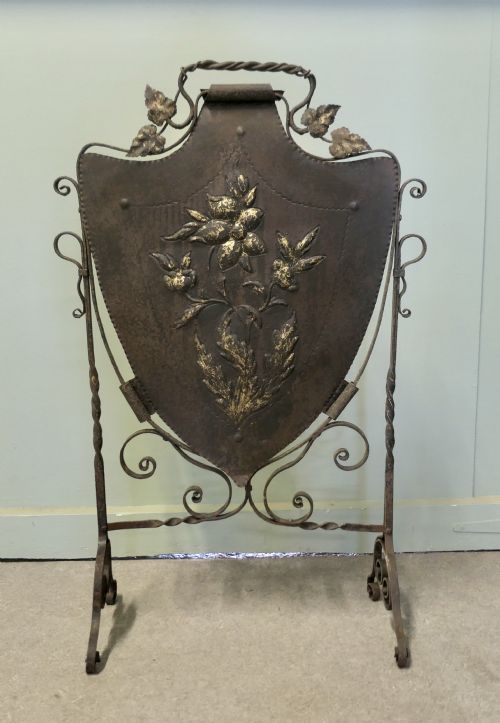
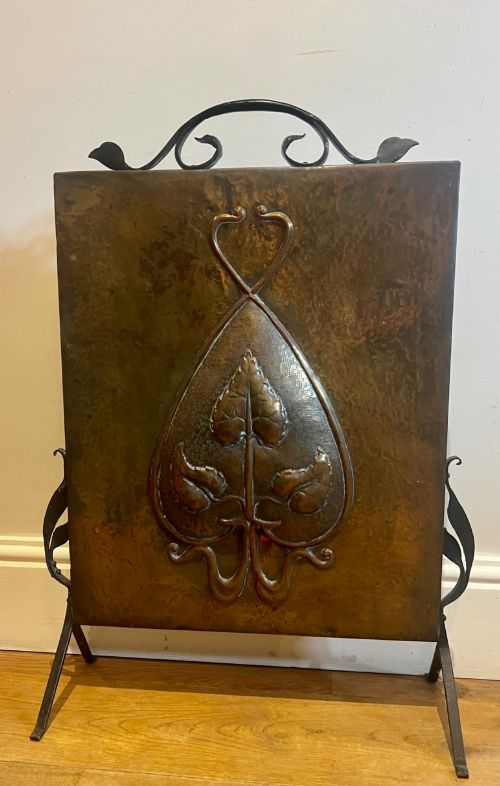
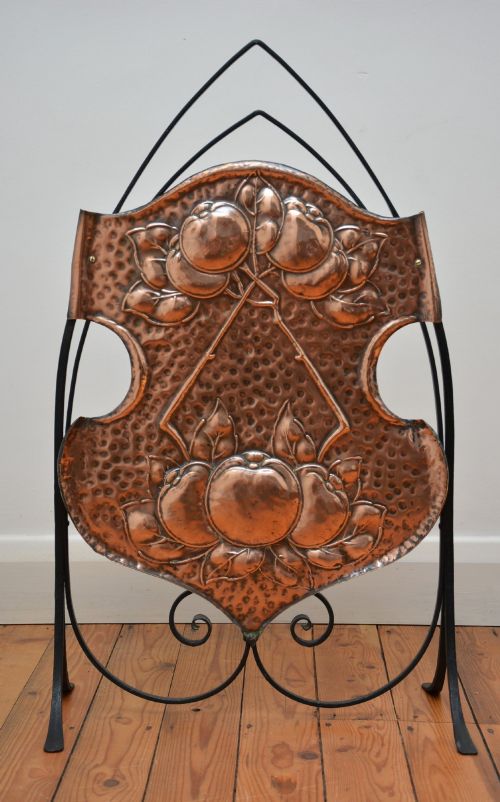
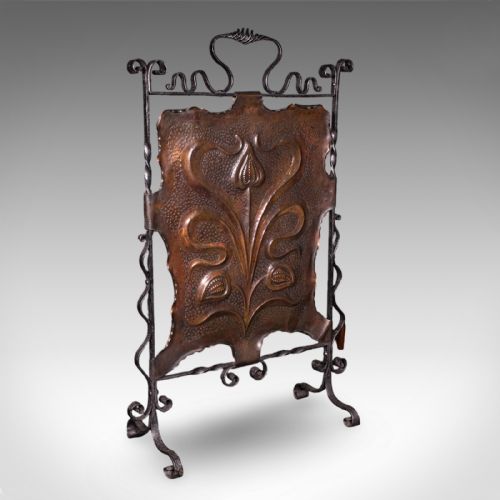
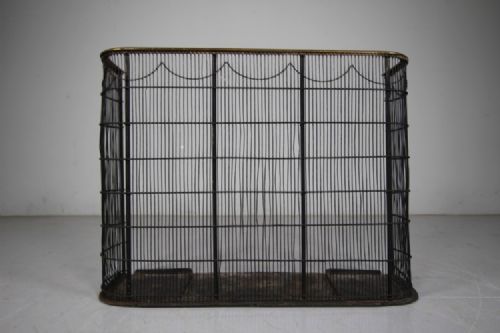
The pieces on this page appear in various historical styles, with Arts and Crafts and Victorian examples forming the majority of the selection. Buyers frequently encounter forms combining iron frames with copper panels or wire mesh inserts.
Makers produced these guards in styles spanning Gothic Revival, Art Nouveau, and Regency periods. They served both nursery safety needs and formal drawing room requirements across English country houses.
How they were made
Blacksmiths and metalworkers shaped wrought iron and plain iron through forging and joining techniques to create sturdy, heat-resistant frames. These structural elements often support fine wire mesh or solid metal panels.
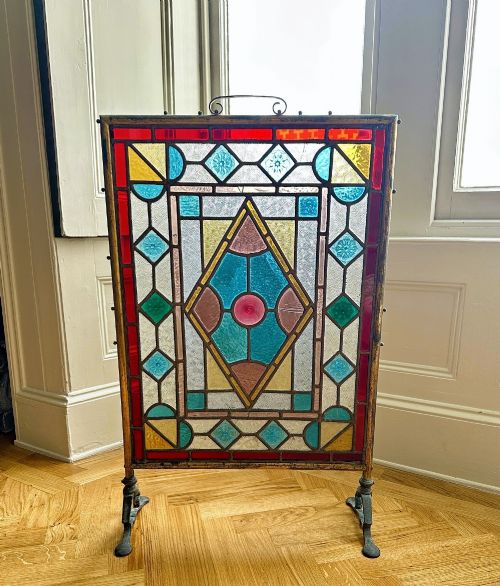
Many examples incorporate decorative metals such as copper, brass, and gilt, sometimes featuring embossed motifs or stained glass inserts. Artisans utilised riveting and soldering to attach these contrasting materials securely to the main iron structure.
Listings feature periods from the Regency era through the 1930s, alongside materials such as wrought iron, copper, brass, and stained glass.
What varies in quality
Quality in these hearth guards rests on the weight of the metal and the integrity of the construction. Heavier gauge iron and substantial framing indicate superior manufacturing that withstands daily heat exposure without warping.
Artistic execution distinguishes standard utilitarian guards from finer examples. The finesse found in hand-beaten copper panels, detailed scrollwork, and integrated stained glass reveals the skill of the original maker.
The Wrought Iron Spark Screen Glossary
- Wrought iron
- A tough, malleable form of iron easily hammered and bent into decorative shapes by a blacksmith. This material provides the primary structural strength for most historical fire guards.
- Spark guard
- A fine mesh or metal barrier placed before an open fire to catch flying embers. These pieces protect flooring and furnishings from heat damage.
- Nursery fender
- A low safety barrier enclosing a hearth to keep children and pets at a safe distance from the fire. Some historical versions include attached rails for drying laundry.
- Fireplace reflector
- A polished metal panel designed to project radiant heat back into a room. Copper and brass versions often double as decorative screens.
Wrought Iron Spark Screen: Frequently Asked Questions
How do I measure for a screen?
Measure the width and height of the fireplace opening carefully to ensure the guard covers the entire hearth area adequately. Account for any protruding hearth stones or surrounding woodwork when checking dimensions.
Leave sufficient clearance around the fire basket so the mesh or iron frame stands securely without wobbling on uneven stone floors.
Were these screens used in nurseries?
Many taller examples served as nursery fenders to prevent young children from getting too close to open flames. These typically featured sturdy wire mesh construction and sometimes included rails for hanging garments.
Domestic safety standards in Victorian and Edwardian homes made these enclosed guards essential fixtures in family living spaces.
How do I clean wrought iron?
Dust the iron surface regularly with a soft brush or dry cloth to prevent soot accumulation. Avoid harsh chemical cleaners that can strip historical finishes.
Apply a light microcrystalline wax occasionally to protect the metal from moisture and preserve the natural dark patina.