



Fire Guard and Irons
These fire guard and irons collections bring hearth furniture together to protect rooms from stray embers while adding period character to chimneys.
Fire Guard and Irons
A buyer seeking fire guard and irons encounters hearth furniture spanning the nineteenth century through the Edwardian period, including Regency and Georgian examples. The selection combines protective screens with hearth accessories designed to contain open flames.
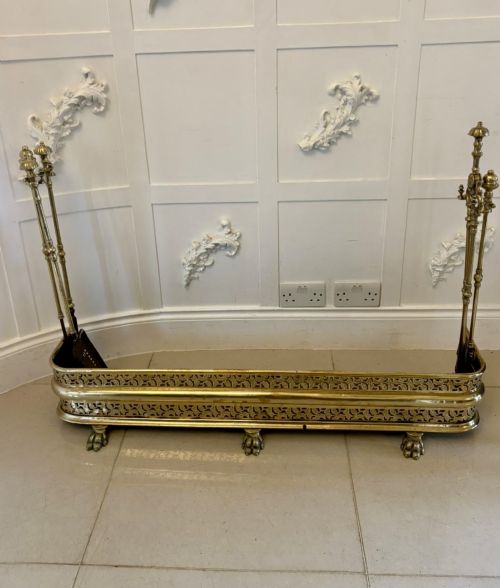
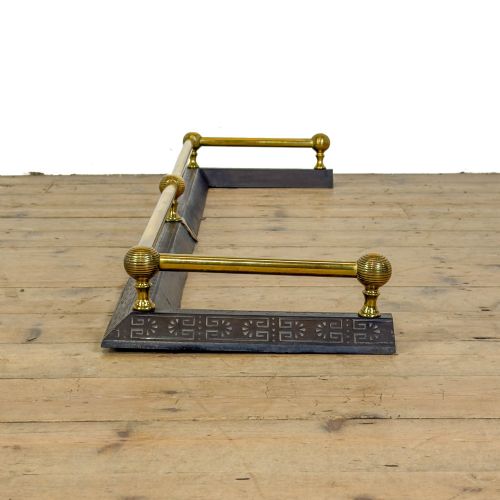
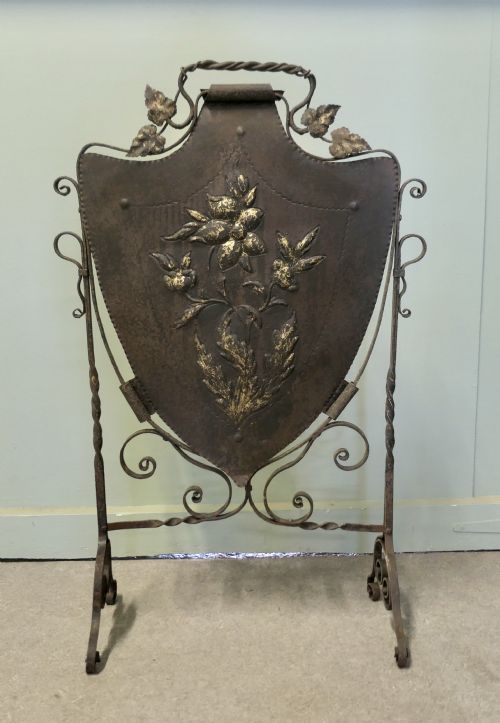
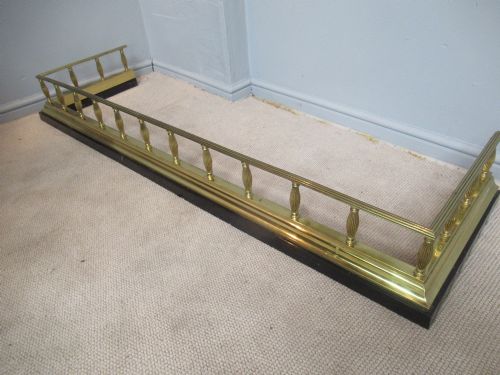
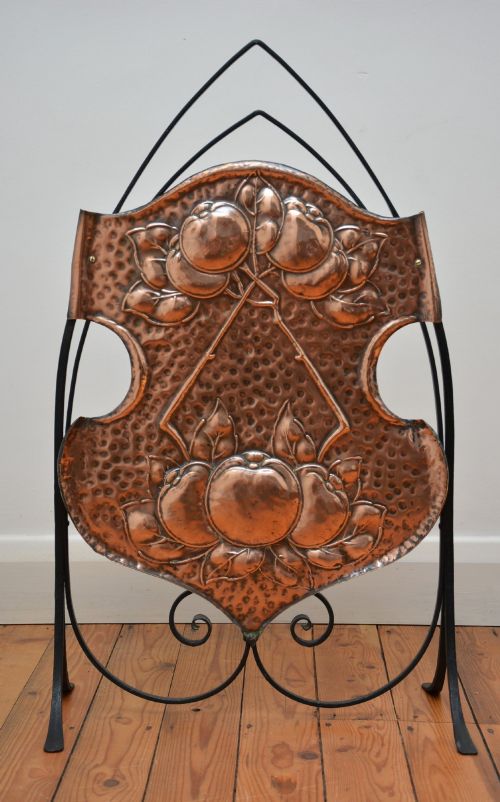
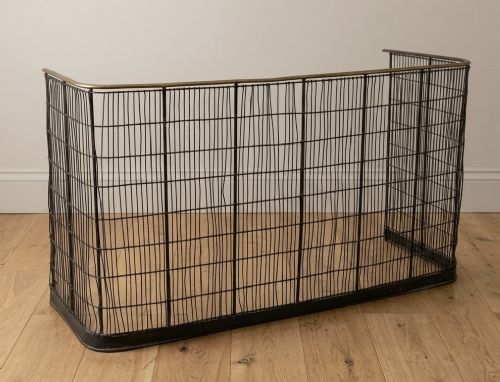
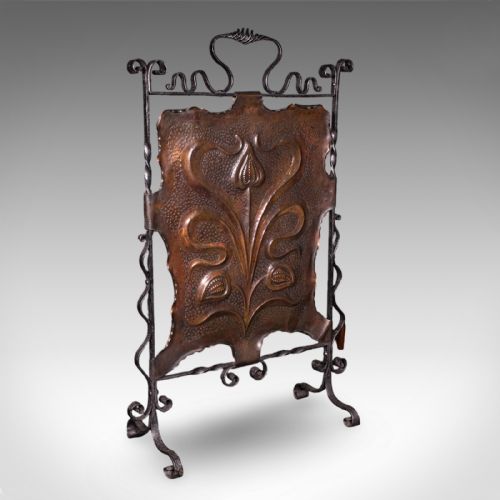
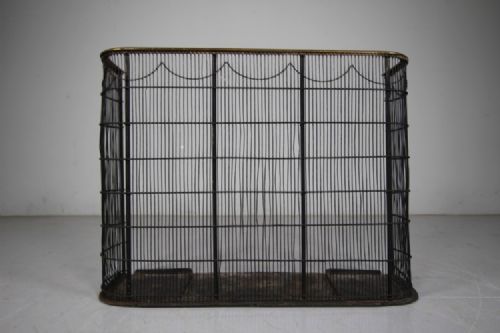
Fenders and guards dominate the available forms, ranging from low brass frames to tall wire mesh nursery fenders. Companion screens in copper, cast iron and wrought iron appear frequently alongside matching fire irons.
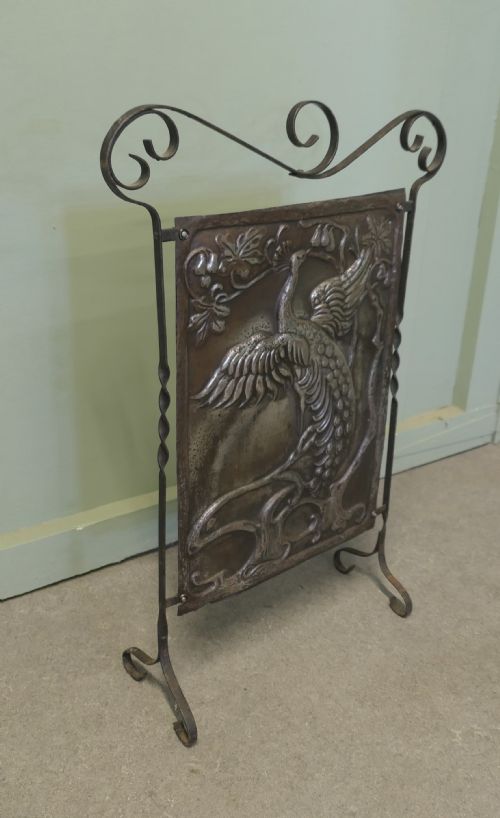
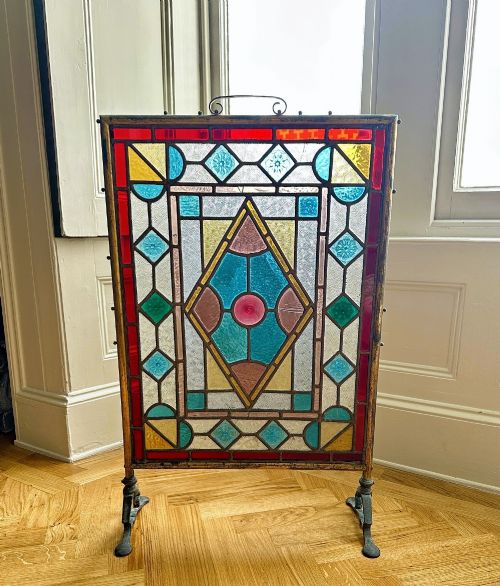
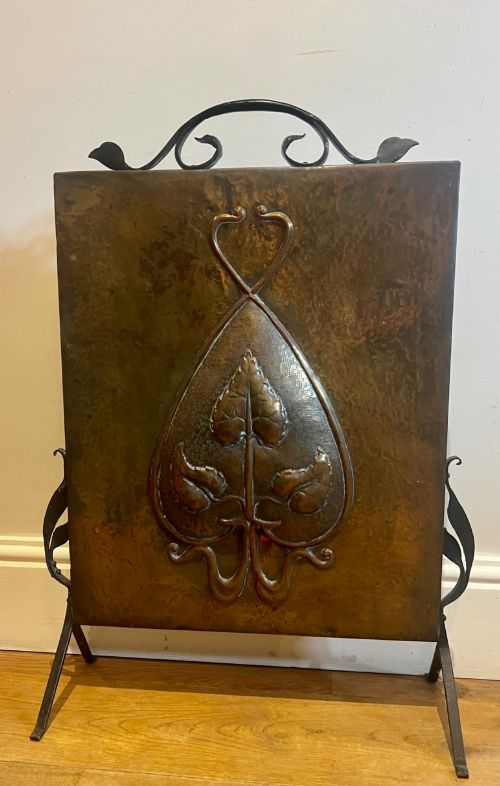
Many pieces reflect the Arts and Crafts and Art Nouveau movements, displaying handcrafted metalwork, stained glass panels and distinctive peacock motifs. Country house scales and French Empire influences also feature among the heavier cast pieces.
Materials and construction
Blacksmiths and metalworkers shaped wrought iron, cast iron, steel and brass using traditional forging and casting techniques. Wire mesh and fine wirework formed protective barriers on nursery guards, while copper panels provided reflective surfaces behind hearths.
Decorative details incorporated bronze, ormolu mounts, stained glass and polished iron. Leather upholstery appeared on club fender tops, and oak provided wooden components for specific frame designs.
Listings feature wire mesh, wrought iron, copper and brass across Victorian, Edwardian and Regency periods.
Quality variations in hearth metalwork
Subtlety of hand-hammered detail and weight of metal separate robust workshop pieces from lighter production items. Heavier gauge brass, thick cast iron and dense wrought iron structural members denote superior durability.
The integration of materials, such as leaded stained glass within iron stands or precise joins on adjustable brass frames, demonstrates maker skill. Original matching fire irons that accompany a fender elevate the coherence of a set.
The Fire Guard and Irons Glossary
- Nursery fender
- A tall protective guard designed to enclose an open hearth and prevent children or fabrics from reaching flames. These pieces often feature fine wire mesh and sturdy iron frames.
- Club fender
- A low hearth surround featuring upholstered leather or mahogany seats on top. They originated in country houses to provide comfortable fireside seating.
- Chenets
- Andirons or firedogs placed on the hearth to support logs. They frequently display bronze or ormolu mounts.
- Fire screen
- A decorative panel placed before an unused fireplace to block the view of ash and soot. Styles include hinged folding designs and solid copper reflectors.
Fire Guard and Irons: Frequently Asked Questions
How do I choose the right size fender?
Measure the width and depth of your fireplace hearth to ensure the frame sits correctly around the opening. Allow clearance for any protruding fire irons or companion sets.
Consider the height of the hearth surround in proportion to your mantelpiece and overall room proportions.
What is a nursery fender used for?
Nursery fenders are taller protective guards built with wire mesh or iron bars to keep children and pets at a safe distance from burning coals.
Many nineteenth-century examples include integrated clothes rails or high frames designed for practical domestic safety.
How do I clean brass and copper?
Use a soft cloth and mild soapy water to remove dust and soot from metal surfaces without stripping patination. Avoid harsh chemical abrasives that can damage antique finishes.
Polish sparingly if bright metal is preferred, though many collectors favor the mellow oxidation accumulated over decades.
How do I date a cast iron fender?
Examine the casting quality, weight, and decorative motifs to determine the period of manufacture. Victorian pieces often display Gothic Revival or heavy decorative casting.
Earlier Regency designs tend to feature cleaner brass detailing and simpler architectural lines.