


Edwardian Fireplace Curb
An edwardian fireplace curb frames the hearth with metalwork, containing stray embers while offering a seat or a display for fire irons.
Edwardian Fireplace Curb
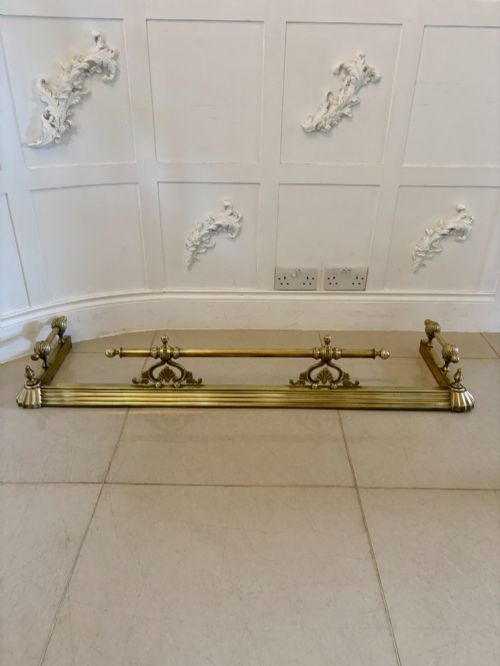
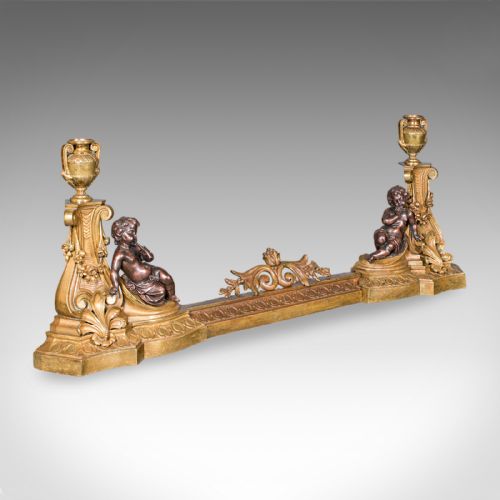
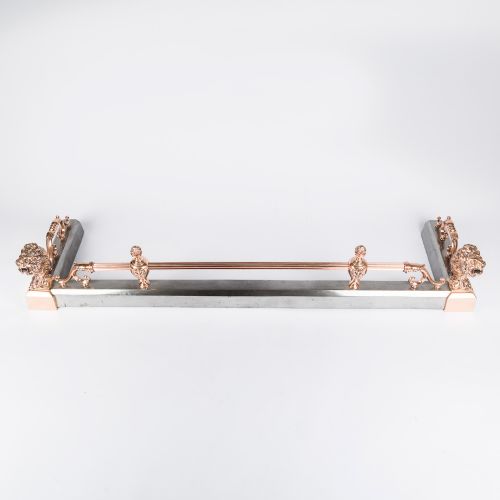
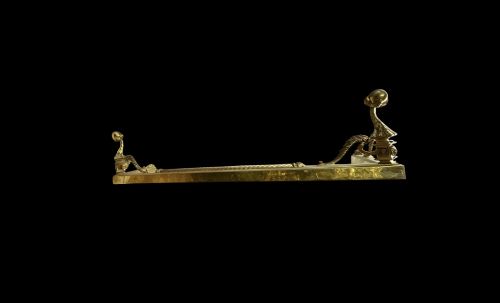
An edwardian fireplace curb sits on the hearth to protect flooring from sparks and to tidy the grate area. The pieces seen here span the Edwardian period, the Victorian era, and the late nineteenth century into nineteen hundred.
Most examples take the form of metal fenders in brass, copper, iron, and steel. Some incorporate adjustable widths or include companion fire irons.
Makers of the period applied distinct regional styles, moving from heavy Victorian cast brass to the linear motifs of Arts and Crafts and the flowing curves of Art Nouveau.
Materials and construction
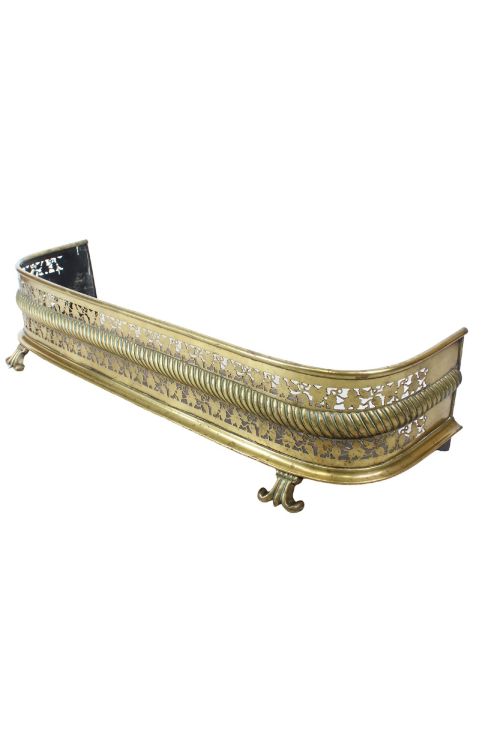
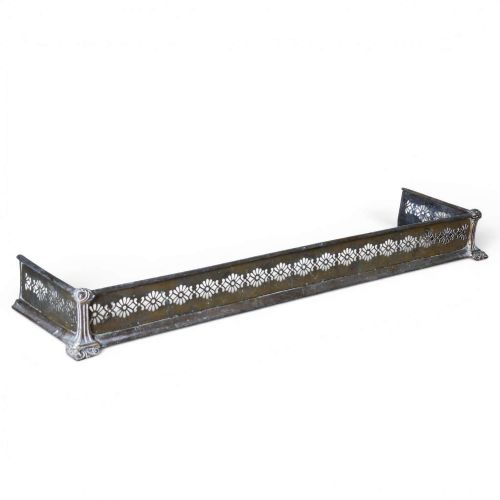
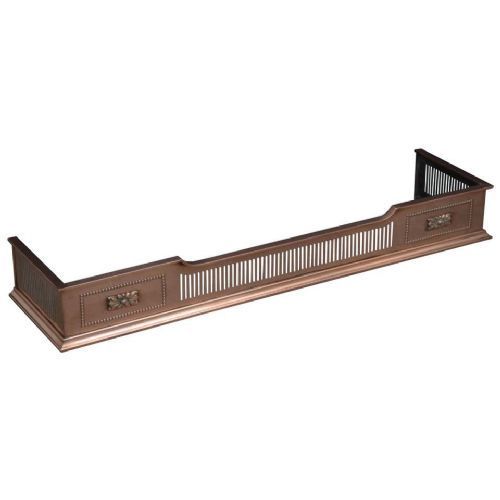
Workshops utilised sheet and cast metals, frequently combining brass frames with iron or steel bases for stability. Beaten copper panels and pierced brass galleries appear across many examples.
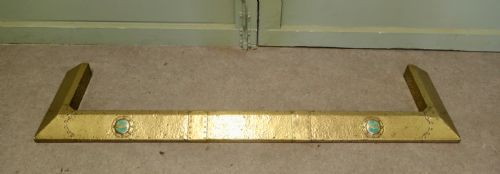
Enamel cabochons and flower patera provide decorative accents set into the metal framework. Smiths employed riveting, scrolling, and polishing to finish the heavy gauge components.
Listings feature periods spanning from eighteen seventy through the Edwardian era, predominantly constructed in brass, copper, iron, and steel.
Assessment of quality
Weight and gauge of metal dictate the substance of a fender, with heavier brass and thicker copper marking superior domestic production. The crispness of pierced detailing and the security of corner joints separate standard pieces from finer examples.
Original patination and untouched surface finishes distinguish unaltered items from those heavily polished or replated in later workshops.
The Edwardian Fireplace Curb Glossary
- Fender
- A low metal guard placed around a fireplace opening to contain ash and burning coals. It often incorporates a flat top rail or upholstered seats in club configurations.
- Art Nouveau
- A decorative style characterised by sinuous, organic lines and floral motifs prevalent around eighteen ninety to nineteen hundred. It heavily influenced metalwork and fireplace accessories.
- Arts and Crafts
- A movement prioritising traditional craftsmanship and visible hand-working over mass production. Pieces in this style often feature beaten copper and enamel cabochons.
- Patera
- A circular ornamental bas-relief resembling a classical libation dish. Makers frequently pressed these floral or geometric motifs into copper and brass fenders.
- Club fender
- A large hearth surround featuring low cushioned seats on either side. These designs originated in gentlemen's clubs to allow close warmth to the fire.
Edwardian Fireplace Curb: Frequently Asked Questions
How do I clean a brass fender?
Clean unlacquered brass gently with a mild metal polish and a soft cloth to remove tarnish while preserving the underlying patination. Avoid abrasive pads that scratch the historic metal surface.
Allow the cleaner to dry before buffing off with a clean cloth. Frequent light dusting prevents heavy oxidation from building up in recessed decorative channels.
Are these fenders adjustable in width?
Many surviving examples feature sliding side sections designed to fit varying hearth dimensions. This mechanism allows the frame to extend or contract securely.
Buyers should check the minimum and maximum span of adjustable models before purchase. Fixed-width models require exact measurement of the fireplace opening and hearth surround.
What is the difference between brass and copper fenders?
Brass fenders present a bright golden alloy appearance typical of formal Victorian and Edwardian interiors. Copper versions display a warmer reddish tone often associated with Arts and Crafts workshops.
Both metals were worked into pierced galleries or beaten panels. Some pieces combine both materials within a single frame for visual contrast.
How do I date a fireplace curb?
Dating relies on stylistic markers such as the flowing whipcord lines of Art Nouveau or the heavy cast ornamentation of Victorian design. Construction methods like hand-beating versus machine stamping also indicate the period of manufacture.
Materials changed over time, with nineteenth-century pieces leaning toward cast brass and later items reflecting the arts and crafts movement.