


Wrought Iron Panels
These wrought iron panels bring genuine architectural character to a room, offering robust metalwork shaped by hand during the eighteenth, nineteenth, and early twentieth centuries.
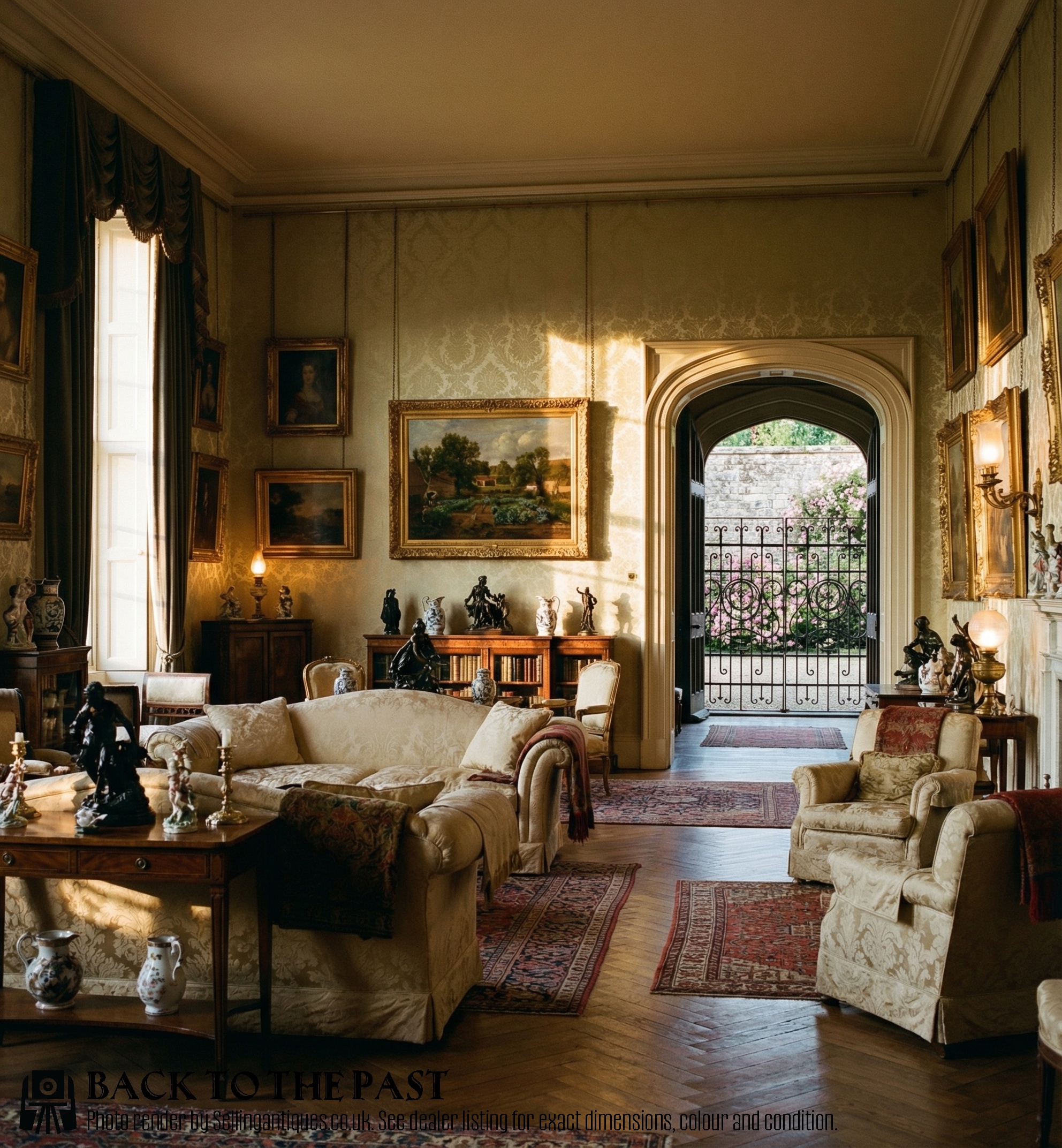
Wrought Iron Panels
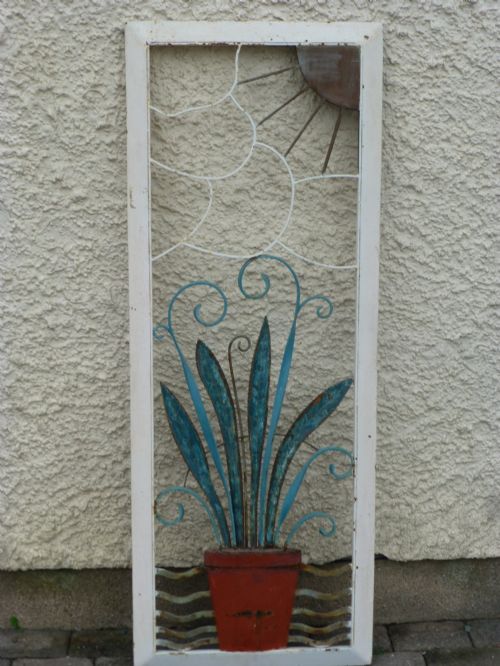
When you search for wrought iron panels, you find heavy architectural salvage, garden screens, gates, and decorative balustrades shaped from durable metal. These pieces originate from various historical periods, notably the nineteenth century and the early twentieth century.
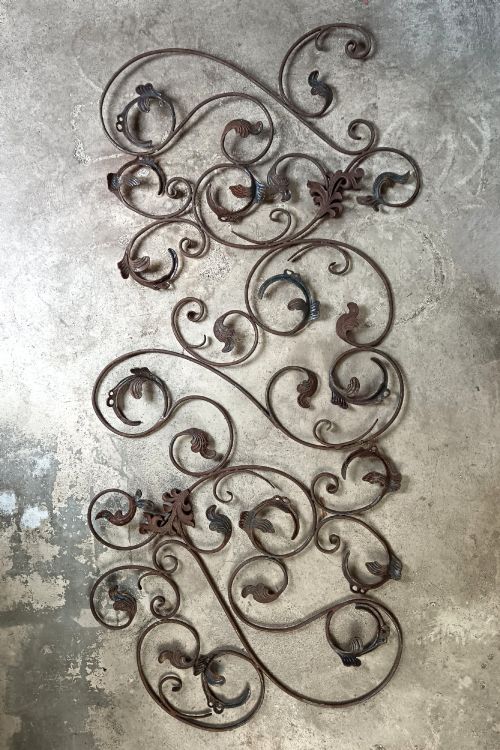
The selection here frequently includes fireplace screens, firescreens, and architectural scroll panels alongside structural fragments. Victorian, Arts and Crafts, Art Deco, and Gothic Revival styles dominate the forms currently available.
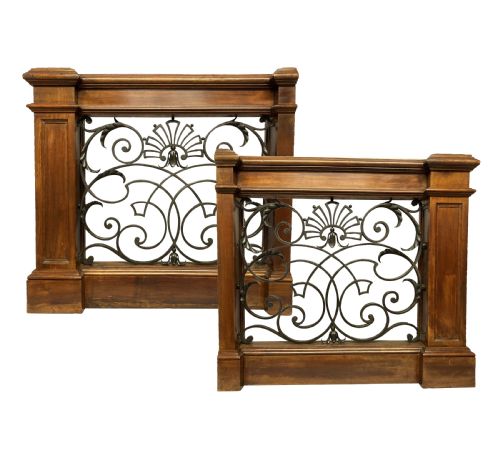
Makers and designers like Raymond Subes occasionally emerge in the listings, bringing distinctive French or English craftsmanship to the metalwork. Buyers encounter both standalone decorative panels and paired architectural salvage meant for integration into larger structures.
How they were made
Blacksmiths and metalworkers shaped wrought iron, cast iron, steel, and bronze by heating and hammering the raw metal over an anvil. This traditional forging created strong scrolls, curves, and structural frameworks designed to endure.
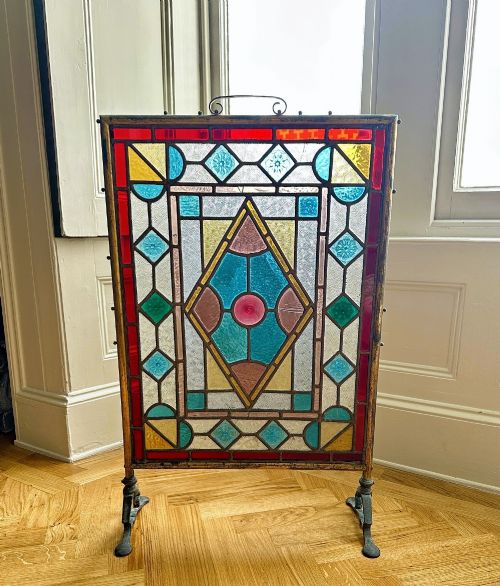
Many panels incorporate secondary materials like copper, lead, and stained glass to add colour and texture to the firescreens and architectural grilles. Artisans assembled these mixed-media pieces using traditional riveting, welding, and framing techniques.
One remarkably shaped panel ended up serving as part of an Irish king-size bed frame instead of guarding a fireplace.
What varies in quality
The refinement of the hand-forged scrollwork and the crispness of decorative motifs dictate the visual standard of each piece. Superior examples display fluid, intentional lines shaped by skilled hands rather than uniform mechanical production.
The integrity of the original metal, combined with authentic weathering and minimal structural loss, separates exceptional architectural salvage from ordinary fragments. Traces of original assembly methods and maker attribution further elevate the standing of individual panels.
Raymond Subes·Brandt
The Wrought Iron Panels Glossary
- Architectural salvage
- Building elements rescued from older structures for reuse in interior or exterior design. These items preserve historical craftsmanship and materials.
- Balustrade panel
- A structural section of a stair railing or balcony barrier designed for safety and decoration. They often feature repetitive iron scrollwork.
- Firescreen
- A decorative metal guard placed in front of an open fireplace to catch sparks and block radiant heat. They frequently combine iron frames with stained glass or copper panels.
- Scrollwork
- Ornamental metal shaped into spiral or curved patterns resembling scrolls of parchment. This technique forms the primary decoration on many antique grilles and gates.
Wrought Iron Panels: Frequently Asked Questions
How do I hang a heavy iron panel?
Heavy architectural panels require secure mounting into solid masonry or substantial timber wall studs using appropriate steel fixings. Weight distribution must be carefully calculated to support the load safely.
Consulting a professional installer ensures the mounting hardware matches the specific weight and composition of the ironwork.
Can these panels be used outdoors?
Many wrought iron and cast iron panels suit outdoor placement in gardens or on exterior walls due to their durable metal construction. However, iron naturally rusts when exposed to persistent moisture over time.
Applying protective wax or suitable outdoor sealants helps preserve the surface appearance if placed outside.
How do I clean antique ironwork?
Dust the metal surface regularly with a dry, soft cloth to prevent grime accumulation without harming the antique finish. Avoid harsh chemical cleaners or abrasive scouring pads that strip patination.
Applying a light microcrystalline wax helps protect the metal and maintains a soft sheen on the historic surface.
What is the difference between wrought iron and cast iron?
Wrought iron is heated and hammered by hand into shape, resulting in a fibrous structure that bends rather than snaps under stress. Cast iron is poured into moulds while molten, creating rigid, highly detailed decorative forms that can be more brittle.
Visual inspection of the texture and grain helps identify the manufacturing method used for each specific panel.