



Decorative Iron Screens
Decorative iron screens bring weight and historic craftsmanship to a room, offering both practical hearth protection and striking architectural presence.
Decorative Iron Screens
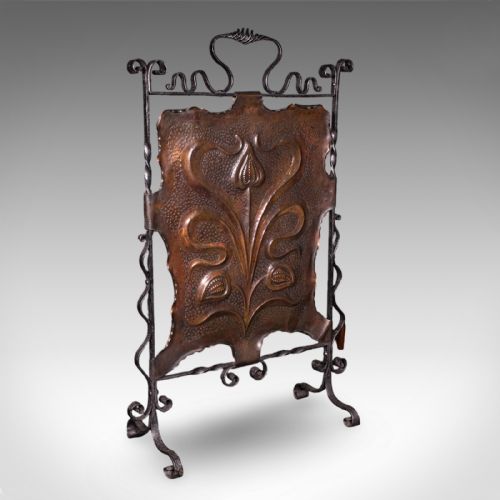
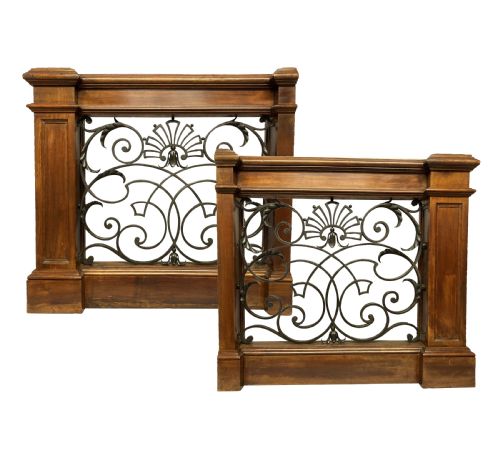
Decorative iron screens encompass everything from domestic hearth guards to large architectural panels and garden gates. You will most frequently encounter fire screens designed for the fireplace, alongside scroll panels and folding fireguards.
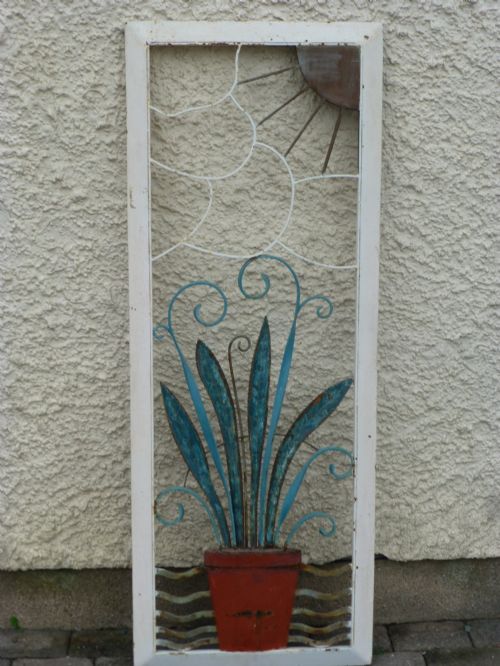
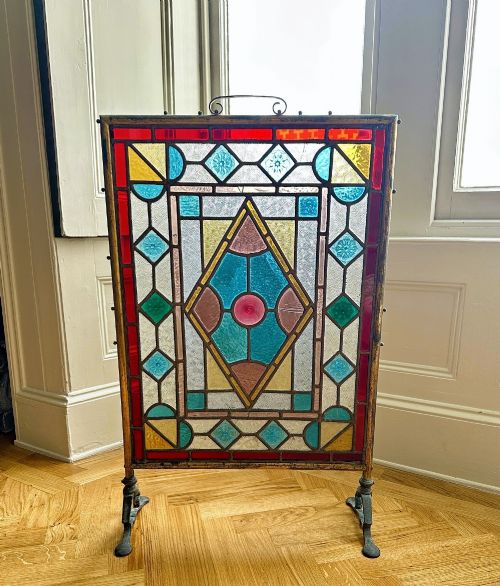
The objects span from the Victorian and Edwardian eras through the 1920s and 1930s, reflecting periods of heavy industrial utility and artistic revival. Forms range from simple spark guards to elaborate pieces integrating stained glass, copper panels, and bronze.
Makers and designers from the Arts and Crafts, Art Nouveau, and Art Deco movements shaped these items, alongside robust English Country House pieces. They served to shield rooms from intense hearth heat or to divide spaces with architectural weight.
How they were made
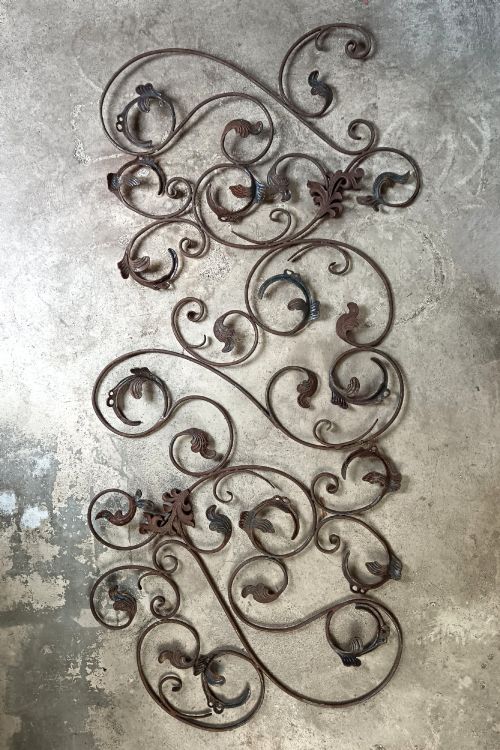
The primary construction relies heavily on wrought iron and cast iron, often shaped into intricate architectural scroll panels or sturdy frames. Blacksmiths and metalworkers utilised hammering and joining techniques to build durable domestic and exterior fixtures.
Many examples incorporate secondary metals such as copper, bronze, steel, and lead to create contrasting surfaces and reflective fire backs. Artisans added decorative highlights through gilding and inserted stained glass panels to catch the light.
The listings show a concentration of fire screens and architectural panels created from wrought iron, cast iron, and copper.
What varies in quality
Quality rests in the proficiency of the metalwork, distinguishing standard cast production from individually forged wrought iron with hand-finished scrollwork. Heavier gauges of metal and purposeful joint construction elevate the structural integrity of a piece.
The integration of artistic elements dictates the upper tier, seen where copper panels, stained glass inserts, or bronze detailing complement the iron framework. Surface patination and the survival of original gilding or weathered finishes also distinguish finer examples.
Raymond Subes
The Decorative Iron Screens Glossary
- Wrought iron
- Iron that has been heated and worked with tools, producing a fibrous structure that allows for detailed hand-forging. This material bends rather than snaps under stress.
- Spark guard
- A fine mesh or iron screen placed before an open fire to catch escaping embers. It protects flooring and furnishings from stray sparks.
- Architectural salvage
- Building components rescued from demolition or remodeling for reuse in new settings. These items include gates, panels, and grilles.
- Fireplace reflector
- A polished metal panel, often copper or brass, placed at the back of a hearth to reflect heat into the room. It also protects the masonry from direct flame.
- Arts and Crafts
- A design movement emphasising handcraftsmanship, traditional materials, and simple forms. It arose as a reaction against machine-produced goods.
Decorative Iron Screens: Frequently Asked Questions
What are decorative iron screens?
These pieces are functional and architectural metalwork items, primarily created as hearth accessories like fire screens and spark guards, or as structural panels and gates.
They utilise materials such as wrought iron, cast iron, copper, and glass to combine utility with the distinct aesthetic styles of their period.
How were decorative iron screens used?
Domestic examples stood before fireplaces to control sparks, shield rooms from excessive heat, and act as decorative hearth centerpieces.
Larger architectural versions functioned as dividers, garden entries, or protective balustrades within domestic and country house interiors.
How do I live with iron screens?
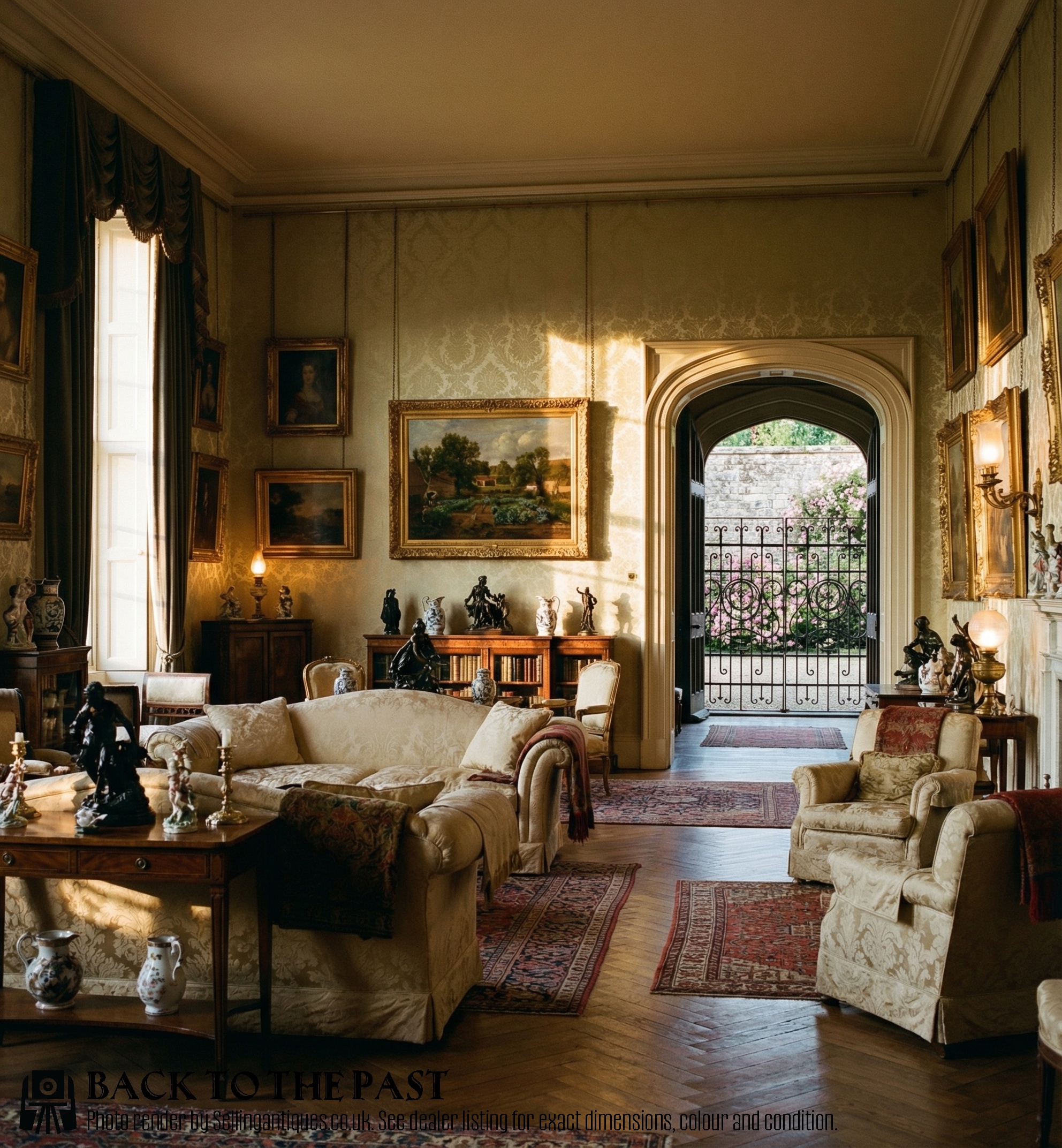
Position them near a working or decorative fireplace to anchor the room with historic texture, or mount architectural panels against a wall as visual art.
Ensure the piece is stable on your flooring, particularly for folding designs or heavy cast iron examples that require balanced placement.
How do I tell periods apart?
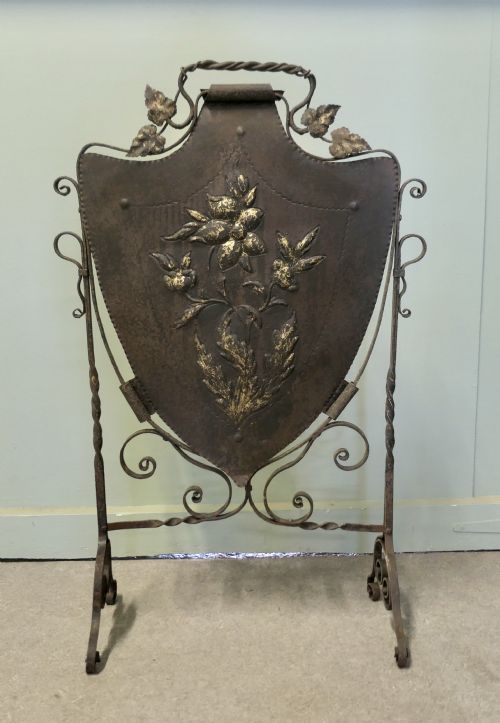
Victorian and Edwardian pieces often display Gothic Revival influences with heavy cast iron and formal shields, while Late Victorian items lean towards utilitarian reflectors.
Twentieth-century examples transition into clean geometric lines of Art Deco, stylized floral motifs of Art Nouveau, or the honest construction of the Arts and Crafts movement.