


Decorative Metal Wall Panels
These decorative metal wall panels span centuries of skilled craftsmanship, offering striking focal points that bring texture and historic character to any interior scheme.
Decorative Metal Wall Panels
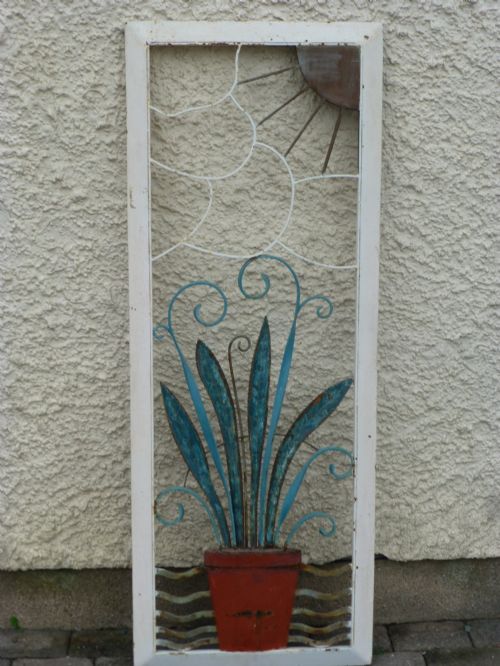
When you search for decorative metal wall panels, you are looking at a diverse group of architectural salvage, wall plaques, and tapestries shaped from enduring materials like bronze and wrought iron. The examples you are most likely to meet on this page lean towards nineteenth-century works and twentieth-century interpretations, drawing on styles as varied as Victorian Gothic, Art Deco, and Renaissance Revival.
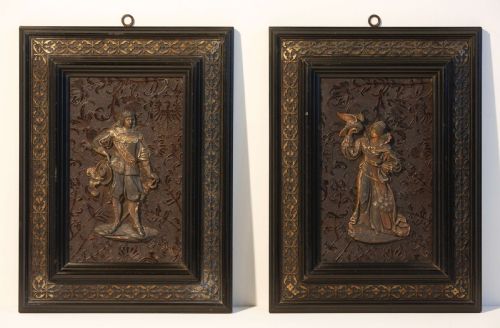
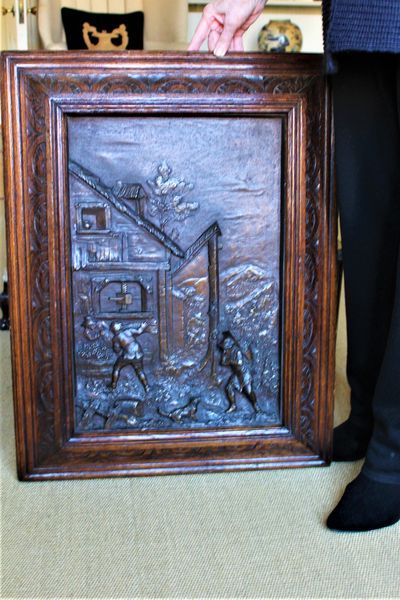
The objects range from heavy cast iron architectural panels salvaged from buildings to intricate white metal and gilded bronze relief plaques depicting historical figures. You will also encounter heraldic pieces bearing specific family arms and larger garden or door screens that demonstrate the versatility of metalworking across different eras.
Originating from diverse European and Indo-Persian workshops, these pieces often blur the line between functional architecture and pure wall art. Whether mounted singly or in pairs, they provide an immediate sense of weight and permanence that modern wall hangings struggle to replicate.
How they were made
The makers of these panels relied heavily on bronze and wrought iron, shaping the metal through traditional casting, hammering, and joining techniques. Cast elements achieved fine relief detail through carefully prepared moulds, whilst wrought iron components demonstrated the skill of the blacksmith bending and securing bars by hand.
Surface finish played a vital role in the final appearance, utilising polychrome paint, gilding, or ebonised wood to highlight specific details of the design. In some instances, metal threads were woven directly into European wool textiles to create panels that combined textile softness with metallic sheen.
Several panels proudly display official Ministry of Supply stamps, proving that even wartime bureaucracy occasionally commissioned rather splendid wall art.
What varies in quality
The standard of a panel rests primarily in the crispness of the casting and the depth of the relief work, where sharper lines and undercut details separate superior examples from softer, mass-produced alternatives. Hand-finished chasing on bronze and iron surfaces reveals the artisan's direct intervention, adding a level of individual expression absent in lesser pieces.
Integrity of materials and the preservation of original surface treatments also dictate the standing of a panel. Pieces retaining their early gilding, polychrome paint, or structural fixings command greater attention than those stripped down or heavily reworked in later decades.
Raymond Subes·Coalbrookdale
The Decorative Metal Wall Panels Glossary
- Architectural salvage
- Building elements rescued from structures slated for demolition or alteration. These items are repurposed for interior decoration or garden display.
- Relief plaque
- A flat ornamental piece where the figures or design elements project from the background surface. This technique creates depth and shadow play under directional lighting.
- Wrought iron
- Iron that has been heated and hammered into shape by hand, known for its fibrous grain structure and resilience. It bends rather than shatters under sudden stress.
- Heraldic
- Pertaining to coats of arms and genealogical crests. These designs often signify family lineage, official authority, or institutional ownership.
- Chasing
- The art of refining metal surfaces by hammering and punching with small tools after casting. It sharpens details and removes surface imperfections.
- Polychrome
- Decorated in multiple colours. This finish adds visual complexity and realism to metal and wood surfaces.
Decorative Metal Wall Panels: Frequently Asked Questions
How do I hang heavy metal panels safely?
Heavy cast iron and bronze panels require secure fixing directly into solid masonry or substantial timber studs within the wall. Utilising appropriaterawl plugs and steel fixings ensures the immense weight is distributed safely without damaging the plaster.
For exceptionally large architectural screens or gates, professional installation using custom mounting brackets is strongly recommended to guarantee stability and prevent accidental dislodgement.
Can these metal panels go outside?
Many wrought iron and cast bronze pieces originated as exterior architectural elements or garden screens, making them naturally suited to outdoor placement. Over time, exposure to the elements develops a pleasing natural patina on bronzes and ironwork.
However, panels incorporating delicate white metal, gilding, textile threads, or ebonised wood elements should remain strictly indoors to protect sensitive finishes from moisture and frost damage.
How do I clean bronze wall art?
Routine maintenance requires nothing more than gentle dusting with a soft, dry microfibre cloth to prevent the accumulation of grime within the recessed details. Avoid using commercial metal polishes or abrasive cleaners, as these can strip away historic patinas and protective wax coatings.
If the surface requires deeper cleaning, a very light application of microcrystalline wax buffed gently with a soft brush helps protect the metal from atmospheric oxidation.
What distinguishes Art Deco metalwork?
Art Deco metal panels typically feature stylised geometric patterns, stylised figures, and streamlined symmetry that reflect the aesthetic shifts of the interwar period. The lines are generally cleaner and more abstract than those found in earlier Victorian or Renaissance Revival pieces.
Makers from this era embraced materials like white metal and iron alongside bronze, often experimenting with contrasting finishes to create sharp, dramatic visual effects.