
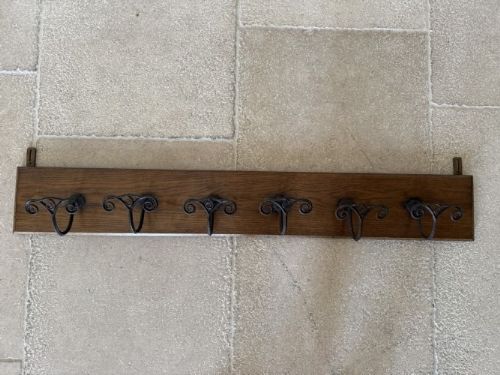


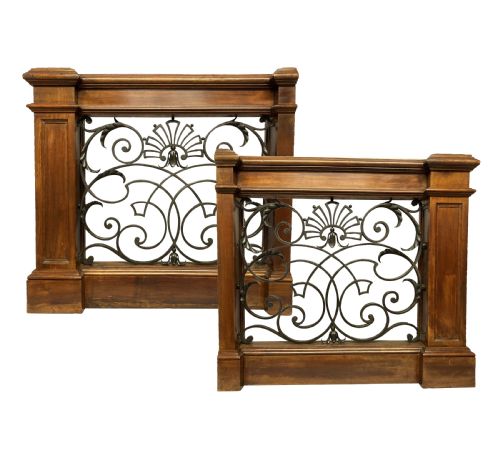
Vintage Wrought Iron Railing
Vintage wrought iron railing provides robust structural metalwork and architectural character, offering sturdy borders and scroll panels for period properties.
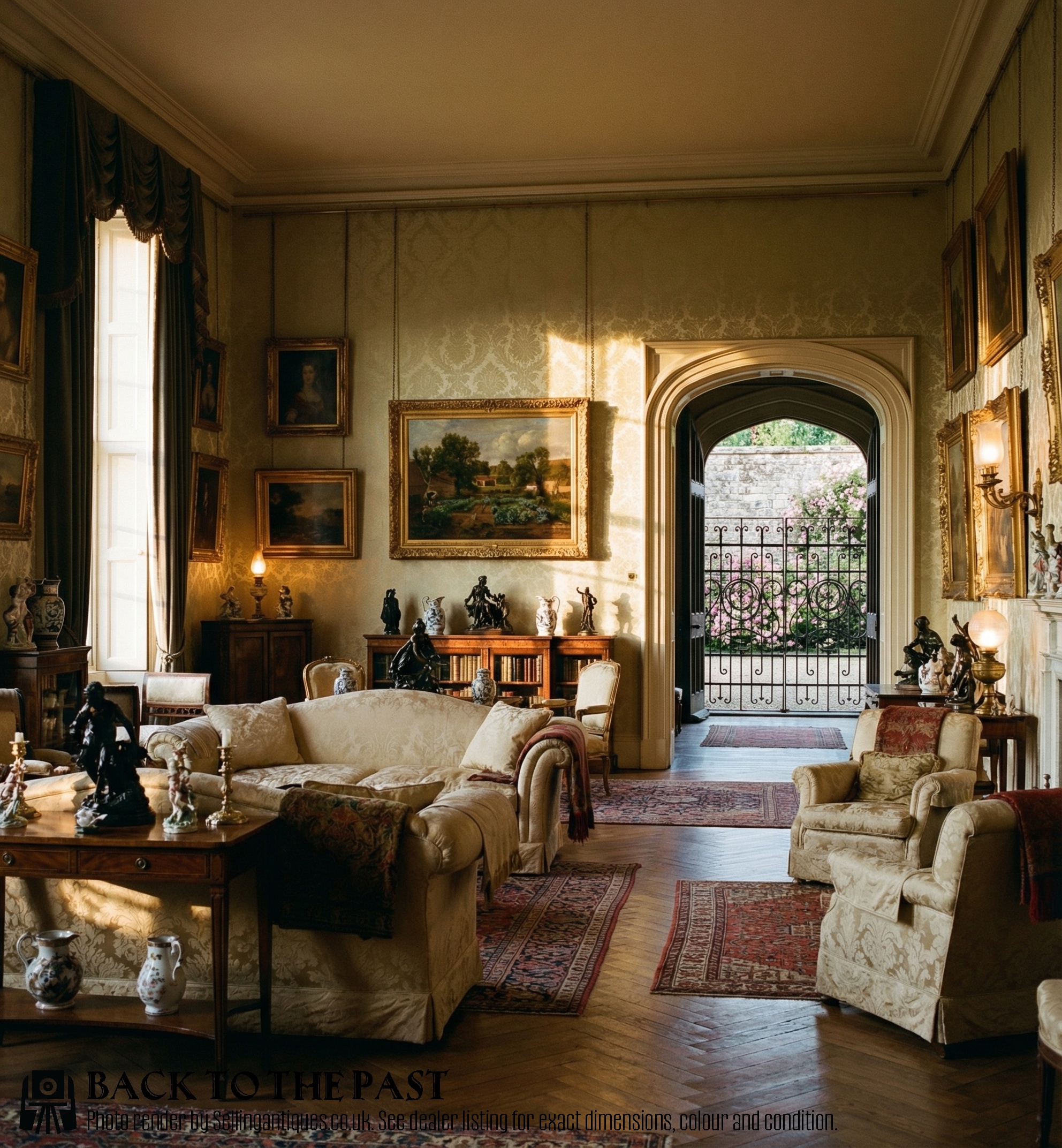
Vintage Wrought Iron Railing
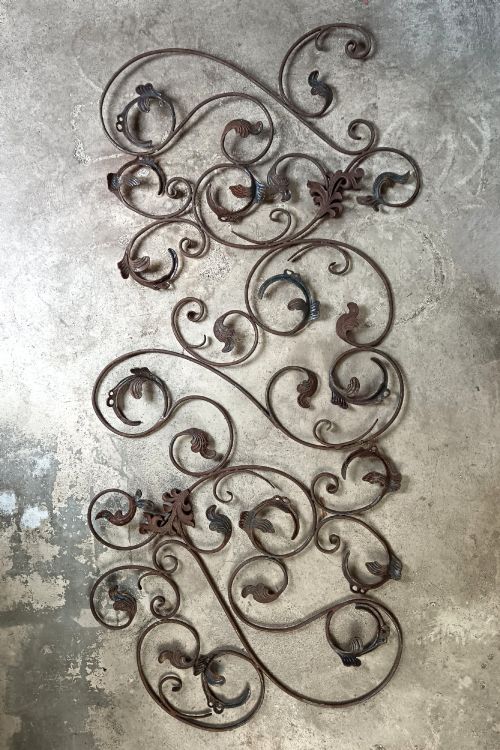
Vintage wrought iron railing encompasses architectural scroll panels, gates, and balustrade panels originating from the eighteenth century through to the Art Deco period of the nineteen-thirties. Buyers looking for vintage wrought iron railing frequently encounter structural elements that have been salvaged from period properties and gardens.
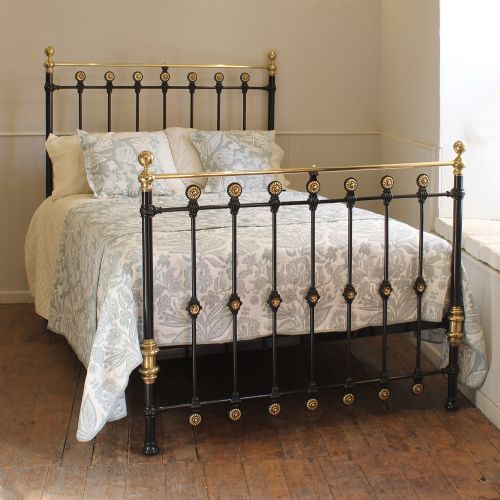
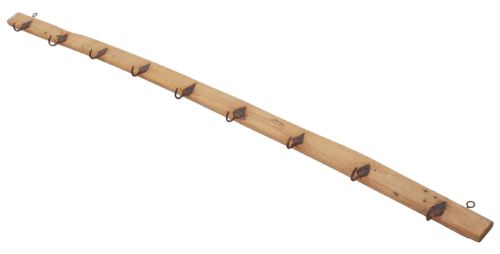
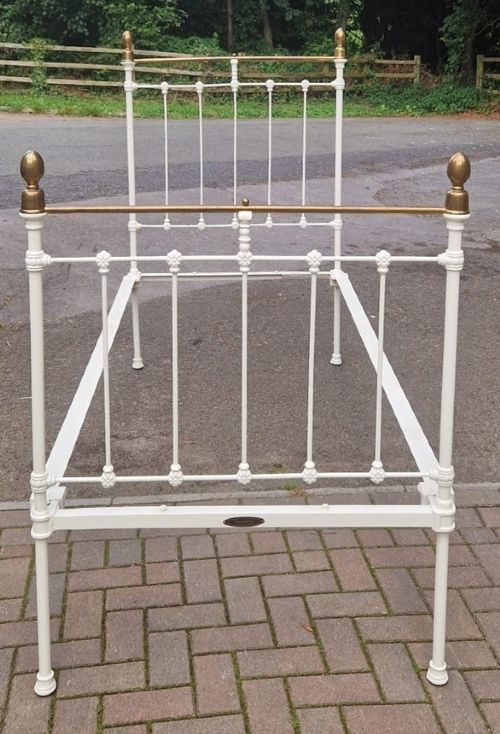
The listings on this page span several centuries, including Victorian designs, nineteen-hundreds scroll panels, and nineteen-twenties gates. Alongside architectural salvage, the evidence shows related metalwork such as beds, fireguards, and coat racks utilising similar materials.
How they were made
These pieces are constructed primarily from wrought iron and cast iron, often combining heavy iron bars with decorative scrollwork. Some examples incorporate brass, oak, pine, wire mesh, and leather to form composite objects like club fenders and beds.
The fabrication relies on traditional blacksmithing techniques, shaping iron into architectural panels and balustrades. Surviving pieces display the weathered surfaces and manual craftsmanship typical of eighteenth, nineteenth, and early twentieth-century metalworking.
The listings span from the 18th century to the 1930s, featuring wrought iron, cast iron, oak, and brass across various decorative styles.
What varies in quality
Quality in these architectural pieces rests on the weight of the metal and the complexity of the scrollwork. Panels with intricate hand-forged details and well-preserved structural integrity stand apart from simpler utilitarian bars.
The condition of the surface finish and the integrity of the original joins define the character of each piece. Heavier ironwork and balanced pairs demonstrate superior craftsmanship compared to plain or heavily modified salvage.
The Vintage Wrought Iron Railing Glossary
- Wrought iron
- A tough, malleable form of iron containing slag inclusions that allows it to be heated and hammered into decorative scrolls. It resists corrosion better than modern steel and forms the primary material for these architectural pieces.
- Cast iron
- Molten iron poured into a mould to create rigid architectural components like balustrade panels. It offers crisp decorative detail but lacks the fibrous flexibility of forged metal.
- Architectural salvage
- Building components rescued from older structures for reuse in restoration or interior design. This category includes gates, scroll panels, and balustrades.
- Balustrade panel
- A decorative section forming part of a staircase or balcony barrier. These panels often feature repeating ironwork motifs and scroll patterns.
Vintage Wrought Iron Railing: Frequently Asked Questions
What is vintage wrought iron railing used for?
These pieces function as decorative architectural panels, gates, and garden boundaries. They provide structural division while adding period character to both interior spaces and exterior settings.
Buyers often utilise salvaged scroll panels for wall decoration or integrate balustrades into architectural restoration projects. Their robust metal construction makes them suitable for both functional and decorative applications.
How do I date vintage wrought iron railing?
Dating relies on stylistic indicators, construction techniques, and the recorded period of the piece. Eighteenth-century examples often show simpler hand-forged joins, whilst Victorian and nineteen-hundreds items feature more elaborate cast and wrought iron scrollwork.
Art Deco pieces from the nineteen-thirties introduce distinct geometric forms and heavier framing. Comparing the specific ironwork style with known historical periods helps establish the approximate age of the salvage.
Are these railings made from solid iron?
The pieces in this category are constructed from traditional metals including wrought iron and cast iron. Some items also incorporate brass components or wooden framing depending on the specific object type.
Heavy iron construction provides the structural strength required for architectural salvage and protective fenders. The presence of varied materials reflects the diverse range of functional items found alongside standard railings.
Can these railings be installed outdoors?
Most of these iron and cast metal pieces were originally designed for exterior architectural use. Their durable metal construction withstands weathering, though surface condition varies from weathered patinas to painted finishes.
Checking the current condition of the iron helps determine whether a piece requires protective treatment before exposure to the elements. Salvaged panels adapt well to garden boundaries and courtyard installations.